Why Thermal Imaging Is a Game-Changer for Back Pain Hotspots
So here’s the thing—back pain can be a real mystery. One minute you’re feeling fine, and the next you’re stuck on the couch, wincing every time you breathe too deep or turn the wrong way. I’ve been there. I tried stretches, posture correction, switching up my office chair—nothing seemed to get to the root of it. But what finally caught my attention was something I never considered: thermal imaging. Yeah, the same kind of tech they use to detect heat signatures in security. Turns out, it’s being used in medicine now—and it’s kind of a game-changer for identifying back pain hotspots.
How Thermal Imaging Actually Works for Back Pain

Thermal imaging—also called thermography—detects infrared radiation emitted by your body. In simple terms, it captures heat patterns on your skin. These patterns can reveal inflammation, poor circulation, or muscular strain, which often appear as “hotspots” on the thermal map.
When your back is hurting, especially from issues like poor posture or muscle imbalances, the body responds with increased blood flow in that area. That extra heat is picked up by the camera—no radiation, no contact, no prep. It’s like getting a high-tech look into your pain without being poked, prodded, or zapped.
Why I Trust It Over Guesswork and Gut Feelings

Here’s what really sold me: traditional tests like X-rays and MRIs are great for bones and big structural issues, but they sometimes miss soft tissue inflammation or muscle overuse. Thermal imaging fills that gap. When I tried it, the results literally lit up the areas my lower back was screaming about. And seeing that validated what I’d been feeling for months—pain that wasn’t showing up in other scans.
More than that, it helped my physical therapist tailor my rehab plan. No more generic routines. We knew exactly where to focus the treatment.
Who Should Consider It?
Honestly, just about anyone dealing with nagging back pain that doesn’t have a clear cause. Especially if:
- You’ve had normal X-rays or MRIs but still feel pain
- You suspect inflammation or overuse in specific spots
- You want a non-invasive, zero-risk diagnostic option
- You’re managing chronic conditions like ankylosing spondylitis or fibromyalgia
Even athletes and manual laborers use thermography proactively to catch overload issues before they turn into full-blown injuries.
What Thermal Imaging Can—and Can’t—Tell You

Let’s be real—it’s not a silver bullet. While thermal imaging is great at spotting heat signatures, it doesn’t diagnose the root condition on its own. It’s more like a visual symptom tracker. That’s why it works best in combination with other clinical assessments.
- It shows inflammation, but not the exact cause
- It won’t replace MRI for structural damage
- It’s not standardized across all providers—experience matters
That said, it’s ideal for tracking progress. If your thermal “hot zones” cool down over time, you’re clearly healing—that’s data you can feel.
Why It’s Gaining Respect in the Medical World
Some folks still write it off as “alternative” or fringe. But there’s growing evidence, and more clinics—especially integrative pain centers—are adopting it. The American Academy of Thermology lays out professional protocols. Even PubMed has dozens of studies now showing its usefulness in musculoskeletal disorders.
It’s not about replacing your doctor—it’s about adding another lens to the diagnostic process. And for me, that lens finally made the picture clear.
How to Access It Without Spending a Fortune

Okay, truth: it’s not usually covered by insurance. But many chiropractors, sports medicine clinics, and even wellness centers now offer thermal imaging sessions in the $100–$250 range. Some even include it in first-time consultations.
And because there’s no radiation or invasive procedure involved, there’s zero downside to trying it once. Worst case? You get a really cool heat map. Best case? You finally understand what’s really going on under your skin.
Want to dive deeper into how this fits into a complete care plan? Check out the broader context of symptoms and diagnosis methods for back pain and the general overview on Healthusias’ main back pain guide.
Integrating Thermal Imaging into a Smarter Back Pain Plan

After getting my first thermal scan, I didn’t just frame the results and hang them on the wall. (Though honestly, it looked kinda cool.) I used it as a launching pad for actual change. Instead of stabbing in the dark with treatments, we built a pain management plan that was way more specific—and it made all the difference.
For example, one of the thermal hotspots lined up exactly with the side I always leaned on while sitting. Classic me. My physical therapist caught it instantly and showed me how that constant weight shift was triggering muscle imbalances. That insight would’ve been buried without the scan.
Making It Part of Preventative Health
We often wait until pain becomes unbearable before doing anything about it, but thermal imaging flips that mindset. It can actually help you stay ahead of flare-ups, especially if your back problems tend to come and go without warning.
- If you work long hours at a desk, schedule routine imaging to catch early inflammation
- If you’re athletic or lifting weights, use it to check recovery zones and form-related stress
- If you’ve been through spinal surgery, it helps monitor healing or overcompensation in nearby muscles
Some clinics even offer packages—like quarterly scans—to build a history over time. That kind of data is gold. It shows if your new standing desk, yoga habit, or ergonomic chair is actually working.
How Accurate Is It? What the Research Says

It’s fair to be skeptical. I was too. But thermal imaging isn’t guesswork. Clinical studies show it has high sensitivity for detecting inflammatory changes, especially when used with physical assessment or imaging like MRI. The key is working with a trained thermographer—interpretation matters.
According to the National Library of Medicine, digital infrared thermal imaging (DITI) has promising diagnostic value for soft tissue and nerve-related back conditions, including issues like lumbar radiculopathy and muscle strain.
What About False Positives?
Heat signatures can also appear due to unrelated factors like:
- Stress-related vasodilation
- Recent workouts
- Hormonal fluctuations
That’s why professionals usually ask you to avoid caffeine, intense activity, and hot showers before your scan. It’s also another reason why it’s best used as part of a broader diagnostic toolkit—not a standalone test.
Real-World Scenarios Where It Makes Sense

Here’s the deal: thermal imaging might sound fancy, but it’s surprisingly useful in a lot of everyday situations. Some examples where it can shine:
- Recurring Pain with No Clear Diagnosis: If you’ve been dismissed or misdiagnosed multiple times, a thermal scan might show what others missed.
- Post-Injury Monitoring: Helpful for tracking inflammation after acute strains or sports injuries. It’s also useful for muscle strain recovery.
- Chronic Conditions: Those with pain-depression links or inflammatory disorders get visual validation that their pain is real and visible.
My “Ah-Ha” Moment
One of my thermal scans actually picked up asymmetrical heat patterns on my upper back—something I wasn’t even paying attention to. Turned out my shoulder carrying habits were wreaking havoc. Made some changes, and just like that, fewer migraines, less upper back tightness. It’s wild what you learn when your body starts talking in heat signals.
How to Get Started with Thermal Imaging

If you’re curious (and honestly, you should be), here’s how to test the waters:
- Look for certified clinics or professionals through the American Academy of Thermology
- Ask your physical therapist if they work with thermal data
- Explore integrative or sports med clinics—many are adopting it
- Request a copy of your thermal map—you’ll want to track changes over time
Some providers may even offer mobile scanning services if you live in a metro area.
Beyond Imaging: Making Results Actionable
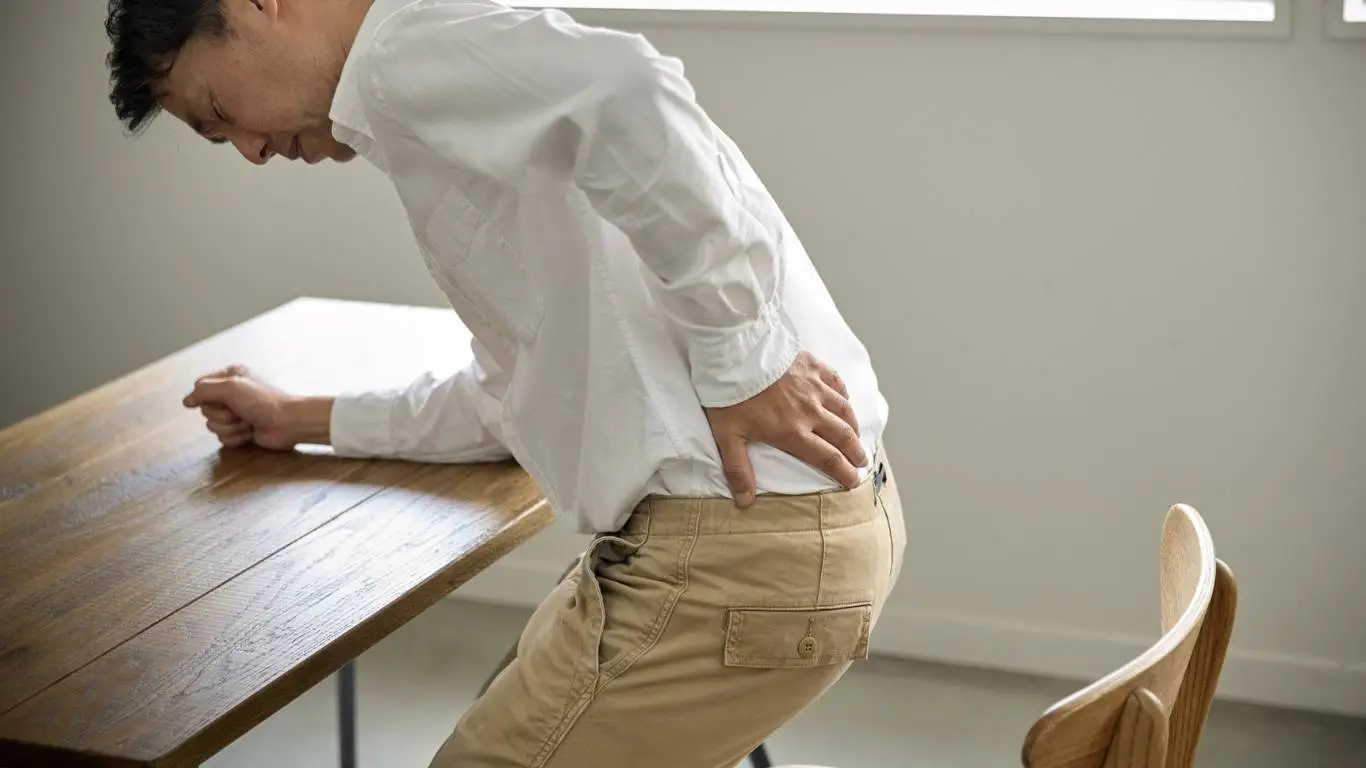
What made this all click for me wasn’t just seeing the hotspots—it was knowing what to do next. I used the results to:
- Refine my rehab and ergonomics strategy
- Fix my workstation and car seat posture
- Focus on core strength and better recovery habits
Paired with a foundational back pain approach, thermal imaging became more than a diagnostic—it became a guidepost.
And honestly, if it helps you avoid months of guessing or unnecessary treatments, it’s already worth it. You’re not just chasing pain—you’re understanding it.

Camellia Wulansari is a dedicated Medical Assistant at a local clinic and a passionate health writer at Healthusias.com. With years of hands-on experience in patient care and a deep interest in preventive medicine, she bridges the gap between clinical knowledge and accessible health information. Camellia specializes in writing about digestive health, chronic conditions like GERD and hypertension, respiratory issues, and autoimmune diseases, aiming to empower readers with practical, easy-to-understand insights. When she’s not assisting patients or writing, you’ll find her enjoying quiet mornings with coffee and a medical journal in hand—or jamming to her favorite metal band, Lamb of God.