Avoid These Common Thoracic Spine Foam Rolling Mistakes
If there’s one thing that’s kept my back sane through long workdays, gym sessions, and an old sports injury that just won’t let go, it’s foam rolling. But let me tell you—rolling the thoracic spine is not just grabbing a roller and going to town on your upper back. I learned the hard way that there are smart ways and absolutely wrong ways to do it. This guide is what I wish someone handed me years ago when I first started cranking on my back with a roller from the discount bin.
Why Thoracic Spine Foam Rolling Matters

The thoracic spine, that mid-to-upper part of your back where your ribs connect, takes a beating if you sit a lot (like most of us do). Slouching over laptops or phones pushes the spine into flexion constantly. Foam rolling, done correctly, helps reverse some of that damage, opens up the chest, and improves mobility for shoulders and posture.
But not all foam rolling is created equal. Trust me, I’ve seen folks at the gym flopping around like fish on rollers—and then wonder why their back hurts worse the next day.
✅ Dos of Thoracic Spine Foam Rolling

1. Start With the Right Equipment
Don’t go with the cheapest roller out there. A medium-density foam roller is ideal for the thoracic spine. Too soft? You’ll sink in. Too hard? You’ll wince and tense up. I personally love the textured ones—they get in deep without bruising you like a meat tenderizer.
2. Target the Right Area
Roll from the bottom of the ribcage up to the top of the shoulders. Never go lower—lumbar spine rolling is a no-go. It can actually irritate your lower back more than help. If you’re unsure where to stop, here’s a solid breakdown of thoracic spine anatomy to reference.
3. Use Short, Controlled Rolls
I used to roll my entire back like I was trying to make pizza dough. Big mistake. Keep it small and controlled. Start in one section and roll about 6 inches at a time. Pause on tight spots and breathe deeply.
4. Support Your Head and Neck
This one’s huge. Interlace your fingers behind your head like a hammock to support your neck. Don’t crank your head forward. When I skipped this, I ended up with a lovely neck strain that kept me sidelined for a week.
5. Breathe—Seriously
It sounds simple, but so many people hold their breath during foam rolling. Breathing into the pressure helps your body relax and actually release tension. Exhale as you sink into tight spots, especially around the shoulder blades.
6. Combine It With Mobility Work
Foam rolling is great, but it’s only part of the picture. After rolling, follow it up with some upper back mobility exercises or thoracic extensions. Otherwise, you’re just mashing tissue without improving function.
🚫 Don’ts of Thoracic Spine Foam Rolling

1. Don’t Arch Excessively
This is the most common mistake I see. Arching like you’re trying to crack your back in half isn’t helping—it’s compressing your spine and straining the low back. Stay neutral and controlled.
2. Don’t Roll the Lower Back
Let me say this louder for the people in the back: Don’t. Roll. Your. Lower. Back. The lumbar area lacks the ribcage support the thoracic spine has. Direct pressure can cause more harm than good. Instead, target surrounding areas like your glutes or hips.
3. Don’t Spend Too Long
More is not better. If you spend more than 1-2 minutes on your thoracic spine, you’re just irritating tissue. I once did a 10-minute roll-a-thon and ended up feeling stiff for days. Time it. Stick to under 2 minutes max.
4. Don’t Roll Over Joints or Bones
Foam rolling is for muscle and fascia—not your spine itself. Avoid bony landmarks like your scapula or vertebrae. If it feels sharp or jolting, you’re on the wrong spot.
5. Don’t Rush Into It Cold
Warm up first. A light walk or arm swings before foam rolling helps prevent jarring your body. Going in cold can lead to guarding, where your muscles tense up instead of relaxing. Not ideal.
How It Changed My Shoulder Mobility and Posture
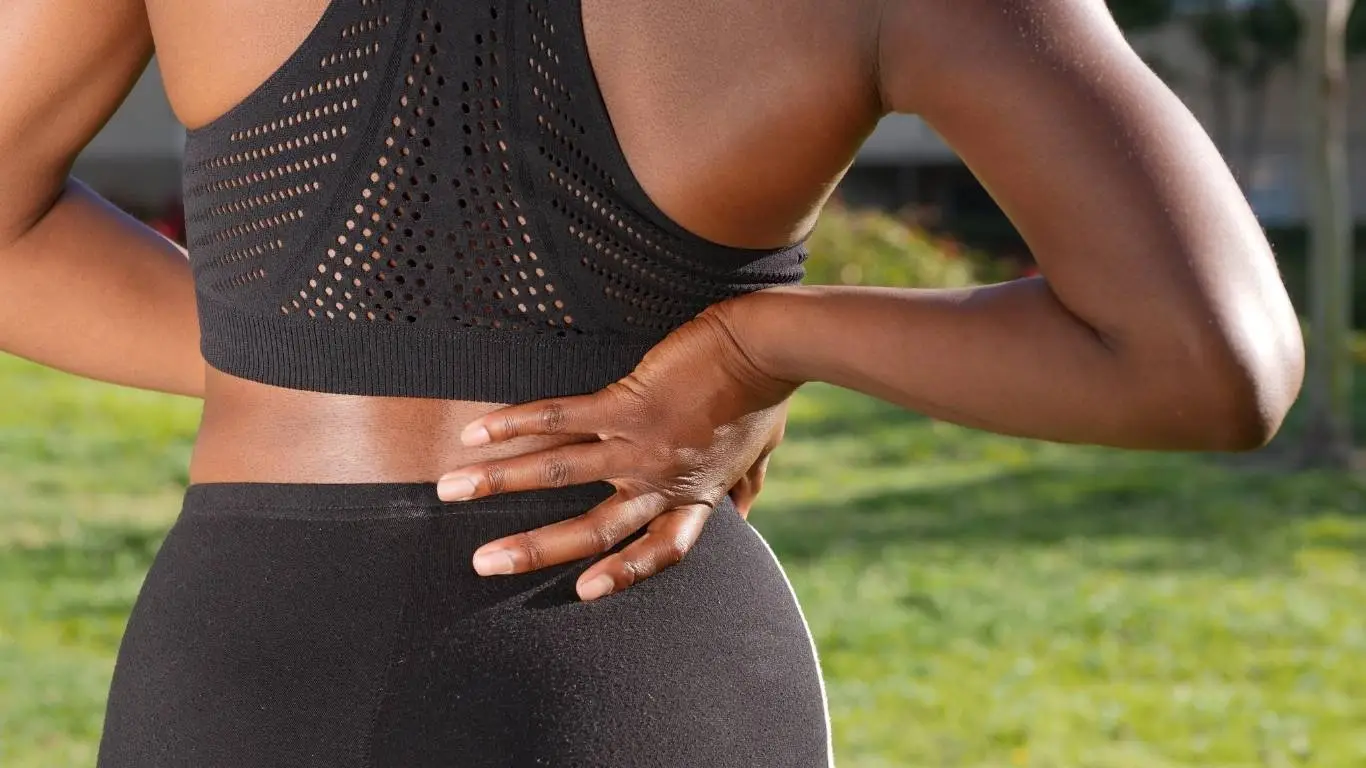
I used to struggle with rounded shoulders and that classic tech-neck posture. After just a few weeks of consistent thoracic rolling (the right way), I noticed my shoulders sat more naturally, and overhead presses at the gym stopped feeling like a grind. Combined with stretches like yoga for spinal tension relief, it made a noticeable difference in my daily comfort.
What’s even more interesting is that some of my recurring neck tightness vanished—likely because my thoracic mobility improved. The spine’s a chain, after all. When one link moves better, everything else follows.
Bonus: Common Foam Rolling Myths

- Myth: You need to roll until it hurts. Nope. A little discomfort is fine, but pain means back off.
- Myth: It replaces stretching. False. It preps tissue for stretching but doesn’t replace it.
- Myth: Rolling every day is essential. Also false. 2–3x/week is plenty for most.
Foam rolling the thoracic spine is about intention, not intensity. You’re not trying to punish your body—you’re trying to help it function better. And when you get it right, you’ll know. Movements become easier, posture improves, and those nagging aches start backing off.
Want to dive deeper into thoracic pain causes and movement limitations? Explore the thoracic spine anatomy and pain types guide—it’s packed with insights most people overlook.
And for a more complete guide on how back pain interacts with lifestyle, posture, and ergonomics, I highly recommend the main resource here: Comprehensive Back Pain Resource Center.
Advanced Foam Rolling Techniques for the Thoracic Spine

1. Arm Movements While Rolling
This changed the game for me. Instead of just lying still, try sweeping your arms overhead or out to the sides while you’re on the roller. This motion mobilizes the upper spine and shoulder joints simultaneously. It targets the fascia in a way static rolling just can’t match.
2. Pause and Breathe Into Hotspots
Find a tender point? Pause. Don’t rush it. Stay there, take 3-5 deep belly breaths, and feel your body let go. It feels like tension just melts off the spine. I usually do this after long days at my desk and it makes all the difference before bed.
3. Use a Peanut Ball for Precision
Once you’re used to the roller, switch it up. I personally love a peanut-shaped massage ball. It cradles the spine while targeting the muscles around it. Especially helpful after weightlifting or long drives. Here’s a guide I found useful: understanding myofascial trigger points.
How to Build It Into Your Weekly Routine

Thoracic spine mobility doesn’t stick if you only roll once a month. It’s about building habits.
- 2–3 times per week: That’s the sweet spot. Any more and you’re risking irritation unless your body truly needs it.
- Posture reset: I roll after long workdays or heavy chest/shoulder workouts. Rolling clears up stiffness and helps activate muscles better for the next session.
- Morning mobility: 5 minutes in the morning (with a roller or peanut ball) kickstarts blood flow and aligns posture early in the day.
Combine it with simple back rehab and ergonomic tips for long-term results. Foam rolling alone won’t undo eight hours of desk slouching, but paired with movement, it really helps retrain how your spine moves.
Common Mistakes You Probably Don’t Realize You’re Making

- Rolling too fast: Think slow and deliberate, not rapid-fire. Fast rolling tricks your nervous system into tension. Slow rolling relaxes it.
- Letting your ribs flare: Keep your ribcage down. If your ribs pop up, you’re hyperextending your back and taking pressure off the target muscles.
- Using foam rolling as a cure-all: It’s a tool, not the entire solution. If your pain persists, combine it with movement therapy, strength training, or conservative back treatments tailored to your issue.
I used to roll without engaging my core, and it just made my midsection wobbly and unstable. Once I started bracing slightly during rolls and controlling the movement, everything changed.
How Foam Rolling Compliments Other Back Pain Recovery Tools

If you’re dealing with thoracic tightness or discomfort, don’t just stop at foam rolling. Here are other tools and practices that work great together:
- Lacrosse balls: Great for pinpoint release near the shoulder blades and rhomboids.
- Mobility sticks: Use after foam rolling to reinforce alignment and muscle engagement.
- Ergonomic tweaks: A proper chair setup can reduce how much you even need to roll.
Some people swear by hot/cold therapy or TENS units for recovery. I’ve found foam rolling is best as a warm-up or cooldown, not a standalone recovery protocol.
Warning Signs You’re Overdoing It

Your thoracic spine should feel looser after rolling, not sorer. If you’re constantly sore or tender the next day, you might be pressing too hard or rolling too often.
- Persistent soreness or bruising: Foam rolling should never leave actual bruises. Back off the pressure or switch to a softer roller.
- Sharp pain: This is a red flag. Foam rolling should feel like deep pressure, not nerve-jolting pain. Stop and reassess your technique.
- Increased stiffness: If your back feels tighter afterward, your body may be guarding. You may be too aggressive or rolling cold.
Take a look at these back pain red flags before you assume rolling is always the fix.
When Foam Rolling Isn’t the Answer

In some cases, thoracic spine pain might stem from underlying issues like scoliosis, rib dysfunction, or even nerve involvement. Rolling in those cases might do more harm than good.
That’s why I always recommend getting assessed if the pain is:
- Consistent and sharp
- Worsens with movement or rolling
- Paired with numbness, tingling, or shortness of breath
When in doubt, consult a physical therapist who understands spinal mechanics. Foam rolling is great when you’re dealing with mobility limitations or muscular tightness—but not when something deeper is going on.
Foam Rolling and Long-Term Back Health

Once I got consistent with thoracic foam rolling, my whole posture changed. My shoulders stopped slumping. I could lift better. Even my breathing improved because my chest wasn’t collapsed inward anymore.
That’s the magic of the thoracic spine—it impacts everything from shoulder health to how we breathe to even our neck alignment. Just keep in mind it’s a puzzle. Rolling is one piece. The others include movement, rest, strength work, and smart lifestyle adjustments.
If you’re serious about improving how your back functions, understanding your symptoms and diagnosis path is a smart place to explore next.
And if you haven’t seen it yet, the full main guide here is gold: Healthusias Back Pain Master Guide.

Camellia Wulansari is a dedicated Medical Assistant at a local clinic and a passionate health writer at Healthusias.com. With years of hands-on experience in patient care and a deep interest in preventive medicine, she bridges the gap between clinical knowledge and accessible health information. Camellia specializes in writing about digestive health, chronic conditions like GERD and hypertension, respiratory issues, and autoimmune diseases, aiming to empower readers with practical, easy-to-understand insights. When she’s not assisting patients or writing, you’ll find her enjoying quiet mornings with coffee and a medical journal in hand—or jamming to her favorite metal band, Lamb of God.