Why Understanding Why Anxiety Feels Different Daily Can Change Everything
Some days, it hits like a wave. Other days, it hums in the background like a low-grade headache. If you’re anything like me, you’ve probably asked yourself more than once: why does my anxiety feel so different every single day? One morning you’re functioning just fine, the next you’re spiraling over a missed text message. And let’s not even talk about those random moments when your heart starts racing in line at the grocery store for no reason. Sound familiar?
Understanding the Daily Variability of Anxiety

Anxiety isn’t one-size-fits-all. It’s a shape-shifter. And that inconsistency? It’s one of the most frustrating things about living with it. Some people call it “floating anxiety,” but even that term doesn’t capture how wildly it can swing. I’ve gone from calm to catastrophizing within the same hour, all without any obvious triggers. Turns out, there’s a reason why anxiety can wear a different mask each day—and it’s not all in your head.
The Role of Brain Chemistry (And Why It’s Not Just “Mental”)
Your brain isn’t running on autopilot. Neurotransmitters like serotonin, dopamine, and norepinephrine are deeply involved in regulating mood and anxiety responses. Fluctuations in these chemicals—due to sleep, stress, diet, or even hormonal shifts—can completely change how you feel from one day to the next.
There’s also growing evidence connecting brain chemistry imbalances to fluctuating anxiety symptoms. One cup too many of coffee or a poor night’s rest? That delicate neurochemical balance takes a hit—and so does your sense of calm.
Hormonal Shifts and Biological Rhythms
This one hit home for me. Ever noticed how anxiety sometimes spikes around your period, or after a long flight, or when you haven’t eaten all day? That’s not coincidence. It’s biology.
- Circadian rhythms affect cortisol release, which can heighten anxiety during certain times of the day (yes, morning anxiety is a thing—here’s why).
- Hormones like estrogen and progesterone have direct impacts on mood regulation. This is particularly relevant for people navigating PMS, pregnancy, or menopause.
Environmental Triggers You Didn’t Know Were Affecting You

It took me years to realize that my environment was often the culprit behind “mystery anxiety.” Loud noises, cluttered spaces, even artificial lighting—all of it was setting me on edge. And yet, I wasn’t aware it was happening. That’s how subtle environmental anxiety triggers can be.
Think about it:
- High-stimulation settings like supermarkets, traffic, or airports.
- Changes in temperature or barometric pressure—weather actually matters more than we think.
- Social settings where you feel watched or judged.
The body keeps score. It responds, even when your conscious mind doesn’t catch on. That unpredictability is what makes anxiety so hard to track day to day.
How Lifestyle Habits Are Quietly Shaping Your Anxiety

You might already suspect that diet, sleep, and exercise impact anxiety—but do you know how deeply they affect the daily variation? I’ve learned (the hard way) that skipping meals or being glued to a screen before bed is a recipe for next-day dread.
The Anxiety-Lifestyle Link in Real Time
- Poor sleep hygiene increases irritability and reduces emotional regulation capacity. You can learn how to fix that here.
- Dehydration and blood sugar fluctuations make anxiety feel like it’s coming from nowhere.
- Social media is another silent driver. The comparison trap, doomscrolling, and blue light exposure all impact emotional clarity.
Gut Health’s Underrated Role
Honestly, I rolled my eyes the first time someone told me to eat more fiber for my anxiety. But there’s real science behind the gut-brain connection. What you feed your microbiome can influence how anxious you feel—and how often.
Personality, Trauma, and Emotional Memory

Some people are naturally more anxious than others, and that’s okay. But daily variability often ties back to personality traits like high sensitivity or perfectionism. And then there’s trauma. Even if it’s old or “resolved,” certain cues can reignite that response—randomly and without warning.
I’ve had mornings where a smell, a phrase, or even a song lyric took me right back to a stressful moment from years ago. That’s the tricky part about emotional memory. It lives in the background and colors your experience whether you like it or not.
If you’ve ever dealt with childhood trauma, especially, you may be more prone to unexpected anxiety shifts. The imprint runs deep.
Living With the Daily Flux: Tips That Helped Me
Once I started paying attention to the patterns, I could soften the swings. Not eliminate them—let’s be real—but reduce the whiplash effect. Here’s what worked:
- Journaling not just how I felt, but what I did, ate, and experienced each day
- Scheduling my hardest tasks during my “calmer” windows—usually late morning
- Accepting the variability instead of fighting it. Yes, it’s frustrating. But no, it doesn’t mean you’re broken
There’s no magic formula, but recognizing that anxiety is *not* static was a game changer for me. And if you’re curious how your daily habits stack up against the broader causes of anxiety disorders, the breakdown in this guide may surprise you.
Also, don’t miss the full perspective on how anxiety can quietly control your daily life—because knowing how it operates is the first step to reclaiming your power over it.
Why Coping Strategies Work Differently Every Day

Ever try a breathing exercise one day and feel totally chill, then try it the next day and…nothing? Same. I used to think I was doing it wrong. But what I’ve learned over time—and from way too many late-night Google searches—is that how well a coping strategy works depends on a mix of internal and external factors.
Things like:
- How regulated your nervous system already is
- Your current hormone levels and sleep cycle
- The type of anxiety you’re feeling—generalized worry hits differently than panic attacks
This means we need to build a flexible “toolkit” instead of clinging to one-size-fits-all techniques. One day, journaling might work. Another, you might need to walk it out, or even just let yourself cry in a parked car. That’s not failure. That’s responsiveness. You’re listening to what your body needs today—not yesterday.
The Importance of Layered Techniques
I stopped expecting a single technique to “fix” everything. Now, I layer methods throughout my day. A few small things—spread out—make more of a difference than one big coping session.
- Start the day grounded: even just sipping water mindfully before checking your phone helps.
- Midday movement: stretch, walk, or stand up and shake out your body for 60 seconds.
- Evening debrief: jot a few thoughts down, reflect on wins (even tiny ones), and breathe.
If you’re not sure where to start, here’s a great guide to progressive muscle relaxation—it’s surprisingly calming when done right.
How Triggers Can Shift Without Warning
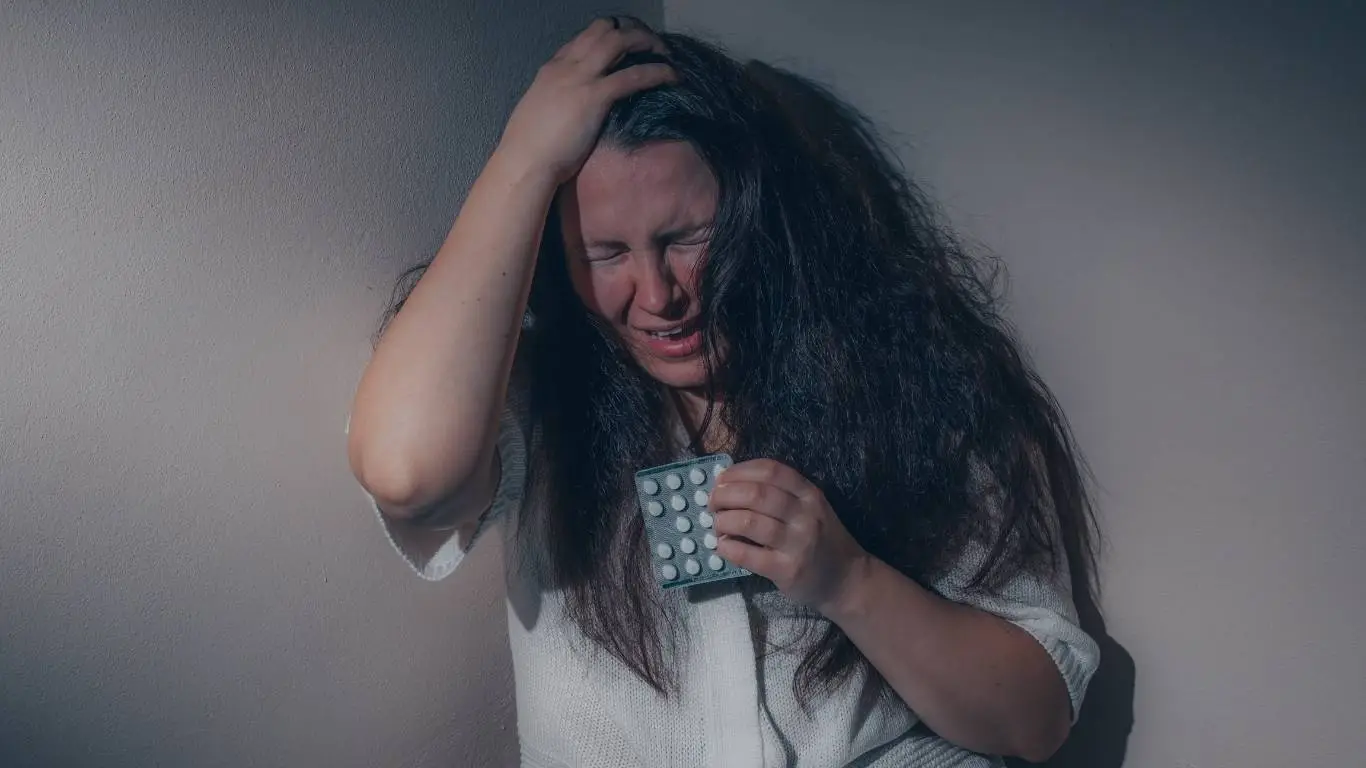
One of the most confusing parts of daily anxiety variation is how triggers come out of nowhere. I used to react to loud noises or sudden changes. Then it shifted—I’d get anxious in silence. Alone. Doing absolutely nothing.
This isn’t random. It’s your nervous system responding to internal context. Maybe the silence reminds your brain of a past scary moment. Or your body is simply overstimulated and shuts down instead of acting out. Either way, triggers evolve, and learning to notice patterns (without judgment) can help reduce the fear of unpredictability.
Take a look at how sensory input influences anxiety—you’ll likely recognize more than one thing from your daily life.
Techniques to Identify and Track Your Triggers
- Keep a low-maintenance mood tracker — rate your day from 1–10, no need for paragraphs
- Color-code triggers — social, physical, emotional, environmental, hormonal
- Don’t obsess over precision — just get curious about what shifts your vibe
We often forget to track the small wins. Like “I felt anxious in traffic but didn’t spiral.” That counts. That’s growth.
Why Acceptance Can Help More Than Control

Real talk? Trying to control your anxiety 24/7 is exhausting. It becomes its own kind of anxiety. I learned (through trial, error, and way too many energy drinks) that acceptance isn’t about giving up—it’s about softening your grip.
Once I stopped needing to feel the same every day, I started managing my ups and downs with more compassion. That shift—honestly—was more healing than anything else. And that’s backed by therapy approaches like Acceptance and Commitment Therapy (ACT).
Micro-Moments of Grounding
Acceptance doesn’t mean inaction. It means intention. I started integrating grounding techniques during tiny moments—not just when I felt panicky.
- While brushing my teeth, I press my feet into the floor
- When I hear my anxious inner monologue, I say: “That’s one thought. It’s not the whole truth.”
- Before meals, I take one deep breath—just one—to signal presence
These habits didn’t erase anxiety, but they smoothed the edges. Some days, that’s all I needed.
What to Do When Anxiety Suddenly Feels Unmanageable

No sugarcoating here—some days are brutal. You wake up feeling like the world is pressing on your chest. I’ve had those mornings. When nothing worked and everything felt pointless. If you’ve ever been there (or are there now), please know: it’s not your fault, and you’re not alone.
Sometimes the best move is reaching out. Whether it’s talking to a friend, calling your therapist, or using guided help like virtual therapy tools—you don’t have to navigate those moments solo.
And remember, even professionals acknowledge how diagnosis and assessment can bring clarity. There’s no shame in getting support.
Build Your “Break In Case of Emergency” List
Mine includes:
- A calming playlist (Lo-fi and nature sounds work wonders)
- One friend who “gets it” and won’t offer toxic positivity
- A short walk with zero phone time
- Favorite grounding video or podcast
This isn’t about fixing the day. It’s about staying afloat until the tide shifts. Because it always does—even when it doesn’t feel like it will.
Learning to Ride the Wave, Not Fight It

There’s a certain peace in realizing anxiety will fluctuate no matter what you do. It’s part of being human. You don’t need to chase a “perfectly calm” day to be okay. Your value isn’t measured by how relaxed you appear or how much you got done.
What helped me the most was shifting from fixing to flowing. Some days you ride the wave with ease. Other days you cling to the board. Both count. Both matter. And neither makes you any less strong.
Want to dive deeper into how small, daily disruptions from anxiety shape your life without you realizing it? This perspective is a must-read: how anxiety disrupts your routine quietly.
If you’re ready to zoom out and understand how anxiety operates across your life, this main pillar article is an eye-opener.

Camellia Wulansari is a dedicated Medical Assistant at a local clinic and a passionate health writer at Healthusias.com. With years of hands-on experience in patient care and a deep interest in preventive medicine, she bridges the gap between clinical knowledge and accessible health information. Camellia specializes in writing about digestive health, chronic conditions like GERD and hypertension, respiratory issues, and autoimmune diseases, aiming to empower readers with practical, easy-to-understand insights. When she’s not assisting patients or writing, you’ll find her enjoying quiet mornings with coffee and a medical journal in hand—or jamming to her favorite metal band, Lamb of God.