
Weight Loss Dramatically Improves Back Health and Comfort
For years, I struggled with back pain that would come and go like a bad roommate. At one point, I thought it was just my age catching up—or maybe poor posture. Turns out, the real culprit was something I didn’t expect: extra weight. Losing just 15 pounds felt like flipping a switch. My lower back felt lighter, my posture improved naturally, and those nagging aches? They started to vanish. And honestly, I wish someone had connected those dots for me sooner.
Why Weight Affects Back Health More Than You Think

When people think about weight loss, they picture fitting into old jeans or running longer distances. Rarely do they consider how it affects their spine. But your spine wasn’t designed to carry a load beyond what’s considered healthy for your frame.
The extra pounds increase the pressure on the lumbar region—the lower part of your spine. This isn’t just a discomfort issue. It alters your spinal curvature, affects balance, and increases the risk of herniated discs and degenerative disc disease. Even carrying an extra 10-15 pounds can shift your center of gravity forward, pulling your pelvis out of alignment.
According to the CDC, obesity is directly linked to musculoskeletal problems, especially back pain. If you’ve ever felt your back “go out” after sitting for a long time or simply picking something off the floor, weight might be playing a bigger role than you realize.
The Biomechanics of Weight and Spine Stress

Your spine acts as a vertical shock absorber. But like any shock system, there’s a limit to how much pressure it can handle before failing. The additional fat around the abdomen, known as visceral fat, acts like a forward-pulling anchor, forcing the spine to compensate with poor posture and imbalance.
Key stress points impacted by weight gain:
- Lumbar vertebrae: The L4 and L5 discs take the brunt of the pressure from abdominal weight.
- Facet joints: These joints can degenerate faster due to compressive forces caused by excess fat mass.
- Paraspinal muscles: These muscles overwork to keep posture aligned, leading to chronic strain.
One overlooked issue is how excess weight contributes to inflammation, particularly around joints and soft tissues. According to NIH, systemic inflammation associated with obesity worsens pain sensitivity and slows recovery from spinal injuries.
How Weight Loss Helps Restore Natural Spine Function
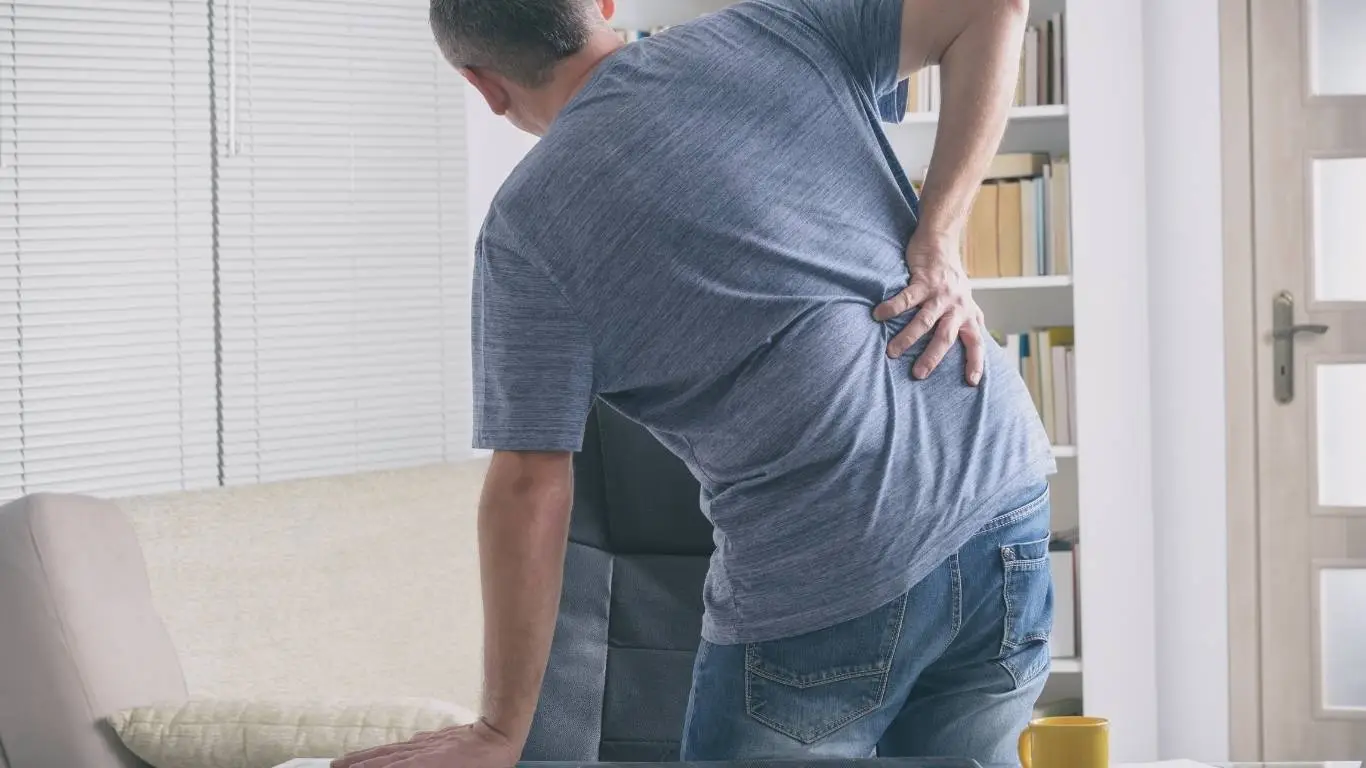
Dropping weight doesn’t just change your appearance—it literally transforms how your body moves and responds to physical stress. After losing weight myself, even small movements like tying my shoes or sitting cross-legged on the floor felt smoother and more natural.
Benefits of weight loss for the spine:
- Decreased disc compression: Less pressure on the discs between vertebrae allows better hydration and flexibility.
- Improved posture: Weight loss often leads to better muscle balance around the core, improving your natural alignment.
- Better blood flow: Reduced fat mass leads to improved circulation, helping inflamed tissues heal faster.
Many people are surprised by how quickly they feel relief. Studies show even a 5-10% reduction in body weight can make a significant difference in back pain intensity and mobility. You don’t need to reach “model weight” to see the benefits—just a sustainable, realistic drop.
Pairing weight loss with movement is key. If you’re not sure where to start, check out the best treatment options for upper back pain—many of which are low-impact and effective even during weight loss phases.
Nutrition and Back Pain—A Relationship Worth Noticing

Nutrition often gets overlooked in the conversation about spinal health. But trust me, what you eat directly impacts inflammation and tissue repair. Once I shifted my meals toward anti-inflammatory foods and cut down on processed junk, my back didn’t feel as stiff in the mornings—and that was before I even hit my weight goal.
Anti-inflammatory foods that aid in back pain recovery:
- Fatty fish like salmon and sardines (packed with omega-3s)
- Leafy greens such as kale and spinach
- Berries—especially blueberries and strawberries
- Turmeric (great when combined with black pepper)
- Walnuts, almonds, and flax seeds
These foods not only support weight loss by keeping you full longer, but also directly reduce back pain symptoms by targeting inflammation at the source. More on this in our guide to anti-inflammatory diets for back pain.
The Psychological Side of Shedding Weight and Pain

Here’s the thing nobody talks about—back pain can mess with your mind. When I was in constant pain, my mood took a hit. I was irritable, slept poorly, and had zero motivation to exercise. But once the pain eased with weight loss, the mental fog started lifting.
There’s growing evidence showing the link between pain and depression, especially in chronic cases. A lighter, healthier body isn’t just easier on your spine—it’s easier on your mind too. That’s why we explore the mental and emotional aspects of back pain in detail.
If this all sounds like a lot to change, don’t stress. You can start small—standing more, switching to anti-inflammatory snacks, or trying light stretching. But it’s also helpful to understand how lifestyle changes support back health holistically.
For a broader look into all causes and types of back pain and how they evolve, explore our main back pain resource and dive into lifestyle & diet strategies that go beyond the basics.
Movement That Supports Weight Loss Without Worsening Back Pain

Let’s be honest—moving with back pain can feel like walking on eggshells. I’ve been there. I remember holding onto the edge of my kitchen counter while doing simple toe-touches, worried I’d tweak something. But the right movement, done gently and consistently, helped me regain confidence in my body. That’s the key—movement as medicine, not punishment.
You don’t need an intense routine to make progress. In fact, aggressive exercise can worsen pain. Start with low-impact, spine-friendly activities designed to burn calories without triggering flare-ups.
Best exercises for back-friendly weight loss:
- Swimming: Excellent for resistance without gravity pounding your spine. Try a few laps or aqua jogging.
- Walking: Start slow, but do it daily. Add distance or elevation over time.
- Pilates: Focuses on core strength, alignment, and breathing. Check out why Pilates is a game changer for spinal health.
- Yoga: It’s not about flexibility—it’s about mobility. Choose back-friendly poses like cat-cow or supported bridge. More on that in our guide to yoga for back pain.
The goal isn’t just to burn fat—it’s to build stability, endurance, and confidence. If you sit at a desk for hours, standing or stretching every hour helps more than you’d think. Our favorite standing desk tips can help ease pressure while keeping you active throughout the day.
Posture, Muscle Balance, and How Weight Throws It All Off

One surprising discovery I made during my weight loss journey: posture plays a huge role in back health. And when you carry extra weight—especially in the belly—it pulls your entire frame forward, wrecking alignment. That’s how I ended up with tight hamstrings, weak glutes, and sore shoulders all at once.
Common muscle imbalances caused by extra weight:
- Anterior pelvic tilt: Caused by abdominal weight pulling your pelvis forward, putting strain on your lower back.
- Weak glutes: These muscles are crucial for spine support but often under-activated in overweight individuals.
- Tight hamstrings: These overcompensate and become stiff, limiting mobility and causing lower back strain.
It wasn’t until I started focusing on glute strength and correcting tight hamstrings that I realized how much muscle imbalances were sabotaging me. Small corrections in posture led to big improvements in pain reduction.
Support Tools That Make the Weight Loss Journey Easier on Your Back

There’s no shame in using tools to support your spine while you’re working on your health. I relied on lumbar cushions, a supportive mattress, and even switched up my car seat setup. These tweaks gave my back the break it needed while I tackled the bigger lifestyle changes.
Helpful tools worth investing in:
- Back braces – short-term support during early workouts or long standing periods
- Ergonomic chairs – help reduce sitting-related strain while working
- Better sleeping positions – allow proper spinal alignment and muscle recovery
- Supportive mattresses – reduce pressure points and help realign spine overnight
Don’t underestimate how much these supports can help you stay consistent with your goals. It’s not about “fixing” things overnight—it’s about removing friction from your path so you can show up again tomorrow.
How Weight Loss Boosts Long-Term Back Health (and Longevity)

One unexpected benefit I noticed after sustained weight loss? Energy. I wasn’t just pain-free—I had more stamina, sharper focus, and fewer mood dips. And science backs this up. Losing excess weight reduces the risk of chronic pain conditions, joint degeneration, and even spinal osteoarthritis.
We also know weight loss reduces the likelihood of needing invasive procedures. Fewer spinal injections. Less risk of microdiscectomy or fusion surgeries. That means more freedom in the long run, both physically and financially.
If you’re curious about the broader benefits of conservative approaches, this guide on non-invasive treatments is worth bookmarking.
And for anyone deep in their journey right now—whether you’re five pounds down or fifty—know that your efforts are stacking up. Every healthy choice gives your spine one more reason to thank you tomorrow.
For more on how lifestyle, diet, and ergonomics come together to support your spine, explore our complete resource on back-friendly living.
Looking for a comprehensive understanding of how back pain develops and how to break free from the cycle? Start with the full back pain overview and then dive into our detailed section on conservative treatments.

Camellia Wulansari is a dedicated Medical Assistant at a local clinic and a passionate health writer at Healthusias.com. With years of hands-on experience in patient care and a deep interest in preventive medicine, she bridges the gap between clinical knowledge and accessible health information. Camellia specializes in writing about digestive health, chronic conditions like GERD and hypertension, respiratory issues, and autoimmune diseases, aiming to empower readers with practical, easy-to-understand insights. When she’s not assisting patients or writing, you’ll find her enjoying quiet mornings with coffee and a medical journal in hand—or jamming to her favorite metal band, Lamb of God.