When Anxiety Causes Excessive Sweating And How To Take Control
I never expected to be the kind of person who brought an extra shirt everywhere—but here we are. What started as a little nervousness in job interviews morphed into full-blown episodes of anxiety-induced sweating. Not just a light dampness—I’m talking drenched back, palms slippery like soap, and forehead shining like I’d run a marathon. It felt embarrassing, uncontrollable, and oddly isolating. Turns out, I’m far from alone.
Why Anxiety and Sweating Are So Closely Linked
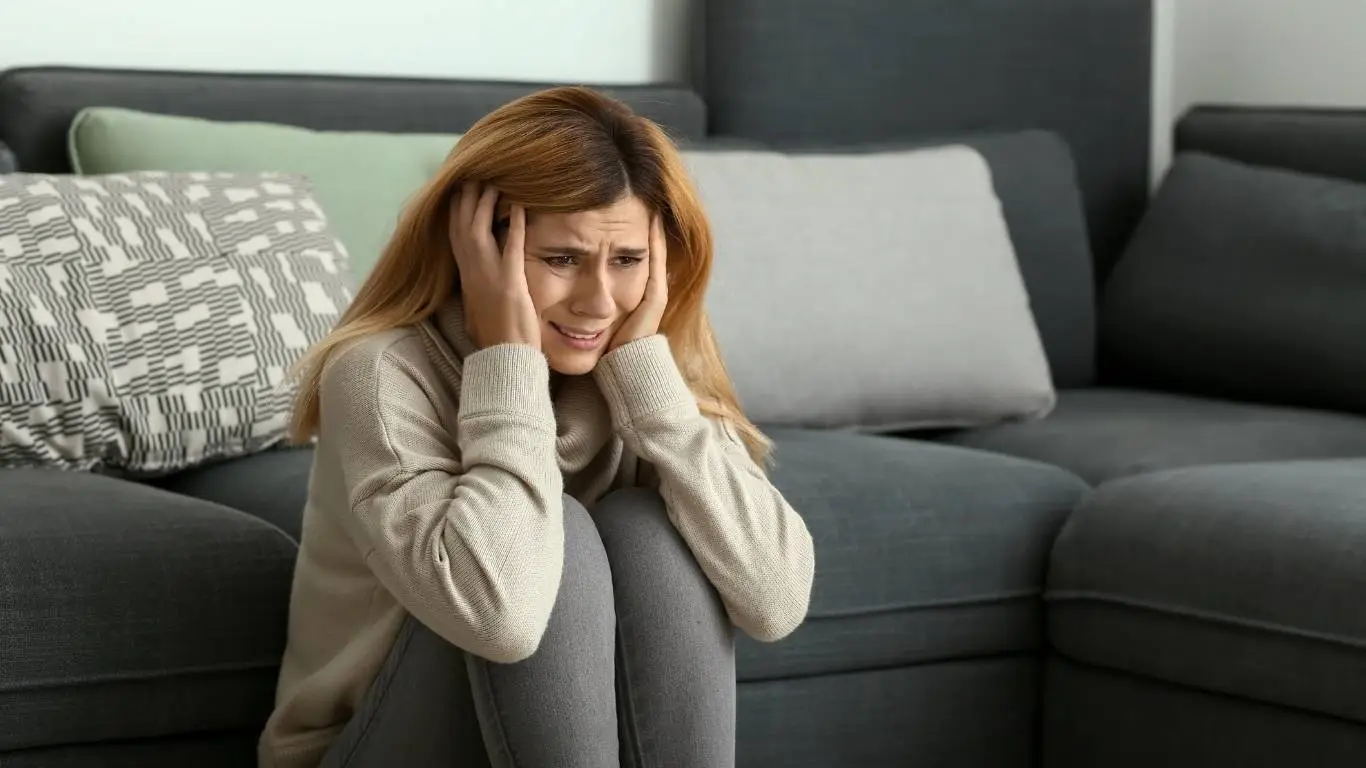
Sweating is your body’s way of trying to cool down—but during moments of anxiety, the body isn’t just cooling off. It’s reacting to what it perceives as a threat. Fight-or-flight mode kicks in, and your sweat glands start firing like they’re on high alert. This isn’t a malfunction; it’s biology doing what it was built to do—just at the wrong time.
The main culprits? Your eccrine and apocrine sweat glands. While eccrine glands manage temperature and are all over your body, apocrine glands are concentrated in stress zones—like underarms and groin. And these glands don’t just produce sweat; they create that unpleasant smell we try so hard to mask. Anxiety flips both switches.
When It Happens at the Worst Possible Time

I’ll never forget the time I had to give a 10-minute presentation at work. Five minutes in, I was drenched. The anxiety wasn’t even about the content—it was the fear that people would notice the sweat. And that fear? It only made me sweat more. This cycle is painfully common.
In fact, research from NCBI confirms the brain-skin connection is real and complex. When you’re nervous, cortisol and adrenaline surge. That physiological cocktail speeds up your heart rate, narrows your blood vessels, and yes—activates your sweat glands like crazy.
Situations Where It Hits Hard
- Public speaking or performance events
- Job interviews or evaluations
- First dates or social gatherings
- Conflicts or confrontations
- Even seemingly minor things, like being late or walking into a crowded room
It’s no wonder social anxiety is a silent driver behind much of this. When you’re constantly bracing for judgment or embarrassment, your nervous system doesn’t get much rest.
The Difference Between Normal Sweating and Anxiety Sweating

One of the most frustrating parts of this experience is trying to explain it to people who don’t deal with it. Regular sweat from heat or exercise feels different. It’s manageable, expected. Anxiety sweat? It often comes without warning, feels clammy, and doesn’t stop—no matter how cool the room is.
Key differences you might recognize:
- Timing: Anxiety sweat tends to show up right before or during stressful situations—not just physical exertion.
- Location: It’s commonly in the palms, feet, face, and underarms.
- Smell: Because of apocrine glands, it often smells stronger than regular sweat.
- Cycle: The fear of sweating makes you sweat more—something I know far too well.
One article that really hit home for me was this one on why sweating during anxiety attacks feels overwhelming. It perfectly described that inner panic—like your body is betraying you just when you need it to hold it together.
How It Can Quietly Control Your Life

Before I realized what was going on, I was avoiding so many things: meetings, networking events, even dinners with friends. The fear wasn’t about failing—it was about people noticing me sweat. I’d plan outfits around it, carry towels, sometimes even pretend to be sick to avoid going out. It became exhausting.
If any of that sounds familiar, you’re not overreacting. Excessive sweating can be a direct symptom of a deeper anxiety issue. That’s why it’s so important to recognize the signs and seek proper understanding—not just antiperspirants. The anxiety-sweat connection often stems from underlying anxiety symptoms you should never ignore.
And it’s more than just sweat…
For me, it started with sweating. But soon came shortness of breath, chest tension, and this racing mind I couldn’t shut off. That rabbit hole led me to discover that anxiety disorders often show up as physical symptoms before we even realize we’re anxious.
What You Can Start Doing Differently

I didn’t want a life where I avoided living just to avoid sweating. So, I started experimenting—with therapies, nutrition tweaks, and even simple breathing exercises. A few things made a noticeable difference:
- CBT (Cognitive Behavioral Therapy): Helped break the pattern of fearing the sweat before it even happened.
- Magnesium-rich foods: Believe it or not, certain foods really did help me feel calmer.
- Cutting caffeine: I love coffee, but for me, it was fueling my sweat-inducing anxiety spiral. That was a hard one.
- Mindful body-awareness techniques: From meditation to progressive muscle relaxation, training the body to respond calmly helped slow the sweat cascade.
And when you’re dealing with this day after day, don’t underestimate the value of reading up on the full picture. This main anxiety pillar article gave me a lot of clarity on how anxiety quietly shapes so much of what we do. For a focused breakdown on physical symptoms and triggers, the anxiety symptoms guide is also a great resource.
Why Traditional Treatments Don’t Always Cut It
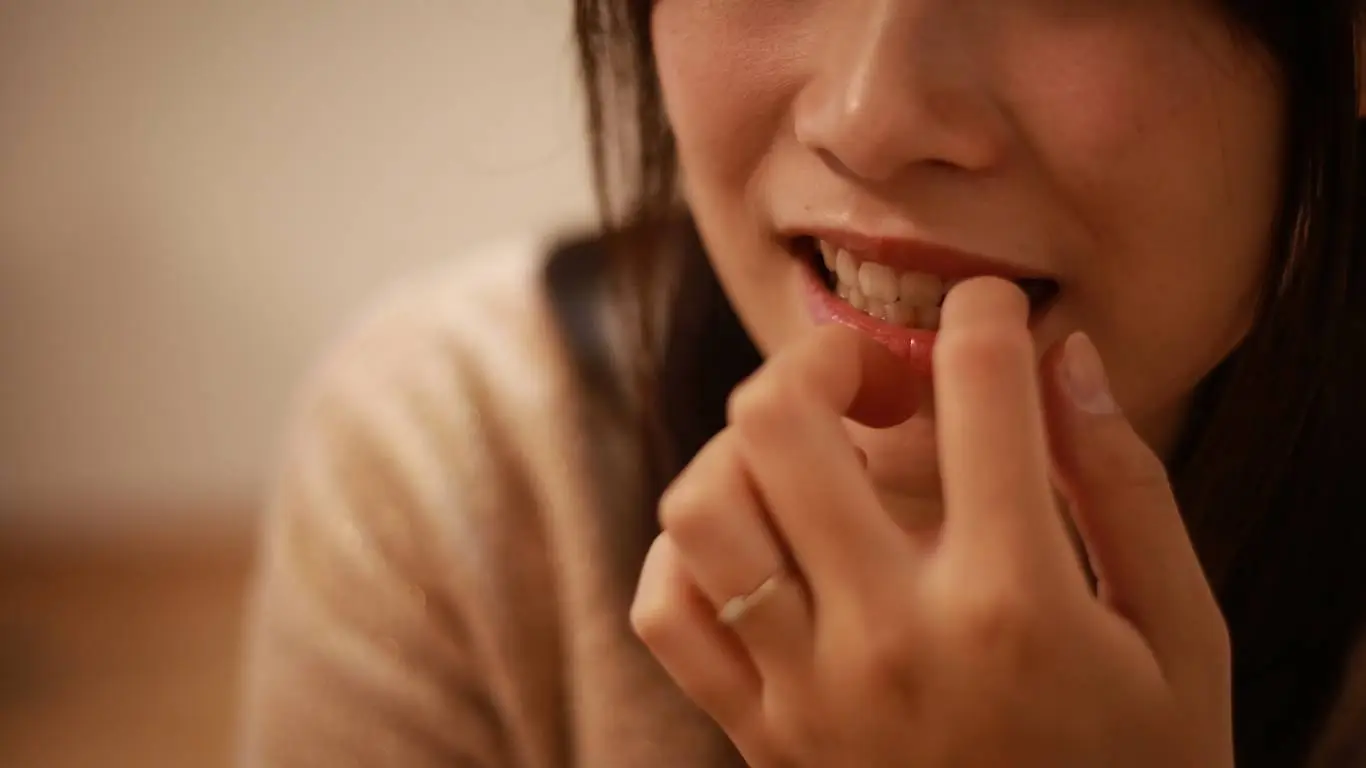
One of my biggest frustrations early on was being told, “Just use a stronger deodorant” or worse, “It’s all in your head.” Even doctors sometimes brushed it off—until I found one who really listened. They explained that while clinical treatments like SSRIs can help regulate the overall anxiety response, they don’t always resolve the physical symptoms like excessive sweating right away.
Medications such as SSRIs or even beta-blockers are often prescribed to address social performance anxiety and related physical symptoms, including hyperhidrosis. But again—results vary. For me, it took adjusting dosage, timing, and combining it with therapy before I noticed a real shift.
Other Possible Clinical Interventions
- Topical anticholinergics: Prescription-strength creams or wipes that block nerve signals to sweat glands.
- Iontophoresis: A non-invasive procedure using low electrical currents—especially helpful for sweaty palms or feet.
- Botox injections: Sounds wild, but yes—it’s FDA-approved for treating chronic sweating by temporarily blocking sweat gland activity.
It’s important to talk with a licensed professional—preferably one who understands anxiety disorder assessment tools. Because when the diagnosis is wrong or missed, the treatment almost always underdelivers.
Lifestyle Habits That Quietly Work (Even When Nothing Else Does)

What finally made a big difference in my own journey was tweaking what I did outside the clinic. Not just medications or therapy—daily habits. That’s where things started to click. Because anxiety doesn’t just “happen.” It builds. And your body shows you signs way before your mind catches up.
Here’s what worked consistently for me over time:
- Daily movement: Not necessarily intense exercise. A 30-minute walk, yoga, or light stretching can help release tension and reduce overall stress levels.
- Hydration: Dehydration can actually worsen sweating. Water regulates body temp and can dampen overreactive sweat glands.
- Magnesium & B vitamins: I started supplementing based on deficiency tests and felt calmer within a few weeks.
- Mindful rituals: I resisted this one at first, but bedtime wind-down routines were a game changer.
Small adjustments in diet, screen time, and even how I approached mornings (hint: stop checking emails from bed!) helped me calm my nervous system before it spiraled.
Psychotherapy Approaches That Don’t Feel Like Therapy

There’s something powerful about naming what you’re going through with someone trained to see it from the outside. My turning point came during a session of CBT, where I finally said out loud, “I’m terrified of people seeing me sweat.” And it didn’t sound ridiculous. It sounded real—because it is.
Modern therapy doesn’t mean lying on a couch dissecting childhood dreams. Some of the best breakthroughs came through more hands-on approaches like:
- CBT: Helped me untangle fear-of-sweat loops.
- EMDR: Gave surprising relief by reframing sweaty situations I couldn’t move past.
- ACT Therapy: Taught me to stop running from symptoms and start working with them.
Every person responds differently. But if you feel your sweat triggers are linked to deep-seated social or performance fears, these tools offer more than just temporary relief—they offer real psychological restructuring.
When the Root Is Lifestyle, Not Just Anxiety

Let’s be honest—anxiety doesn’t exist in a vacuum. Our diet, habits, relationships, and even social media use play into it. At one point, I was drinking three cups of coffee, skipping lunch, doom-scrolling Twitter, and wondering why my palms were soaked all day.
That’s when I discovered how holistic lifestyle shifts could change the game. If your nervous system is constantly stimulated, your sweat response will be too. This piece on lifestyle and self-help for anxiety disorders gave me a full framework to work with. No fluff—just practical, doable steps.
Combine that with this eye-opening read on how anxiety controls your life, and suddenly things start clicking. It’s not about fixing one symptom. It’s about shifting the environment your mind lives in every day.
Don’t Let Sweat Dictate Your Life
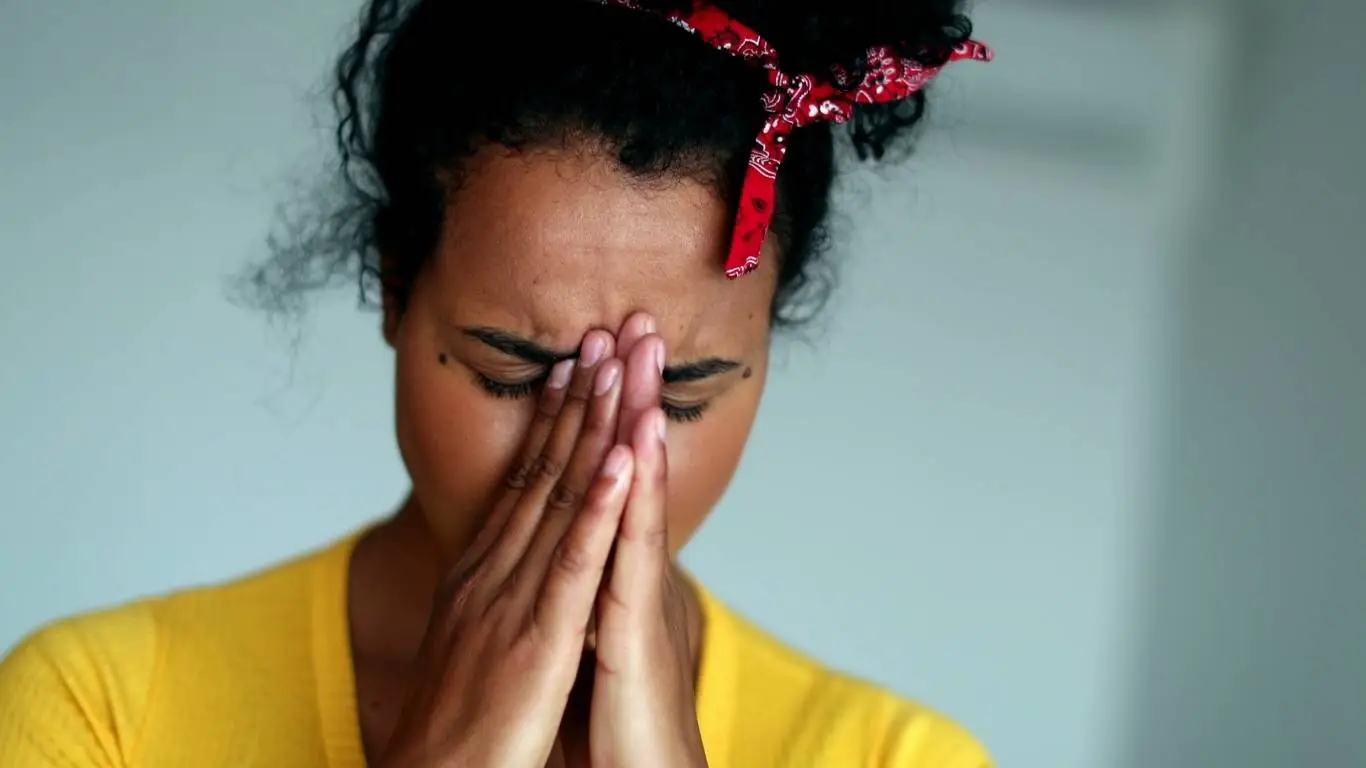
If you’ve made it this far, you already know this isn’t “just sweat.” It’s a real, complex, anxiety-rooted issue that deserves serious attention. You’re not overreacting, and you’re definitely not alone.
Take it from someone who used to carry backup shirts to weddings—there’s a way forward. Whether that’s through clinical help, diet shifts, therapy, or simply giving yourself a break from trying to hide it all the time.
If anxiety is showing up on your skin, it’s probably showing up in other ways too. The good news? There are so many tools out there—proven, practical, and increasingly personalized. The key is to start. Just one small thing. You deserve to feel calm in your own body.

Camellia Wulansari is a dedicated Medical Assistant at a local clinic and a passionate health writer at Healthusias.com. With years of hands-on experience in patient care and a deep interest in preventive medicine, she bridges the gap between clinical knowledge and accessible health information. Camellia specializes in writing about digestive health, chronic conditions like GERD and hypertension, respiratory issues, and autoimmune diseases, aiming to empower readers with practical, easy-to-understand insights. When she’s not assisting patients or writing, you’ll find her enjoying quiet mornings with coffee and a medical journal in hand—or jamming to her favorite metal band, Lamb of God.