When Floaters with Blurred Color Vision Signal Eye Trouble
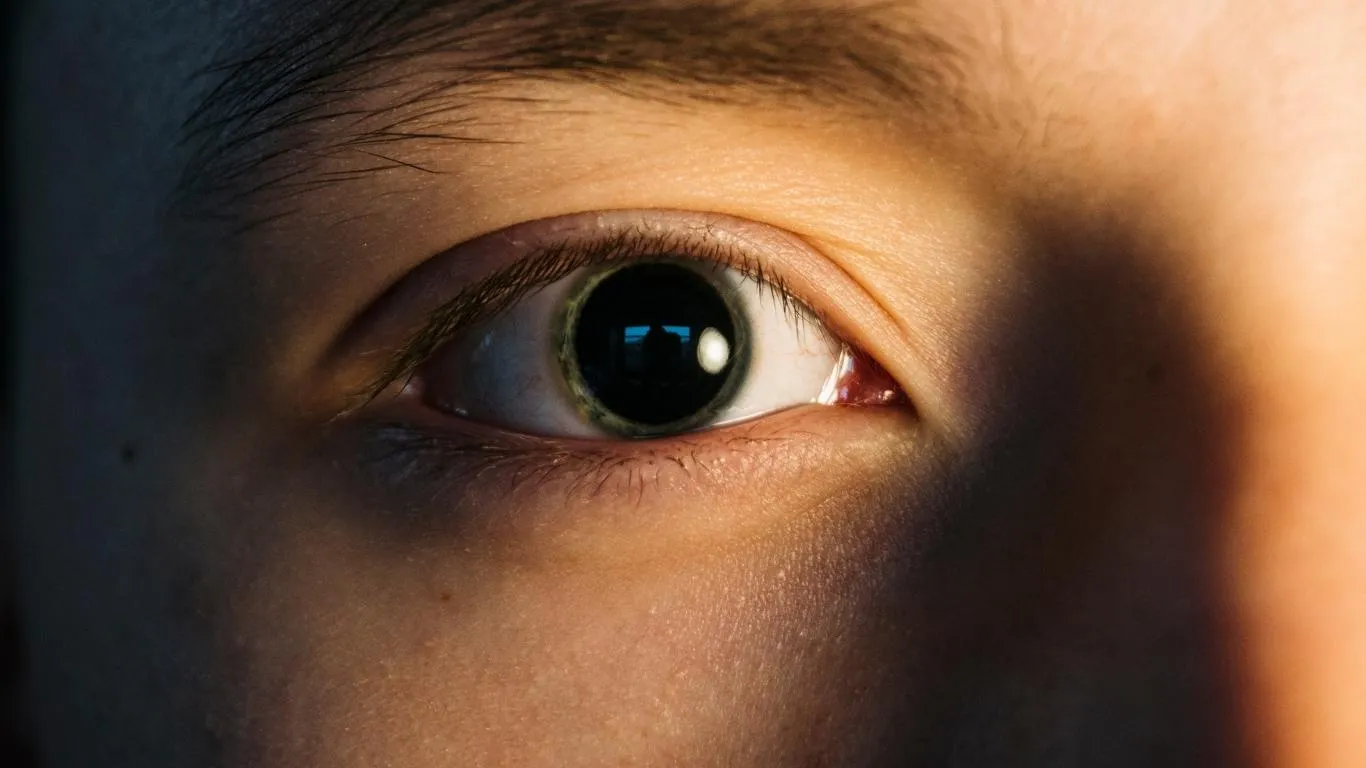
Ever had one of those moments where you’re staring at a white wall or the sky and notice those squiggly floaty things in your vision — and, oddly, the colors around seem a little off or even duller than usual? Yeah, same here. For me, it first happened during a morning jog, sun shining, felt great — then bam, floaters and this weird faded tint in my right eye. I brushed it off, but that combo? Definitely not something to ignore.
Why Floaters with Blurred Color Vision Matter
Most of us know floaters as those ghost-like threads or specks that drift across our vision. They’re usually harmless, just bits of collagen floating in the vitreous gel of the eye. But when floaters are accompanied by blurred or altered color perception? That can hint at something a little more serious.
While floaters on their own are common — especially as we age — when they team up with color distortion, it might point to a more complex issue, possibly involving the retina, optic nerve, or even systemic health conditions. That’s where it gets interesting — and a bit worrisome.
What Causes This Unusual Duo?
1. Retinal Disorders
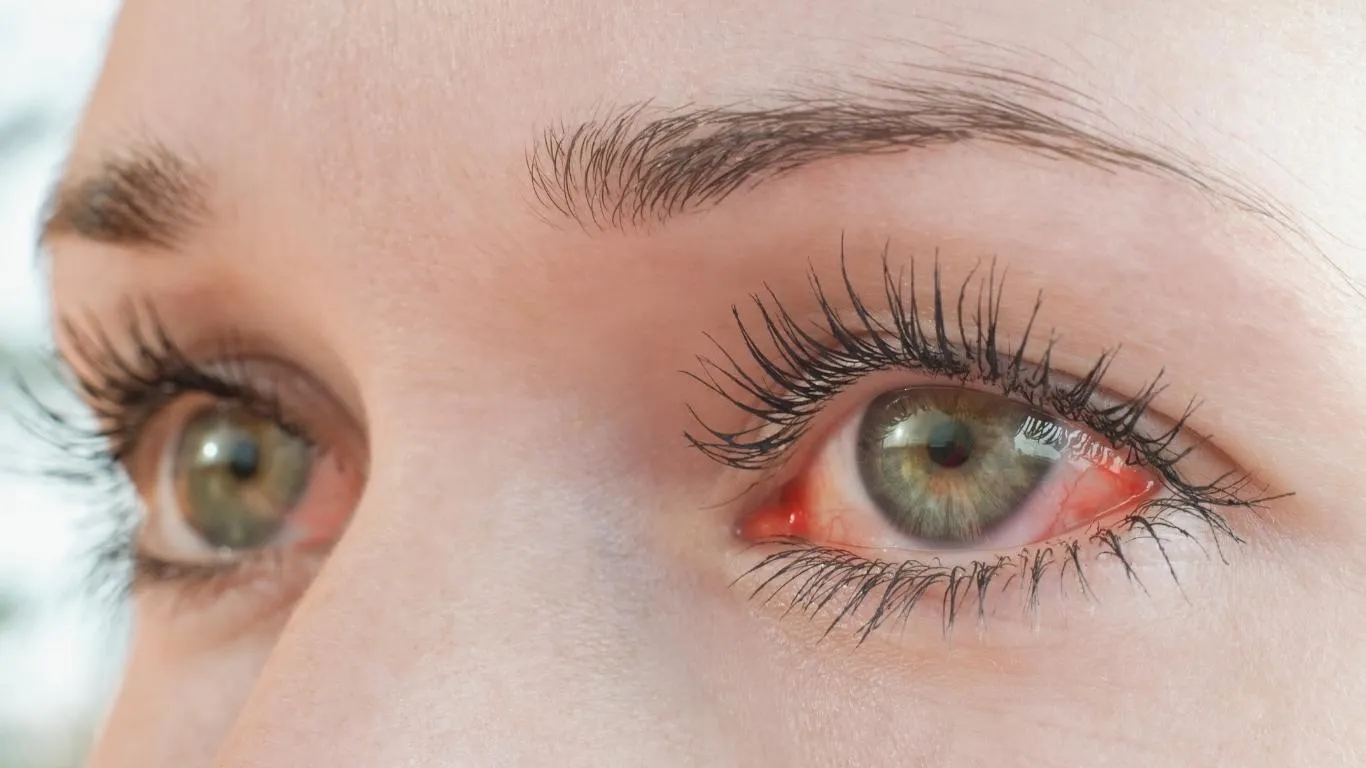
This is one of the big ones. Your retina plays a major role in color processing. If it’s compromised, you might experience floaters with some form of color vision disruption.
- Retinal detachment – urgent, can include flashes, shadows, and color fading.
- Retinal vein occlusion – when veins get blocked, you can get floaters, blurry vision, and color perception issues. More on that here.
2. Optic Neuritis
When the optic nerve becomes inflamed, it distorts how signals are sent to the brain — which means blurred vision, altered colors (like reds looking washed out), and yes, floaters. It’s often linked to autoimmune issues and sometimes multiple sclerosis. This article goes deeper into MS-related floaters.
3. Ocular Migraines
Been there — and it’s bizarre. You might get floaters, blurry color patches, or even zigzag patterns. It usually passes, but recurring episodes? That’s worth checking out. Explore more on migraines and visual issues here.
4. Posterior Vitreous Detachment (PVD)
This is one of the more benign causes — but if you’re suddenly seeing floaters and colors seem off, your vitreous may be tugging on the retina. Read up on the signs here.
5. Systemic Health Conditions
Diabetes, hypertension, or autoimmune diseases can mess with ocular blood flow or nerve health. That means possible floaters plus impaired color vision.
Real Talk: What It Felt Like for Me
That one jog I mentioned? Everything had this strange washed-out look. The reds in a passing billboard looked grayish, and the blue sky felt… dull. Floaters darted around every time I blinked. Thought maybe it was dehydration or lack of sleep. Turns out I had a minor vitreous pull — caught it early thanks to that color distortion clue.
When to Get It Checked — No Delays
If you ever notice:
- Sudden increase in floaters
- Colors looking faded or strange in one eye
- Flashes of light or peripheral vision loss
…make that appointment. Seriously. These can all point to retinal tears, inflammation, or optic nerve issues — all things you want to catch early.
Even physical activity or weirdly enough, dental work can kickstart floaters, especially if there’s preexisting stress in the eye structure.
Let’s Talk Lighting and Color
Floaters are sneaky — they love high contrast. Ever noticed they’re more visible in bright rooms or on white backgrounds? And if your color vision feels off, harsh lighting can exaggerate the effect. Here’s why bright light brings them out.
Some people — myself included — switch to warm-toned lights or blue-light filtering glasses when working late. Doesn’t fix the root problem, but it helps reduce how intense those floaters and weird colors feel.
What You Can Do Right Now
- Hydrate – especially if floaters spike during workouts or hot weather.
- Eye-friendly diet – lutein, omega-3s, vitamin C. Read this: foods that boost vision.
- Regular checkups – don’t rely on Google (or even me) alone. An ophthalmologist will do a proper scan.
- Track patterns – when do floaters + color issues hit hardest? After screens? Mornings? After stress?
For a deeper dive on how eye floaters form, how they affect vision, and when to take action, check out this detailed guide and the common causes pillar article.
Also worth a look — reputable sources like American Academy of Ophthalmology or PubMed can back up your research if you’re hungry for medical deep-dives.
So What Can You *Actually* Do About It?
Alright, let’s say you’ve ruled out the big scary stuff. No retinal detachment, no optic nerve disease — just persistent floaters and occasional color weirdness. You’re not imagining things, and no, it’s not “just aging” (although, yeah, that can play a part).
The good news? There’s a growing toolbox of approaches that don’t involve lasers, needles, or crossing your fingers and hoping the floaters magically fade.
1. Monitor, Don’t Panic
Sometimes, floaters and color vision changes just need observation. The key is tracking how often it happens, whether it worsens, and if it’s linked to lighting or stress. Tools like mobile vision logs or even just voice notes can be super helpful. You’d be surprised what patterns pop up.
If you’re like me and hate overreacting, but also hate uncertainty — this simple tracking method can save your sanity.
2. Target the Inflammation
Low-grade inflammation in the eyes or optic nerve can distort vision subtly — colors may look “muddy,” whites might have a yellowish tinge. Some floaters originate from inflamed vitreous gel too.
- Omega-3 supplements — I started with evidence-backed EPA/DHA formulas.
- Hydration — It sounds basic, but try tracking water intake on floaters-heavy days.
- Chronic inflammation and floaters
3. Check for Hidden Nutrient Deficiencies
I didn’t realize how much my diet affected my vision until I got serious about nutrition. Turns out, things like magnesium, vitamin C, and lutein are critical for vitreous health and color sensitivity.
When I added a magnesium-rich smoothie in the morning, my color perception improved within weeks. Coincidence? Maybe. But I’m not stopping.
Tech and Tools That Actually Help
We’re in the age of screens, right? So naturally, screens are part of the problem — but also part of the solution if you tweak your setup right.
- Blue light filters – I switched to a warm-tone filter and noticed floaters were less distracting.
- Computer glasses – Slight tinting can improve contrast and reduce eye strain.
- How glasses change your floater experience
If you’re still dealing with color blur under office lights or after long screen sessions, switching to indirect lighting and matte backgrounds can help too. Not perfect, but a solid improvement.
When Medical Treatment Becomes Necessary
Some people just can’t live with it. If floaters are large, persistent, or paired with consistent color perception loss, you’ve got options — and no, they don’t all involve surgery (though that exists).
Laser Vitreolysis
A fancy word for using lasers to vaporize floaters. It works for some, especially if the floaters are in a central location. You’ll need a consultation to see if you’re a fit. Here’s how it compares to other methods.
Vitrectomy
This is more invasive — they literally remove the vitreous gel and replace it. It comes with risks, but for severe cases, especially when color distortion is affecting quality of life, it can be a last resort. Be sure to rule out retinal concerns first: retinal risks to look out for.
Don’t Sleep on Sleep
This one’s personal. My floaters always seem worse after a few bad nights — especially the ones tied to screen time or stress. Apparently, sleep impacts ocular fluid balance, which can influence both floaters and how the retina processes light.
If you’re seeing a spike after all-nighters or doom-scrolling till 2 AM, this might help: sleep strategies tailored for floater sufferers.
The Psychology of Seeing “Wrong” Colors
This isn’t talked about enough, but when your world literally looks different — colors shift, things feel “off” — it messes with your head. I felt a weird disconnect, like I wasn’t seeing reality correctly.
Turns out, I wasn’t alone. Eye distortion can impact mental health, especially if it’s unpredictable. Floaters, especially when tied to color changes, might not be dangerous — but they feel serious. That stress alone can spiral. More on that right here.
Everyday Habits That Actually Make a Difference
- Eye yoga – sounds weird, works for many. These eye exercises helped reduce my floater awareness over time.
- Cut the caffeine – seriously, mine got worse with high caffeine days. Why caffeine matters.
- Herbs and supplements – some people swear by them. I’m still experimenting. Some worth trying.
Start Here, Then Go Deeper
If you’re new to all this, or even if you’ve been dealing with it for years, it’s worth understanding how floaters form and evolve. Start with this complete breakdown, and if you’re worried it could be something more serious, check out these warning signs.
And hey — don’t ignore your gut. If something feels off with your vision, even if it seems minor, check in with a pro. Your eyes will thank you later.

Camellia Wulansari is a dedicated Medical Assistant at a local clinic and a passionate health writer at Healthusias.com. With years of hands-on experience in patient care and a deep interest in preventive medicine, she bridges the gap between clinical knowledge and accessible health information. Camellia specializes in writing about digestive health, chronic conditions like GERD and hypertension, respiratory issues, and autoimmune diseases, aiming to empower readers with practical, easy-to-understand insights. When she’s not assisting patients or writing, you’ll find her enjoying quiet mornings with coffee and a medical journal in hand—or jamming to her favorite metal band, Lamb of God.