
Why Acupuncture Is a Game Changer for Chronic Back Pain Relief
Let me be real with you — I used to think acupuncture was just some woo-woo trend, right up there with crystal healing and sound baths. But after dealing with stubborn lower back pain that refused to budge no matter how many stretches, heating pads, or deep tissue massages I threw at it, I was desperate. So yeah, I gave those tiny needles a shot. What happened next changed how I view pain management altogether.
What Makes Acupuncture Stand Out in the World of Back Pain Relief?
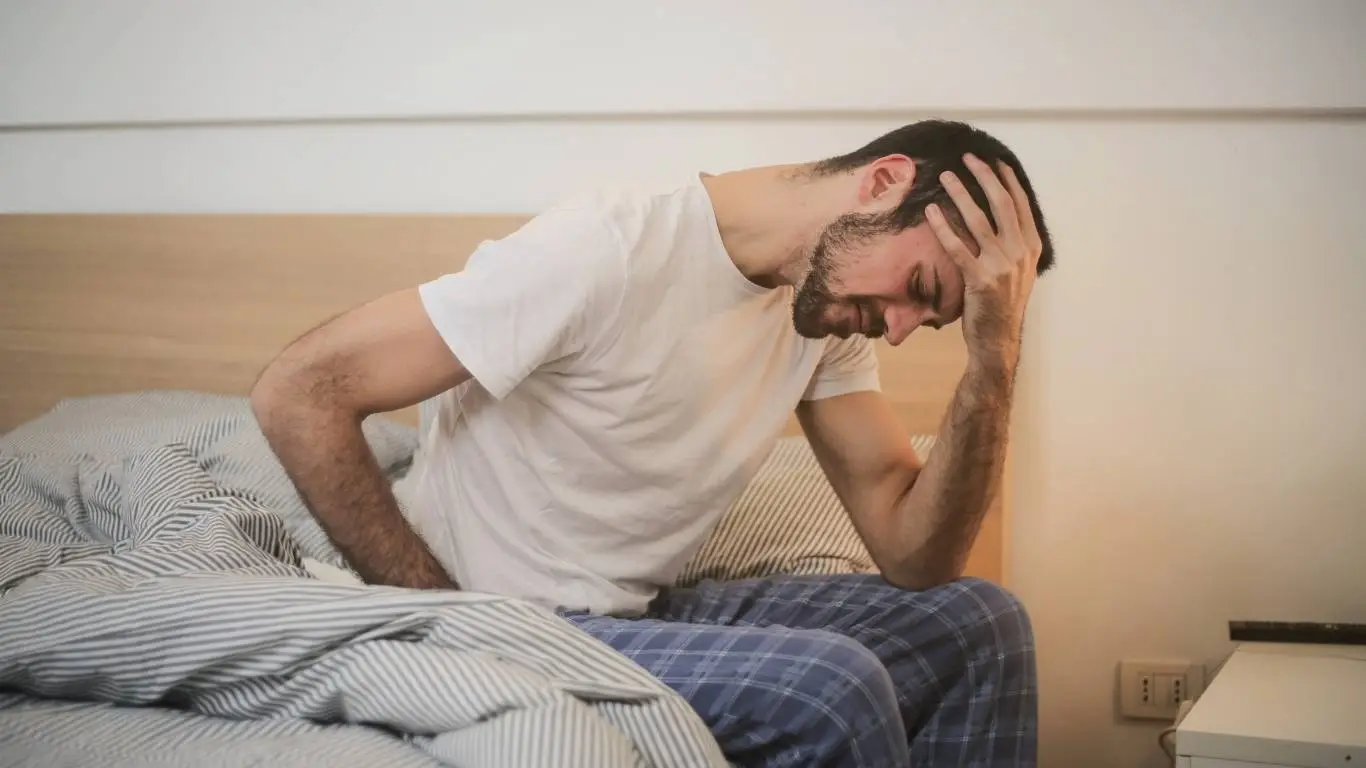
Back pain is one of those conditions that wears you down — physically, mentally, emotionally. It creeps into your work life, steals your sleep, and messes with your mood. Unlike painkillers that only mask symptoms, acupuncture works in a completely different way by triggering the body’s own healing process.
Acupuncture involves the insertion of ultra-fine needles at specific points on the body. These points correspond with nerve pathways and energy flows (aka “meridians”). While that may sound mystical, there’s a growing pile of clinical evidence backing it up. According to National Institutes of Health, acupuncture activates the central nervous system, which results in the release of endorphins — your body’s natural painkillers.
Does It Really Work, Though?
I won’t sugarcoat it — not everyone responds the same way. But when it works, it works.
- Some patients feel immediate relief after just one session
- Others notice steady improvements over 4-6 treatments
- Clinical studies show significant benefits in chronic lower back pain over standard care alone
One Cochrane review even found that acupuncture was more effective than no treatment and more effective than sham (placebo) acupuncture in reducing chronic back pain intensity.
Different Types of Back Pain Respond Differently

Let’s not pretend back pain is one-size-fits-all. There’s lower, middle, and upper back pain. Each type has its quirks — and acupuncture doesn’t treat them all the same way. In my case, it was lower back pain from sitting for long hours and poor posture. Others might deal with:
Each condition requires precise needle placement and technique — something only a licensed acupuncturist trained in musculoskeletal issues will nail down.
Why Acupuncture Isn’t Just a Placebo

I’ll admit — I was skeptical at first. But the science is hard to ignore. Acupuncture helps regulate inflammation, improve circulation, and relax tight muscles by:
- Stimulating A-delta and C nerve fibers, which release endogenous opioids
- Modulating pain signals at the spinal cord and brainstem levels
- Improving blood flow to affected areas, speeding up healing
It’s also worth noting that acupuncture has minimal side effects, especially when compared to long-term NSAID or opioid use. This makes it an excellent choice for those who are looking to avoid medications or who have hit a plateau with conventional treatments.
Backed by Guidelines Too
Acupuncture is no longer just an “alternative” or fringe therapy. Guidelines from CDC and the National Center for Complementary and Integrative Health include acupuncture as a recommended therapy for chronic lower back pain. That’s right — it’s on par with physical therapy in many treatment plans.
When Acupuncture Might Not Be Right for You

Okay, let’s be fair here. Acupuncture isn’t a silver bullet. If your back pain is due to something like:
…you’ll need a more comprehensive medical workup before diving into needles. Always consult a specialist before starting any new therapy — even something as low-risk as acupuncture.
Combining Acupuncture With Other Back Pain Treatments

Honestly, the magic often happens when acupuncture is part of a combo treatment plan. I paired mine with some solid posture training and stretches I learned here, and it was like unlocking the missing puzzle piece. Acupuncture doesn’t replace everything — but it amplifies everything.
Try blending acupuncture with:
- Strength-building exercises (yes, you can lift)
- Yoga or Pilates focused on core control
- Proper workstation ergonomics
- Diet and lifestyle tweaks that reduce systemic inflammation
Want the whole ecosystem approach? Check out the full section on lifestyle and natural remedies for back pain. It’s packed with small wins that add up big.
If you’re looking to dive even deeper into how acupuncture and integrative therapies stack up against traditional medicine, start here: Back Pain Main Pillar. And if you want to explore conservative treatment methods from physical therapy to injections, don’t miss this detailed breakdown: Conservative Treatments for Back Pain.
What to Expect During an Acupuncture Session for Back Pain
Walking into my first acupuncture session, I didn’t know what to expect. A sterile hospital vibe? A spa? Turns out, it’s somewhere in between. The room was calm, a little scented, dimly lit. The acupuncturist started with a short conversation about my back pain history, daily habits, and even emotional stress. Then came the needles — and no, they didn’t hurt.
- You lie face down or up depending on the pain location.
- Needles (super thin, I barely felt them) are gently tapped into place.
- You chill for 20–40 minutes — usually under a heat lamp or with soft music in the background.
During that first session, I felt a weird mix of tingling and calm — almost like my back was getting a full reset. Some people feel sleepy, others energized. Either way, it’s a unique kind of reset your nervous system appreciates.
How Many Acupuncture Sessions Are Needed for Back Pain?

That’s the million-dollar question. And honestly, it varies. Some people feel noticeably better after one session. I personally felt a 30–40% reduction in pain by the third session. But here’s what’s typical:
- Acute back pain: 1–2 sessions per week for 2–3 weeks
- Chronic or stubborn pain: 6–12 sessions spread over a few months
- Maintenance care: 1 session every month or two
The key is consistency. One-off treatments might bring some relief, but acupuncture shines in a cumulative care model. It’s kind of like physical therapy — you don’t stop after one workout and expect lifelong results.
Who Should You Trust With Your Back?

This part matters a lot more than most people realize. A licensed, experienced acupuncturist will not only insert the needles but also analyze your back pain patterns, body posture, muscle tension, and general lifestyle to customize the session. Look for someone who is:
- Licensed and certified in acupuncture (L.Ac or equivalent)
- Experienced with musculoskeletal or orthopedic acupuncture
- Willing to collaborate with your physician or physical therapist
If you’re navigating complex conditions like arthritis-related back pain or fibromyalgia, having a team approach works wonders.
Side Effects and Safety: What You Need to Know

Let’s get this straight: acupuncture is one of the safest treatments out there — when done by the right person. Still, it’s good to know what you might experience:
- Slight bruising or tenderness at the needle site (rare)
- Fatigue or emotional release after a session (actually a good sign)
- Temporary soreness, especially if deep muscle areas were targeted
Most people walk away feeling lighter, more mobile, and a bit more in tune with their body. Just make sure your practitioner uses sterile, single-use needles and operates in a clean clinical environment.
Acupuncture vs. Other Back Pain Therapies

Acupuncture isn’t meant to compete with your chiropractor, massage therapist, or orthopedic doctor. It complements them. And sometimes, it fills in the gaps where other treatments fall short.
Let’s break it down:
- Physical therapy: Great for strengthening and alignment, but not always enough for nerve-related pain
- Massage: Wonderful for tension release, but the effects can be short-lived
- Medications: Necessary for flare-ups, but not ideal long-term
- Acupuncture: Targets pain modulation, inflammation, energy balance, and tissue healing all at once
If you’ve hit a wall with traditional care — or just want to try a treatment that doesn’t involve pills — this could be your missing piece.
Combining Acupuncture with At-Home Habits

Your session shouldn’t end at the clinic door. The benefits of acupuncture stick around longer when paired with mindful movement and self-care routines at home.
Try adding in:
- Gentle yoga like these pain-relief poses
- Core-focused Pilates routines to support spinal alignment
- Mindfulness or breathwork to help manage chronic tension
- Anti-inflammatory meals to support healing — skip the junk, feed your joints
Think of acupuncture as the spark — but your daily habits are the fuel. Keep that momentum going between sessions and the results multiply.
When Acupuncture Opens the Door to Deeper Healing
For me, acupuncture didn’t just relieve the ache in my lower back. It started a whole new chapter in how I view health — one that’s more connected, less reactive. That first needle might’ve been a tiny prick, but it opened up a huge shift in how I relate to pain, posture, and prevention.
If your back pain isn’t getting better with the usual methods, or you’re just tired of treating the symptom instead of the root, give acupuncture a real shot. Don’t expect magic overnight. But if you stick with it, those needles might just give you your life back.
Want to keep exploring how your body and back pain respond to integrative care methods? This deep dive into exercise, rehab, and ergonomics for back pain is a solid next step. And to stay grounded in the full picture of back health, don’t miss our complete Back Pain Hub for everything from prevention to recovery.

Camellia Wulansari is a dedicated Medical Assistant at a local clinic and a passionate health writer at Healthusias.com. With years of hands-on experience in patient care and a deep interest in preventive medicine, she bridges the gap between clinical knowledge and accessible health information. Camellia specializes in writing about digestive health, chronic conditions like GERD and hypertension, respiratory issues, and autoimmune diseases, aiming to empower readers with practical, easy-to-understand insights. When she’s not assisting patients or writing, you’ll find her enjoying quiet mornings with coffee and a medical journal in hand—or jamming to her favorite metal band, Lamb of God.