Why Ankylosing Spondylitis Back Pain Feels Worse in the Morning
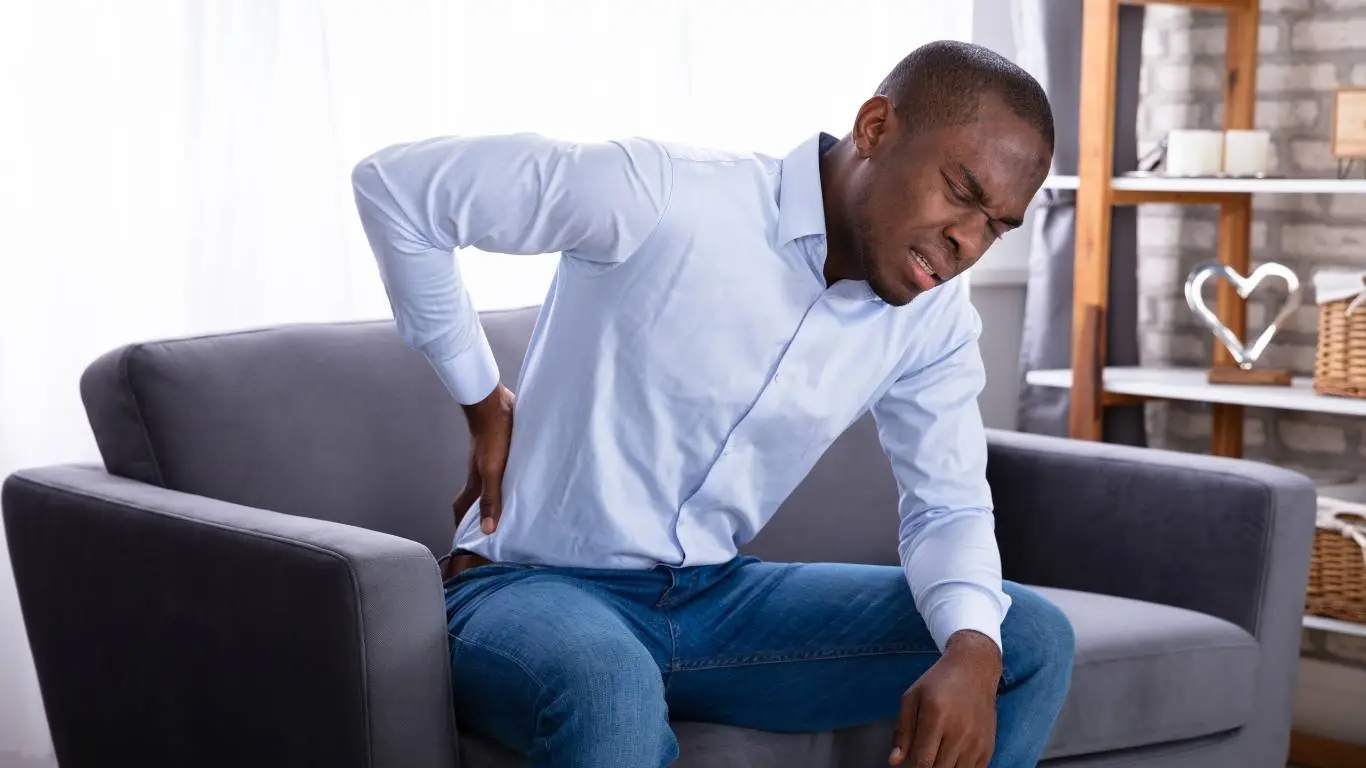
It started with a nagging ache in my lower back every morning. I’d brush it off thinking it was just bad posture or a rough night’s sleep. But as the months passed, the stiffness settled in like an unwelcome morning ritual. It wasn’t until I found myself walking like a rusted hinge that I realized—this wasn’t normal. Turns out, it was something called ankylosing spondylitis. A mouthful, right? But for many of us, it’s more than just a term—it’s a daily reality. Let’s get into what this really means for your back and your life.
What Is Ankylosing Spondylitis?

Think of ankylosing spondylitis (AS) as your immune system turning on your spine, mainly the sacroiliac joints where the spine meets the pelvis. Over time, this leads to chronic inflammation, pain, and even fusion of vertebrae—yes, actual fusing of your spine bones. It’s an autoimmune condition, which means your body is misfiring big time.
The pain isn’t just limited to your lower back. It can creep up your spine, into your shoulders, and even affect your eyes, ribs, and hips. What’s wild is how easy it is to dismiss early symptoms as just regular back pain—until it isn’t.
Spotting the Early Signs

It’s Not Just a Stiff Back
If you wake up stiff but get better as the day goes on, that’s one red flag. Morning stiffness lasting over 30 minutes is common, and the pain usually eases with activity—the opposite of what you’d expect with regular muscle strain.
Pain in Unusual Places
Have you ever had pain in the buttocks that alternates sides? Not exactly a common complaint in casual conversation, but it’s a big clue for AS. Heel pain, especially at the Achilles tendon, and even rib cage tightness might show up too.
Fatigue Hits Different
That heavy, dragging feeling even after a full night’s sleep? It’s not laziness—it’s inflammation. And it can affect your energy more than you’d think.
Why It Gets Missed
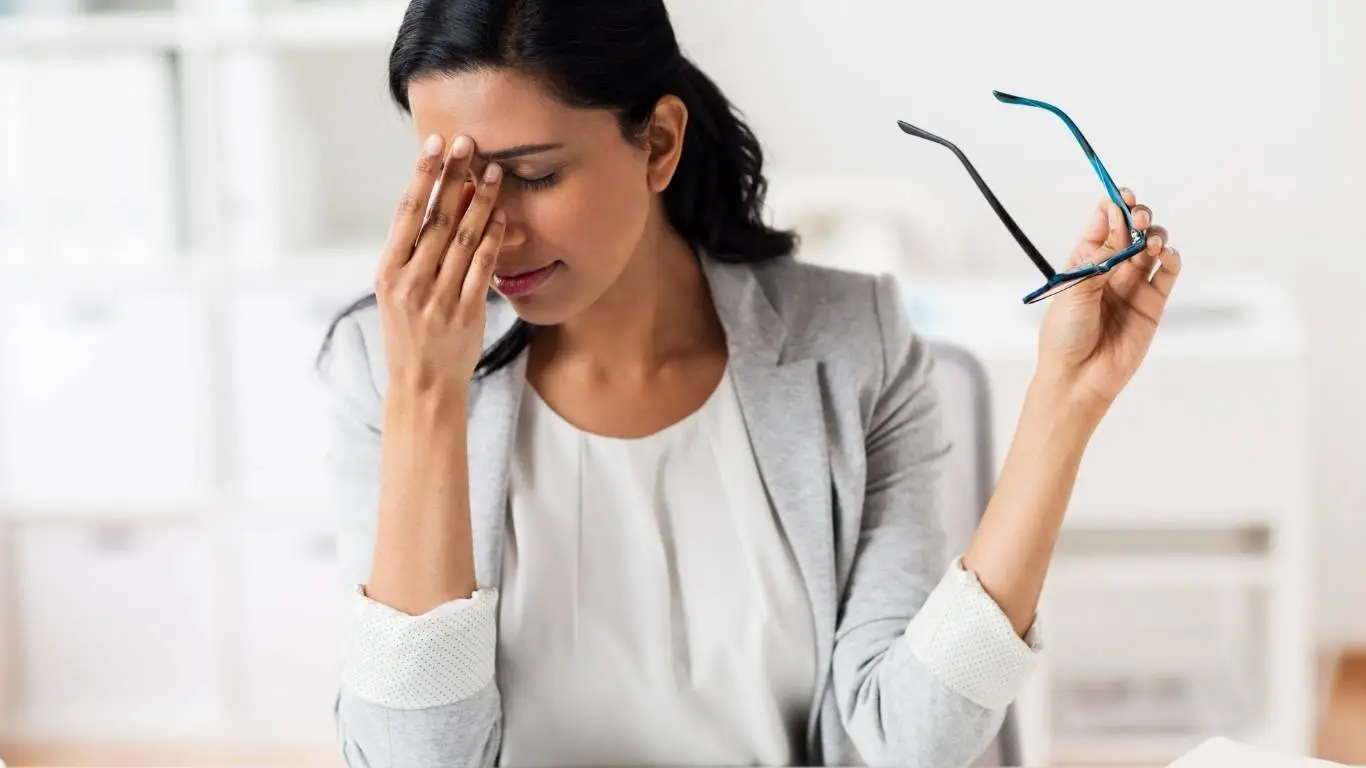
Here’s the kicker: AS often flies under the radar for years. Many general back pain diagnoses don’t account for the unique progression of this disease. That’s why a proper diagnosis is crucial early on. A rheumatologist will likely run blood tests (looking for the HLA-B27 gene) and imaging like X-rays or MRI to spot the changes in your sacroiliac joints.
Men tend to be diagnosed more often, but women are just as affected—though symptoms might be milder or look different. That delay in diagnosis? It’s not just frustrating; it could affect how much mobility you’ll retain long term.
Living with Ankylosing Spondylitis Back Pain

Movement Is Medicine
This isn’t a “rest and recover” situation. In fact, regular movement and flexibility exercises are crucial to slow progression. I personally found yoga (the stiff-person version, not the Instagram one) and swimming game-changing. You don’t have to go all in—just 10 minutes of stretching each morning can make a big difference.
Anti-Inflammatory Diet Isn’t Just a Trend
What you eat plays a role too. Foods rich in omega-3s, like salmon and flaxseed, plus lots of colorful veggies? Great for your spine and your plate. Avoiding excess sugar, alcohol, and processed foods can also help reduce flares. No, it won’t cure AS, but it might mean fewer bad days.
Posture and Ergonomics Matter
Hunching over your laptop or phone all day is asking for a flare-up. I learned this the hard way during lockdown. An ergonomic chair, a standing desk, and being mindful of posture (especially when driving or sitting for long periods) are worth every penny.
Treatment Options and Management

Treatment usually includes NSAIDs like ibuprofen to reduce pain and stiffness. For more advanced cases, biologics like TNF inhibitors (think Humira or Enbrel) have been game-changers. These target specific parts of the immune system and can really slow disease progression.
Other options may include corticosteroid injections during flares and even physical therapy tailored to AS. You can explore a full range of conservative treatment options to match your symptoms and lifestyle.
Mental Health Gets Overlooked
Let’s not sugarcoat it—living with chronic pain can take a toll on your mental well-being. Anxiety, frustration, even depression can become frequent visitors. Talking to a therapist who gets chronic illness, practicing mindfulness, or joining support communities (online or local) can really help.
- Join AS support forums for daily tips
- Use meditation apps during flares
- Speak openly with your doctor about mental health
Related Resources
If you’re just starting this journey, check out the main back pain overview for context and the types and anatomy of back pain to understand how AS fits into the bigger picture. You’ll find it easier to explain your symptoms and get the help you need.
For deeper scientific insights on AS, sites like niams.nih.gov, rheumatology.org, and ncbi.nlm.nih.gov provide peer-reviewed information and research-backed data.
Daily Life with Ankylosing Spondylitis

No two days are the same with AS. Some mornings you bounce out of bed, others you shuffle like you’re 90. Over time, I’ve learned to work with my body—not against it. This means building a flexible daily routine that respects my limits while pushing me just enough to stay mobile.
The Morning Reset
My mornings start slow, almost ritualistic. A hot shower to loosen the stiffness, followed by a short stretching routine focused on my spine and hips. Some folks swear by heat pads—I’m one of them. It makes getting dressed, tying shoes, even making coffee feel less like a chore.
Work Adjustments
If you’re working a desk job, or honestly, any job that demands prolonged sitting, it’s worth negotiating ergonomic changes. I swapped my office chair for one with lumbar support and added a sit-stand desk. The change? Massive. You can also check out our section on workplace ergonomics and travel tips tailored for back pain sufferers.
Flare-Ups: What to Expect and How to Cope
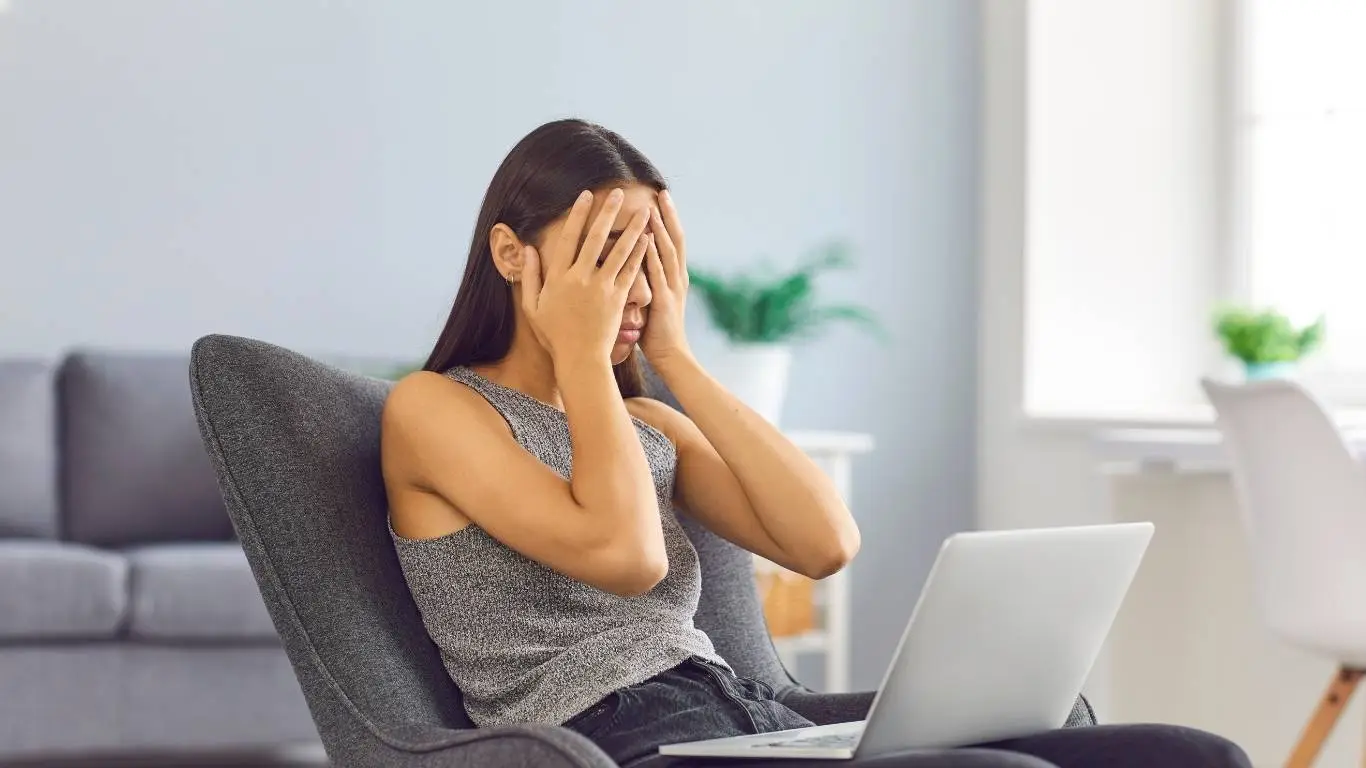
Flare-ups are the unpredictable part of the AS puzzle. You might go weeks feeling decent, then out of nowhere—bam. The pain ramps up, the stiffness doubles, and everything slows down. It’s frustrating, no doubt, but not hopeless.
How I Ride the Wave
- Hydration & Rest: I drink more water than usual and adjust my sleep schedule to give my body the downtime it’s begging for.
- Medication: Sometimes a short course of prescribed steroids helps me bounce back faster—always under my rheumatologist’s supervision.
- Letting Go of Guilt: This one took time. Cancelling plans or skipping workouts isn’t failure—it’s self-preservation.
Long-Term Outlook and Lifestyle Planning

The scariest part for many is wondering, “Will I be able to do the things I love in 10 years?” The truth is, with the right care plan and lifestyle choices, most people with AS lead full, active lives. The key? Staying consistent, staying informed, and building a team of professionals who understand your condition.
Physical Therapy as a Lifeline
I started working with a physical therapist who specializes in inflammatory arthritis. It changed everything. They helped me re-learn how to move more efficiently, strengthen my core, and avoid harmful habits that were making things worse.
Planning Travel and Activities
Yes, you can travel with AS—it just takes more prep. I bring portable lumbar support pillows, request aisle seats, and break up long drives with frequent walks. Want to see how others manage it? Read this breakdown on back pain and travel.
When Surgery Becomes an Option

Surgery isn’t the go-to for ankylosing spondylitis, but in severe cases—especially with spinal fusion or hip damage—it can offer relief. I haven’t gone down that road, but I know folks who have, and for them, it was life-changing. Learn more about minimally invasive back pain surgeries and when to consider them.
Hip Replacements Are More Common Than You’d Think
Especially in younger patients with AS, joint damage can happen earlier than expected. Hip replacements are now safer and more effective than ever before.
Building Your Personal Toolkit

Over the years, I’ve put together a little mental “AS Toolkit.” Everyone’s looks different, but here’s what’s in mine:
- A foam roller – for tight hips and back muscles after long days.
- Magnesium-rich diet – helps with muscle relaxation (think spinach, almonds, avocados).
- Heat wraps and gel packs – one for home, one for travel.
- Reliable communication with my doctor – being heard makes all the difference.
This isn’t about “pushing through the pain”—it’s about adapting, experimenting, and giving yourself some grace. Ankylosing spondylitis will always be part of your story, but it doesn’t have to control the narrative.
Learning More and Staying Informed
If you’re just beginning to understand this condition, it’s worth diving into the basics of back pain causes and classifications. You’ll also find a helpful breakdown of how chronic back pain affects your mental and emotional health—something that doesn’t get enough attention in the doctor’s office.
For more in-depth clinical resources and trusted guidance, I recommend keeping an eye on sites like uptodate.com, mayoclinic.org, and nhs.uk. They stay current with research and provide practical advice that’s easy to understand.

Camellia Wulansari is a dedicated Medical Assistant at a local clinic and a passionate health writer at Healthusias.com. With years of hands-on experience in patient care and a deep interest in preventive medicine, she bridges the gap between clinical knowledge and accessible health information. Camellia specializes in writing about digestive health, chronic conditions like GERD and hypertension, respiratory issues, and autoimmune diseases, aiming to empower readers with practical, easy-to-understand insights. When she’s not assisting patients or writing, you’ll find her enjoying quiet mornings with coffee and a medical journal in hand—or jamming to her favorite metal band, Lamb of God.