Why Anxiety Over Parenting Decisions Quietly Drains Your Confidence
It started innocently enough. A small choice — screen time before dinner or after? Suddenly, I was spiraling. What if I was damaging my kid’s development? What if every decision I made carried long-term consequences? That’s how anxiety over parenting decisions crept into my life — subtly, then all at once. If you’ve ever questioned whether you’re doing enough, too much, or the right thing at all, you’re not alone. And trust me, you’re definitely not broken.
When Everyday Parenting Choices Feel Like High-Stakes Tests
There’s something about being responsible for a tiny human that makes every decision feel enormous. From food choices to discipline styles, parents feel pressure to make the “perfect” call — every single time. And that pressure can quietly grow into something heavier, more intrusive.
Why Anxiety Hides in Plain Sight
Most of us don’t notice the anxiety at first. It often wears the mask of “caring deeply.” But when you start rechecking your choices over and over, Googling for hours, and feeling paralyzed before saying yes or no to a playdate — that’s not just thoughtful parenting. That’s anxiety talking.
I remember feeling like I had to cross-reference every parenting move with three blogs, two books, and a podcast before bedtime. The mental load? Overwhelming. Yet, it felt invisible to everyone else.
What Parenting Anxiety Looks Like (And Feels Like)

Parenting anxiety isn’t always dramatic. Sometimes it’s just a lingering doubt that doesn’t go away. Other times, it’s a full-blown panic spiral over whether your toddler’s tantrum means you’re failing as a mom or dad.
- Second-guessing yourself constantly
- Difficulty making even simple decisions
- Feeling irritable or snappy after every choice
- Fear of judgment from other parents or family
- Over-researching or catastrophizing small issues
And sure, parenting naturally comes with stress. But when the fear of making the wrong move steals your peace and joy, it’s time to acknowledge something deeper may be going on.
Decision Fatigue, But on Overdrive
Ever stood in the baby aisle debating between two brands of diapers for 30 minutes and left empty-handed? That’s decision fatigue with an anxious twist. It doesn’t just slow you down — it breaks your confidence piece by piece.
Why Modern Parenting Fuels Anxiety

Let’s be honest — parenting in today’s world is intense. You’re bombarded with contradicting advice from every direction. Social media doesn’t help either; it showcases highlight reels that make you feel like you’re the only one who doesn’t have it together.
- Information Overload: There’s no shortage of opinions, but it makes decision-making harder, not easier.
- Comparison Culture: Seeing other parents “do it better” increases self-doubt.
- Lack of Support: Many parents feel isolated or worry they’ll be judged if they admit they’re struggling.
This kind of chronic low-grade anxiety often goes unnoticed — or worse, normalized — until burnout hits. That’s why understanding the signs early can make all the difference.
My Own Spiral (And Why I Didn’t Notice It Sooner)

I still remember sobbing in the car after a preschool teacher gently suggested we “try a different approach” to potty training. That comment spun into a full-on mental tailspin. Was I failing? Did my child sense my anxiety?
Turns out, yes. Kids do pick up on our stress. And more importantly, parenting with anxiety becomes harder when we try to keep it all inside.
But naming it helped. Once I could say, “I think my anxiety is getting in the way of my parenting,” I started seeing everything more clearly.
The Real Root: Control, Fear, and Guilt
At its core, anxiety over parenting decisions is rooted in control. The need to protect. The desire to get it right. And most painfully — the guilt of maybe getting it wrong.
This emotional load is often intensified by past experiences. Maybe you grew up with inconsistent parenting or unrealistic expectations. Or maybe you’ve internalized the idea that good parents don’t make mistakes. But parenting isn’t perfect. And trying to make it perfect is what creates the anxiety spiral in the first place.
To understand where your anxiety is really coming from, consider exploring how early experiences shape adult behaviors. Recognizing your triggers doesn’t make you weak — it gives you back your power.
When It’s Time to Ask for Help (And Why That’s Okay)
There’s strength in asking for support. Whether that’s a trusted friend, therapist, or just someone who won’t judge you for saying, “I’m not okay today.” Therapy options like CBT or ACT therapy have helped countless parents regain their balance.
You might also find comfort in tools like the Beck Anxiety Inventory for understanding your levels. Or if the emotional weight feels tied to something deeper, a full clinical assessment might be helpful.
For broader understanding of the different ways anxiety presents, especially in the context of parenting, this breakdown of the types of anxiety disorders can be surprisingly eye-opening.
And if you’re wondering how this anxiety can creep into your routines without you noticing, don’t miss this important insight from the main pillar article on anxiety’s impact.
Practical Ways to Manage Anxiety Over Parenting Decisions

If you’ve ever felt like your mind is a constant debate panel over parenting choices, there’s good news — that internal dialogue doesn’t have to rule your day. Managing anxiety over parenting decisions is possible. It’s not about eliminating fear completely; it’s about learning to live with less of it in the driver’s seat.
Try the “Good Enough” Parenting Approach
It’s easy to fall into the trap of thinking you have to get every detail right. But clinical psychologists like Donald Winnicott introduced the concept of the “good enough parent.” You don’t need to be flawless — just consistently loving, present, and responsive.
Instead of aiming for perfection, ask: “Is this decision coming from love and intention?” If yes, that’s enough.
Limit Information Intake
One of the biggest anxiety triggers? Information overload. Bookmark one or two trusted parenting resources — not ten. Avoid spiraling into the “what ifs” through endless scrolling or over-researching. The brain can only process so much before it turns helpful advice into paralyzing pressure.
Also, gently unfollow accounts that make you feel “less than” as a parent. Even if they’re popular.
Body-Based Techniques to Calm Your Nervous System

Your body and brain are in constant conversation. That tight chest, racing heart, or stomach drop before making a parenting decision? It’s not just in your head. That’s your nervous system reacting.
- Breathing exercises that activate your parasympathetic response
- Progressive muscle relaxation to ease physical tension
- Gentle yoga to reconnect with your body
Start with just 5–10 minutes a day. These moments don’t fix everything, but they create space — and sometimes, space is all you need to think more clearly.
Reframe “Mistakes” as Feedback
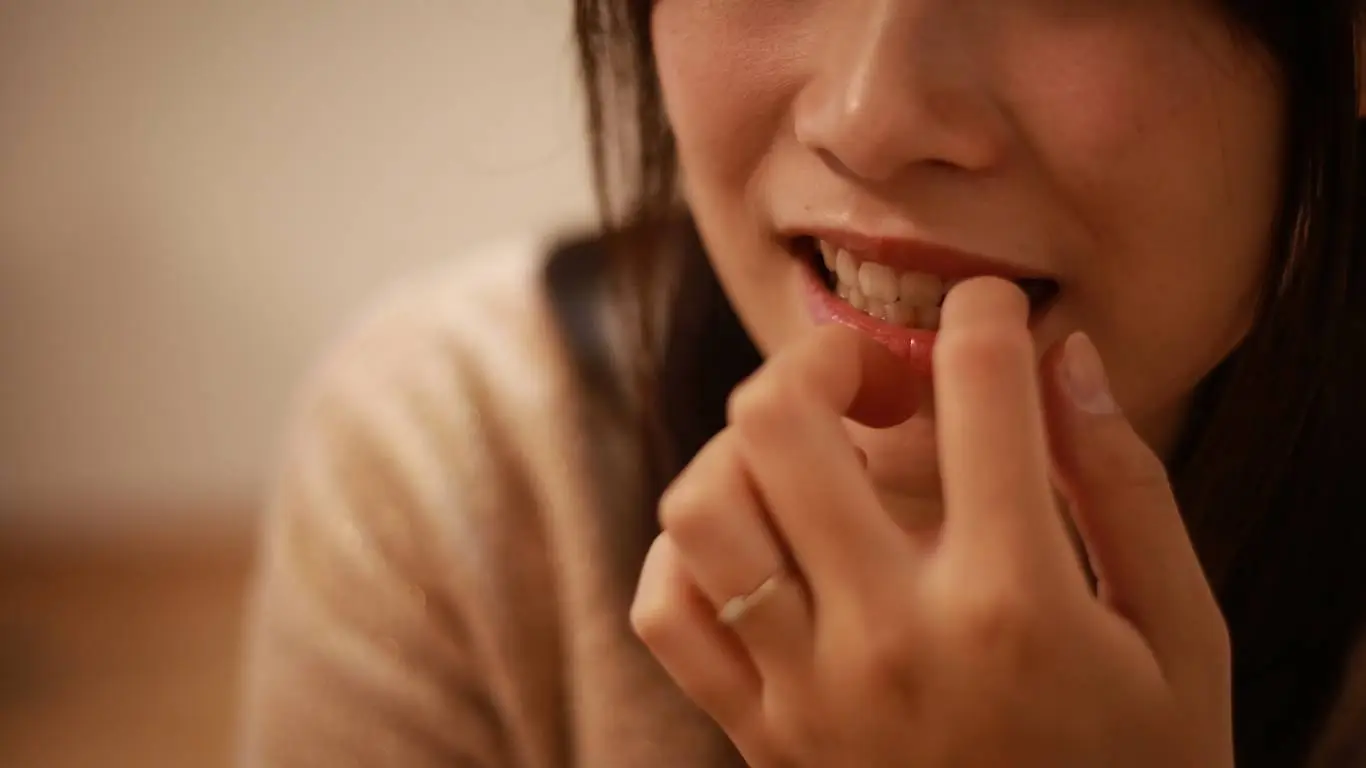
I used to beat myself up for every minor misstep — especially if it involved tears or tantrums. But anxiety thrives on self-blame. Instead, I started looking at those moments not as proof I was failing, but as feedback from real life.
“Okay, that bedtime routine didn’t work. Now I know.” It’s not failure — it’s field research. This mental reframe has been a game changer, not just for my mindset, but for my kids too.
Build a Support Circle That Doesn’t Judge
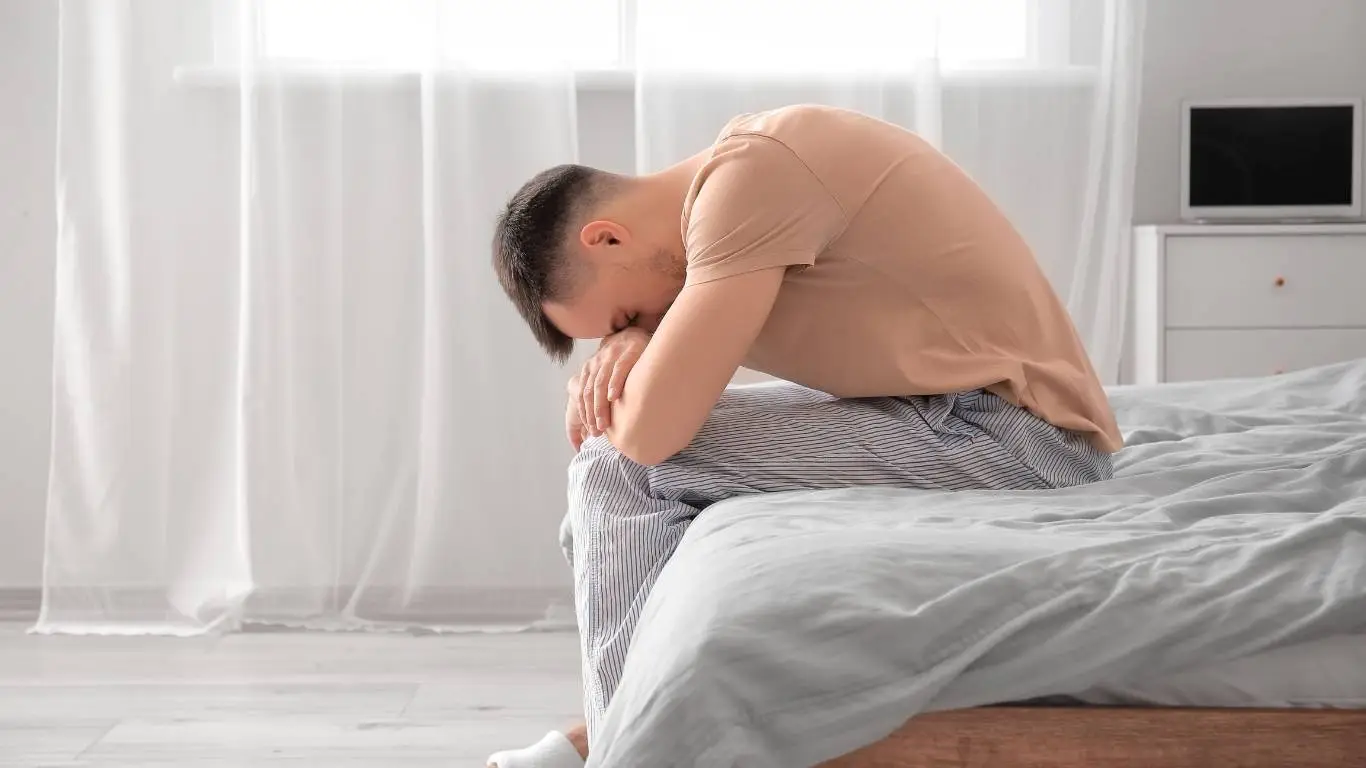
When I finally shared my anxious thoughts with another parent, I was stunned by the response: “Me too.” That simple moment of validation helped me breathe easier for the first time in weeks.
Find people who get it. Whether through support groups, a WhatsApp group, or one-on-one chats — connection reduces shame. And shame is anxiety’s favorite food.
If you don’t have that circle yet, consider reaching out to a therapist. Many offer virtual options now that are affordable and flexible for busy parents. Here’s a helpful breakdown of the best online therapy options for anxiety.
Understand the Role of Nutrition, Sleep, and Lifestyle

This one surprised me, but it’s real: how I ate and slept completely changed how I parented. Turns out, unstable blood sugar, caffeine crashes, and bad sleep were supercharging my anxiety.
I started incorporating calming teas, nutrient-rich snacks, and dialing down my caffeine. I also made small, consistent sleep changes (hello, blackout curtains). It didn’t make the anxiety disappear, but it lowered the volume enough for me to make clearer choices.
Simple lifestyle tweaks matter more than we think — especially when they support your nervous system.
Parenting with Self-Compassion Is the Best Gift You Can Give

I used to think that beating myself up would make me a better parent. That holding myself to impossible standards would somehow protect my child. But I’ve since learned that self-compassion isn’t just for me — it’s for them, too.
When I model what it looks like to mess up and recover, to doubt and still move forward, my kids learn that being human is okay. That love doesn’t require perfection. And that lesson is far more powerful than any decision I stress over today.
For more on how anxiety can sneak into every corner of daily parenting life, take a look at how anxiety quietly disrupts routines in ways we often overlook.
And if you want a broader view of anxiety’s hidden impact across parenting and beyond, you’ll find eye-opening insights in the main anxiety disorders article that ties it all together.

Camellia Wulansari is a dedicated Medical Assistant at a local clinic and a passionate health writer at Healthusias.com. With years of hands-on experience in patient care and a deep interest in preventive medicine, she bridges the gap between clinical knowledge and accessible health information. Camellia specializes in writing about digestive health, chronic conditions like GERD and hypertension, respiratory issues, and autoimmune diseases, aiming to empower readers with practical, easy-to-understand insights. When she’s not assisting patients or writing, you’ll find her enjoying quiet mornings with coffee and a medical journal in hand—or jamming to her favorite metal band, Lamb of God.