Why Anxiety Triggered By Caffeine Intake Feels Overwhelming
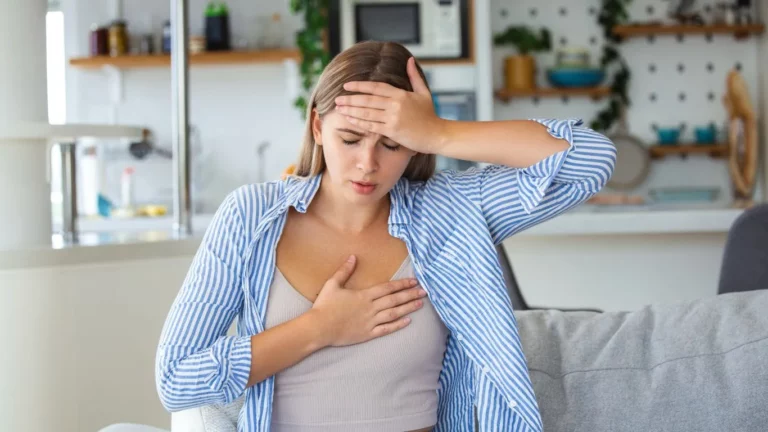
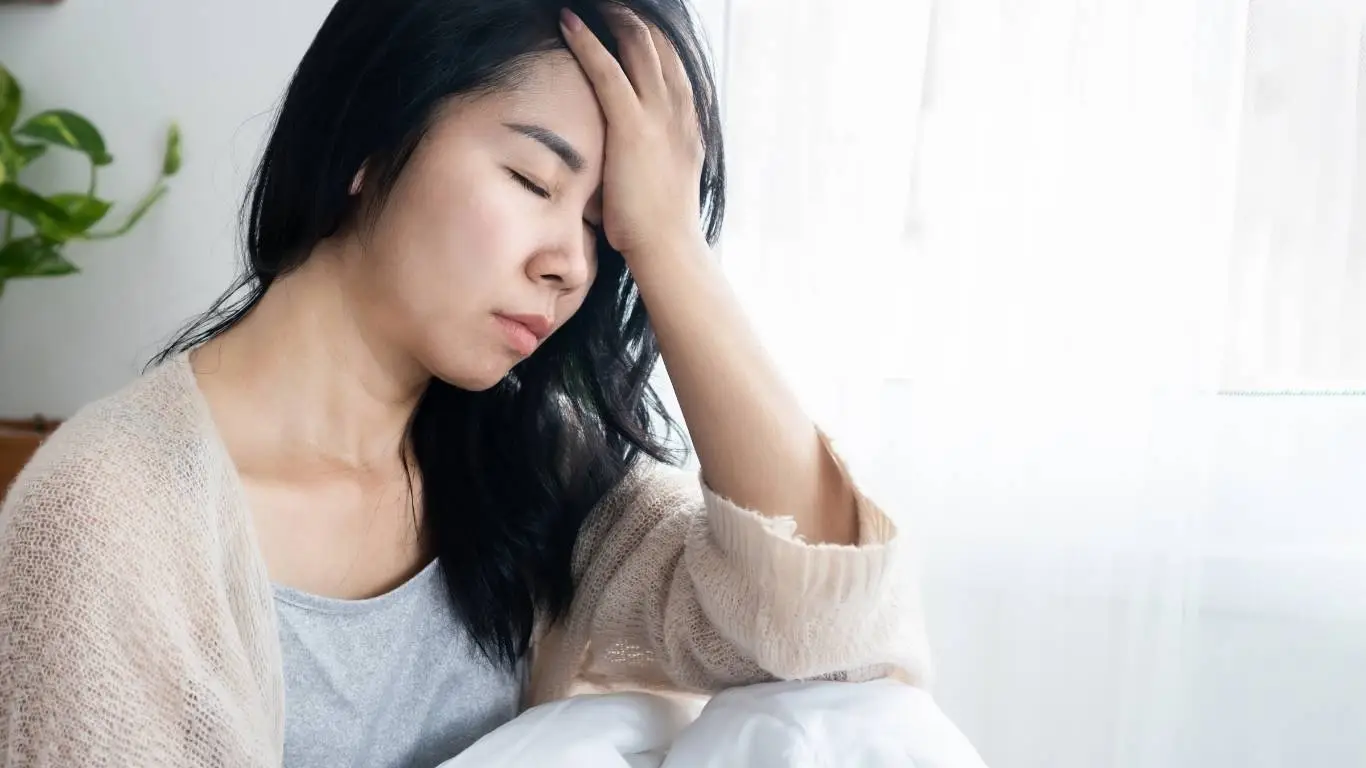
If you’ve ever found yourself spiraling into a wave of restlessness after just one cup of coffee, you’re not alone. Caffeine is a stimulant, and while it gives many people the jolt they need to power through a sluggish morning, it can feel like a panic attack in a mug for others. I used to chug energy drinks before every meeting, thinking I was just boosting my focus — until I realized my heart was racing, palms were sweating, and I’d get this awful feeling like something was wrong, even when everything was fine. Sound familiar?
Why Caffeine Can Secretly Spike Anxiety

Caffeine works by blocking adenosine, the chemical in your brain that makes you feel tired. The problem? It also increases adrenaline — the “fight or flight” hormone. That means more jitters, faster heart rate, and a potential fast track to anxiety, especially for people already predisposed to it.
And here’s the kicker — caffeine affects everyone differently. For some, a latte is comfort. For others, it’s like voluntarily signing up for a mental rollercoaster. Studies show that people with existing anxiety disorders tend to be more sensitive to caffeine’s effects (ncbi.nlm.nih.gov).
How Much Is Too Much?
The FDA suggests up to 400mg of caffeine per day is safe for most adults — that’s roughly four cups of brewed coffee. But for those prone to anxiety, even 100mg can spark symptoms. I noticed that after switching to half a cup in the morning, my brain fog didn’t return, but the panic episodes stopped showing up uninvited. Sometimes less really is more.
- Espresso (1 shot): 64mg
- Brewed coffee (8 oz): ~95mg
- Energy drink (8 oz): 70–100mg
- Soda (12 oz): 30–50mg
- Green tea (8 oz): 25–45mg
The Vicious Cycle: Anxiety → Caffeine → More Anxiety
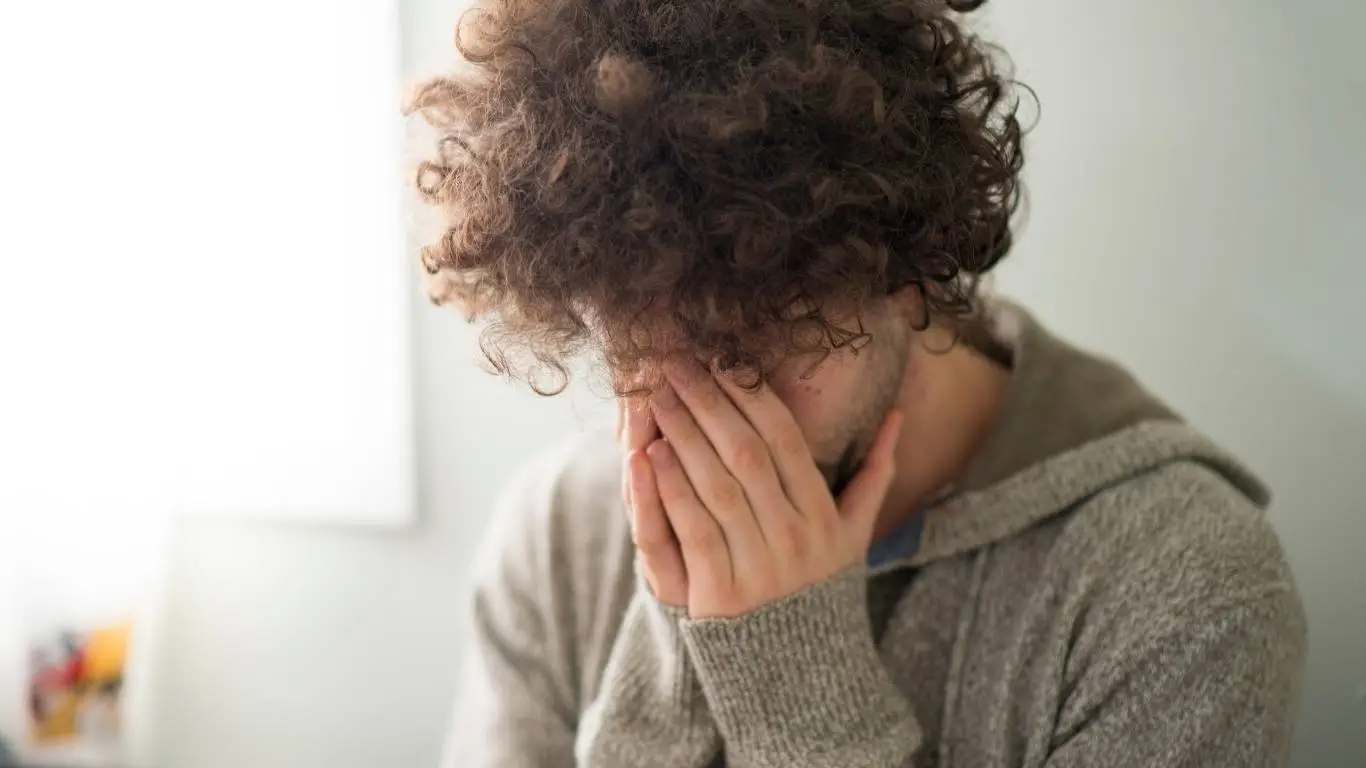
Here’s what happens. You’re stressed, you didn’t sleep well, so you grab a coffee. You feel jittery, your heart pounds, and suddenly you start worrying about everything — and then you can’t sleep again. It’s a toxic loop.
When I was stuck in this cycle, I didn’t even consider caffeine as the culprit. I blamed my job, deadlines, even my genetics. Turns out, that third refill at 3 PM was silently stirring the pot. What finally helped? Replacing my afternoon caffeine with herbal alternatives (this guide saved me).
Common Symptoms to Watch Out For
- Racing heart or palpitations
- Restlessness or inability to sit still
- Muscle tension
- Shaky hands
- Digestive upset
- Insomnia
- Overthinking or mental fog
Not everyone makes the connection right away. But if you find yourself googling “why do I feel anxious out of nowhere,” you might want to look at your caffeine log.
Caffeine Sensitivity: Genetics, Sleep, and Stress

Caffeine sensitivity is real. Some people metabolize it quickly; others don’t. If you have variations in your CYP1A2 gene, your body may process caffeine slower, meaning it lingers longer in your system and continues to fuel your nerves. Combine that with poor sleep or chronic stress, and boom — it’s the perfect storm.
If you’ve ever thought, “Why does caffeine affect me more than my friends?” — the answer might be in your DNA. Add anxiety into the mix, and it’s like lighting a fuse with every cup.
Interestingly, caffeine also intensifies physical symptoms of anxiety, such as chest pain and shortness of breath. So even if the anxiety is low-level, the bodily sensations might make it feel much worse.
Signs You Might Be Caffeine-Sensitive
- Anxiety or panic shortly after drinking caffeine
- Jitteriness even with small amounts
- Sleep disruptions despite drinking it early in the day
- Digestive upset or nausea
Smarter Alternatives That Won’t Spike Anxiety
Cutting caffeine completely isn’t realistic for everyone, but switching to lower-caffeine or no-caffeine options helped me personally feel more balanced. Here are some of my go-to swaps:
- Herbal teas: Chamomile, peppermint, and rooibos are naturally caffeine-free and calming
- Golden milk: Turmeric-based and surprisingly soothing
- Warm lemon water: Hydrating, simple, and great for digestion
- Adaptogenic drinks: Reishi, ashwagandha blends can help buffer stress
This article on herbal teas for anxiety relief offers excellent options if you’re looking to start slow.
For more on root causes of how daily routines can exacerbate anxiety, this piece on anxiety lifestyle changes might surprise you with how small shifts can make big changes. And if you’re curious how anxiety silently impacts everyday functioning, definitely explore the main pillar here.
Real-Life Stories: How Cutting Caffeine Helped My Anxiety

I’ll be honest — giving up caffeine felt like a breakup. I clung to my morning routine like a ritual. That warm mug, the aroma, the sense of alertness — it was more than just a drink. But the constant tension in my shoulders, the anxious overthinking, and that gnawing restlessness? That wasn’t worth it.
I started small. Switched to half-caf. Then herbal teas. The first week was rough, not gonna lie. Headaches, brain fog, and this weird sense of sluggishness. But then something changed. I woke up calmer. My heart wasn’t pounding before my alarm even rang. And for the first time in years, I didn’t need a drink to feel present.
I’m not alone. A lot of people don’t realize how tightly anxiety and caffeine are linked until they take a break. If you’re curious, this article on how caffeine quietly fuels anxiety spells it out with clarity.
Red Flags I Didn’t Notice at First
- Waking up already anxious — even before coffee
- Overthinking small stuff constantly
- Digestive issues that seemed random
- Random spikes in heart rate during the day
Turns out, a lot of that was caffeine. Not stress. Not overworking. Just over-stimulation in a cup.
Can Decaf Still Trigger Anxiety?
You’d think decaf means “no anxiety,” right? Not quite. Most decaf drinks still contain 2–15mg of caffeine. For someone ultra-sensitive, even that can spark symptoms. I had a moment where I felt jittery after sipping “decaf” — and sure enough, the label said it still had 7mg per cup.
If you’re super sensitive or working through recovery from panic attacks, going full herbal might be the better route — at least until your nervous system calms down. Pairing that with mindfulness-based practices can make a huge difference (this method helped ground me).
Other Sneaky Caffeine Sources to Watch
- Dark chocolate – especially the high-cocoa types
- Pre-workout supplements – most are loaded with stimulants
- Pain relievers – some contain caffeine for faster relief
- Green tea extracts – commonly found in weight loss products
It’s not just about coffee. Once I checked my supplements and snacks, I realized I was getting micro-doses of caffeine all day long.
Rebuilding Your Routine Without Caffeine
If caffeine has been your morning crutch for years (it was mine for over a decade), changing that routine might feel overwhelming. But it’s possible — and surprisingly freeing. Here’s what worked for me:
- Hydration first: A big glass of water with lemon right after waking up
- Morning sunlight: Natural light boosts cortisol in a healthy way
- Movement: Light yoga or a short walk helped shake off the grogginess
- Breathing practice: 5 minutes of deep breathing reduced my early tension dramatically
It’s a lifestyle shift — and it’s a process. But the clarity, calm, and mental space it gives back? It’s worth every step. I found even more insights through this approach to anxiety lifestyle management, which ties everything together without being overwhelming.
When It’s Time to Talk to a Professional
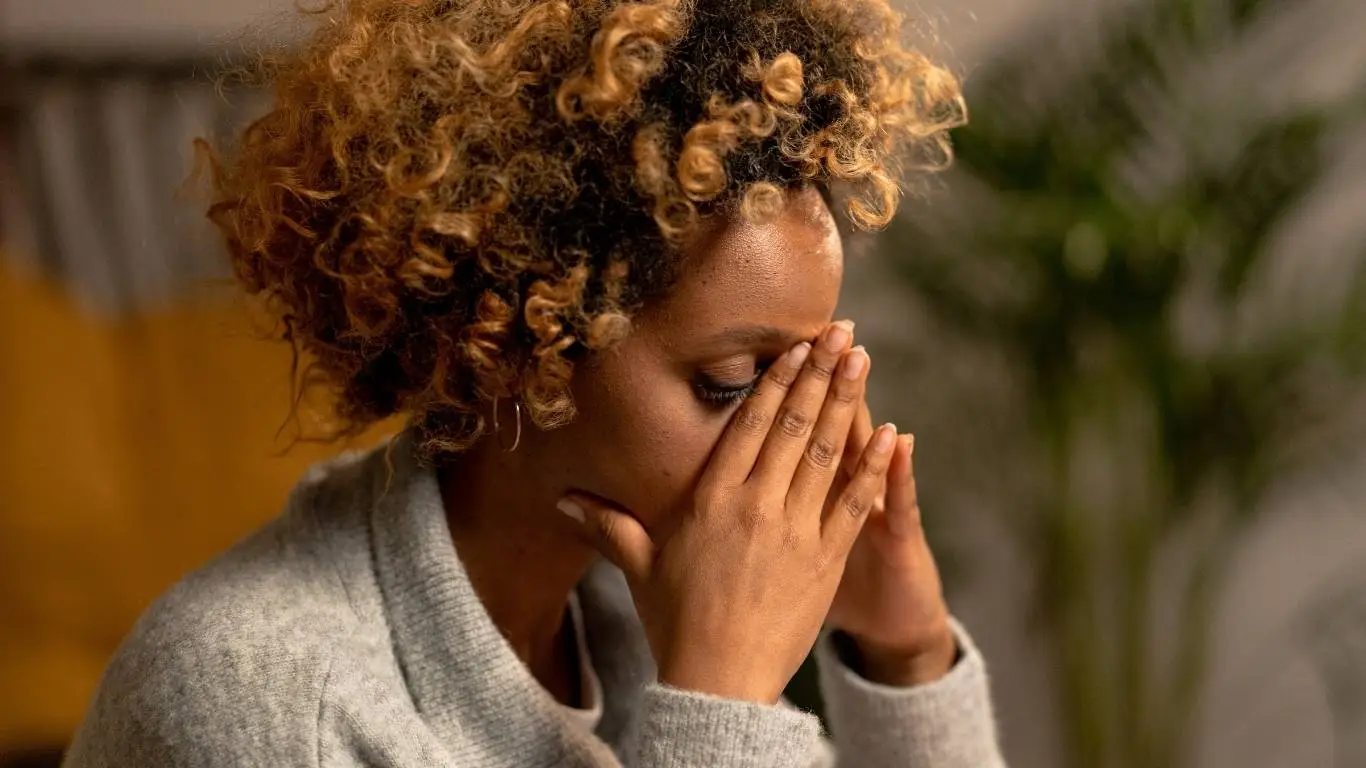
Sometimes anxiety needs more than cutting caffeine. If you’re dealing with constant dread, sleep disruption, or panic attacks, it might be time to explore deeper solutions. Caffeine might be a piece of the puzzle, but not the whole picture.
Getting a proper diagnosis made me feel seen. No more brushing it off as “just stress.” Therapies like CBT or even short-term medication helped me regain control — and understanding how caffeine played a role made the treatment more effective.
And if you want to explore a comprehensive guide to the broader spectrum of anxiety conditions and triggers, don’t miss this article on the assessment and diagnosis of anxiety disorders.
You’ll also want to read the full breakdown on how anxiety disorders can quietly control your life — especially if caffeine has been masking the bigger picture.

Camellia Wulansari is a dedicated Medical Assistant at a local clinic and a passionate health writer at Healthusias.com. With years of hands-on experience in patient care and a deep interest in preventive medicine, she bridges the gap between clinical knowledge and accessible health information. Camellia specializes in writing about digestive health, chronic conditions like GERD and hypertension, respiratory issues, and autoimmune diseases, aiming to empower readers with practical, easy-to-understand insights. When she’s not assisting patients or writing, you’ll find her enjoying quiet mornings with coffee and a medical journal in hand—or jamming to her favorite metal band, Lamb of God.