Why Blue Light Filter Glasses May Be Making Eye Floaters Worse
It started with a faint shimmer in my peripheral vision. I blinked, rubbed my eyes, and it was still there—a weird speck dancing across my view like dust on a camera lens. Turns out, it wasn’t dust. It was a floater. If you’ve seen one, you know the frustration. Now here’s the wild part: I noticed they got worse when I was on screens all day. Sound familiar? That’s what got me curious about something I used to think was gimmicky—blue light filter glasses. Could they actually help with eye floaters?
What Are Blue Light Filter Glasses Really Doing?
Most people think blue light filter glasses are only for gamers, tech nerds, or anyone glued to their laptop for 8+ hours. But there’s more to them. These lenses are designed to block or filter out high-energy visible (HEV) blue light emitted by digital screens, LED lighting, and even the sun. That specific wavelength of light (around 400–490 nm) is known to cause eye strain, fatigue, and potentially disrupt your sleep cycles.
But here’s the twist most people miss—eye strain and dry eyes from prolonged screen exposure can indirectly make floaters more noticeable. That was the link that hit home for me. Floaters may not be caused by blue light directly, but if screen use makes you blink less and strain more, you’re setting the stage for trouble.
Floaters thrive in poor visual environments—dim lighting, contrasty screens, or eye stress. If your screen time is irritating your eyes or causing light sensitivity, floaters might just become your unwanted co-workers.
How Floaters React to Screen Time and Visual Stress
Now this is personal. I started tracking when my floaters were most active, and surprise—it lined up with long editing or writing sessions on my laptop. I’d glance at a white doc, and those floaters? Way more noticeable. Turns out, screen time really can amplify floater visibility, especially when your eyes are fatigued and dehydrated.
- Eye Dryness: Less blinking = dry eyes, and floaters become more obvious over a dry retina.
- Light Contrast: Bright screens vs. dark floaters = instant attention magnet.
- Mental Fatigue: The more tired you are, the more annoyed you’ll be by tiny distractions.
Blue light filter glasses help by softening the harshness of screen light. They reduce squinting and blinking strain. And for me, they brought back a bit of peace. Not a cure—let’s be honest—but a definite upgrade in comfort.
Can Blue Light Filters Actually Reduce the Impact of Floaters?
If you’ve ever asked an optometrist about floaters, you’ve probably heard: “They’re normal, and you’ll learn to ignore them.” But ignoring them when they’re jumping around your Kindle screen? That’s a different story.
Using blue light filter glasses helps in a few ways:
- Less strain = less inflammation. Some floaters become more visible when your eyes are inflamed or overworked.
- Improved contrast comfort. Certain glasses slightly tint the screen and cut glare—floaters blend in better.
- Better blinking. You blink more when the screen isn’t harsh, helping maintain a healthy tear film.
I wouldn’t say they made my floaters vanish, but the frequency of noticing them went way down. That alone made them worth the purchase.
Choosing the Right Glasses: What to Look For
Here’s what I learned (the hard way) shopping for my first pair:
- Look for certified blue light filtering, not just tinted lenses.
- Avoid over-yellowed lenses. Some are too strong and distort color—annoying for design or photo work.
- Make sure they have anti-reflective coating. This helps even more with glare and screen feedback.
And yes, style matters too—if you don’t like how they look, you won’t wear them. I found a stylish frame from a local shop that looked better than my regular glasses. Total bonus.
When Floaters Become Too Annoying to Ignore
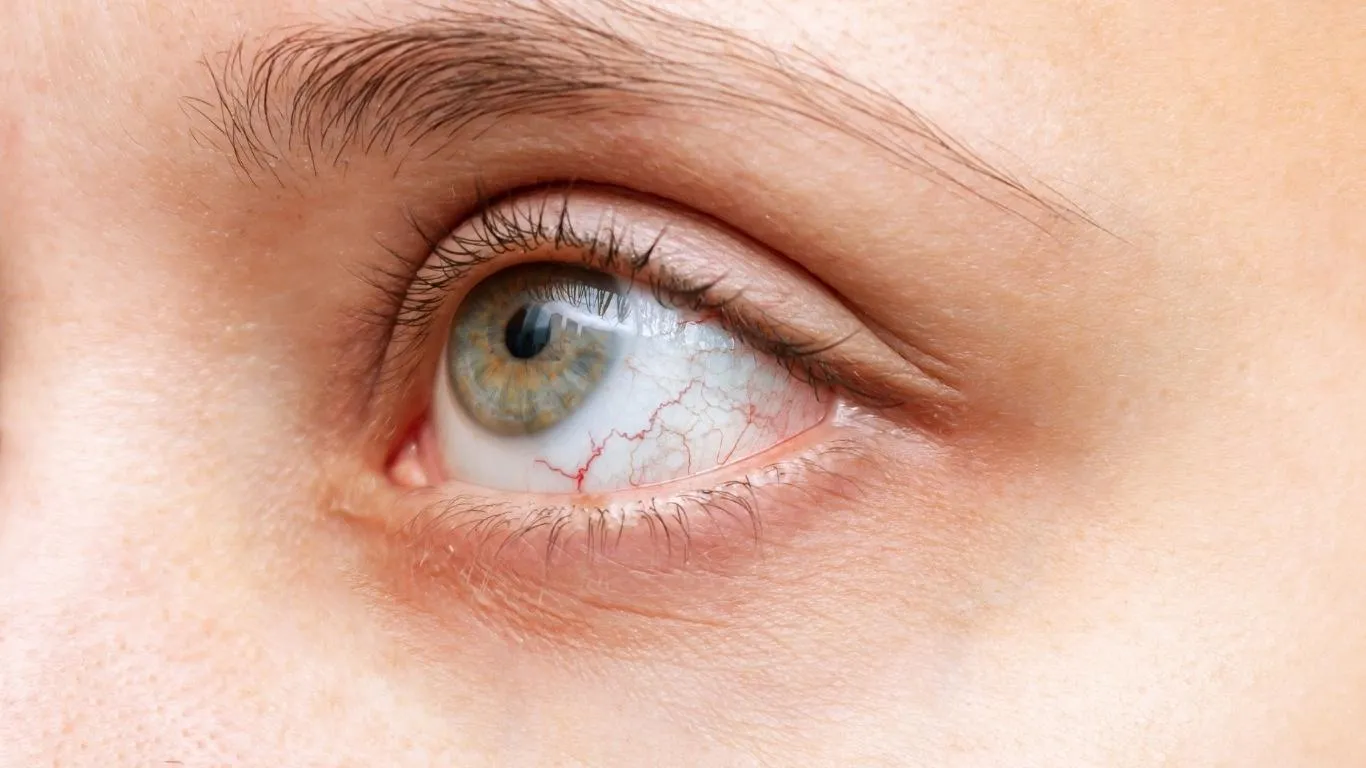
There’s a point where floaters go from minor distraction to “I can’t see clearly anymore.” If you’re at that point, definitely see a specialist. In some cases, it could be a sign of something more serious like a retinal tear or inflammation.
Also worth checking: can stress actually make floaters worse? Spoiler: It definitely plays a role. Floaters aren’t just a physical nuisance; they’re also a psychological one. The more you focus on them, the more they mess with your day. That’s why anything—even as simple as glasses—that keeps your visual environment calm matters.
Other Factors That Might Be Making Things Worse
Let’s not put all the blame on blue light. Here are a few other culprits you might not think of:
- Lack of sleep: Eye floaters often feel worse after a bad night’s rest. Learn why lack of sleep may worsen floaters.
- Dehydration: Dry eyes equal floaters becoming more prominent. Here’s more on how hydration affects floaters.
- Inflammation: If your eyes are inflamed, everything feels amplified. Chronic conditions or screen fatigue can aggravate this.
If you’re trying to get a grip on floaters naturally, check out this solid breakdown on natural ways to manage floaters—some tips might surprise you. And don’t miss the full main guide on floaters for a deeper dive into causes and treatments.
#LNF

Camellia Wulansari is a dedicated Medical Assistant at a local clinic and a passionate health writer at Healthusias.com. With years of hands-on experience in patient care and a deep interest in preventive medicine, she bridges the gap between clinical knowledge and accessible health information. Camellia specializes in writing about digestive health, chronic conditions like GERD and hypertension, respiratory issues, and autoimmune diseases, aiming to empower readers with practical, easy-to-understand insights. When she’s not assisting patients or writing, you’ll find her enjoying quiet mornings with coffee and a medical journal in hand—or jamming to her favorite metal band, Lamb of God.