Why Eye Floaters Get Worse With Dry Eyes
So here’s the deal. I’ve been dealing with these annoying little specks and squiggles in my vision for a while now. You know, the kind that dance around when you shift your gaze or stare at a bright screen too long. At first, I blamed it on stress or too much screen time (guilty). But then I started to notice something curious — on days when my eyes felt dry or gritty, those floaters were way more noticeable. Coincidence? I thought so. But it turns out, there might be more to the story.
Understanding Eye Floaters and Why They’re So Annoying
Floaters are essentially tiny bits of collagen or cellular debris that float in the vitreous — the jelly-like substance in the back of your eye. They’re super common, especially as you age or if you’re nearsighted like me. But dryness? That connection surprised me.
When your eyes are dry, it creates the perfect storm: irritation, blurry vision, and more attention drawn to those floaters. It’s not that dryness *creates* floaters, but it can definitely make them more visible. And if you’ve ever asked yourself, “why are these things more noticeable under certain lighting?”, dry eyes could be playing a role.
How Dry Eyes and Floaters Team Up to Drive You Nuts
This was a game changer for me. After a few late-night research rabbit holes (and far too much caffeine), I realized that when your eyes lack proper moisture, the tear film isn’t doing its job. That tear film is like a lens coating — when it’s uneven or absent, it causes light to scatter, and that scatter draws more attention to whatever’s floating around in your vitreous.
Here’s What I Noticed Firsthand:
- My floaters felt more “aggressive” after a long day in front of screens
- They popped more when I skipped my hydrating eye drops
- They were worse in rooms with dry air or AC blasting
Turns out I wasn’t imagining it. There’s a growing link between dry environments and floater severity. Combine that with things like dehydration, allergies, or not blinking enough (hello, binge-watching sessions), and you’ve got a recipe for major visual disturbance.
Common Triggers That Make Floaters More Visible with Dry Eyes
- Screen Time: Blue light isn’t the only villain here. When we’re staring at screens, we blink way less, which dries out our eyes. Less tear coverage = more floater visibility.
- Ceiling Fans, AC, or Heaters: Dry circulating air sucks moisture from your eyes. Even with your eyes open for just a few minutes, you’ll notice floaters start “popping” more.
- Lack of Sleep: Ever had a rough night and then woke up to what felt like a fireworks show in your vision? Yup, sleep deprivation worsens floater perception.
- Dehydration: If you’re not drinking enough water, not only do you get dry mouth — your eyes suffer too. And yep, dry eyes plus dehydration = floater storm.
Why You Might Be Noticing This More in Your 30s or 40s
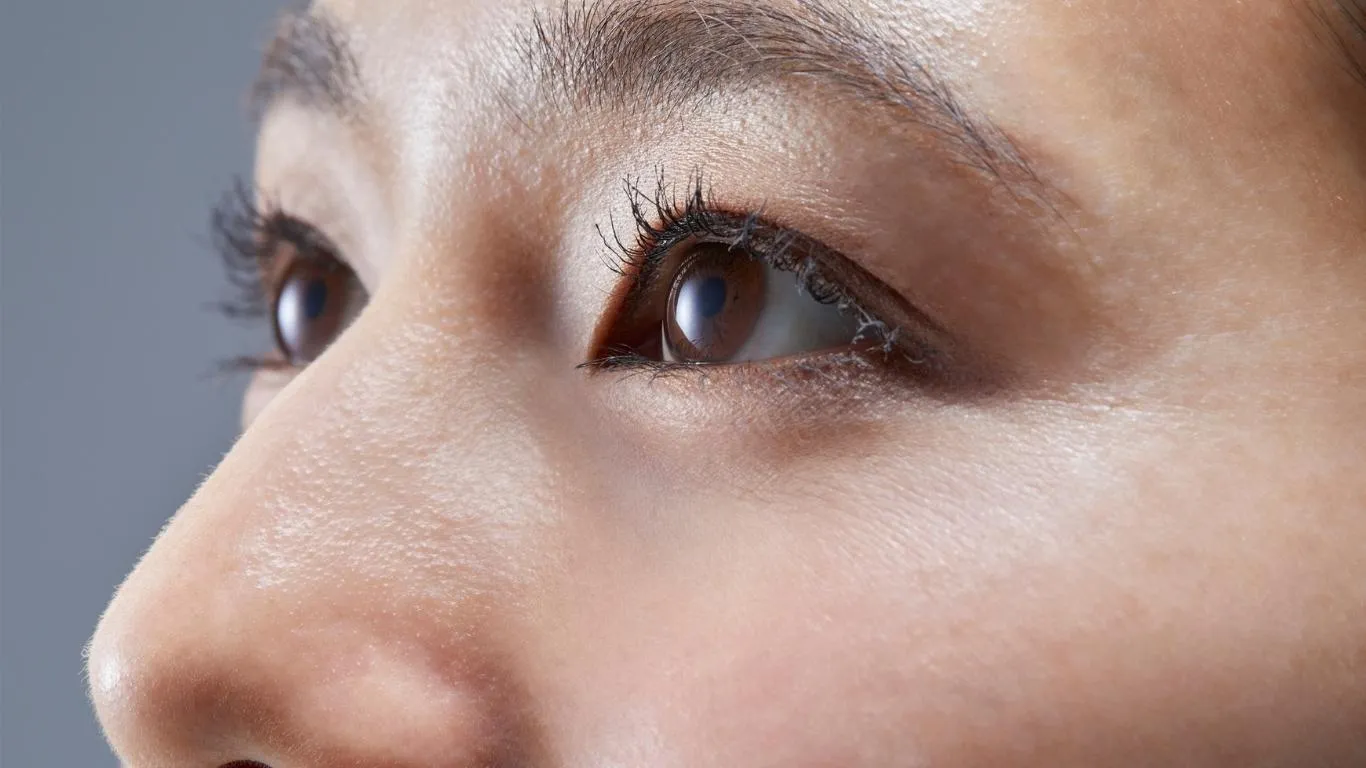
If you’re in your 30s or 40s and suddenly noticing more floaters, join the club. This is the age when the vitreous starts to get more watery, and natural tear production can dip — especially for women (hello, hormones). I found this out the hard way after a few unusually dry winter months. It’s actually pretty common at this stage.
Here’s the science-y bit:
The tear film has three layers: oil, water, and mucus. As you age, that delicate balance gets disrupted, particularly the oil layer. Without enough oil, the watery part evaporates faster. That disruption makes the surface of your eye unstable, leading to blurry vision and more noticeable floaters. Frustrating, right?
When It’s Not Just Dryness or Floaters — It’s Something Else
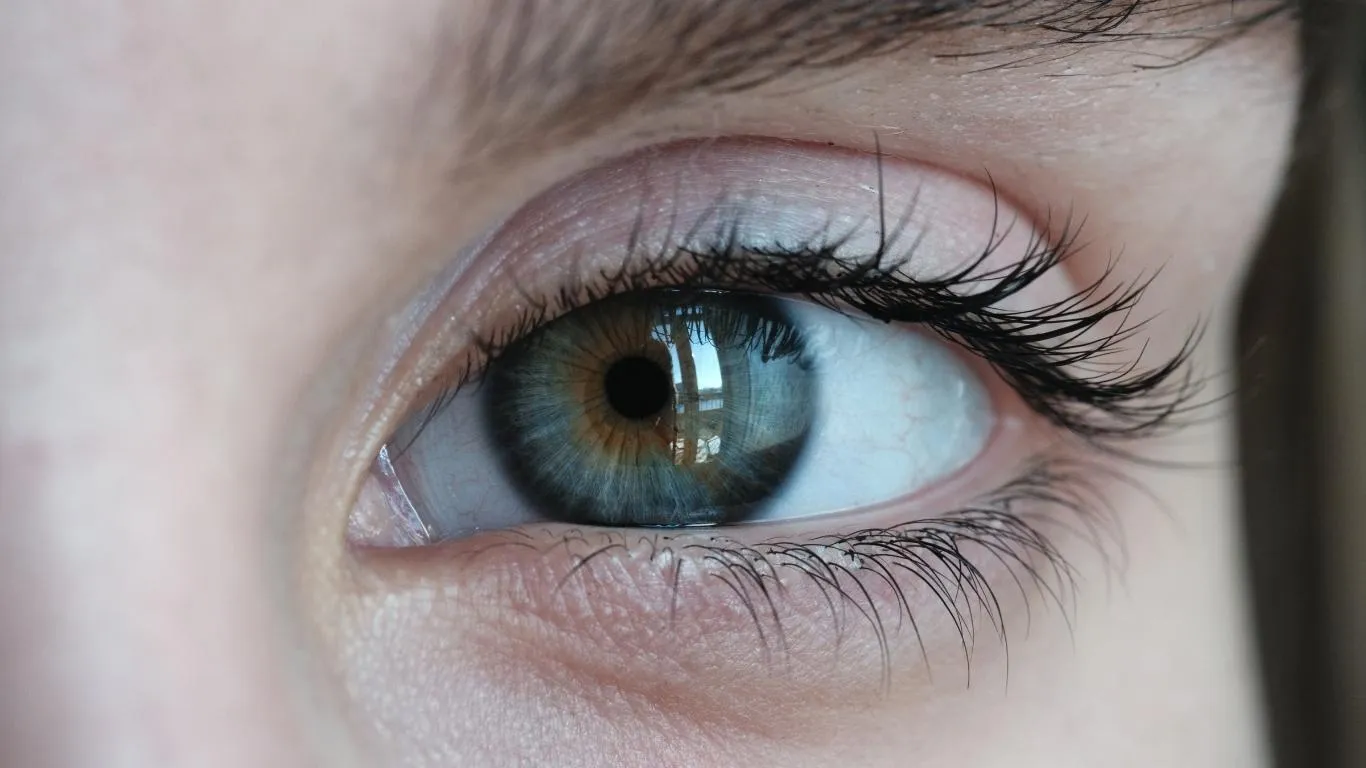
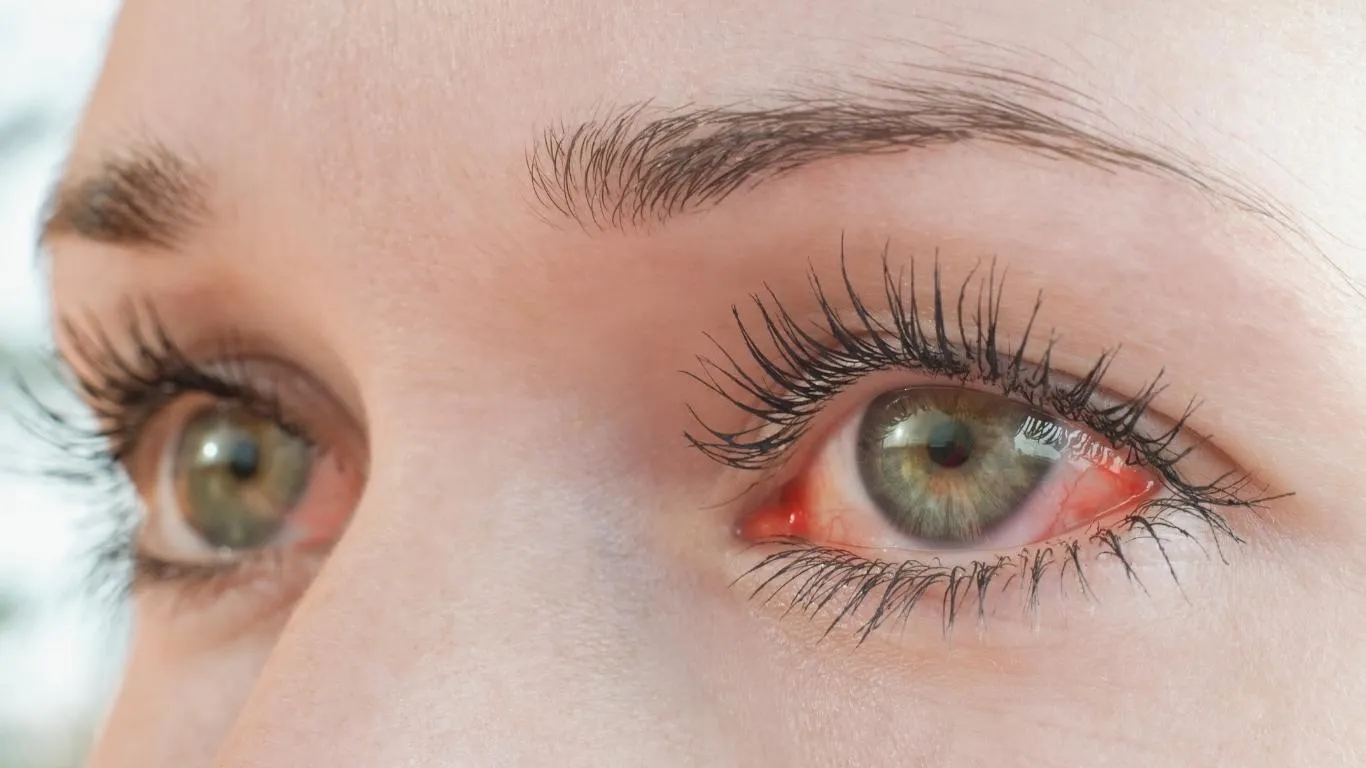
There are situations where both dry eyes and floaters are just symptoms of something deeper. If you’ve got floaters *and* itchy, red, or painful eyes, don’t wait it out. Some medications can dry out your eyes and even increase floater perception. And conditions like Sjögren’s syndrome or autoimmune diseases might be the hidden culprit.
I once ignored a month-long wave of floaters after switching allergy meds. Turns out, those drops were making my dry eye worse. If only I’d checked this out earlier.
Managing Both Dry Eyes and Floaters at the Same Time
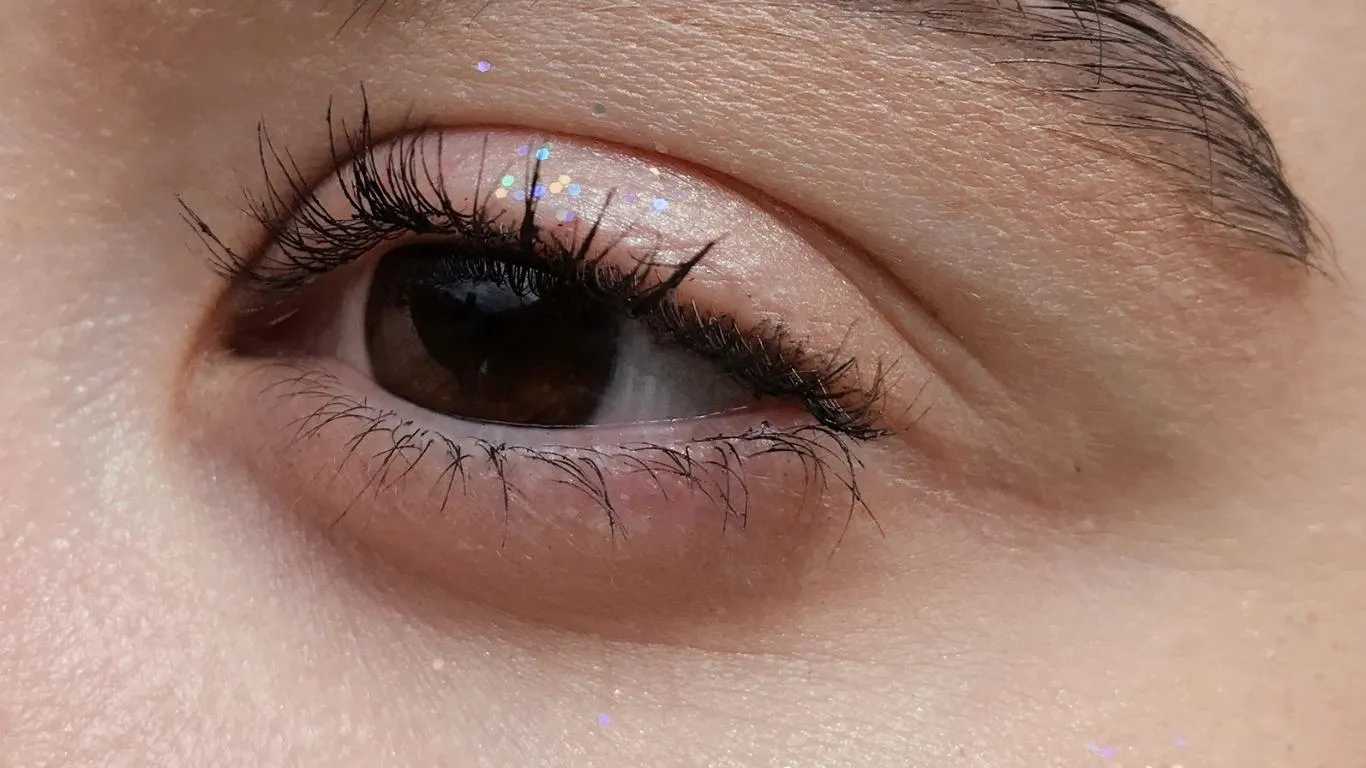
While you can’t exactly “cure” floaters, you can absolutely make them less noticeable — and that starts with tackling dryness.
What’s helped me:
- Using preservative-free lubricating drops every few hours
- Avoiding fans blowing directly at my face
- Running a humidifier at night
- Taking regular screen breaks — the 20-20-20 rule is gold
- Eating more omega-3s (salmon and flaxseed for the win)
In cases where floaters suddenly increase, especially if there’s light flashes or vision loss, it’s crucial to rule out a retinal tear or detachment.
If you’re unsure whether it’s just dryness or something more serious, it’s worth diving into the difference between floaters and other eye issues.
For a full overview of how floaters develop, what causes them, and how to manage them long-term, check out the main eye floaters resource or browse treatment options that go beyond eye drops.
What to Do When Dry Eye and Floaters Become a Daily Disruption
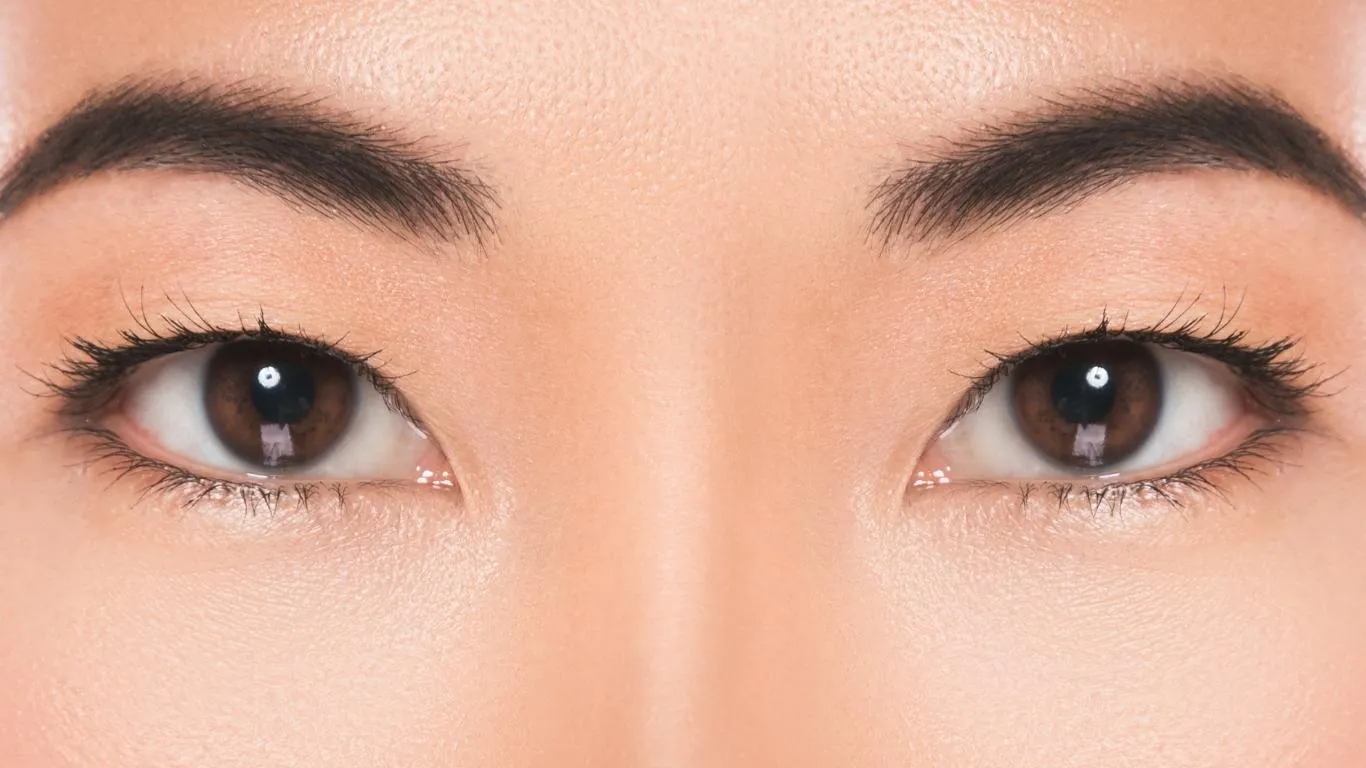
There was a point where floaters weren’t just an occasional nuisance — they were showing up every morning, staying all day, and making it hard to focus on anything for more than a few minutes. Pair that with dry, scratchy eyes, and I was squinting through emails like I was deciphering Morse code. That’s when I knew it was time to step things up.
Dry eyes and floaters can create a frustrating cycle. The more irritated your eyes get, the more you notice floaters. The more you fixate on floaters, the more strained your vision feels — which only dries your eyes further. Fun, right?
Here’s how I finally broke the loop:
- Scheduled warm compresses every morning and night to help oil glands along my eyelids function better.
- Upgraded to omega-3 supplements after realizing I wasn’t getting enough from my diet.
- Switched to artificial tears with hyaluronic acid — way more hydrating than the ones I used before.
- Ditched all caffeine after 3PM. That one hurt, but it helped.
And honestly? Just tracking floater patterns helped. I started noticing when they’d spike — and almost every time, it traced back to dry eyes, screen overload, or skipping hydration.
Why Stress (and How You React to It) Makes Floaters Even Worse
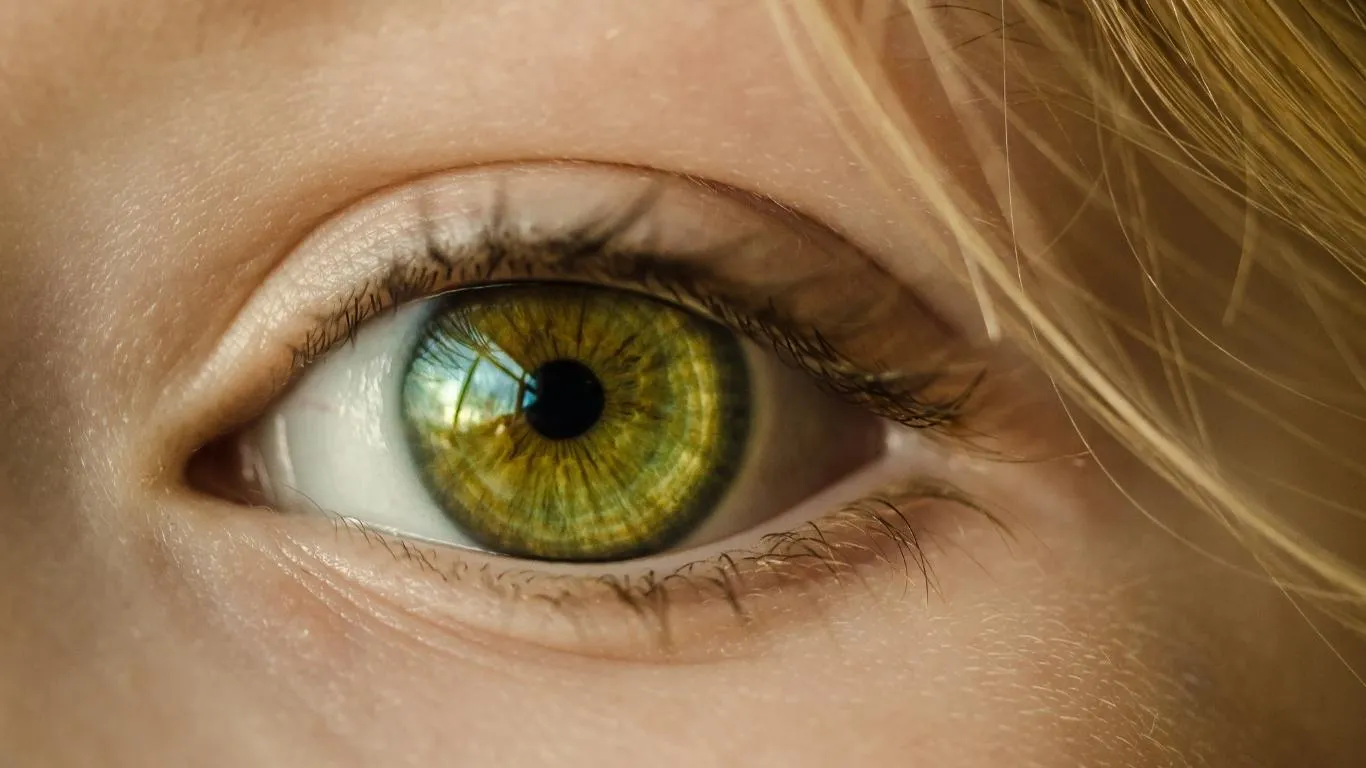
Let’s talk about the mental part. No one tells you that floaters can quietly mess with your focus, your sleep, and even your mood. I was constantly scanning the sky for them, checking if they were still there. Sounds dramatic, I know — but it’s more common than you think.
Dry eyes already feel uncomfortable, so when floaters start overlapping with that discomfort, it creates a weird level of hyper-awareness. Your brain keeps zeroing in on it. I had days where I felt like my vision was “busy,” even though my eyes were technically fine.
I’ve found short meditation breaks (no phone, no lights, just sitting in silence) actually helped. At first, the floaters seemed worse during meditation — but over time, they faded into the background. That was a big mental shift.
Advanced Prevention: Staying Ahead of the Dryness-Floater Spiral
By now, you know dry eyes and floaters aren’t always preventable — but they sure can be managed better. Once I stopped treating my eyes like an afterthought, things got easier. Here’s what I now swear by:
- Using a humidifier year-round: Not just for winter. It makes a huge difference, especially during screen-heavy workdays.
- Bluelight-filtering glasses: Not magic, but they reduce eye fatigue. I noticed fewer floater flare-ups after long Zoom days.
- Hydration alarms: Sounds ridiculous, but a little ping every hour kept me sipping water, which oddly helped my eyes feel less gritty.
- More leafy greens + less processed snacks: I read somewhere that lutein helps, and figured why not. My eyes definitely thanked me.
One thing I didn’t expect: Posture plays a role too. On days when I hunched at my desk, I felt more tension in my eyes, especially around the orbital area. Now I alternate between standing and sitting, and I avoid reading while lying flat. Huge difference.
What Your Eye Doctor Might Not Tell You (But Should)
When I finally went in for an exam, my ophthalmologist was supportive — but also quick to mention that floaters were “normal” and “not dangerous.” I get it, but that didn’t exactly help me sleep better.
So I asked more questions, and that’s when things got helpful. We talked about things like:
- Posterior Vitreous Detachment (PVD)
- Autoimmune flare-ups that trigger both dry eye and floaters
- The way eye inflammation can make pre-existing floaters more visible
He also recommended I keep an eye out (no pun intended) for new floaters that show up with flashes of light or peripheral blur — which might indicate something serious like a retinal tear. That’s when I really dove into all the treatment options.
When It Might Be Something Else Hiding in Plain Sight
Here’s a weird one: floaters got worse for me after I started taking a new multivitamin. Turns out, some supplements — especially ones affecting circulation or fluid retention — can slightly shift how your vitreous behaves. I later stumbled across an article confirming that, and I wasn’t alone.
If you’ve been seeing floaters only in one eye, especially after fatigue, that can sometimes point to underlying retinal changes. I didn’t have that, thankfully, but it was a good wake-up call to start documenting symptoms.
And if your dryness gets worse after screen time and your floaters seem to “activate” with it, definitely look into screen-related eye strain issues. That was a sneaky trigger I overlooked for way too long.
Where to Go From Here (and Why You’re Not Alone)
Here’s the truth: floaters might not go away, and dry eyes may be a long-term thing — but that doesn’t mean you’re powerless. I’ve learned how to reduce the noise, both visually and mentally. Some days are still tough, but now I’ve got a plan. And when they spike again (they always do), I don’t panic.
If you’re in the same boat, start small. Hydrate, rest your eyes, and track your symptoms. Then explore what’s next — whether it’s natural floaters management or speaking to a specialist about persistent dryness.
Want to dig deeper into how these floaters form, why some stay longer, and how dryness can mess with your tear film? Head over to our complete guide on eye floaters: causes, symptoms, and treatment options.

Camellia Wulansari is a dedicated Medical Assistant at a local clinic and a passionate health writer at Healthusias.com. With years of hands-on experience in patient care and a deep interest in preventive medicine, she bridges the gap between clinical knowledge and accessible health information. Camellia specializes in writing about digestive health, chronic conditions like GERD and hypertension, respiratory issues, and autoimmune diseases, aiming to empower readers with practical, easy-to-understand insights. When she’s not assisting patients or writing, you’ll find her enjoying quiet mornings with coffee and a medical journal in hand—or jamming to her favorite metal band, Lamb of God.