Why Floaters After Intense Coughing Might Be a Warning Sign
Ever had one of those coughing fits so intense it left your ribs sore—and then suddenly, you noticed weird little specks or cobweb-like lines floating in your vision? It happened to me after a rough cold. I’d been hacking non-stop for days, and then boom—tiny floaters started drifting across my view, especially against bright backgrounds. At first, I thought it was just exhaustion or dehydration. But when they didn’t go away after a few days, I knew I had to dig deeper into what was going on. Turns out, there’s a real connection between intense coughing and eye floaters—and it’s more common than you’d think.
Why Coughing Might Trigger Eye Floaters
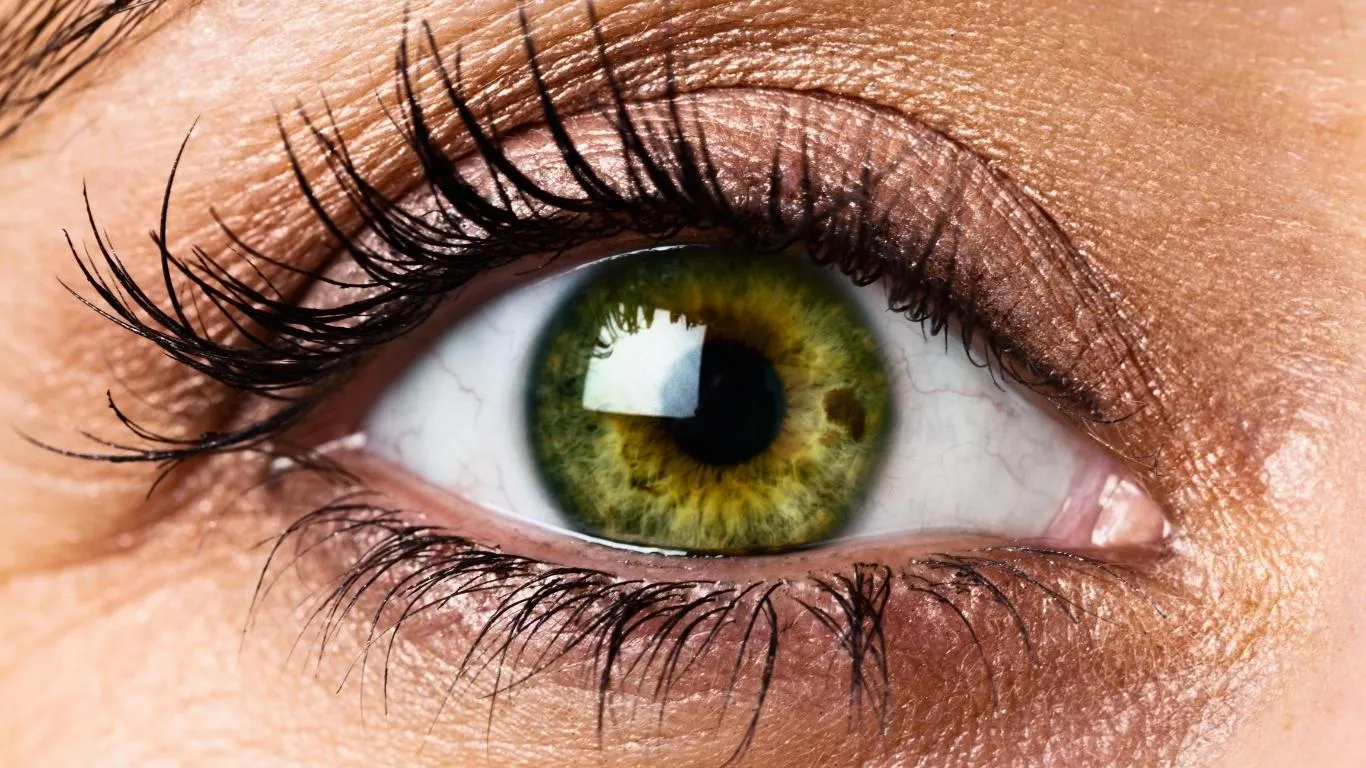
The eyeball might seem like a sealed, delicate world of its own, but it’s incredibly sensitive to pressure changes—especially the kind you get from violent or prolonged coughing. When you cough hard enough, the pressure inside your chest and head spikes. This sudden increase can ripple through the delicate structures of your eye, including the vitreous—the gel-like substance that fills your eyeball.
In my case, after a week of bronchitis and coughing fits, I started noticing those floaters. It was like looking through a windshield with dirt smudges moving around. As strange as it sounds, the culprit may be that the vitreous started tugging away from the retina—something known as a posterior vitreous detachment (PVD). While common with aging, it can be triggered by pressure spikes like intense coughing, sneezing, or even heavy lifting.
The Science Behind It
The vitreous is mostly water, but it’s held together by collagen fibers. Over time or with sudden pressure shifts, this gel can liquefy or shift suddenly. When that happens, you may see shadows cast on your retina—what we perceive as floaters. And if you’ve had LASIK or already deal with high myopia, your risk is even higher.
When Floaters Are a Red Flag

Okay, floaters can be annoying, but are they dangerous? Most of the time, no. But if they suddenly appear after coughing—especially if they’re accompanied by flashes of light or a curtain-like shadow—it’s time to call your eye doctor. These symptoms could point to something serious like a retinal tear or detachment.
A friend of mine had this exact issue after recovering from pneumonia. The coughing led to vitreous detachment, which was manageable. But in other cases, it could be something like retinal tears, which require immediate attention. Floaters by themselves aren’t always urgent, but if they’re sudden, numerous, or paired with light flashes, it’s a whole different story.
What Symptoms Should Worry You?
- Sudden burst of floaters, especially after a violent cough
- Flashing lights in your peripheral vision
- Dark shadow or curtain effect across your vision
- Blurriness or distortion that doesn’t clear up
Check out this useful overview on when floaters signal deeper trouble. Early detection can mean the difference between a quick fix and permanent vision damage.
Who’s More at Risk?
Truth is, not everyone who coughs hard ends up with eye floaters. But certain groups are more prone to it. Based on what I’ve read and discussed with my ophthalmologist, here are some risk-enhancing factors:
- High Myopia (Nearsightedness) – Thinner retinas make it easier for the vitreous to pull away.
- Age Over 40 – Natural degeneration of the vitreous starts happening, even if your eyes feel fine.
- History of Eye Surgery – Procedures like cataract or LASIK can weaken the retina-vitreous connection.
- Previous Vitreous Detachment – Once it’s happened, you’re more likely to have it again.
There’s also a strong case made in this guide that shows how age and stressors like intense coughing can push your eyes over the edge.
What You Can Do About It
Now, I wish I could tell you there’s a magic pill or drop that zaps floaters away—but there’s not (yet). That said, there are ways to manage them and reduce your risk of developing more. Here’s what’s worked for me and others dealing with post-cough floaters:
- Stay hydrated – The vitreous is mostly water. Dehydration can make floaters more visible.
- Use sunglasses – Bright light makes floaters more obvious. UV protection can help ease the visual irritation.
- Manage inflammation – Some floaters result from inflamed tissues. Omega-3s and anti-inflammatory foods may help.
- Reduce eye strain – Limit screen time or use blue light filters. More on that here.
For a deeper look into how floaters are treated—whether naturally or medically—check out this comprehensive pillar resource on treatment options. Also, this main guide lays out everything from causes to treatments and when to seek help.
And if you’re wondering whether things like allergies, infections, or stress can worsen your floaters after that nasty cough, stay tuned. There’s a lot more to unpack.
Other Medical Triggers That Work Together With Coughing
It might sound wild, but coughing isn’t always the lone troublemaker. Sometimes it’s a spark that ignites something deeper already going on with your eyes or health. When I talked to my ophthalmologist, she explained how things like inflammation, dehydration, and even sinus pressure can gang up with coughing and make floaters worse—or cause them outright.
Here’s what else could be going on behind the scenes when floaters show up after a heavy coughing session:
- Sinus Congestion: That feeling of pressure behind your eyes during a cold? It can increase intraocular pressure, making the eyes more vulnerable to floaters.
- Eye Infections: If you’ve ever had viral conjunctivitis or uveitis during a cold, you’re more prone to floaters. Learn more in this eye-opening guide.
- Dehydration: It’s sneaky. While you’re downing meds and skipping fluids, the vitreous loses water content and shrinks—leading to floaters. Related read: how dehydration plays a role.
- Blood Pressure Spikes: Intense coughing can elevate blood pressure, which some research suggests might indirectly affect your eyes. This article dives into the connection.
For me, I noticed floaters were worse in the morning when I was more congested and hadn’t had water yet. Tracking these patterns can help you understand if there’s a combination of triggers working together.
How Long Do These Cough-Triggered Floaters Stick Around?
From personal experience—and trust me, I watched my floaters like a hawk—it can vary. Some fade within days or weeks. Others might linger for months or longer. I had a floater that hung around for nearly six months. It didn’t affect my vision much, but I noticed it constantly while reading or working on my laptop.
Whether it fades or not often depends on what caused it. If it’s just a temporary shift in the vitreous due to pressure, it might re-settle. But if a piece of the vitreous detached or debris was left behind, that stuff tends to float indefinitely.
There’s some comfort in knowing that most floaters aren’t dangerous—but if you’re ever unsure, get them checked. And if you’re like me and appreciate science-backed answers, American Academy of Ophthalmology has excellent resources on what’s normal and what’s not.
Managing Floaters in Everyday Life

I won’t lie—living with floaters can be irritating. Especially when you’re reading, scrolling, or just trying to focus. But I’ve picked up a few tricks along the way that have made a difference:
- Move your eyes side to side: It helps shift the floaters out of your central vision temporarily.
- Contrast adjustment: On screens, use dark mode or lower brightness to make floaters less noticeable.
- Anti-glare lenses: These help a lot when you’re outside or under strong lighting.
- Supplements: I’ve tried ones rich in lutein and vitamin C. While they don’t “cure” floaters, they’ve helped support overall eye health. This list of best vision supplements is worth checking.
Some days, I barely notice mine anymore. Other days, they’re back in full force. But I’ve learned to work around them—and surprisingly, just knowing what’s happening and why has made a huge difference in my anxiety about them.
Can You Prevent Floaters from Coughing in the Future?
If you’ve had floaters after coughing once, chances are you’ll be a little more cautious next time you’re down with a cold or the flu. Here are some ways to reduce the risk:
- Keep coughing under control: Don’t push through bad coughing fits. Use expectorants, honey, or even prescribed inhalers if needed.
- Stay hydrated: Always. Keep your vitreous happy with plenty of water.
- Watch for eye strain: When you’re sick, you may still be on screens or in bright light. Dim things down when you can.
- Manage blood pressure: If you’re prone to hypertension, intense coughing can spike it even more.
There’s also a surprising link between light sensitivity and floaters, which can be exaggerated when you’re sick or fatigued. Wearing amber-tinted glasses helped me more than I expected.
When to Call Your Doctor
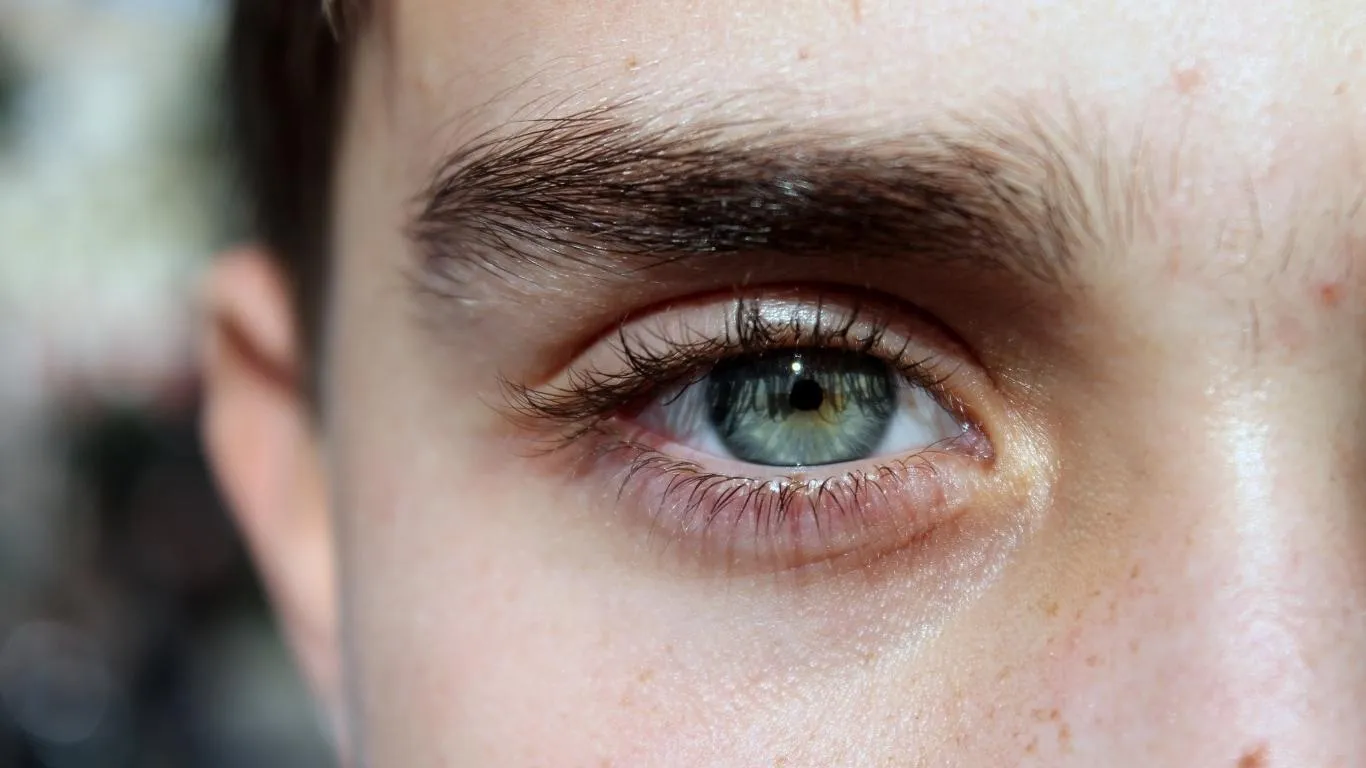
Not every floater means trouble, but here’s when to act fast:
- Floaters appear suddenly and in large numbers
- They come with bright flashes of light
- You notice a dark shadow blocking part of your vision
- Vision becomes blurry or distorted without clearing up
Doctors can examine the back of your eye using a dilated exam. If they find a retinal tear, they can often fix it quickly with a laser procedure. The key is not waiting too long. There’s also this helpful resource on eye trauma and when floaters mean something worse.
And if floaters are affecting your quality of life, there are treatment options. Vitreolysis and vitrectomy are procedures worth discussing—though each comes with its own risks. For a deeper dive, explore this trusted pillar on eye floater treatments.

Camellia Wulansari is a dedicated Medical Assistant at a local clinic and a passionate health writer at Healthusias.com. With years of hands-on experience in patient care and a deep interest in preventive medicine, she bridges the gap between clinical knowledge and accessible health information. Camellia specializes in writing about digestive health, chronic conditions like GERD and hypertension, respiratory issues, and autoimmune diseases, aiming to empower readers with practical, easy-to-understand insights. When she’s not assisting patients or writing, you’ll find her enjoying quiet mornings with coffee and a medical journal in hand—or jamming to her favorite metal band, Lamb of God.