Why Floaters Become More Visible After Meditation
It’s one of those peaceful, meditative mornings—the kind where everything feels aligned. You’re in the zone, your breath steady, your body still… and then, there it is. That squiggly thing again. Floating. Distracting. Almost dancing in your line of vision. It wasn’t that obvious before, right? If you’ve noticed floaters becoming more visible after meditation, trust me, you’re not imagining it. I’ve been there. As someone who practices daily mindfulness, I started to question if the very thing meant to calm me was making my vision more… chaotic.
Why Are Eye Floaters More Noticeable When You Meditate?
Let’s get this out of the way—meditation isn’t creating eye floaters. It’s just making you notice them more. Here’s why:
1. Stillness Changes Perception
We spend so much time moving—scrolling, walking, blinking, adjusting focus. Meditation removes that noise. When you’re still and focused inward, your visual field becomes oddly vivid. The brain starts tuning into things it usually filters out, like those subtle, floating shadows drifting across your vision.
Floaters aren’t the problem. Your increased body awareness is. In a good way, kind of. That deep inner stillness enhances sensitivity—visual, physical, even emotional. So yeah, your floaters didn’t multiply overnight. You just tuned into them more clearly.
2. Light Conditions Amplify the Effect
Ever tried meditating near a window or outdoors with your eyes closed? That soft light seeping through the eyelids actually intensifies the floater effect. Your pupils shrink, the retina gets more evenly lit, and suddenly, floaters cast more pronounced shadows. Even with closed eyes, the retina is still doing its thing.
- Bright white walls or light backgrounds? Even worse.
- Light filtering through trees while meditating outdoors? It can feel like a floater light show.
3. Meditation Boosts Visual Focus
You know those moments in meditation when your mental chatter quiets down, and you can hear your heartbeat or the air moving past your nose? That heightened sensory awareness doesn’t skip your eyes. Floaters become visual noise—and your brain, no longer preoccupied, begins to obsess over it.
One study from the National Library of Medicine even explored how mindfulness practices may change perception of physical sensations—including visual ones. Fascinating, right?
But Wait—Are They Getting Worse?
Honestly, that was my biggest worry. The floaters seemed more intense after each session. But here’s what I found after digging through research and talking to an ophthalmologist: They’re not necessarily getting worse—just more annoying.
However, if you’re seeing sudden bursts of floaters or experiencing flashing lights or blurred peripheral vision, that’s not just post-meditation awareness. That could indicate a retinal issue, which needs immediate attention.
When to See a Doctor
- New floaters appear suddenly or rapidly multiply
- Floaters are accompanied by light flashes or curtain-like shadows
- You notice vision loss in your peripheral field
If any of that applies, skip the self-diagnosing and get checked out. Here’s when floaters are dangerous.
Can Meditation Trigger Actual Eye Changes?
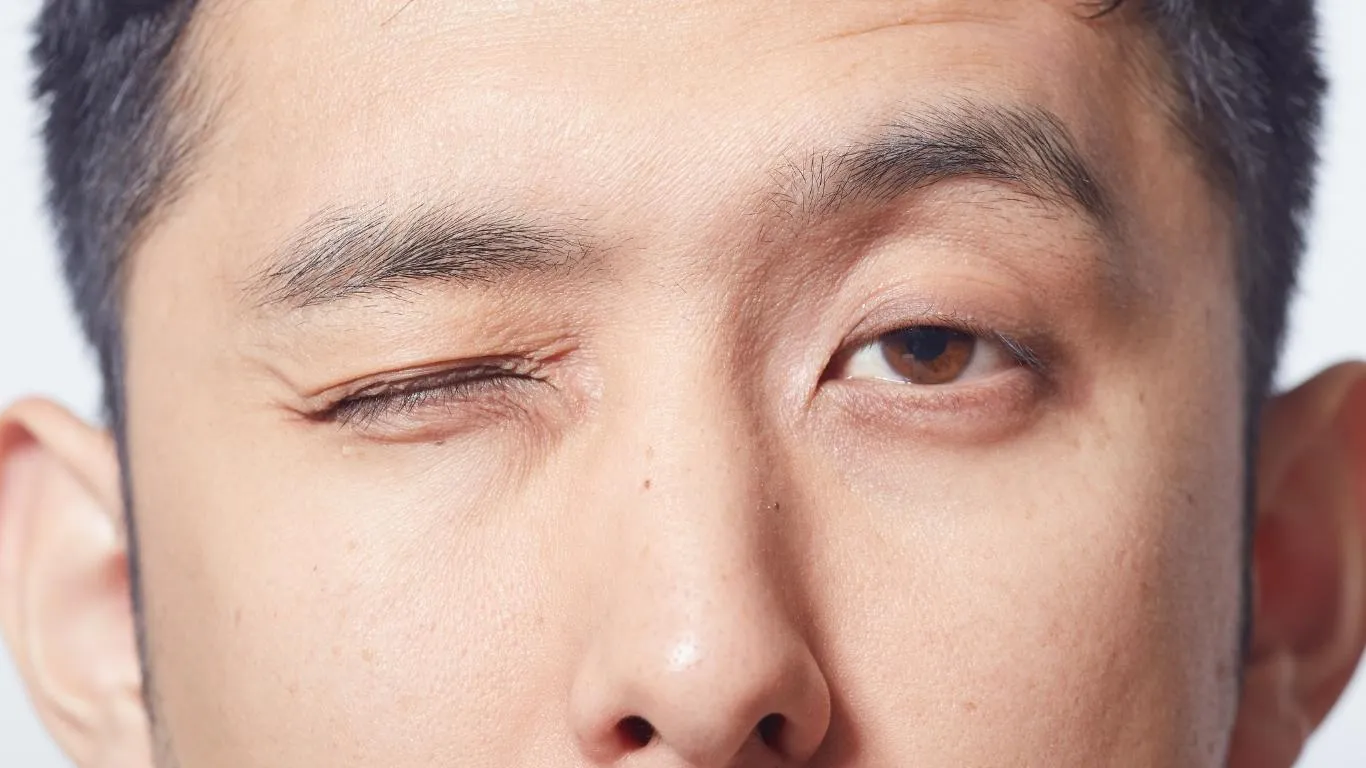
Short answer? Not likely. Meditation doesn’t damage the vitreous humor, which is the jelly-like substance inside your eye that causes floaters when it clumps. But there are a few indirect ways your practice might be overlapping with floater changes:
- Stress relief: Ironically, if you’re meditating because you’re overwhelmed, floaters from prior strain might just be catching up with you.
- Eye strain release: Coming off a screen-heavy day and jumping into a meditation might increase floater awareness. Here’s why screen time worsens floaters.
- Circulation shifts: Deep breathing and slower heart rate can influence intraocular fluid dynamics, though this is more speculative than proven.
What Helped Me Stop Obsessing Over Floaters
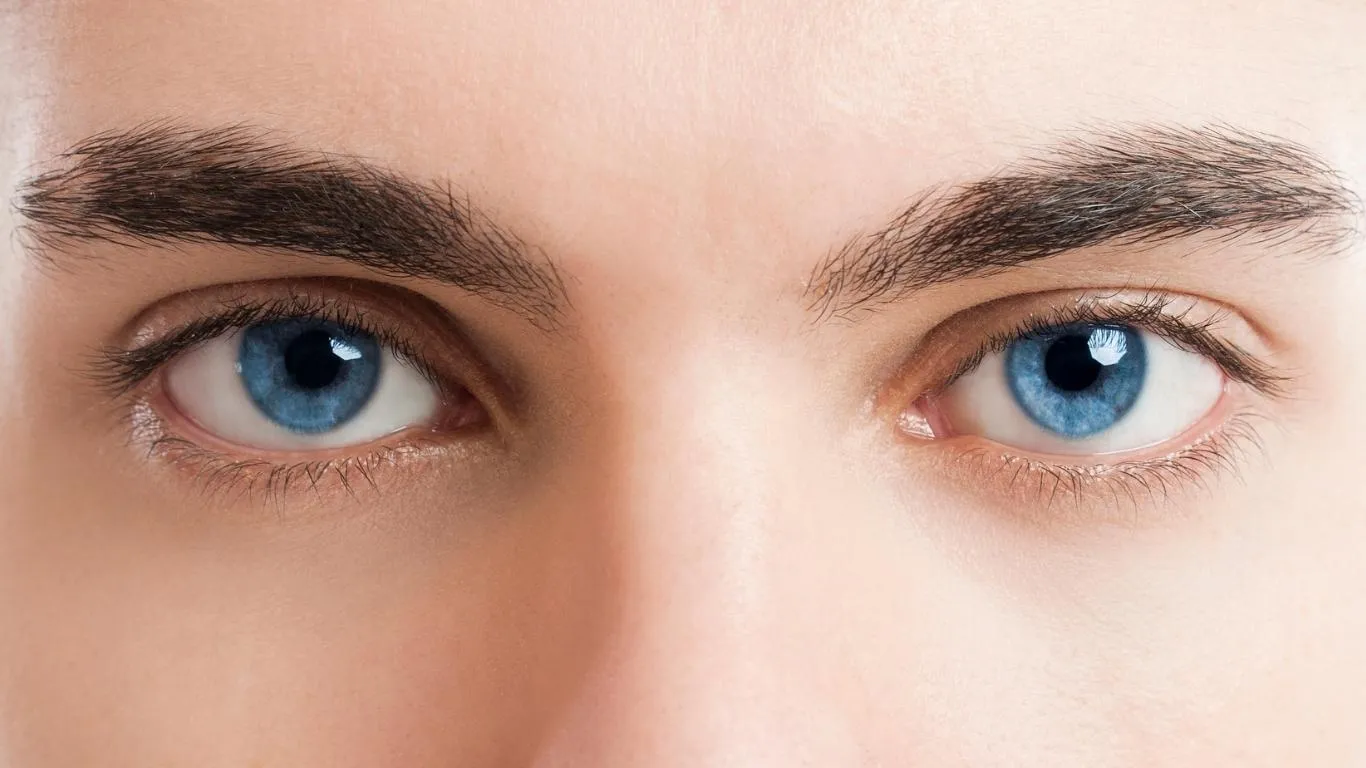
Okay, personal experience moment here. After weeks of frustration, I made a few simple tweaks:
- Eyes-open meditation: I started doing soft-gaze meditations or focusing on a candle. It distracted my visual field from the floaters enough to still be mindful without getting annoyed.
- Darker room: Turns out, less ambient light meant fewer visible floaters. Meditating in a dim room or using an eye mask helped a lot.
- Acceptance: This is cliché but real—mindfulness is about noticing without judgment. Once I stopped panicking, the floaters lost their emotional grip on me.
Interestingly, a similar strategy is discussed in this natural approach to managing floaters.
And if you’re still wondering about the big picture on what floaters are and what really causes them, this comprehensive guide from Healthusias lays it all out perfectly.
For a broader view on how floaters compare to other eye conditions, check this detailed comparison article.
Is There a Way to Reduce Floaters While Keeping Up Your Meditation Practice?
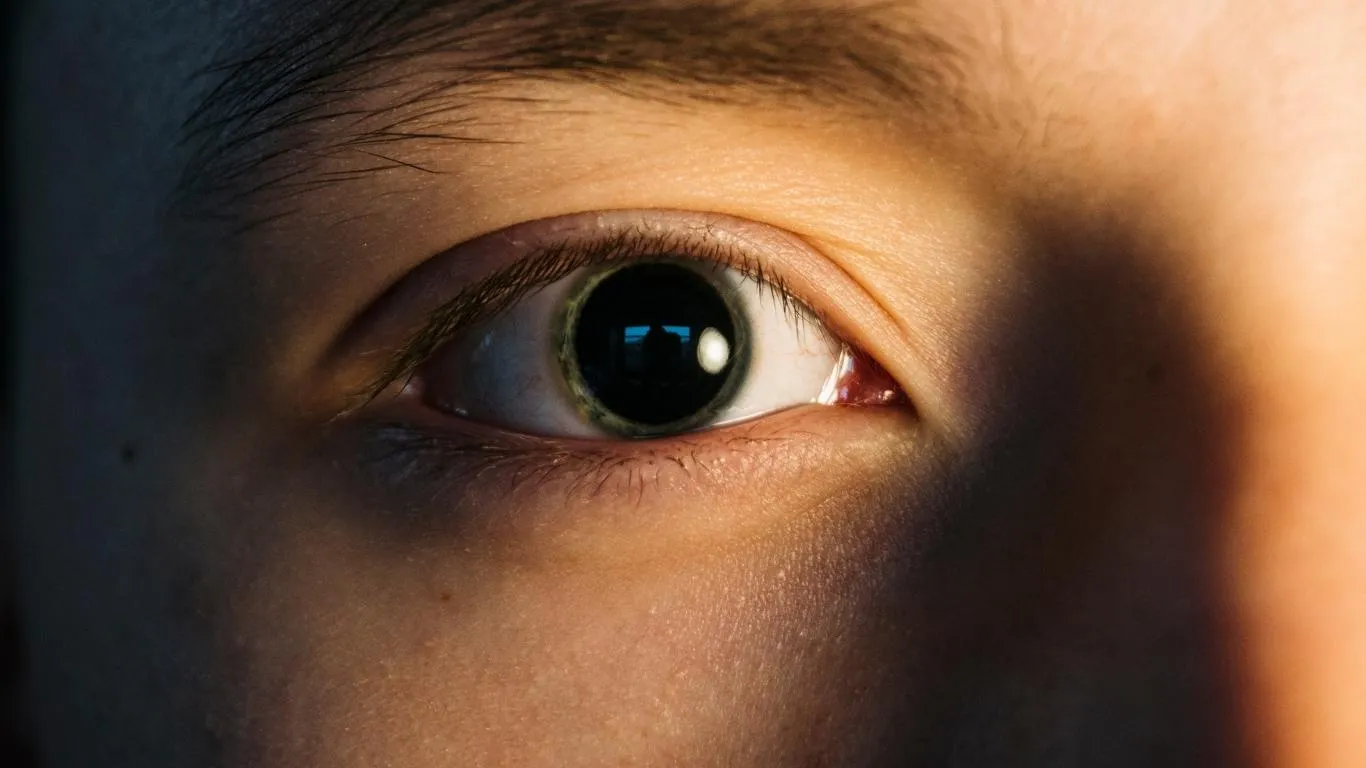
So here’s where I got stuck: I didn’t want to give up meditation—it had helped me manage stress, sleep better, and generally not lose my mind in a noisy world. But the floaters were stealing the peace. I started exploring ways to adapt my practice without abandoning it. Here’s what helped:
1. Grounding Techniques with Eyes Closed
Instead of focusing on breath or body sensations—where floaters were stealing attention—I shifted focus to sound. Ambient sounds, nature recordings, or even white noise helped shift my awareness outward instead of inward (or eyeball-deep).
Try it. Next session, close your eyes and tune into the furthest sound you can hear. It’s weirdly calming, and your mind stops obsessing over the visual floaters. You can thank me later.
2. Guided Meditations That Distract the Visual Field
I gave up silent sits for a while and leaned into guided sessions. Why? The narrative helped me stay focused. I wasn’t scanning the darkness for squiggly invaders. I was too busy visualizing landscapes or repeating affirmations. Visual clarity often improves when mental tension decreases, and this definitely reduced the irritation.
3. Try Floating Focus Techniques
I know that sounds ironic, but hear me out. Instead of resisting the floaters, I started letting them drift in and out of focus. Observing without trying to control. A therapist once told me the trick is to acknowledge floaters like clouds in meditation. They pass. Don’t chase. Don’t fight.
One day, I actually forgot they were there. That moment was golden.
Nutrition & Lifestyle Hacks That Genuinely Helped
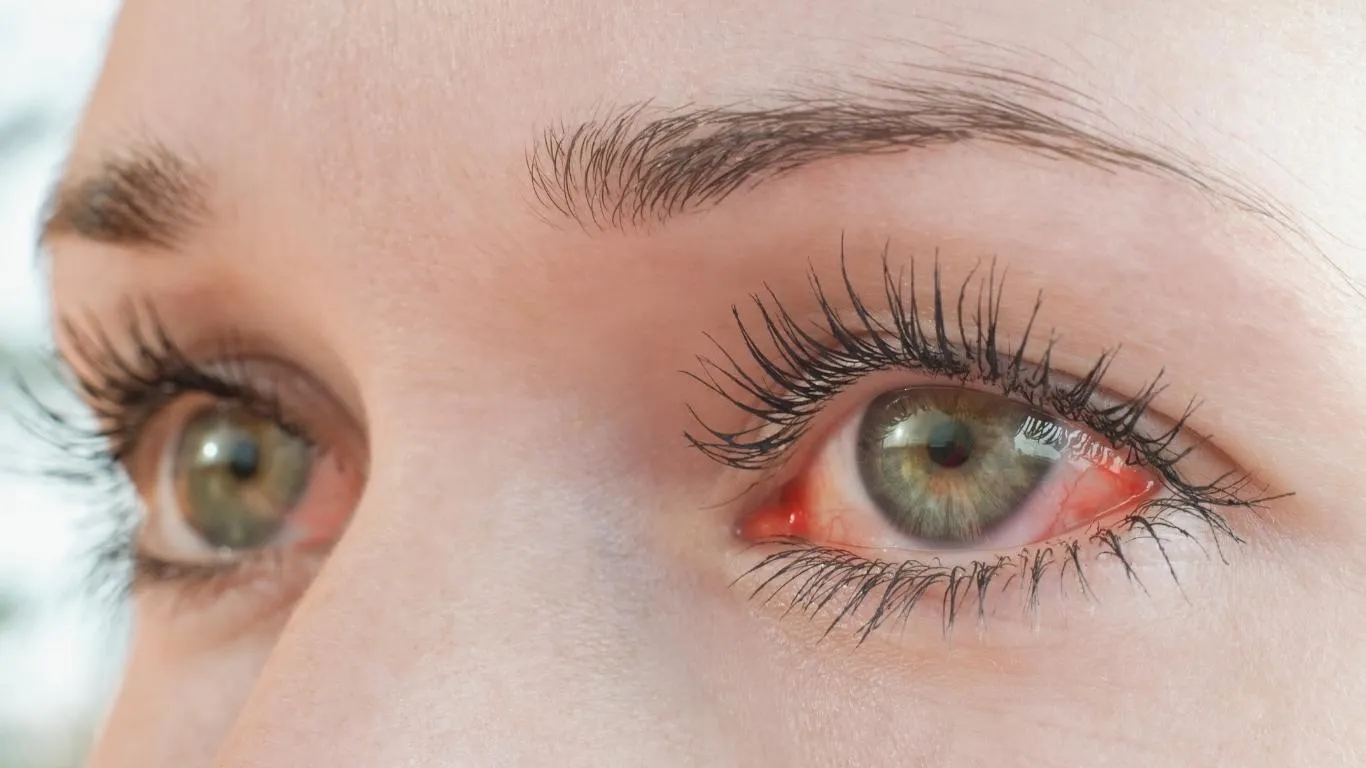
Let’s not pretend we can “cure” floaters with salad. But some dietary shifts did make a difference—maybe in reducing the frequency, or maybe just in reducing my reaction to them.
1. Lutein-Rich Foods
I added spinach, eggs, and yellow peppers into my meals more often. There’s decent evidence lutein supports retinal health. Whether it helped the floaters directly or not, it felt like I was doing something proactive, which helped emotionally.
More on this: foods that support floaters naturally.
2. Hydration Matters More Than You Think
I used to meditate right after coffee. Big mistake. I started hydrating more during the day, and surprisingly, dehydration actually made them worse. Now I drink water with a squeeze of lemon before meditating. Doesn’t make the floaters vanish, but I don’t notice them as much either.
3. Collagen-Supporting Supplements
After talking with my optometrist, I tried collagen type II and vitamin C. There’s debate around this, but some eye-support supplements seem to help maintain the health of the vitreous body.
When Meditation Brings Floaters and Anxiety
This is where things got personal for me. After noticing the floaters during sessions, I began dreading meditation. That spiraled into anxiety about my vision. Which, ironically, made the floaters seem worse. Sound familiar?
There’s this loop some of us get stuck in—floaters appear, we panic, meditation becomes uncomfortable, and the stress makes us hyper-fixate again. That’s when I stumbled on an article that explained how floaters can affect mental wellness. That was the wake-up call I needed.
Breaking the Loop
- Shorten sessions. Instead of 20-minute sits, I dropped to 7-10 minutes. Less time, less chance to fixate.
- Alternate practices. I explored mindful walking, body scan meditation, and journaling—anything to stay mindful without visual fixation.
- Reassurance from experts. Seriously, just talking to a pro helped. Floaters are annoying, but rarely dangerous. That eased the paranoia big time.
Is Meditation Still Worth It If Floaters Steal the Peace?
Absolutely. Floaters aren’t the enemy. They’re just a side effect of a hyper-attuned, focused state—and maybe aging (ugh). Meditation amplifies awareness, and that’s a good thing in the long run. I’ve come to see floaters not as a flaw in the experience, but a reminder that my vision—like my thoughts—is always shifting.
Want to understand the full picture of what causes floaters? Check out this solid resource from Healthusias’ pillar article on eye floaters. And if you’re still comparing symptoms, this detailed guide on eye floaters vs. other issues breaks it all down clearly.
If meditation is making your floaters more obvious, you’re not alone—and you’re definitely not broken. There’s a way to blend inner peace with visual distractions. It just takes practice, patience, and a little perspective shift.

Camellia Wulansari is a dedicated Medical Assistant at a local clinic and a passionate health writer at Healthusias.com. With years of hands-on experience in patient care and a deep interest in preventive medicine, she bridges the gap between clinical knowledge and accessible health information. Camellia specializes in writing about digestive health, chronic conditions like GERD and hypertension, respiratory issues, and autoimmune diseases, aiming to empower readers with practical, easy-to-understand insights. When she’s not assisting patients or writing, you’ll find her enjoying quiet mornings with coffee and a medical journal in hand—or jamming to her favorite metal band, Lamb of God.