Why Floaters Linked to Vitreous Syneresis Can Disrupt Your Vision
So here’s the thing—I never paid much attention to those little specks floating across my vision until they started showing up more often. You know the ones—squiggly lines, translucent blobs, or shadowy dots that dart away every time you try to focus on them. Turns out, what I brushed off as just “eye gunk” is something called floaters, and they’re often linked to a process known as vitreous syneresis. If you’ve been noticing these more frequently, you’re not alone, and there’s a good reason your eyes are trying to tell you something.
Understanding Vitreous Syneresis: What’s Actually Going On in Your Eye?
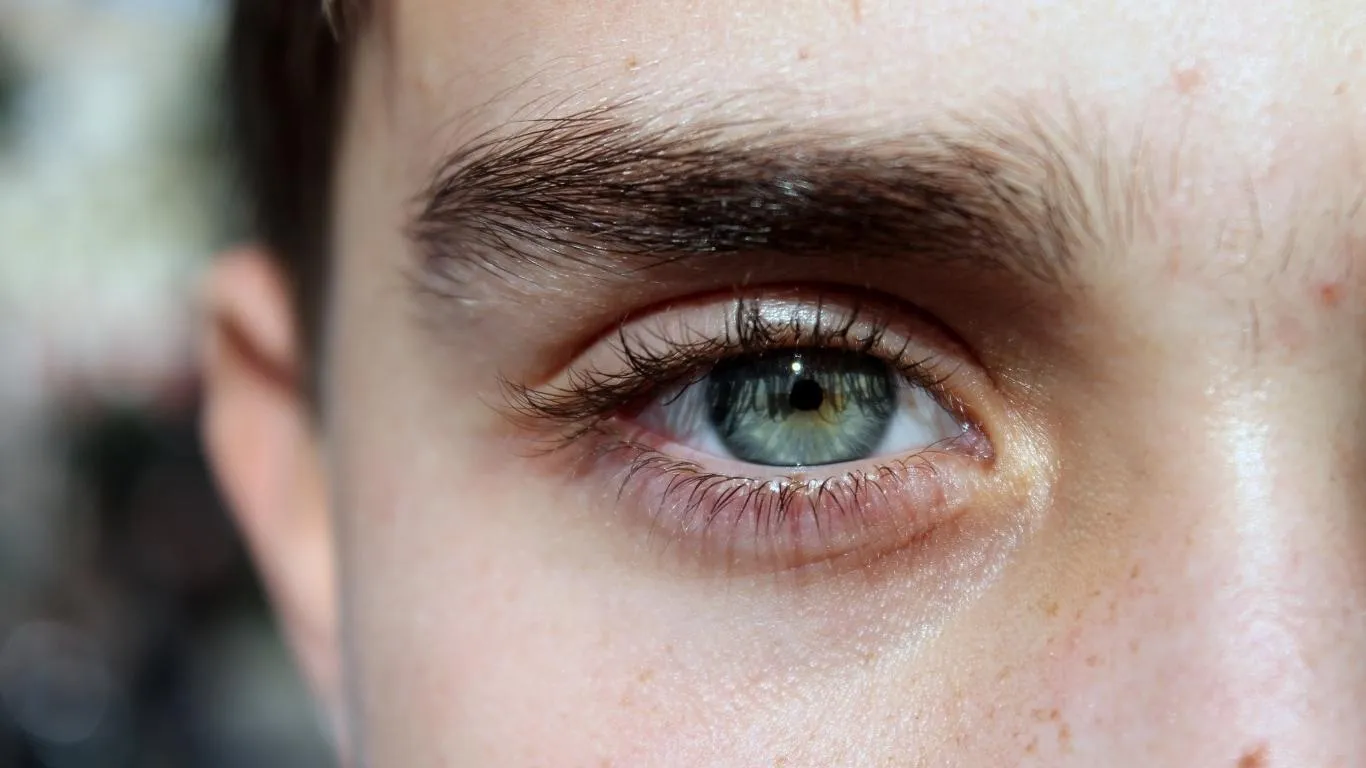
Imagine the inside of your eye as a clear gel—this is your vitreous humor. It’s 99% water, but its structure is like a jelly held together by collagen and proteins. As we age, that jelly starts to liquefy and shrink, a process known as vitreous syneresis. When that happens, tiny clumps of collagen fibers form and float in the gel. And guess what? That’s what you’re seeing when you spot those floaters.
This change doesn’t just affect the texture—it physically pulls away from the retina, which can be a big deal if left unchecked. Think of it like Jell-O pulling away from the sides of a bowl; only this time, it’s happening inside your eyeball. Creepy? A little. But totally real.
How Common Is It, Really?
Most people experience floaters by the time they hit their 40s or 50s. Some studies suggest up to 76% of folks over 65 show signs of vitreous degeneration. And yet, not all floaters are created equal. In my case, it started with subtle gray threads during screen time or bright outdoor walks. Others see big black blobs or fast-moving flecks.
In fact, age-related vitreous changes are one of the most underappreciated causes of floaters. We often blame screens or fatigue, but this jelly breakdown is quietly happening in the background for most of us.
Why Do They Move When You Try to Look at Them?
Okay, so here’s a fun fact I learned during an eye exam. Floaters appear to dart away when you try to look directly at them because they’re actually floating inside your eye’s vitreous gel. When your eyeball moves, the floaters shift with the gel. They’re not sitting on your retina or lens—they’re suspended mid-eye, like seaweed drifting in water.
This little dance is what makes them extra annoying and hard to describe to doctors. One day it’s a speck, the next it’s a ring. Some float like jellyfish in slow motion. If you’ve ever tried to explain this to someone and they gave you the “are you okay?” look—yeah, same.
Should You Be Worried?
Here’s where things get a little serious. Most of the time, floaters caused by vitreous syneresis are harmless—just annoying visual distractions. But (and this is important) sudden bursts of new floaters, especially if accompanied by flashes of light, could mean a retinal tear or detachment. Been there, freaked out, called my optometrist at 8 AM. It’s not something to mess around with.
That’s why it’s crucial to monitor changes. You can learn more about posterior vitreous detachment—a common condition tied to floaters—because while it often resolves without treatment, it can sometimes lead to complications.
What Triggers Vitreous Syneresis (Besides Age)?
Age isn’t the only culprit. There are several triggers that can accelerate this process or make floaters more noticeable:
- High myopia (nearsightedness): Myopic eyes are elongated, placing extra strain on the vitreous.
- Trauma: Head or eye injuries can disrupt the gel structure.
- Eye surgeries: Cataract procedures sometimes lead to sudden vitreous changes.
- Inflammation: Eye conditions like uveitis can degrade collagen fibers faster than normal.
In my case, my high screen time and mild myopia were the likely culprits. Pair that with age, and it was the perfect storm for jelly breakdown. Articles like this one explain how even lifestyle choices like poor hydration or screen habits can make floaters worse.
What Can You Actually Do About It?
Let’s be real—there’s no magic pill to eliminate floaters completely (yet). But there are a few ways to manage or reduce their impact:
- Stay hydrated – Your vitreous is mostly water. Dehydration makes floaters more noticeable.
- Eat eye-healthy nutrients – Antioxidants, Vitamin C, and collagen supplements may help maintain vitreous integrity. Related read: best supplements for collagen in the eye.
- Get regular eye exams – Always monitor sudden floaters or vision changes.
And don’t overlook the value of good sleep, reduced screen time, and even eye yoga (yes, that’s a thing). If you’re curious, check out these eye exercises that are designed specifically for floaters.
For a deeper dive into causes and treatments of floaters, the main guide on treatment options is incredibly helpful, especially if you’re considering whether to wait it out or explore laser treatment or vitrectomy. And of course, the comprehensive main article covers everything from A to Z if you’re just getting started.
Are Treatments Worth It? My Honest Take
Let’s talk about the elephant in the room: Should you get treatment for floaters? I’ve asked myself this a dozen times—usually when that one annoying blob floats into the center of my vision right when I’m driving or watching a movie. But here’s the thing: not all treatments are created equal, and not everyone needs them.
The go-to options? Here’s the quick breakdown:
- Vitrectomy – A surgical procedure that removes the vitreous gel entirely. Highly effective but comes with risks like retinal detachment and cataracts.
- Laser vitreolysis – Uses a laser to break floaters apart. It’s non-invasive but only works for certain types and locations of floaters.
- Observation – Still the most common “treatment.” You wait and adapt unless symptoms get worse.
I haven’t gone the surgery route. My ophthalmologist basically said, “Unless these floaters are wrecking your quality of life, try to live with them.” Honestly? That was both relieving and a little frustrating. But the more I read, the more I realized that’s pretty standard advice. The science backs it up too—see this breakdown of treatment options for more on what works and what’s still experimental.
Can Lifestyle Tweaks Really Help?
Surprisingly, yes. While lifestyle changes won’t eliminate floaters, they can help you manage their intensity and frequency. For me, shifting a few daily habits made a noticeable difference.
- Better hydration: I used to be the “one coffee, no water” guy. Bad idea. Once I bumped my water intake, floaters became less prominent.
- Screen time moderation: Cutting down late-night scrolling helped reduce the strain—and I swear, my vision felt “cleaner.”
- Diet upgrade: Omega-3s, Vitamin C, and collagen-rich foods. It’s not a cure, but it supports overall eye health.
These tips might sound basic, but if you’re dealing with persistent floaters, every little bit helps. You can dive into practical advice on that in this helpful article—even if your floaters didn’t come from an infection, the lifestyle changes still apply.
When Floaters Are a Sign of Something Bigger
Floaters aren’t always innocent. While vitreous syneresis is common and usually harmless, floaters can sometimes be the first warning sign of underlying issues—especially when they show up suddenly or are accompanied by flashes, vision loss, or eye pain.
Conditions like autoimmune diseases, diabetic retinopathy, and uveitis are all known to mess with the vitreous body. If your floaters are changing rapidly or coming with other symptoms, don’t wait—book that eye exam. No YouTube diagnosis, no Reddit deep dive. Just a real, human doctor.
Floaters and Emotional Burnout: The Link I Didn’t Expect
Here’s something they don’t talk about enough—how mentally exhausting floaters can be. At one point, I thought I was imagining it. The constant twitch of my eye chasing shadows. The stress of wondering if this is “normal” or “the beginning of something worse.”
Turns out, stress doesn’t just impact your sleep—it can literally make floaters more noticeable. Cortisol affects blood flow and eye pressure. Sleep deprivation doesn’t help. Add anxiety, and your awareness skyrockets, making floaters feel even worse than they are.
That realization changed how I approached my day. I started meditating again. Got back into journaling. Floaters didn’t vanish, but they stopped dominating my mental real estate. If you’re feeling overwhelmed by them, trust me—you’re not being dramatic. It’s valid, and there are ways to cope.
Where Research Is Headed (And Why I’m Hopeful)
Here’s the good news—eye research is advancing. There are trials for injectable enzymes that could dissolve floaters, new laser precision systems, and even gene therapy possibilities. Some are still years away from approval, but it’s no longer a pipe dream to hope for non-invasive floater removal one day.
And that gives people like us some peace of mind. Because even if we’re told to “just deal with it,” it’s reassuring to know there are scientists and ophthalmologists out there working to make sure we don’t have to forever.
If you want to keep track of how your floaters evolve over time (and I recommend it), check out this tracker guide. It’s easy, practical, and could help your doctor spot serious changes early.
Don’t Ignore What Your Eyes Are Telling You
At the end of the day, floaters linked to vitreous syneresis are part of the natural aging process—but that doesn’t mean they should be ignored. Knowing what causes them, how to manage them, and when to seek help can make all the difference between living with peace or low-grade panic every time you blink.
If you’re still feeling unsure, start with the pillar article on floaters’ causes. And for the full scope—from what they are to what to do next—the main guide at Healthusias.com’s floater hub is where I got most of my clarity.

Camellia Wulansari is a dedicated Medical Assistant at a local clinic and a passionate health writer at Healthusias.com. With years of hands-on experience in patient care and a deep interest in preventive medicine, she bridges the gap between clinical knowledge and accessible health information. Camellia specializes in writing about digestive health, chronic conditions like GERD and hypertension, respiratory issues, and autoimmune diseases, aiming to empower readers with practical, easy-to-understand insights. When she’s not assisting patients or writing, you’ll find her enjoying quiet mornings with coffee and a medical journal in hand—or jamming to her favorite metal band, Lamb of God.