Why Floaters With Headaches But No Migraine Shouldn’t Be Ignored
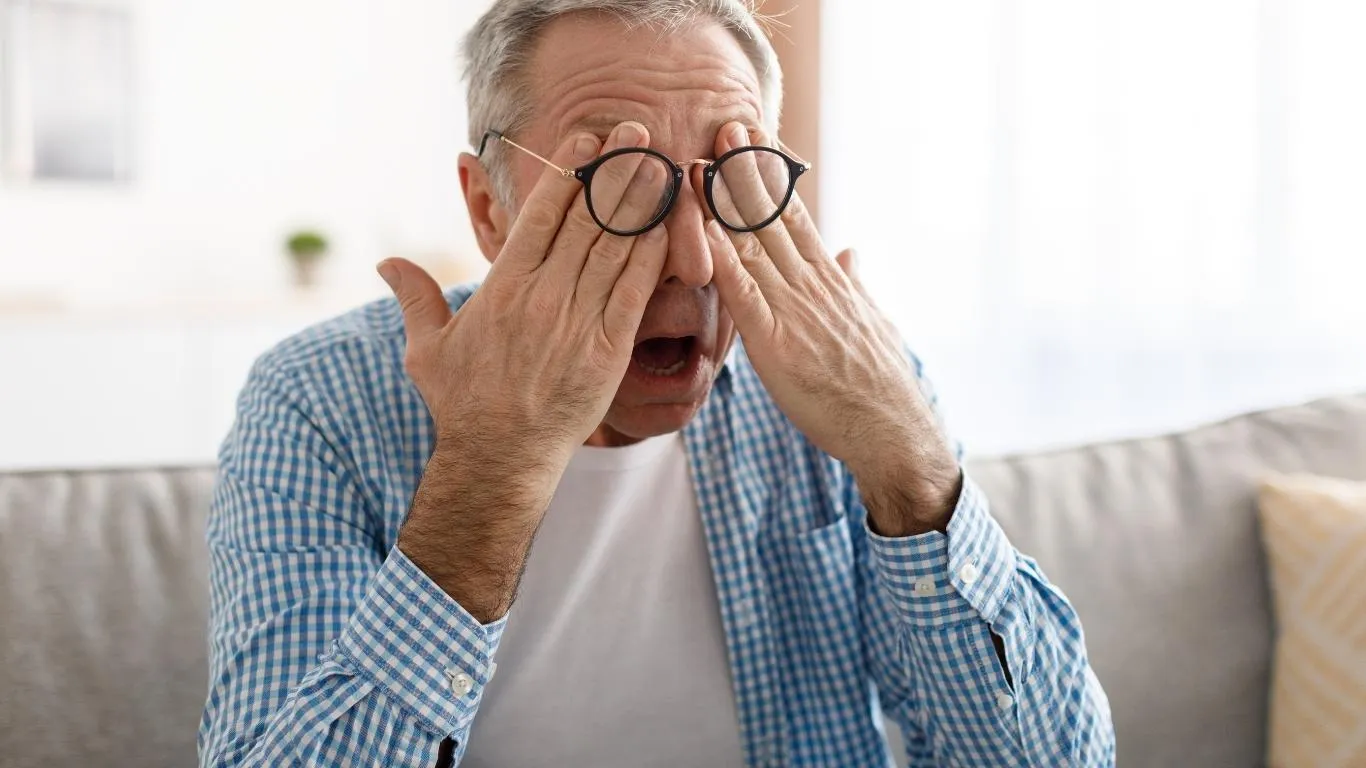
One morning, I woke up and noticed small dark spots drifting across my vision. It wasn’t my first time seeing floaters, but what puzzled me more was the dull, persistent headache that came with them—without any signs of a migraine. No throbbing pain, no aura, no nausea. Just a weird, disconnected pressure and these floating specks messing with my day. It made me wonder: what’s going on when you experience floaters with headaches, but no migraine?
Understanding the Link Between Eye Floaters and Headaches
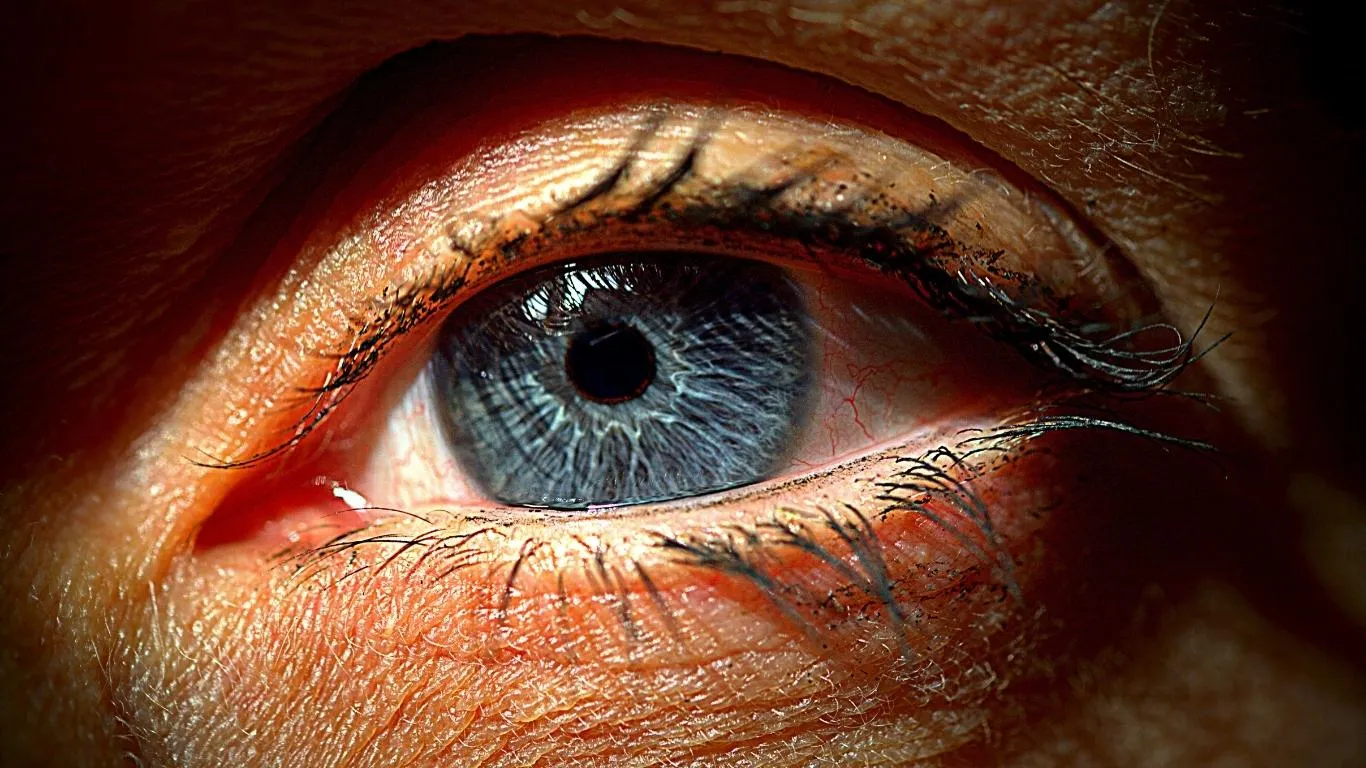
Floaters are tiny, shadowy specks or strings that drift across your visual field. Most of the time, they’re harmless and related to age-related changes in the vitreous gel inside the eye. But when they appear alongside unexplained headaches, especially ones that aren’t clearly migraines, it raises more questions than answers.
While headaches are incredibly common and can stem from tension, eye strain, or neurological issues, pairing them with floaters—*without classic migraine symptoms*—deserves a closer look.
So, Is It Something to Worry About?
Not always. Sometimes the combination is benign, like when you’ve been staring at a screen too long or skipped sleep. But there are instances when this combo can hint at more serious problems, like increased intraocular pressure, early signs of inflammation, or blood vessel issues that haven’t yet escalated to a full migraine.
Conditions such as uveitis or even tension-type headaches can cause floaters and non-migraine head pain. But diagnosing it isn’t always straightforward.
What Can Cause Floaters with Headaches—but No Migraine?
1. Eye Strain and Fatigue
One of the most overlooked causes is simple—but powerful: eye strain. Whether you’re staring at a monitor for eight hours straight, doomscrolling, or binge-watching Netflix, your eyes can rebel. Combine that with poor posture, inadequate hydration, or lack of sleep, and you’ve got the perfect recipe for tension headaches and floaters to appear together.
- Dry or burning eyes
- General visual discomfort
- Headaches centered behind the eyes or forehead
Eye floaters don’t result directly from strain, but when your eyes are overworked, your perception of them becomes more acute. It’s similar to how floaters seem worse when you look at a bright sky or blank wall. And yes, screen time can be a culprit.
2. Vitreous Detachment
This one’s more medical and usually age-related. Posterior vitreous detachment (PVD) occurs when the gel-like substance inside your eye pulls away from the retina. It often causes a sudden increase in floaters—and yes, it can come with mild, odd headaches without migraine features.
If you’re over 40, this could be the silent explanation. And it can happen without retinal damage—but it’s wise to rule that out. Read more about PVD here.
3. Ocular Hypertension or Glaucoma Warnings
Glaucoma often flies under the radar until it starts affecting vision. Floaters aren’t a classic sign, but visual disturbances combined with headaches could point to increased pressure in the eye. It’s sneaky, painless at first—but not risk-free.
If you’re noticing blurry vision, eye discomfort, and that lingering dull headache with floaters, ask your eye doctor to check for ocular hypertension. Learn how glaucoma meds affect floaters too.
4. Inflammation-Driven Conditions
When your immune system is out of whack, it often brings friends: inflammation and eye issues. Autoimmune disorders can silently inflame parts of the eye—like in uveitis—leading to floaters and vague head pressure.
There’s a great article covering this connection in more detail: autoimmune floaters warning signs.
Is It Possible You’re Just Tired or Dehydrated?
Absolutely. One of the most overlooked factors is hydration. When you’re dehydrated, blood flow to the brain drops, your eyes dry out, and your head starts pounding. Toss in floaters—already present but now more noticeable—and it starts to look suspiciously like something bigger. But it might just be a hydration check.
See this: dehydration & floaters connection.
Also, prolonged stress and fatigue often worsen this combo. I’ve had stretches of intense work when I wasn’t sleeping well—and bam, there they were: floaters drifting around while a mild, constant pressure settled behind my eyes. No aura. No light sensitivity. Just a solid, unfun mix of tension and distraction.
When Should You Worry About This Combo?
If the floaters suddenly increase in number, are accompanied by flashes of light, or your peripheral vision starts to blur out—don’t wait. These could be warning signs of retinal tears or more serious neurological issues. Especially if the headache shifts, intensifies, or starts resembling a pressure that builds toward the back of your skull.
Here’s a helpful breakdown on that: retinal tear floaters alert.
Otherwise, for persistent cases where floaters and headaches coexist for days or weeks without migraine traits, book a comprehensive eye exam. You might also want to explore this pillar guide on floaters causes and the main floaters overview.
Additional Clues That May Help
- Are your floaters new or have they been around for a while? Sudden onset is more alarming.
- Does your vision blur when the headache peaks? That may point to eye pressure changes.
- Do the floaters look like cobwebs, dots, or smoke? Their appearance can help narrow down causes.
It’s a weird combo, I know. But floaters with headaches that *don’t* follow the migraine script deserve their own space in the conversation—especially when they show up together more than once.
#LNF

Camellia Wulansari is a dedicated Medical Assistant at a local clinic and a passionate health writer at Healthusias.com. With years of hands-on experience in patient care and a deep interest in preventive medicine, she bridges the gap between clinical knowledge and accessible health information. Camellia specializes in writing about digestive health, chronic conditions like GERD and hypertension, respiratory issues, and autoimmune diseases, aiming to empower readers with practical, easy-to-understand insights. When she’s not assisting patients or writing, you’ll find her enjoying quiet mornings with coffee and a medical journal in hand—or jamming to her favorite metal band, Lamb of God.