Why Teachers Struggle With Back Pain From Standing Too Long
It sneaks up on you. You start your school day upright, energetic, greeting students with a smile. But by the end of third period, that nagging ache creeps into your lower back. If you’re a teacher who spends hours on your feet, you probably know exactly what I’m talking about. As someone who taught in middle schools for over a decade, I can tell you—prolonged standing back pain isn’t just common; it’s practically a silent coworker in the classroom. And no, it’s not something you should just “push through.”
Why Teachers Are Prone to Back Pain from Standing
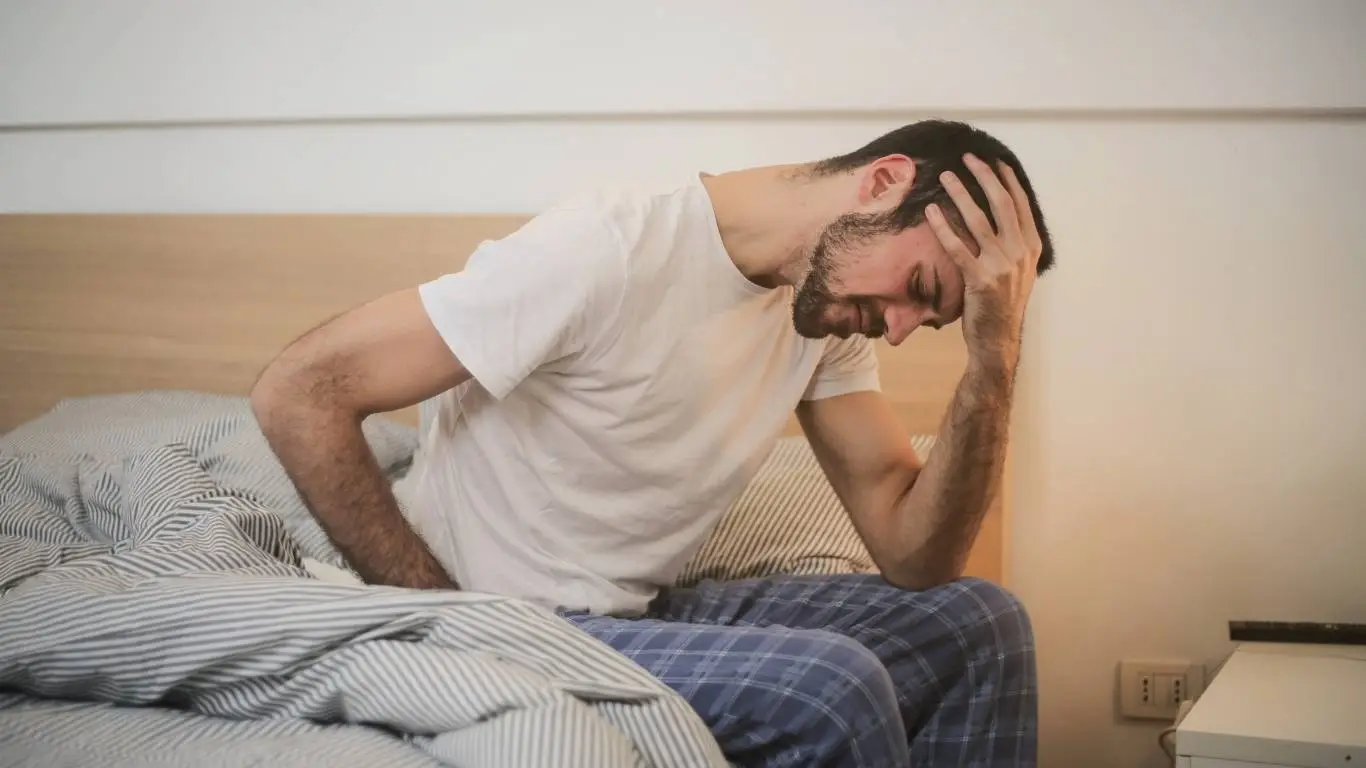
Unlike jobs that allow sitting breaks, teaching often demands constant motion—pacing the classroom, standing at the whiteboard, leaning over desks. This puts your back, especially the lower lumbar region, under repetitive stress. That pain? It’s not just “tired muscles.” Over time, it can signal something deeper.
The Pressure of Poor Posture
Teaching isn’t just physical—it’s mental, emotional, and sometimes downright acrobatic. But here’s the thing: good posture is usually the first casualty. Whether you’re leaning to write on the board or twisting to grab something from your desk mid-lecture, poor form becomes habitual. And habitual strain leads to pain. Learn more about how posture silently triggers back pain.
The Footwear Factor
Dress codes don’t always consider back health. Stylish shoes often lack support, and even “sensible” ones may not be designed for standing hours on hard floors. In my first few years, I thought my flats were comfortable—until my lower back started flaring up halfway through the day. It turns out, your shoes could be sabotaging your spine.
Identifying the Signs You Shouldn’t Ignore

It’s easy to brush off minor aches, especially when students need your attention. But certain symptoms should raise a red flag. Pain that lingers after work, stiffness in the morning, or sharp sensations while bending? These could indicate early disc degeneration, muscle imbalances, or worse.
- Persistent pain lasting more than two weeks
- Pain that radiates into the hips or legs
- Tingling or numbness in feet
- Difficulty standing after sitting down
Any of these could be linked to deeper issues. Explore how herniated discs or degenerative disc disease can progress if ignored.
Realistic Solutions That Actually Help
Now for the good news: relief is possible without upending your routine or investing in gimmicks. I’ve personally implemented many of these strategies in my classroom years—and they work.
Change Your Standing Habits
It’s not about standing less, but standing smarter. Alternate between sitting and standing when possible. Even taking 60 seconds to stretch behind your desk between periods can interrupt stress patterns on your spine.
Use Supportive Tools
If your school allows it, try a standing mat behind your podium. It cushions pressure on your heels and lower back. Also, lumbar cushions on your chair or a footstool under your desk while sitting can make a big difference. Learn which supports actually help vs. those that don’t.
Incorporate Easy Daily Stretches
You don’t need a yoga mat in the staff room. Just a few back extensions, side bends, or hamstring stretches at lunch can reduce stiffness. Here’s a great guide to teacher-friendly stretches.
Movement Beyond the Classroom

Ironically, sitting in the car after work might worsen the problem. That seated position tightens hip flexors, compresses the lower spine, and undoes any progress you’ve made during the day. I started parking a little further from school and walking a few minutes before and after work. That brief walk doubled as therapy and decompression.
Other off-duty strategies include:
- Yoga or Pilates: See how Pilates reshapes core support.
- Swimming: Gentle, full-body movement without pressure.
- Massage or bodywork: Occasional sessions helped loosen chronic tension from my teaching days.
Underlying Medical Issues to Consider

If home remedies stop helping, it’s time to dig deeper. Prolonged standing may have unmasked an underlying issue. Have you explored the differences between sciatica vs general back pain? Or how inflammatory conditions like ankylosing spondylitis affect teachers?
Diagnostics matter. Imaging like MRIs or posture assessments might reveal overlooked issues that only flare during long teaching days. Addressing root causes now can spare you bigger problems later.
Where to Learn More and Take the Next Step
There’s a vast landscape of back pain knowledge—and not all of it applies to educators. But the occupational back pain guide dives deep into issues tied to teaching and other physically demanding roles. It’s where I learned how prolonged standing changes spinal dynamics over time.
For a broader foundation on spine health, lifestyle support, and treatment options, check out our complete back pain hub. The deeper your understanding, the stronger your classroom resilience becomes.
And if you’re ready to take back control—one stretch, one habit at a time—you’re not alone. There’s a whole world of teachers doing the same.
Advanced Treatment Options Teachers Shouldn’t Overlook

If the stretches, posture tweaks, and supportive tools just aren’t cutting it anymore, it might be time to explore more focused medical interventions. I resisted this for years, thinking, “It’s not that bad yet.” But once I tried a few options, I was amazed at how much better my back (and mood) felt in the classroom.
Epidural Steroid Injections
For inflammation that’s pressing on nerves, an epidural steroid injection might calm things down fast. It’s not a permanent fix, but it can offer major short-term relief and give your body space to heal.
Radiofrequency Ablation (RFA)
This minimally invasive procedure uses heat to disable the nerves causing chronic pain. I know a colleague who swears by it after struggling for years with lumbar issues. Learn how RFA might change your classroom experience.
Osteopathic or Chiropractic Care
There’s debate around these approaches, but in my personal experience, a skilled practitioner who understood my work demands was worth every session. Especially those that combined manipulation therapy with posture coaching and soft-tissue work.
Ergonomics: Your Invisible Support System

The classroom itself can either support your spine—or slowly break it. Most of us don’t get to redesign our teaching environments, but small changes can still make a massive impact.
Desk Setup & Movement Zones
Standing behind the same lectern for hours? Try setting up two or three “stations” within your room so you rotate naturally during lessons. Even turning your desk into a standing desk for grading between classes helps avoid stagnation.
Better Chairs (When You Actually Get to Sit)
When you finally sit during lunch or planning periods, make that time count. Investing in one of the best ergonomic chairs could change how your back recovers mid-day.
Footwear & Flooring Hacks
If you can’t change your shoes (I get it, dress codes), try anti-fatigue floor mats where you stand most. Or change into supportive insoles right before class. You’d be surprised how flat feet quietly sabotage your lower back.
Lifestyle Tweaks That Build Resilience

Your work habits aren’t the only thing impacting your spine. Nutrition, sleep, and stress levels all play a major role—especially for teachers, who often put their health last.
Eat with Inflammation in Mind
After a few flare-ups, I started experimenting with anti-inflammatory foods. Omega-3-rich meals, turmeric supplements, and less processed junk really made a difference. Curious? Explore how an anti-inflammatory diet reduces chronic tension in your lower back.
Supplements That Actually Help
- Omega-3s
- Turmeric/Curcumin
- Vitamin D
- CBD Oil (with professional guidance)
Better Sleep = Better Spine
Most people don’t realize their mattress might be ruining their back. I changed mine after five years and the overnight difference in pain was wild. Pair that with the best sleeping positions for spine health, and you’ll finally let your back recover while resting.
The Role of Mental and Emotional Stress
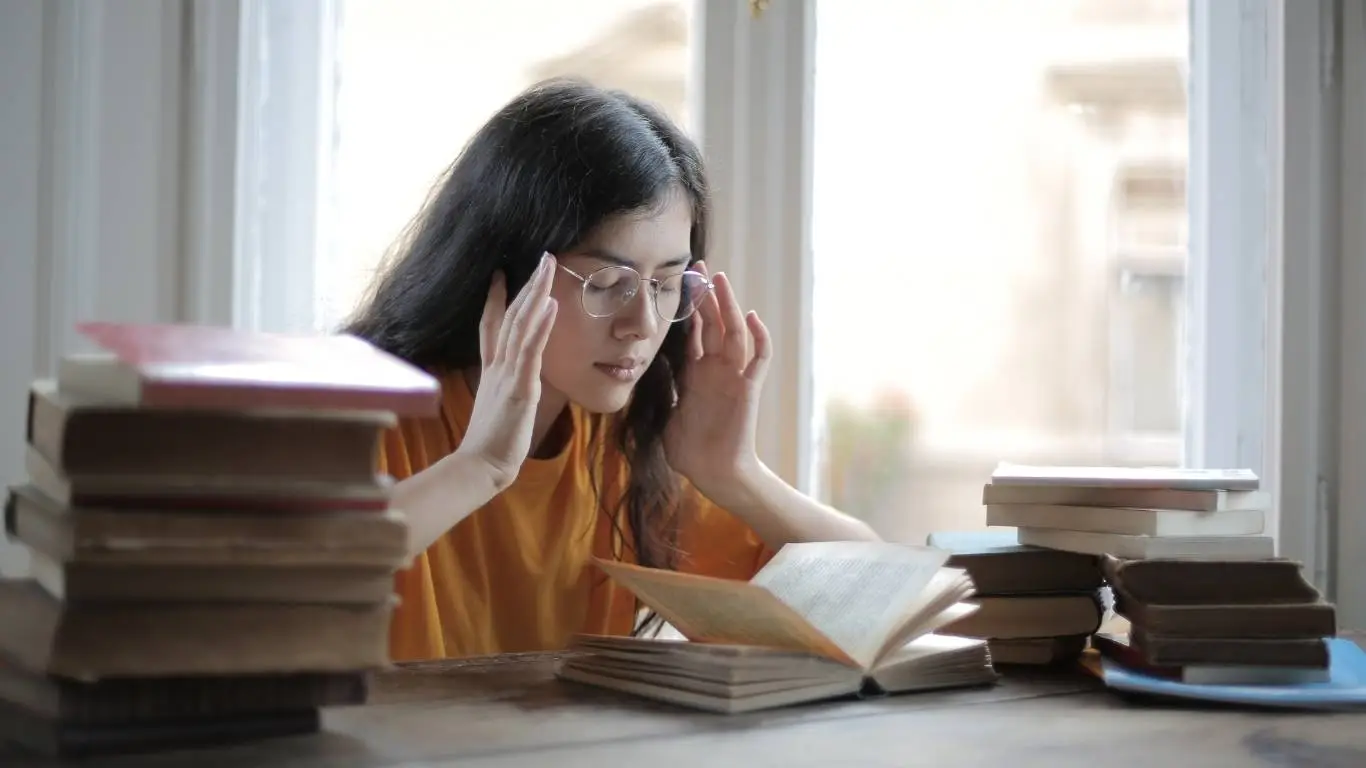
It’s not just physical. Chronic pain messes with your head, your patience, and even your joy in teaching. I’ve had days where the pain made me snappy with students, or emotionally drained by the time I got home. It’s normal—but not inevitable.
Stress Management Isn’t Fluff
Guided breathing, mindfulness apps, or even just 5 minutes alone in your car before heading into school helped lower my tension and reduced my pain noticeably. This isn’t just anecdotal—studies show that stress heightens pain signals. Learn how your mind affects your back more than you think.
Get Support From Colleagues
Sometimes, just talking about it helps. Once I opened up in our staff group chat, three other teachers admitted they were dealing with the same thing. Now we share stretches, chair tips, and chiropractor recs weekly.
Explore More Teacher-Specific Back Pain Strategies

If you’re deep in the teaching world and constantly battling lower back pain, you’re not alone—and you’re definitely not out of options. For broader, in-depth strategies tailored to your profession, explore the full guide on occupation-related back pain.
Want to dive even deeper into causes, treatments, and the full anatomy of back pain? Explore our primary resource at Healthusias Back Pain Hub to build your personal path to relief—one informed choice at a time.

Camellia Wulansari is a dedicated Medical Assistant at a local clinic and a passionate health writer at Healthusias.com. With years of hands-on experience in patient care and a deep interest in preventive medicine, she bridges the gap between clinical knowledge and accessible health information. Camellia specializes in writing about digestive health, chronic conditions like GERD and hypertension, respiratory issues, and autoimmune diseases, aiming to empower readers with practical, easy-to-understand insights. When she’s not assisting patients or writing, you’ll find her enjoying quiet mornings with coffee and a medical journal in hand—or jamming to her favorite metal band, Lamb of God.