Why Unexpected Panic Attacks Feel So Real and So Terrifying
If you’ve ever felt like the floor suddenly dropped out from under you, your heart slammed into overdrive, and your chest tightened like a vice—all for no clear reason—you’re not alone. That’s exactly what happened to me last fall while grocery shopping. One minute I was debating almond butter vs. peanut, the next I was convinced I was having a heart attack. Surprise: it was an *unexpected panic attack*. I didn’t see it coming. No warning signs. No slow build. Just a full-blown storm out of nowhere. That terrifying, bewildering experience sparked my deep dive into understanding what these episodes really are, why they happen, and most importantly, how to stop them from secretly hijacking your life.
What Makes a Panic Attack ‘Unexpected’?

Most people assume panic attacks only happen during stressful situations. That’s not the case. Unexpected panic attacks are exactly what they sound like—they come out of nowhere, without an obvious trigger. You’re not in danger, you’re not stressed, and yet, your body suddenly flips into full-on survival mode.
Clinically, these episodes are described as uncued panic attacks. They often strike during calm moments—driving, walking the dog, even while relaxing. That randomness? It’s what makes them especially unsettling.
Symptoms That Come Out of Left Field
- Pounding or racing heart
- Shortness of breath or choking sensation
- Chest pain that mimics a heart attack
- Dizziness or lightheadedness
- Sudden chills or hot flashes
- Tingling in hands, feet, or face
- Intense fear of losing control or dying
These symptoms can be so intense that many people end up in the ER convinced something is terribly wrong. I did too. Twice.
Why Do These Attacks Seem to Come Out of Nowhere?

The short answer? Your brain’s fear system gets activated—even if there’s no real threat. The longer answer is a bit more nuanced. Panic attacks are often the result of underlying hidden anxiety causes that have built up over time.
The Fight-or-Flight Hijack
Your amygdala (the brain’s panic button) may misinterpret benign body sensations—like a skipped heartbeat or shortness of breath—as danger. Then it overreacts. Suddenly, your nervous system floods with adrenaline, and you’re thrust into a full panic response.
Silent Sensitizers
Common culprits that heighten your chances of having a sudden panic attack include:
- Sleep deprivation: Exhaustion lowers your brain’s ability to regulate stress.
- Caffeine overload: Too much coffee can mimic anxiety symptoms. Here’s how caffeine may quietly worsen anxiety.
- Emotional suppression: Bottling up feelings can cause them to erupt in surprising ways.
- Trauma residue: Even past events you think you’ve “moved on” from may quietly shape your stress response.
How I Learned to Recognize the Early Hints
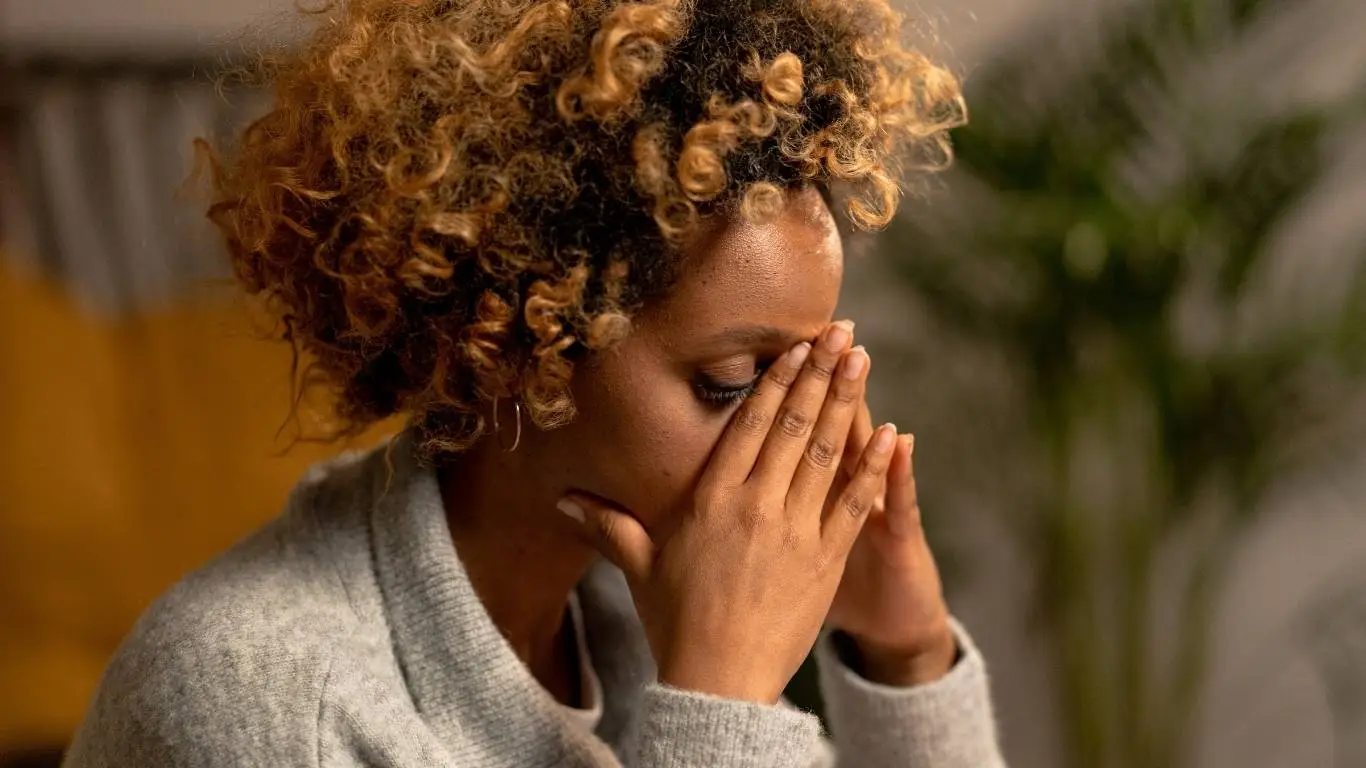
The trick with unexpected panic attacks is learning your subtle cues. I started journaling and using a mood-tracking app. I noticed patterns—tight shoulders, slight nausea, a racing mind. Those were my body’s whispers before the roar.
One resource that really helped was the Beck Anxiety Inventory. It helped me gauge my daily anxiety levels, even when I wasn’t feeling “anxious.” Turns out, I had been running on silent high alert for months without realizing it.
Triggers You Might Be Overlooking
- Low blood sugar (skipping meals without realizing it)
- Stale air in crowded places
- Sudden sensory overload—bright lights, loud noises, strong smells
- Hormonal fluctuations (especially for women)
- Lingering effects of past trauma—yes, even childhood stuff
Curious about more sneaky triggers? Here’s a great breakdown of how childhood trauma shapes adult anxiety without you even knowing it.
How to Explain It to Others Without Feeling Ashamed

It can be tough to talk about this stuff—especially when people say things like “just calm down” or “it’s all in your head.” But I’ve learned that explaining it with a little science goes a long way.
When I described it to my partner like this—“My brain hits the gas pedal before I even see the road”—it finally clicked for them. Another trick? Share resources like this article on how panic attacks mimic heart attacks. It’s validating and helps others grasp the intensity of what you’re dealing with.
Need an Easy Way to Talk About It?
Try something like:
“Sometimes my brain gets confused and thinks something’s wrong when it’s not. It’s like my fight-or-flight switch trips for no reason. I’m working on it, and your support helps.”
Next Steps: Where to Start If This Feels Familiar

If what I described hits close to home, know this: you’re not broken, and you’re not alone. There are so many resources out there that can help you understand, manage, and even prevent these episodes.
Start with a solid understanding of the diagnosis and assessment process so you know what’s really happening. From there, the main anxiety disorders pillar article offers a helpful foundation on how anxiety subtly weaves itself into your daily experience. You may also find the hidden causes pillar article especially eye-opening if you’re still wondering where this is all coming from.
For more information, explore trusted external resources like NIMH, Mayo Clinic, and APA to deepen your understanding. These organizations offer research-backed insights that complement what you’ve just read.
Managing and Preventing Unexpected Panic Attacks

Once I accepted that unexpected panic attacks were part of my life, I stopped fighting them and started working with them. That shift alone—going from “Why is this happening to me?” to “Okay, how can I manage this?”—changed everything. Managing panic doesn’t mean just reacting after the fact; it’s about building a system that supports calm *before* the storm even has a chance to gather.
The One-Two Punch: Awareness + Action
I started small. Really small. One of the first things I added was simple breathing exercises. At first, it felt silly to sit and focus on my breath. But the science backs it up: slow, diaphragmatic breathing signals to your nervous system that you’re safe.
I also gave journaling a real shot. Not the “Dear Diary” kind—but jotting down my physical sensations, environment, and thoughts right before and after attacks. It helped me detect subtle patterns, like how my anxiety spiked after too much scrolling or sugar. Go figure.
Everyday Tools That Quietly Build Panic Resistance

- Grounding exercises: I use the 5-4-3-2-1 technique regularly—even if I’m not anxious. It keeps my brain trained to stay present.
- Supplements: Magnesium helped more than I expected. This list of magnesium-rich foods for anxiety got me started naturally.
- Nutrition: Once I cut back on processed foods and added more omega-3s, my baseline stress dropped noticeably. This deep dive on processed foods and anxiety was an eye-opener.
Also—don’t underestimate the power of routine. Anxiety thrives in chaos. I built small rituals: same bedtime, early walks, journaling before screens. Predictability might sound boring, but it calms your nervous system like nothing else.
Therapies That Truly Made a Difference

After a lot of trial and error, I found that Cognitive Behavioral Therapy (CBT) gave me the most practical tools to reframe my thoughts. It wasn’t just about “thinking positive”—it was learning how to challenge the automatic catastrophe narratives I didn’t even realize I had.
But when I hit a wall, I tried EMDR (Eye Movement Desensitization and Reprocessing). It’s often used for trauma, but turns out it works wonders for panic, too—especially if your attacks are tied to old emotional wounds.
Another game-changer? Acceptance and Commitment Therapy (ACT). The approach is less about “fixing” and more about living alongside anxiety without letting it rule your life. It felt like permission to breathe again.
When Medication Becomes Part of the Equation

I avoided meds at first. I was scared they’d change me. But after a tough stretch where attacks were hitting weekly, I started a low-dose SSRI. And you know what? It helped. Not overnight, not dramatically—but enough to take the edge off and let therapy do its job.
This article on why SSRIs are more effective than expected helped me understand the science and feel less hesitant. Medication isn’t a crutch; it’s a bridge.
If you’re still unsure, reading up on side effects and alternatives can help you make an informed, confident decision with your doctor.
Rebuilding Daily Confidence After the Chaos

The worst part about unexpected panic attacks? You start avoiding life. I skipped events, made excuses to leave early, and kept my phone within reach “just in case.” But slowly, with tools and support, I began reclaiming spaces that once felt unsafe.
I practiced exposure—one small step at a time. At first, it was walking around the block alone. Then, taking public transit. Eventually, I went to a concert. Not all in one week, obviously. But it happened. And I kept reminding myself of something I heard from a therapist: “Avoidance shrinks your world. Bravery expands it.”
More on this? Check out how exposure therapy rebuilds confidence—even when it feels impossible at first.
What Helped Most Might Surprise You

Out of all the things I tried—therapy, breathing, supplements—the most surprising tool was community. I joined an online support group, and for the first time, I didn’t feel like I had to explain or justify anything. These people *got it*. We shared tools, memes, tips, and sometimes just sat in silence on video. And it helped. A lot.
If you’re not ready for therapy or meds, try a group. Or at least tell one trusted friend. Keeping this hidden only gives it more power.
For even deeper recovery strategies and daily tools, this comprehensive guide on lifestyle and self-help for anxiety disorders is worth bookmarking. It helped me design a life that supports calm, instead of accidentally triggering chaos.
And don’t forget—if you haven’t already read it—this main pillar article uncovers how anxiety slips into our routines without us realizing it.
More resources can be found through NIMH, APA, and Mayo Clinic—especially if you’re looking for research-backed recovery paths and professional treatment options that align with your needs.

Camellia Wulansari is a dedicated Medical Assistant at a local clinic and a passionate health writer at Healthusias.com. With years of hands-on experience in patient care and a deep interest in preventive medicine, she bridges the gap between clinical knowledge and accessible health information. Camellia specializes in writing about digestive health, chronic conditions like GERD and hypertension, respiratory issues, and autoimmune diseases, aiming to empower readers with practical, easy-to-understand insights. When she’s not assisting patients or writing, you’ll find her enjoying quiet mornings with coffee and a medical journal in hand—or jamming to her favorite metal band, Lamb of God.