Transform Back Stability With Wobble Board Exercises That Actually Work
Ever since I discovered wobble board exercises, my approach to back pain has completely changed. If you’ve been battling with lower back aches that flare up after long workdays or strenuous workouts, I totally get it. I used to pop painkillers and rely on stretches that barely scratched the surface. But wobble boards? Game changer. They may look like simple toys, but they’re actually powerful tools for improving core stability, spinal alignment, and overall back resilience. Let’s dive into how these humble boards can transform your back health, even if you’re starting with zero balance.
Why Wobble Board Exercises Are Essential for Back Stabilizers

Most people think of core workouts as crunches or planks, but stabilizing your back involves much deeper muscle engagement. Wobble board exercises ignite those often-neglected stabilizer muscles that support your spine during every move you make.
- Multifidus Activation: These tiny muscles along your spine provide segmental stability. Wobble boards force them to engage constantly.
- Transverse Abdominis Training: The deepest abdominal muscle acts like a corset for your lower back. Static holds on a wobble board train this muscle for endurance and control.
- Proprioception Boost: By challenging your balance, wobble boards fine-tune your body’s spatial awareness, which reduces the risk of sudden strains.
What’s incredible is how quickly you feel the difference. Within just a few sessions, my posture started improving, and those pesky mid-back tensions began to ease up. It’s no surprise why athletes recovering from sciatica-related back issues are often prescribed wobble board routines by physical therapists.
Best Wobble Board Exercises for Lower Back Stability

1. Basic Standing Balance Hold
Start simple. Place both feet shoulder-width apart on the wobble board and hold your balance for 30 seconds. Seems easy? Wait until your stabilizer muscles start firing like crazy. Keep your knees slightly bent to avoid locking out.
2. Single Leg Stance
Shift your weight to one leg and lift the opposite foot off the board. This drill strengthens asymmetrical weaknesses, especially if you have imbalances caused by muscle imbalances in your back.
3. Dynamic Squats on Wobble Board
Once you’ve mastered balance holds, progress to squats. The board’s instability forces your core and lower back muscles to coordinate seamlessly. I used to hate squats because of my chronic lumbar tension, but wobble board squats felt less jarring and more controlled.
4. Side-to-Side Tilts
This movement trains lateral core engagement, which is crucial for people dealing with lower back pain from structural issues like flat feet or hip imbalances.
5. Plank Variations with Hand Support
Place your hands on the wobble board in a high plank position. This engages the thoracic stabilizers, which often become stiff due to prolonged device usage.
Wobble Board Training: Beyond Just Strengthening

One aspect people often overlook is how wobble board exercises retrain faulty movement patterns. Whether it’s poor posture from sitting too long or compensations from past injuries, instability training provides your body with real-time feedback. Every micro-adjustment you make on the board teaches your nervous system to move more efficiently.
When I first started, I realized how much my dominant side was taking over daily activities. Balancing on the wobble board exposed those hidden asymmetries. Correcting them has had a profound effect on alleviating my night-time back stiffness and improving my morning mobility.
Who Should Avoid Wobble Board Exercises?
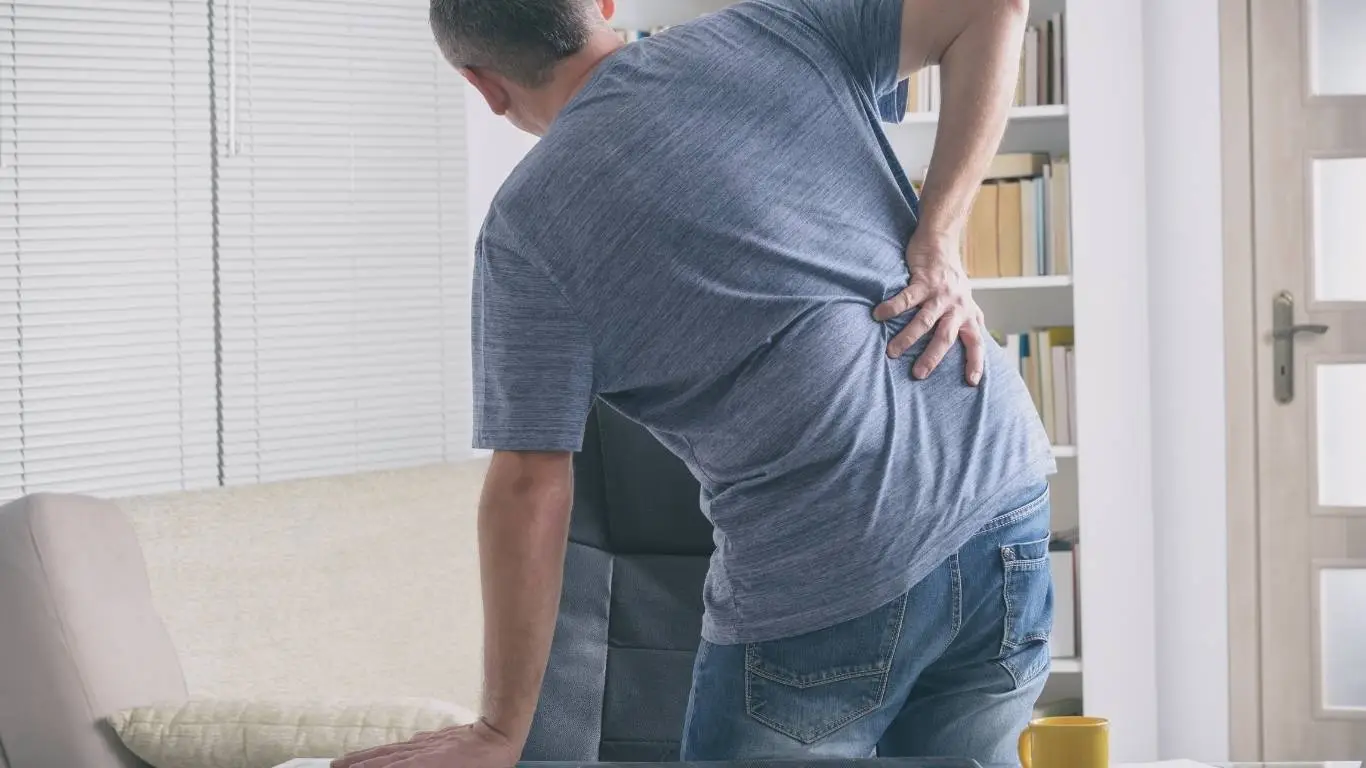
While wobble boards are fantastic for most people, they’re not a one-size-fits-all solution. If you’re recovering from a recent back surgery or have severe nerve impingement, it’s best to consult with a specialist first. Conditions like spondylolisthesis or advanced spinal stenosis require a more cautious approach.
Additionally, individuals with vestibular disorders might find balance exercises dizzying or disorienting. In such cases, beginning with seated stability exercises or using a half-dome balance trainer might be safer alternatives.
Integrating Wobble Board Workouts into Your Daily Routine

You don’t need a full-blown workout plan to benefit from wobble boards. Here’s how I snuck them into my daily routine:
- Morning Activation: A quick 2-minute balance session to wake up my core muscles before heading to work.
- Desk Breaks: Instead of scrolling my phone, I hop on the wobble board for a few balance drills during breaks. It’s been a lifesaver for my sitting-induced back tightness.
- Pre-Workout Warm-Up: A few wobble board lunges get my hips and lumbar region primed for heavier lifts.
For anyone working from home, incorporating a wobble board next to your standing desk is a brilliant way to maintain spinal mobility throughout the day. You’ll be surprised how these micro-movements add up to significant back health improvements over time.
For a deeper dive into posture, ergonomics, and daily movement habits that influence back health, check out our comprehensive guide on Exercise, Rehabilitation & Ergonomics. Also, don’t miss our Back Pain Main Resource Hub for everything you need to navigate your back health journey.
Progressions to Advance Your Wobble Board Routine

Once you’re comfortable balancing and performing basic moves, it’s time to crank up the challenge. Progressing gradually ensures you’re not only strengthening the superficial muscles but also deepening neuromuscular control. Here are some of my favorite advanced drills:
- Weighted Overhead Holds: Hold a light dumbbell or resistance band overhead while balancing on the wobble board. This challenges thoracic extension and combats slouching habits common in Upper Cross Syndrome.
- Eyes Closed Balance: Removing visual input forces your proprioceptors to work overtime. I remember the first time I tried this — my core had never worked so hard.
- Dynamic Reaches: While standing on the board, reach forward, sideways, and overhead. This mimics real-life movements and strengthens your back’s ability to stabilize through varying ranges of motion.
How Wobble Board Exercises Aid in Injury Prevention

One of the biggest wake-up calls for me was realizing how fragile my movement patterns had become due to years of desk work and inconsistent training. Wobble board exercises not only help with existing back discomfort but also act as a preventive tool against future injuries.
- Enhanced Reflexive Stability: In sports or daily activities, sudden shifts in movement require your body to react instantly. Wobble board training fine-tunes these reflexive stabilizer responses.
- Improved Load Distribution: By correcting asymmetries, your body becomes more efficient in distributing stress during physical tasks, reducing localized strain on the lumbar region.
- Better Hip-Spine Coordination: A common cause of lower back strain is poor hip mobility. Balance training encourages synchronous movement patterns between hips and spine, a must if you’re dealing with issues like hip misalignment.
Combining Wobble Board Training with Other Back-Friendly Modalities

While wobble boards are phenomenal on their own, integrating them with other modalities takes your back health to a whole new level. Here’s what worked wonders for me:
- Foam Rolling Post-Session: After a wobble board workout, using a foam roller helps release any lingering tension in the paraspinal muscles.
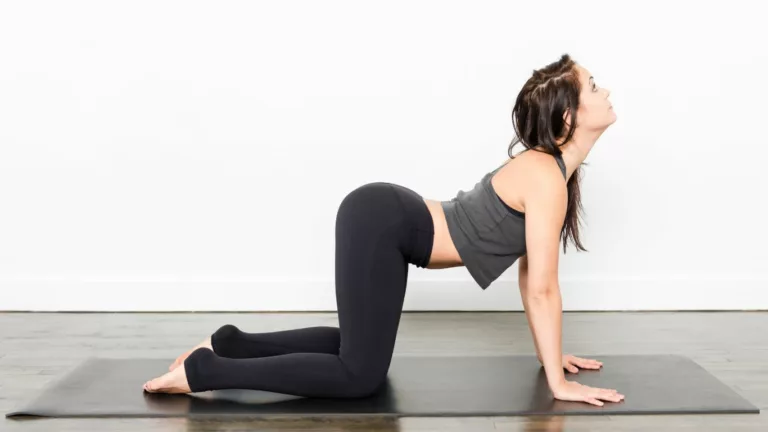
- Yoga Flows for Flexibility: Movements that emphasize spinal elongation, like cat-cow stretches, complement the stabilizing effects of wobble board routines. For effective sequences, check out our best yoga poses for back pain.
- Breathwork for Core Engagement: Focused diaphragmatic breathing enhances core bracing during balance exercises, ensuring your spine is supported internally with every move.
Setting Up a Back-Friendly Wobble Board Station at Home

You don’t need an elaborate gym to reap the benefits. Here’s my personal home setup for quick, effective wobble board sessions:
- Non-Slip Mat: Essential to prevent the board from slipping out during intense drills.
- Standing Desk Adjacent: I keep my wobble board near my workstation to integrate short balance breaks throughout the workday, a lifesaver for managing work-induced back fatigue.
- Mirror for Alignment Feedback: Watching yourself perform exercises ensures your hips and spine remain aligned, preventing compensations that could lead to strain.
Realigning Movement Habits Beyond Exercise

One of the most surprising things I learned is how wobble board training naturally spills over into daily habits. Simple actions like bending down to tie shoes or reaching for overhead cabinets suddenly become more stable, controlled, and pain-free. It’s this real-world application that makes balance training so invaluable for long-term spinal health.
For comprehensive strategies on improving back health through lifestyle adjustments, ergonomic tweaks, and functional movements, our Lifestyle, Diet & Natural Remedies pillar article is a must-read. You’ll find actionable tips that blend seamlessly with wobble board routines.
Additionally, explore the extensive Back Pain Resource Center for evidence-based insights, practical advice, and real-world strategies to reclaim your spinal health journey.

Camellia Wulansari is a dedicated Medical Assistant at a local clinic and a passionate health writer at Healthusias.com. With years of hands-on experience in patient care and a deep interest in preventive medicine, she bridges the gap between clinical knowledge and accessible health information. Camellia specializes in writing about digestive health, chronic conditions like GERD and hypertension, respiratory issues, and autoimmune diseases, aiming to empower readers with practical, easy-to-understand insights. When she’s not assisting patients or writing, you’ll find her enjoying quiet mornings with coffee and a medical journal in hand—or jamming to her favorite metal band, Lamb of God.