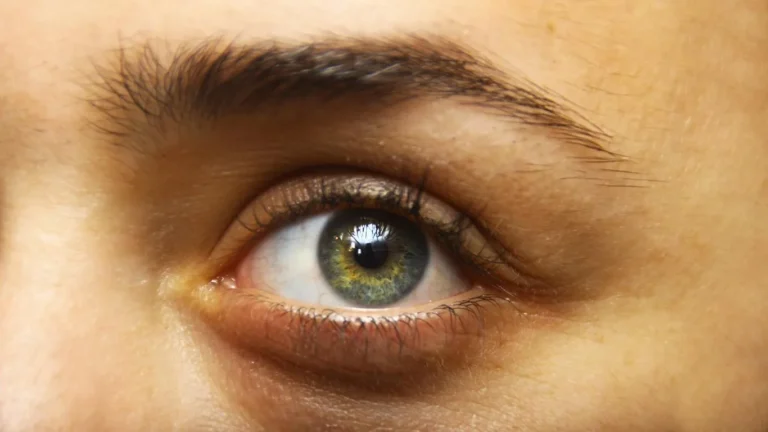
Master Back Coordination Fast With Z-Health Neuro Drills
Ever tried to fix your back pain by stretching more, lifting less, or popping endless supplements, but still end up stiff as a board? Yep, been there. What most people (including me back in the day) don’t realize is that your *brain* might be the real bottleneck—not your muscles. That’s where Z-Health neuro drills for back coordination completely flipped the script for me. We’re not just talking about traditional rehab routines here. This is about rewiring how your brain talks to your spine and back muscles, using drills so precise it feels like updating old software.
Why Your Brain-Body Connection is Wrecking Your Back Health

If you’ve been hammering away at core exercises, but still suffer from unpredictable back spasms or stiffness after long hours sitting, you’re missing a huge piece of the puzzle: neuro coordination. Z-Health drills work because they don’t just target the muscles; they address the faulty signals between your brain and the body parts that stabilize your spine.
Let me give you an example. A few years ago, I couldn’t even sit through a movie without my lower back screaming in protest. I thought my issue was purely muscular tightness. Turns out, my brain was overreacting to sitting positions, keeping my back muscles in a defensive, locked-up mode. Once I started Z-Health’s eye and vestibular drills, it was like someone hit the reset button on my nervous system.
The Neuroscience Behind Z-Health Drills

Traditional physical therapy often focuses on the “hardware”—stretch this, strengthen that. But Z-Health zeroes in on the “software”—the brain’s sensory systems that control movement quality and joint stability. Think of your visual system, vestibular (balance) system, and proprioception (body awareness) as the master control hubs for every move you make.
When one of these systems is out of sync, your body compensates, often leading to muscle imbalances and chronic back pain. Through specific neuro drills, Z-Health trains these sensory pathways to work more efficiently, reducing unnecessary tension in your back.
Key Sensory Systems Z-Health Targets
- Visual Drills: Improve how your eyes stabilize your posture.
- Vestibular Drills: Enhance inner ear balance control that affects spinal alignment.
- Joint Mobility Drills: Fine-tune proprioceptive feedback loops between joints and brain.
My Experience: Small Drills, Big Back Relief
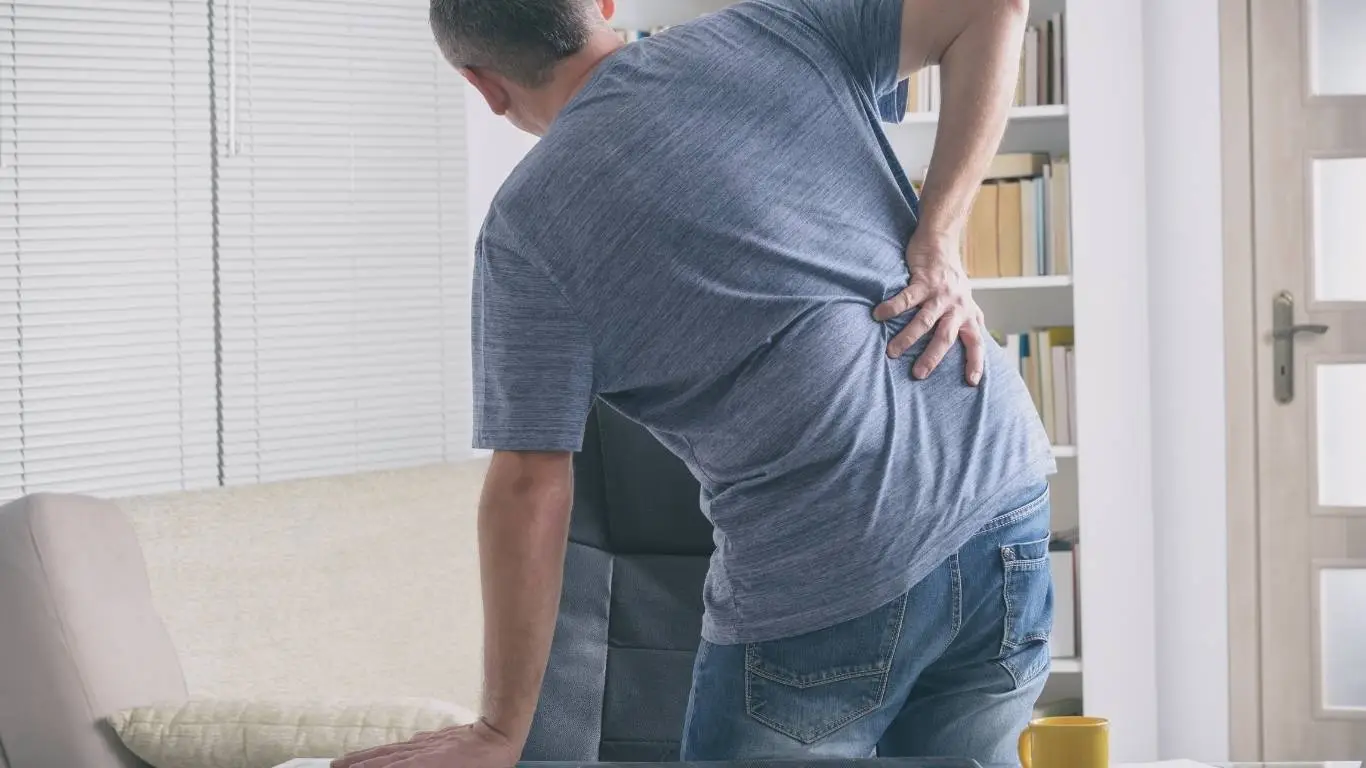
Honestly, I was skeptical at first. Waving my thumb in front of my eyes or doing controlled neck turns didn’t seem like it would fix years of back discomfort. But after just a week of consistent practice, I noticed my hip flexors didn’t feel like steel cables anymore. Simple activities like unloading groceries or standing in line didn’t trigger my usual back strain.
The best part? Unlike generic back routines, these drills are tailored to how your nervous system behaves. It’s not a one-size-fits-all approach. That’s why Z-Health neuro drills are a game-changer for people dealing with different types of back pain anatomy issues.
Signs Your Nervous System is Screwing Up Your Back

- Your back feels tight even after stretching sessions.
- Random “tweak” sensations when bending or twisting.
- One side of your back always feels more tense.
- Balance issues while walking or standing.
- Struggling with back pain after long standing or sitting.
If any of these sound familiar, chances are your brain’s control systems are not giving your back muscles the green light to relax.
Practical Z-Health Drills You Can Try Today

Here’s a quick list of beginner-friendly Z-Health drills I still do during my work breaks:
- Thumb Tracking: Hold your thumb at arm’s length, move it side to side while keeping your head still, and follow it with just your eyes. (Visual system activation)
- Head Nods: Slowly nod your head up and down, focusing on smooth movements. This syncs your vestibular system.
- Controlled Hip Circles: Perform small hip circles while maintaining upright posture. This enhances proprioception and joint awareness.
These might seem too simple to make a difference, but trust me, their impact is anything but minor. Over time, these micro adjustments create macro shifts in how your spine functions.
For a deeper dive into the types of coordination issues tied to back pain, check out the comprehensive symptoms and diagnosis guide. It’s eye-opening how subtle sensory mismatches can snowball into long-term discomfort.
To really master this approach, it’s essential to understand the broader mechanics of back pain management and why nervous system retraining should be a core part of your recovery journey. Resources like NCBI and Cleveland Clinic provide solid evidence on neuroplasticity and pain science if you’re into the nitty-gritty research side.
Leveling Up: Advanced Z-Health Neuro Drills for Back Coordination

Once you’ve nailed the basics, it’s time to introduce drills that challenge your nervous system even more. These aren’t just gimmicks — they push your visual, vestibular, and proprioceptive systems to communicate better under dynamic conditions. When I added these to my routine, I noticed fewer flare-ups even after long road trips (which used to wreck my lower back).
- Head-Eye Coordination Drills: Move your head and eyes in opposite directions slowly. This forces your brain to fine-tune stability signals to your spine.
- Single-Leg Balance with Visual Distraction: Stand on one leg while moving a small object in front of your eyes. Great for challenging your balance circuits.
- Dynamic Vestibular Swings: Gentle rocking movements while focusing on a fixed point. This re-syncs vestibular input with spinal reflexes.
These drills not only helped me reduce recurring back pain post-activity but also improved my coordination during gym workouts. It’s wild how your performance shoots up once your brain isn’t bogged down by bad signaling.
Real-Life Case: From Desk Job Back Strain to Pain-Free Movement

A friend of mine, let’s call him Mike, had the classic “desk worker’s curse”—constant tightness between his shoulder blades and an annoying lower back ache that flared up after long meetings. He had tried all sorts of ergonomic chairs and posture correctors (which helped a bit), but nothing provided lasting relief.
When I introduced him to a simple Z-Health visual drill (where he tracked a pen while keeping his head still), he looked at me like I was nuts. Fast forward a few weeks, and Mike’s back started feeling looser, especially during long standing presentations. His secret weapon? Combining neuro drills with occupation-specific ergonomic strategies. That’s when it clicked for him — it wasn’t about fixing his chair, it was about fixing how his brain stabilized his spine in those environments.
Combining Neuro Drills with Lifestyle Adjustments

Neuro drills are potent, but they become even more effective when paired with smart lifestyle tweaks. Here are a few adjustments that synergize beautifully with Z-Health routines:
- Micro-breaks: Taking short movement breaks every 30-45 minutes disrupts sedentary patterns and keeps neural pathways active. This is crucial if you’re dealing with sitting-induced back pain.
- Breathing Techniques: Practicing diaphragmatic breathing before drills primes your nervous system for better integration. This one was a game-changer for my thoracic stiffness.
- Ergonomic Tweaks: Fine-tune your workstation layout, ensuring visual targets are aligned with your drills for smoother brain-body calibration.
For a deeper breakdown of how daily habits intertwine with back pain patterns, the guide on lifestyle and natural remedies for back pain is a must-read. It covers everything from desk setups to the sneaky impact of hydration levels on spinal tension.
Addressing Emotional & Mental Blocks Through Neuro Drills

Here’s a truth bomb — back pain isn’t always purely physical. Stress, emotional tension, and even past trauma can amplify pain perception through neural pathways. I’ve personally found that combining Z-Health drills with mindfulness practices dramatically reduced my stress-induced back tightness.
The article on mental and emotional aspects of back pain dives deep into this mind-body connection. Neuroscience is finally catching up to what many of us have felt for years — if your nervous system is in fight-or-flight mode, your back will bear the brunt of it.
Next Steps: Integrating Z-Health Into Your Recovery Routine

It’s not about replacing your current therapy or fitness program, but enhancing it. Neuro drills are like upgrading your body’s operating system so that every stretch, strength workout, or mobility session delivers better results.
If you’re serious about addressing the root coordination problems behind your back pain, combining these drills with targeted exercise and rehabilitation strategies is essential. Pair that with a solid understanding of the comprehensive back pain resource, and you’re setting yourself up for success.
One external source I highly recommend is the resource library at Spine-Health, where you’ll find clinical-grade insights into neuro-muscular back pain strategies that align with Z-Health’s approach. Also, Mayo Clinic has excellent overviews on how sensory-motor mismatches can influence chronic pain patterns.

Camellia Wulansari is a dedicated Medical Assistant at a local clinic and a passionate health writer at Healthusias.com. With years of hands-on experience in patient care and a deep interest in preventive medicine, she bridges the gap between clinical knowledge and accessible health information. Camellia specializes in writing about digestive health, chronic conditions like GERD and hypertension, respiratory issues, and autoimmune diseases, aiming to empower readers with practical, easy-to-understand insights. When she’s not assisting patients or writing, you’ll find her enjoying quiet mornings with coffee and a medical journal in hand—or jamming to her favorite metal band, Lamb of God.