Do Floaters Signal Poor Eye Circulation or Something Worse
Not long ago, while walking outside on a bright afternoon, I noticed tiny squiggly shadows dancing across my vision. I blinked, rubbed my eyes, and even looked away—still there. Turns out, I wasn’t alone. A ton of people experience these odd specks called floaters. But what caught my attention most was something my eye doctor mentioned: these floaters could signal something more subtle—poor eye circulation. That had me deep-diving into what it all means, and honestly, what I learned was eye-opening (pun intended).
Understanding the Connection Between Eye Floaters and Circulation
When most people think about floaters, they picture aging or some harmless vitreous changes. But what if your floaters are trying to tell you something about your blood flow? The eyes are full of delicate vessels that rely on smooth, uninterrupted circulation. Any disruption here can lead to symptoms—some obvious, like blurriness or redness, and others more subtle, like floaters.
To break it down simply: floaters are tiny bits of protein or collagen that drift in the vitreous gel. When your circulation isn’t up to par, this gel can start to deteriorate faster, or nutrients don’t reach certain parts of the eye efficiently, leading to tissue changes. This environment? Perfect for floaters.
Why Circulation Matters So Much for Your Eyes
Our eyes are among the most vascular organs in the body. Even a slight reduction in blood flow can mean major problems over time. If you’re seeing more floaters than usual, especially during physical strain, stress, or changes in light, you might want to take a closer look at your overall eye health.
I found this article on stress and floaters that explained how chronic tension impacts microcirculation, making the connection even more real for me.
Warning Signs Your Eye Circulation Might Be Compromised
- Floaters appearing suddenly or in clusters
- Floaters that increase after exercise or heavy lifting
- Floaters accompanied by light flashes or dark shadows
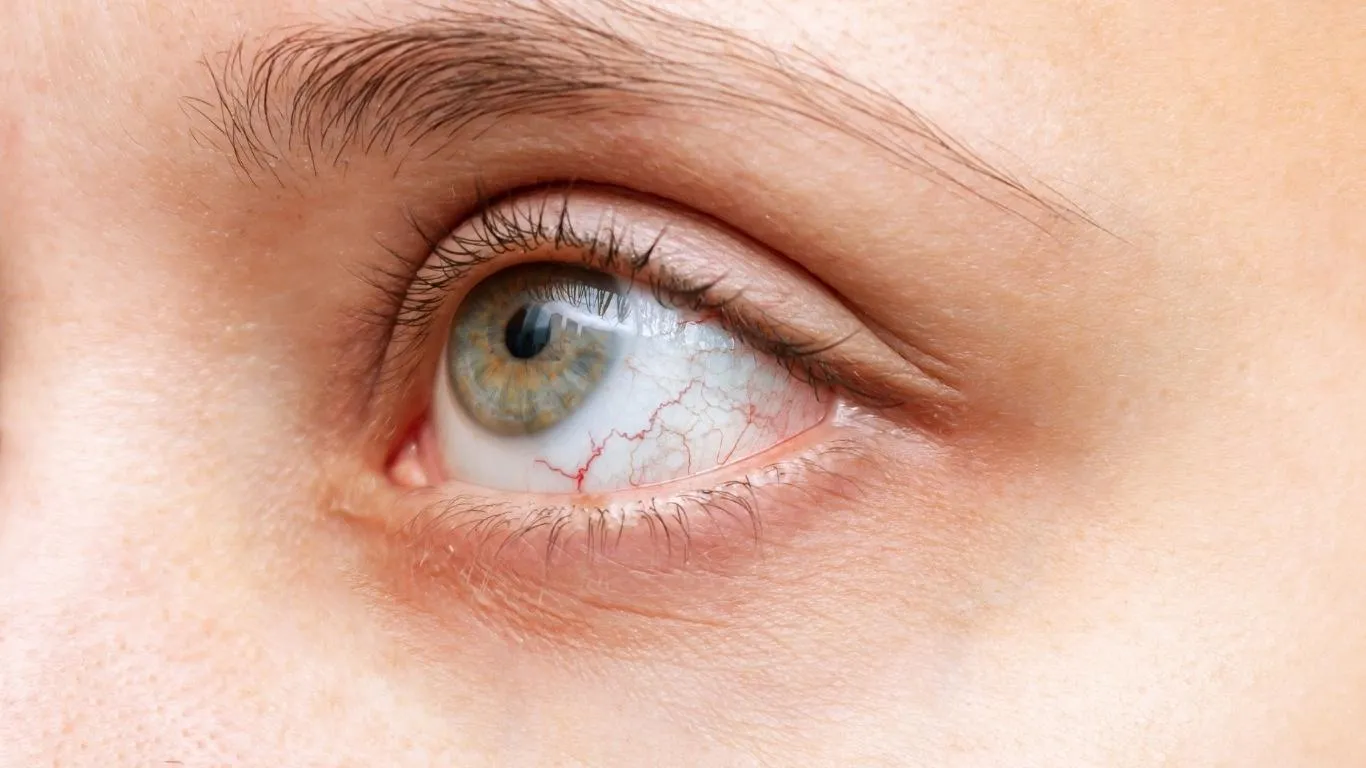
- Visible blood vessels in the sclera (white of the eye)
- Cold or numb sensation around the eyes
These signs don’t necessarily confirm poor circulation, but they’re red flags worth discussing with an eye professional. And remember, research shows microvascular issues often show up first in the eyes before they do anywhere else in the body.
How I Noticed My Own Patterns
What really made me pay attention was how my floaters worsened when I was dehydrated or after skipping meals. My ophthalmologist pointed out that these habits could cause a drop in blood pressure, temporarily affecting eye circulation. And sure enough, on days I kept myself hydrated and moving, my floaters became far less noticeable.
What Causes Poor Eye Circulation in the First Place?
- High Blood Pressure: Forces blood through the vessels too quickly, damaging the fragile eye capillaries.
- Diabetes: Alters vessel walls and circulation patterns, which is a huge contributor to retinal problems.
- Dehydration: Less blood volume = less flow to the tiny vessels in your eyes.
- Smoking and Alcohol: Both are vasoconstrictors, meaning they narrow blood vessels, restricting healthy circulation.
- Chronic stress: Long-term stress can cause vessel constriction and blood pressure fluctuations that aren’t eye-friendly.
This article about high blood pressure and floaters connects a lot of those dots and is worth a read if you’re managing BP issues.
Are There Any Other Eye Symptoms That Pair With Floaters?
Absolutely. While floaters can show up solo, they’re often accompanied by:
- Blurry or dimmed vision
- Sensitivity to light (photophobia)
- Delayed focus or eye fatigue
- Color vision dulling
Any of these signs, especially if they’re new or worsening, might suggest your eyes aren’t getting enough nutrients or oxygen—both tied directly to circulation.
What the Science Says About Vitreous Health
There’s emerging research that suggests proper nutrition, hydration, and cardiovascular health play a major role in keeping the vitreous gel clear and healthy. And in turn, fewer floaters. Some studies even propose antioxidants like lutein and zeaxanthin, as well as omega-3s, may improve microvascular flow in the eyes.
Which reminds me—this guide to diet and floaters helped me tweak my meals just enough to notice a small but consistent improvement over time.
What Can You Actually Do About It?
I’ll be honest—there’s no instant fix. But understanding the role of circulation is a game-changer. Small habits stack up. Here’s what I found most effective:
- Stay hydrated. Aim for 8+ glasses of water daily.
- Move more. Even a 20-minute brisk walk can help improve blood flow.
- Cut down on screen time or use blue light filters. This reduces strain and improves oxygen use in the eye.
- Lower sodium intake—less salt helps regulate blood pressure.
- Eat foods rich in lutein (spinach, kale) and omega-3s (flaxseed, salmon).
If floaters persist or change drastically, consult your eye specialist. I got my retina scanned just to be safe—and it gave me peace of mind.
For a deeper dive into possible causes and warning signs, check out this in-depth guide on causes of eye floaters. And if you’re looking for a foundation on the whole floater phenomenon, the main article here is a great place to start.
When Should You Worry About Circulation-Related Floaters?
Alright, so you’ve got floaters. Maybe you’ve had them for years, maybe they just showed up after a weird dizzy spell. But when do they stop being “just floaters” and start signaling something serious with your eye circulation? That’s the million-dollar question I found myself Googling at 2 AM.
Here’s the thing: if floaters are suddenly increasing in number, changing in shape, or accompanied by vision loss, dark shadows, or flashes of light—don’t wait. These could be signs of an issue with your retina or even a circulation-related emergency like retinal vein occlusion.
Symptoms That Should Get You to the Doctor Fast:
- Sudden burst of floaters or “shower” of black dots
- Loss of peripheral vision
- Flashing lights, especially in low-light environments
- Dark curtain or shadow moving across vision
- Pain combined with floaters (not common, and not good)
Floaters on their own aren’t always dangerous. But paired with poor circulation symptoms? They’re waving a big red flag.
Can Poor Circulation in the Eyes Be Reversed?
Now here’s the good news I didn’t expect: In many cases, yes—especially if caught early. When I asked my ophthalmologist whether I could actually “fix” my eye circulation, her answer was a cautious but optimistic yes.
It’s about consistency and stacking small wins. The tiny capillaries in our eyes respond surprisingly well to lifestyle changes. I noticed my own floaters becoming less distracting just by adjusting my sleep, hydration, and nutrition. I also began using a few targeted eye supplements she recommended for improving retinal blood flow.
Some Research-Backed Ways to Improve Eye Circulation:
- Lutein + Zeaxanthin: Known to support retinal health and blood flow.
- Magnesium: Helps relax blood vessels and improve oxygen delivery.
- Omega-3 fatty acids: Anti-inflammatory and boost microcirculation.
- Ginkgo Biloba: Some studies suggest improved ocular blood flow (check with your doc first).
- Regular cardiovascular exercise: A 30-minute walk a day makes a bigger difference than you’d think.
I also started using warm compresses and gentle eye massage—at first it felt kind of pointless, but it’s something I now swear by for encouraging local blood flow.
Why Floaters Get Worse in Certain Situations
One thing that baffled me at first: Why are my floaters more obvious when I’m tired, dehydrated, or stressed? Turns out, these are all circulation-reducing triggers.
- Lack of sleep: Less oxygen and nutrient flow to the retina
- Low hydration: Thicker blood, slower capillary flow
- Stress: Narrows blood vessels, spikes blood pressure
- Heavy screen time: Eye strain reduces blinking, dries out the eyes, and can restrict ocular circulation
If you’re like me and notice your floaters after long screen sessions, there’s a good chance eye fatigue is the culprit—and circulation plays a role in how well your eyes bounce back.
Who’s Most at Risk for Circulatory Eye Floaters?
Age is one thing, but there are plenty of younger folks dealing with poor eye circulation too. Floaters caused by circulation issues are more common in:
- People over 40 (due to natural vascular aging)
- Anyone with diabetes, hypertension, or cardiovascular disease
- Long-time smokers or heavy drinkers
- Individuals with sedentary lifestyles
- People under chronic stress or with poor sleep habits
If you fall into one of these categories and you’ve noticed a recent uptick in floaters, don’t brush it off. Floaters might be one of the first signs your eyes are asking for better blood flow.
I stumbled across this piece on floaters in your 40s that hit close to home. It connects the dots between aging, lifestyle, and changing eye patterns really well.
What Tests Can Check Your Eye Circulation?
Your eye doctor can run a few non-invasive tests to check what’s really going on. I was surprised how simple (and quick) they were:
- OCT (Optical Coherence Tomography): Gives a cross-section view of retinal layers
- Fluorescein Angiography: Highlights blood flow using dye
- Retinal Photography: Useful to track vessel condition over time
- Visual Acuity + Field Tests: Can detect blind spots related to poor circulation
They told me I had early signs of retinal thinning, which they said was “not alarming yet”—but definitely something worth watching. That changed how I approached everything from what I eat to how often I step away from my screen.
Takeaway from My Personal Journey with Floaters and Circulation
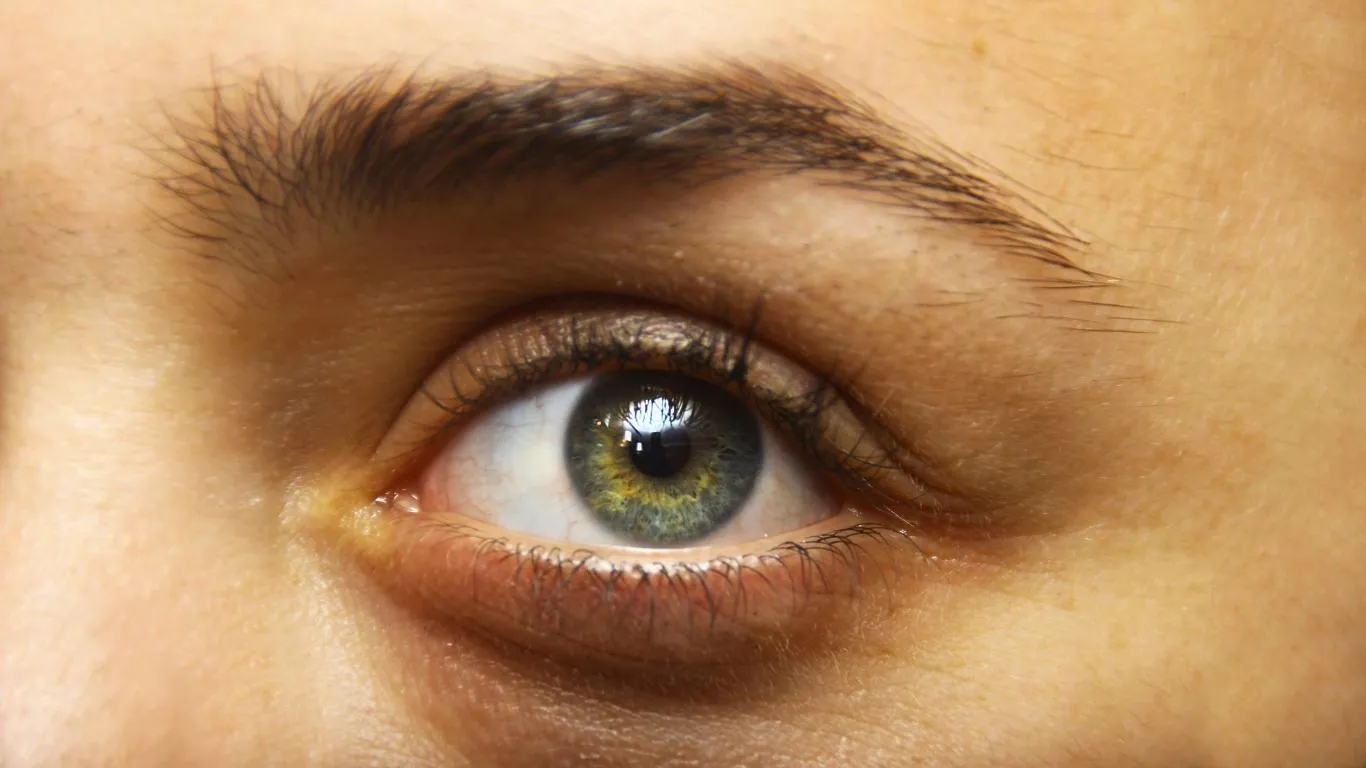
Look, not all floaters mean disaster. But if they’re new, changing, or showing up with other weird symptoms, they could be a clue that your eye circulation isn’t keeping up. From what I’ve learned—and lived—it’s not about panic, it’s about paying attention.
Want a solid understanding of when eye floaters become dangerous? Check out this helpful breakdown from Healthusias. And if you haven’t already, start with this main floater explainer—it lays a great foundation.

Camellia Wulansari is a dedicated Medical Assistant at a local clinic and a passionate health writer at Healthusias.com. With years of hands-on experience in patient care and a deep interest in preventive medicine, she bridges the gap between clinical knowledge and accessible health information. Camellia specializes in writing about digestive health, chronic conditions like GERD and hypertension, respiratory issues, and autoimmune diseases, aiming to empower readers with practical, easy-to-understand insights. When she’s not assisting patients or writing, you’ll find her enjoying quiet mornings with coffee and a medical journal in hand—or jamming to her favorite metal band, Lamb of God.