Early Warning Signs Before Floaters Appear You Shouldn’t Ignore
Last year, I noticed something strange during my morning walks — not floaters themselves, but a subtle shift in how light seemed to interact with my vision. I chalked it up to screen fatigue or lack of sleep. But as weeks passed, those minor visual hiccups turned into unmistakable floaters. Looking back, I wish I’d known the early signs. Floaters don’t just pop up out of nowhere — your eyes often whisper before they scream.
Understanding the Subtle Signals Your Eyes Send Before Floaters Show Up
Most people associate floaters with aging or trauma, but rarely do we talk about the precursors — those little cues that something’s shifting inside the eye. You might think, “If I don’t see floaters yet, there’s nothing to worry about.” But that’s exactly when attention matters most.
1. Light Sensitivity Creeping In
If you’ve suddenly become sensitive to bright lights or notice halos where there weren’t any before, pay close attention. This isn’t always about screen time. It could be your vitreous starting to liquefy — a slow process leading to floaters. A gradual increase in light sensitivity is often one of the first flags.
2. Glare or Haze in Normal Settings
This one caught me off guard. I started feeling like I was walking around with smudged glasses even though mine were spotless. This haziness isn’t in your lenses — it’s in your eye. Changes in the vitreous can scatter light oddly, making everything look just a bit “off.”
3. Feeling Like Your Focus Is Slipping
We’re not talking about mental focus — though yes, floaters are annoying enough to distract you. But visual focus. If you notice it’s taking longer for your eyes to adjust when switching between near and far objects, or if your vision has started to “swim” when moving too quickly, this can signal micro-shifts in your eye’s internal gel.
Changes in Contrast Perception
This one took me by surprise. Reading black text on a white background became subtly harder. I couldn’t put my finger on it — it just felt… dull. The contrast wasn’t popping the way it used to. Turns out, subtle contrast loss can hint at early vitreous degeneration. Not exactly floaters yet — more like the prelude.
Why Does This Happen?
- Collagen breakdown: The gel-like vitreous begins to weaken with age.
- Inflammation or dehydration: These can subtly shift how light passes through the eye.
- Oxidative stress: Poor diet, smoking, or excessive screen use can increase the rate of breakdown.
According to the National Eye Institute, floaters are common — but it’s what leads up to them that’s often missed. These subtle visual shifts can indicate that the inner eye structure is losing its stability.
Related Internal Changes You Might Not Notice
- Occasional flashes of light in peripheral vision
- Micro distortions — straight lines might look slightly wavy
- Short-lived dimming, like a curtain passing briefly across your sight
While none of these scream “eye emergency,” they’re not to be brushed off either. These are the things I ignored until the floaters became impossible to ignore.
Conditions That Often Precede Floaters (But Get Overlooked)
One of the most eye-opening discoveries for me was learning how other conditions can silently set the stage for floaters. We often think of vision issues in isolation — but that’s a mistake. For instance:
- Eye infections that go untreated can lead to vitreous changes
- Post-surgical changes after something like cataract removal
- Metabolic disorders like diabetes silently altering the eye’s internal environment
Each of these contributes to weakening the inner eye structure before floaters are even visible. It’s all about the buildup.
What You Can Do — Before the Floaters Arrive
Luckily, I caught mine before they got worse. Here’s what helped me slow down the progression — and what I wish I had started even sooner:
1. Daily Eye Movement Exercises
Not only do they relieve tension, but they help circulate the fluids in your eye. Something as simple as slow eye rolls or figure-eight tracking can maintain vitreous flexibility. Explore simple daily routines proven to work.
2. Antioxidant-Rich Diet
Think dark leafy greens, berries, and fatty fish. I leaned into a Mediterranean-style plan and noticed improvements in overall eye comfort. Studies from American Academy of Ophthalmology support the link between nutrition and eye health longevity.
3. Proper Hydration and Sleep
Yes, it’s boring advice — but it works. Dehydration is a major culprit in early floaters, and chronic sleep deprivation reduces your eye’s ability to repair itself overnight.
4. Track Subtle Vision Changes
Use a journal or eye health app. Document small shifts in light sensitivity or focus speed. That’s how I noticed the trend — and brought it up during my annual eye exam before things escalated.
Learn More About Eye Floaters and Their Deeper Implications
If these early warning signs resonate with you, I highly recommend diving deeper into the full overview of what eye floaters actually are and how they develop over time. It helped me reframe floaters not as a sudden nuisance, but a slow-building issue I could potentially manage early.
For a deeper understanding of how floaters can indicate broader eye conditions — from uveitis to retinal concerns — take a look at this comprehensive guide: When Eye Floaters Might Be a Warning Sign.
When “Nothing” Turns into Something — Why You Shouldn’t Wait
If I could go back in time, I wouldn’t wait for the obvious black dots to start floating across my vision. What I assumed was just tiredness or too much screen time turned out to be the calm before the storm. Those early shifts? They weren’t random. They were my warning signs.
And it’s not just me. Ophthalmologists report that the vast majority of patients notice changes in contrast, clarity, or light perception before floaters actually show up — but they dismiss them. That delay can mean missing a chance to prevent or slow the onset.
The Role of Screen Time and Blue Light Exposure
In today’s world, it’s not uncommon to log 10+ hours of screen exposure a day. What’s less obvious is how that contributes to vitreous stress. Extended focus and poor blink rates dry out the eyes and reduce nutrient flow — which may contribute to earlier floater development.
Night Vision Trouble Is No Joke
One of the things I noticed before floaters appeared was how challenging driving at night had become. Headlights seemed sharper, more aggressive, and I started dreading those evening commutes. According to recent vision studies published by Optometry.org, these changes in night contrast can be early signs of vitreous structure changes.
Can You Reverse the Process?
Here’s the good news: while you can’t “reverse” floaters once they appear, catching them early offers a valuable window for slowing or even stalling progression. It’s all about managing stressors and giving your eyes what they need to thrive.
Evidence-Based Lifestyle Adjustments
- Hydration — Proper water intake keeps the vitreous gel stable and fluid.
- Omega-3s & Antioxidants — Foods like salmon, flaxseed, and spinach are vital. Try incorporating these vision-friendly foods.
- Eye Rest Intervals — Use the 20-20-20 rule: every 20 minutes, look 20 feet away for 20 seconds. It helps reduce fatigue and internal pressure.
- Proper Lighting — Avoid harsh overhead fluorescents. Adjust to lighting that soothes, not strains.
Natural Support Supplements
I was skeptical at first, but after speaking with my ophthalmologist and doing my own research, I learned certain supplements actually help. Ingredients like lutein, zeaxanthin, and vitamin C have clinical support. If you’re curious, here’s a breakdown of what actually works.
When to See a Professional
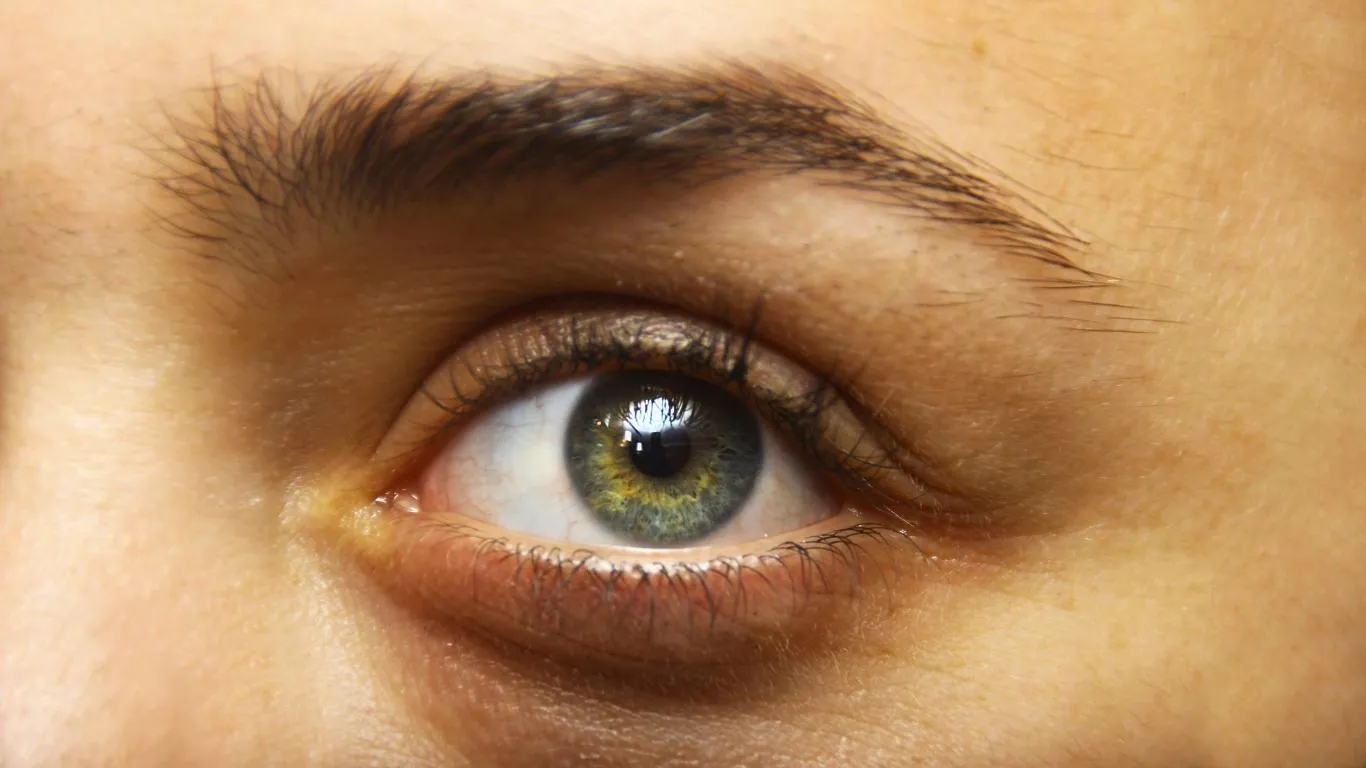
This part’s important — not all early signs are harmless. If you notice:
- Sudden flashes of light
- Shadows or “curtains” over your visual field
- Rapid increase in blurry vision or spots
Don’t wait. These can be signs of more serious retinal issues. In particular, floaters before a retinal tear are a documented red flag. Early detection here can make all the difference.
Advanced Clinical Options (If It Comes to That)
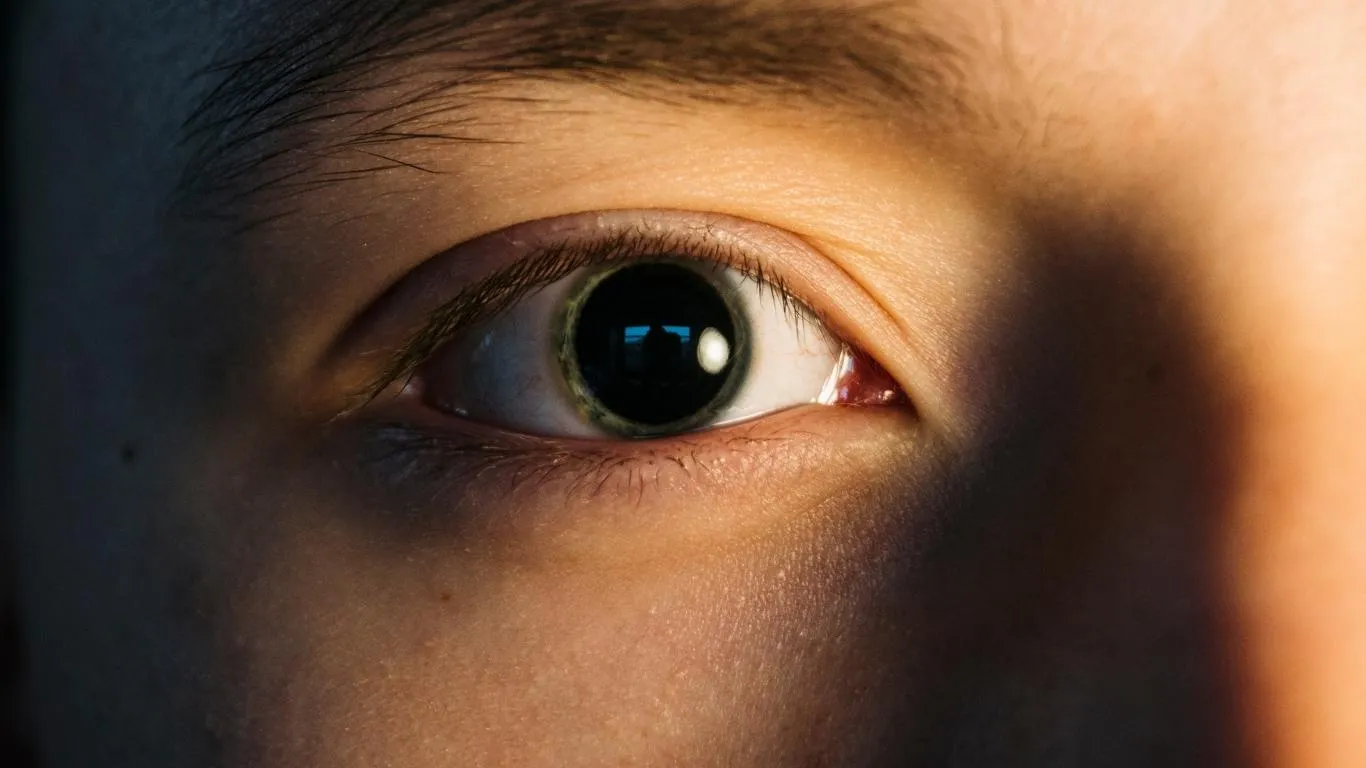
Some floaters resolve on their own over time. Others don’t. If you’re someone who’s already crossed into floater territory, there are more aggressive interventions available, such as:
- Laser vitreolysis — A non-invasive treatment that breaks apart larger floaters
- Pars plana vitrectomy — A surgical approach for severe or vision-blocking floaters
While these aren’t for everyone, they can be life-changing for people with disruptive symptoms. The key is timing — and catching issues early with the support of your ophthalmologist.
Build Your Baseline — Stay Ahead of the Signs

If you’re reading this and haven’t seen floaters yet — good. That’s the perfect time to take action. I started tracking my contrast sensitivity and light response once a month. Nothing fancy — just a few minutes with a self-check grid and documenting any changes. That small habit helped me notice when things shifted long before my doctor’s tools would have.
I can’t emphasize this enough: your baseline matters. If you don’t know what “normal” is for your eyes, how will you know when something’s off?
Tips to Start Tracking Now
- Use a printed Amsler grid and check for distortions weekly
- Journal any light flashes or moments of hazy contrast
- Photograph your eye in similar lighting each month and track visible changes
If you need help with that process, this guide walks you through it step by step.
Explore More on Eye Health & Vision Protection
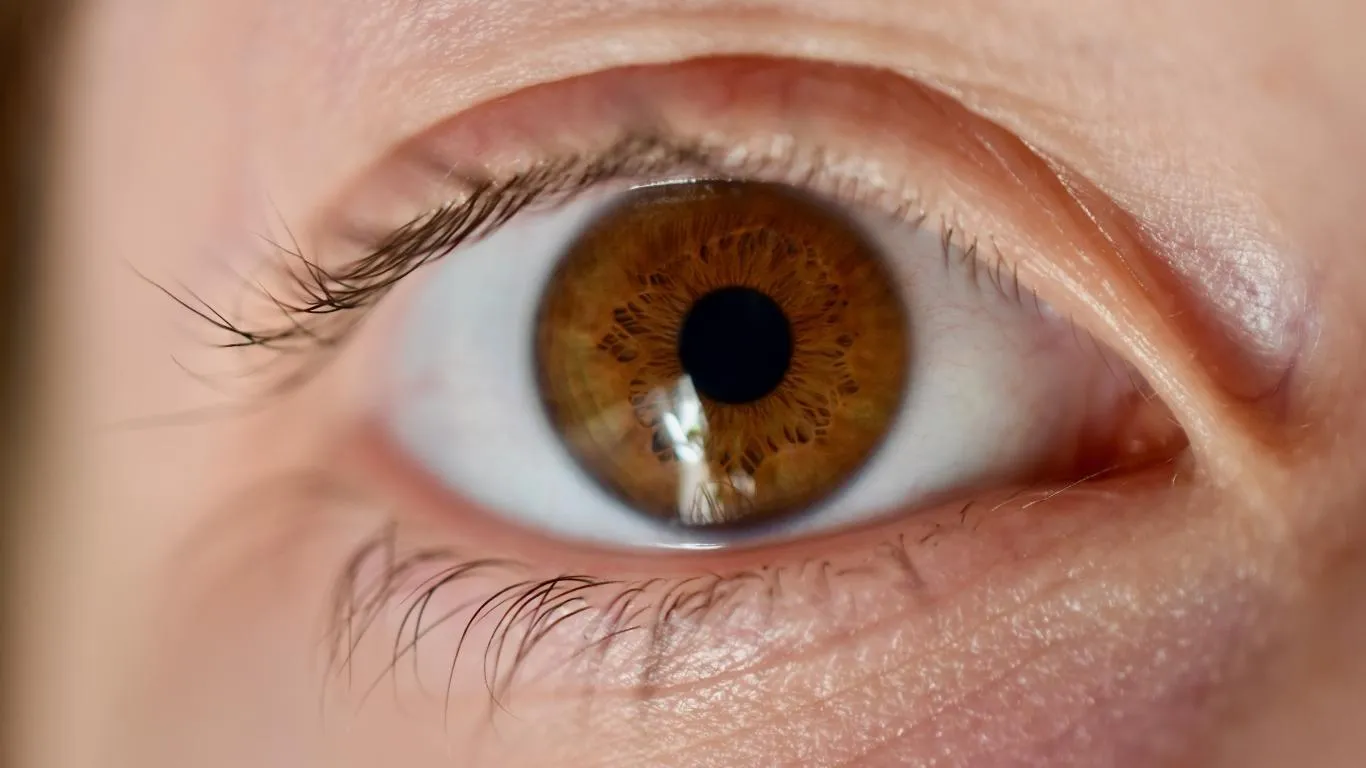
Want to go deeper into what causes floaters and how to deal with them? Start with this comprehensive pillar article — it’s the ultimate breakdown of floaters from causes to surgical options.
You’ll also want to check out this related guide that dives into the full treatment journey from observation to surgery. Trust me — the more you understand, the more power you have to act early.
My final thought? Don’t wait for the black dots to show up before you care about your vision. The signs are there — quiet, subtle, and easy to miss. But they’re worth listening to.

Camellia Wulansari is a dedicated Medical Assistant at a local clinic and a passionate health writer at Healthusias.com. With years of hands-on experience in patient care and a deep interest in preventive medicine, she bridges the gap between clinical knowledge and accessible health information. Camellia specializes in writing about digestive health, chronic conditions like GERD and hypertension, respiratory issues, and autoimmune diseases, aiming to empower readers with practical, easy-to-understand insights. When she’s not assisting patients or writing, you’ll find her enjoying quiet mornings with coffee and a medical journal in hand—or jamming to her favorite metal band, Lamb of God.