Why Eye Floaters in Young Healthy Adults Are Getting Worse
I’ll be honest—I didn’t think much about eye floaters until I started noticing them in my early 30s. Just a few tiny shadows drifting across my vision here and there. I brushed it off at first. But after a few weeks of squinting at screens and wondering if I was just overtired, I realized something might be up. That’s when I discovered I wasn’t alone. Turns out, more and more young, healthy adults are dealing with eye floaters—sometimes even in their 20s. And no, it’s not just “an old person problem” like I used to assume. Let’s break it down.
What Are Eye Floaters, Really?
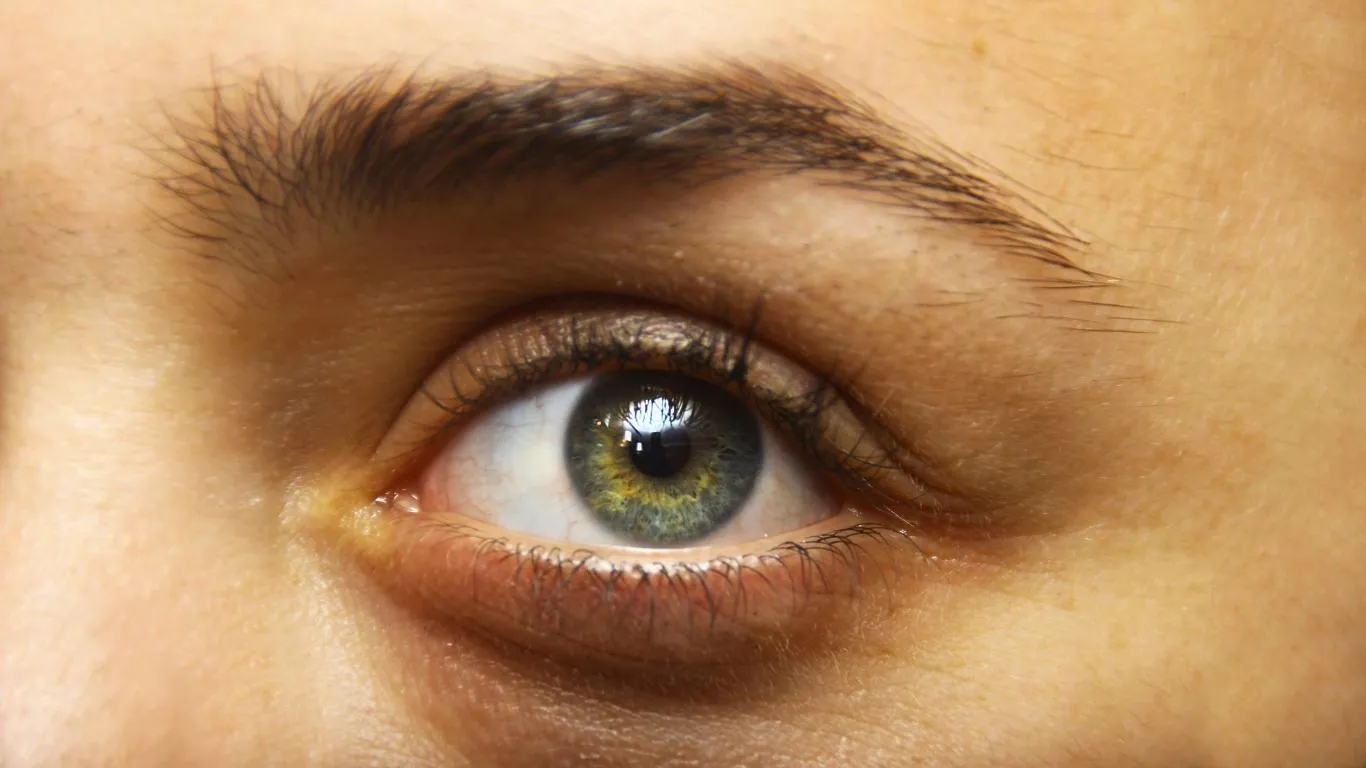
Those specks, threads, or cobweb-like shapes drifting through your field of vision? Those are floaters. Technically, they’re shadows cast by tiny clumps of collagen or other substances floating in the vitreous—the gel-like substance that fills your eye. When light hits them just right, they appear like something on your lens. But they’re actually inside your eye. Wild, right?
In young, healthy adults, these can be surprising. You expect perfect vision, not ghosts in your sight. But here’s the thing: they’re more common than you think.
Why Are Young Adults Getting Eye Floaters?
1. Screen Time Overload
Let’s start with the obvious: screens. Our phones, laptops, tablets—they’re not just exhausting our eyes, they’re also linked to worsening floaters. Extended screen use strains the eyes, reduces blinking, and may even change the way your vitreous behaves.
2. Stress and Anxiety
I was surprised to learn that stress can actually play a role. When you’re chronically anxious, your body tenses up—your eyes included. Stress might not directly cause floaters, but it can amplify your awareness of them. Suddenly, that barely-there dot is all you can see.
3. Minor Trauma or Head Movements
Ever jolted your head or rubbed your eyes a little too hard? That could be enough. In fact, minor trauma or even intense coughing can shift the vitreous slightly and trigger floaters to appear.
4. Natural Changes—Yes, Even Young Eyes Age
This one hit home for me. Just because we’re under 40 doesn’t mean our eyes aren’t changing. Vitreous degeneration can start earlier than expected, especially if you’re nearsighted or spend hours on visual tasks daily.
5. Dehydration and Diet
Hydration isn’t just about glowing skin. Your eyes depend on it, too. Dehydration can worsen floaters by affecting the vitreous consistency. Same goes for diet. A lack of eye-supportive nutrients—think vitamin C, lutein, and omega-3s—can make the problem more noticeable.
Are They Dangerous?
In most cases, no. Floaters are harmless, just annoying. But there are exceptions. A sudden burst of new floaters, especially if accompanied by flashes of light or partial vision loss, can signal a serious issue like a retinal tear. It’s rare—but not rare enough to ignore. Always get it checked out.
According to American Academy of Ophthalmology, floaters are often benign but should still be monitored closely, especially if they change rapidly. If you’ve recently had LASIK or cataract surgery, or suffer from autoimmune conditions or high myopia, you’re at increased risk. The best approach? Be informed, not anxious.
Common Myths That Need Busting
- “Only old people get floaters.” — Nope. I got mine at 32. Many get them even younger.
- “They mean you’re going blind.” — Rarely. Most are harmless, but sudden changes should be evaluated.
- “They’ll go away on their own.” — Sometimes. Other times, they stick around but fade into the background.
- “There’s no treatment.” — That’s outdated. From laser vitreolysis to vitrectomy, options exist.
What Helped Me Manage Them
Okay, personal tip time. I tried ignoring them. Didn’t work. What did help?
- Reducing screen glare: I now use blue light filters on all my screens.
- Staying hydrated: Seriously underrated. Just 2-3 liters a day made a huge difference.
- Eye exercises: Rolling the eyes gently helped disperse the floaters a bit—no miracle, but noticeable relief. More on that here.
If you’re looking for a deeper dive into floaters—causes, symptoms, and when to worry—check out this comprehensive guide and our main article on causes.
Floaters in young, healthy adults are more than just a minor annoyance. They’re a sign that even our eyes—like the rest of us—are impacted by the way we live, work, and stare at screens all day.
When to Seek Professional Help
I’ll admit, I waited longer than I should have before seeing an eye doctor. Part of it was denial, part was the assumption that “it’s just floaters.” Don’t make that mistake. If you notice any of the following, it’s time to get checked out:
- A sudden burst of new floaters
- Flashes of light
- Dark curtain or shadow across vision
- Floaters after a head or eye injury
- Vision changes following surgery or trauma
These could be signs of something more serious, like a retinal tear or detachment. The sooner you act, the better the outcome. Trust me—your peace of mind is worth it.
Modern Treatment Options
1. Observation and Reassurance
For most people (like me), the best “treatment” is simply observation. Floaters often settle or become less noticeable over time. If your eye is healthy and the floaters aren’t growing in number, your doctor might suggest just monitoring them for changes.
2. Laser Vitreolysis
This one’s gaining popularity. It involves using a laser to break up large floaters. Some find huge relief, others not so much. It’s not for everyone, and results can vary—but if you’re struggling to function, it’s worth discussing. Here’s a solid overview on treatment options to explore further.
3. Vitrectomy
The most aggressive option, vitrectomy involves removing the vitreous gel and replacing it with a saline solution. It’s effective—but comes with risks like cataracts or retinal detachment. It’s typically a last resort for those with severe, vision-blocking floaters that don’t respond to anything else.
Lifestyle Tweaks That Actually Help
While there’s no “magic cure,” I did find small daily habits that made a noticeable difference. Here’s what worked for me and others who’ve shared their stories:
- Daily hydration: Keeping your eyes hydrated from the inside out supports your vitreous health. Floaters got worse when I skipped water, so I carry a bottle everywhere now.
- Eye-friendly diet: Foods rich in vitamin C, lutein, and omega-3s really do matter. I saw noticeable improvements after tweaking my meals. Learn about diet changes here.
- Yoga and eye exercises: Combining physical relaxation and specific eye movement helped me reduce eye strain. A few of these yoga poses are easy to do at home.
Emotional Toll No One Talks About
This might sound dramatic, but anyone who’s lived with constant floaters knows how mentally draining they can be. I got anxious about driving, avoided reading for long periods, and sometimes even canceled plans just because the floaters were distracting that day.
And I’m not alone. Studies have shown that chronic floaters can quietly impact mental health, especially in high-functioning adults who rely heavily on visual tasks. If that sounds like you, check out this piece on the mental effects of persistent floaters.
It’s okay to talk about this. You’re not imagining the discomfort or the frustration. You’re also not being overly sensitive. Eye floaters might be small, but their impact can feel big.
What You Can Do Today
Here’s what I wish I’d known when this all started:
- Take them seriously, but don’t panic. They’re usually harmless but still worth checking out.
- Track your symptoms. Keep a journal to spot trends—do they worsen with stress, dehydration, or certain lighting?
- Protect your eyes. Reduce screen time, use filters, and don’t rub your eyes excessively.
- Find support. You’re not alone. Forums, eye specialists, and even casual convos can help normalize the experience.
If you’re seeing changes in your floaters, especially after exercise or trauma, don’t hesitate to learn more about possible warning signs here.
Still curious about the broader picture? This in-depth article on eye floaters, causes, and treatment options is a great place to go next.

Camellia Wulansari is a dedicated Medical Assistant at a local clinic and a passionate health writer at Healthusias.com. With years of hands-on experience in patient care and a deep interest in preventive medicine, she bridges the gap between clinical knowledge and accessible health information. Camellia specializes in writing about digestive health, chronic conditions like GERD and hypertension, respiratory issues, and autoimmune diseases, aiming to empower readers with practical, easy-to-understand insights. When she’s not assisting patients or writing, you’ll find her enjoying quiet mornings with coffee and a medical journal in hand—or jamming to her favorite metal band, Lamb of God.