Why Eye Floaters Get Worse With Poor Sleep
It wasn’t until a particularly restless week of tossing and turning that I noticed my eye floaters had become more obvious—those faint squiggly shapes dancing in my vision seemed to linger longer. I chalked it up to stress, maybe too much screen time. But the more I looked into it, the more I realized that poor sleep can seriously mess with how floaters show up. If you’ve ever wondered why your floaters seem worse after a bad night’s sleep, you’re definitely not alone.
How Sleep Quality Impacts Eye Health
Your body doesn’t just recharge mentally during sleep—it does critical maintenance work on every system, including your eyes. Poor or fragmented sleep can disrupt ocular circulation, tear film quality, and even the balance of intraocular fluids. I’ve personally felt the difference: blurry mornings, dry eyes, and floaters that feel more “active” than usual.
Increased Eye Strain
Lack of sleep often leads to longer hours straining your eyes in front of screens or under poor lighting. That eye strain can exacerbate your perception of floaters, especially in contrast-heavy environments like staring at a white wall or computer background.
Reduced Ocular Lubrication
When you’re sleep-deprived, your eyes don’t produce enough tears, which affects the fluid clarity inside your eye. This can amplify how floaters appear, especially in low-humidity rooms or air-conditioned environments.
Cortisol, Stress, and Sleep
Poor sleep and high cortisol levels go hand-in-hand, and cortisol can negatively influence collagen and vitreous health. Stress is already a known trigger for floaters, and sleep deprivation just adds fuel to the fire.
Why Floaters Become More Noticeable After Sleepless Nights
One thing I’ve come to realize is that the floaters themselves don’t always change—it’s your perception of them that gets sharper when you’re exhausted. Your brain becomes hyper-aware of visual disturbances when it’s fatigued, and floaters stand out more in your field of vision.
Contrast Sensitivity Changes
Sleep affects your contrast sensitivity. A poorly rested eye will have a harder time adapting to light changes and processing contrast, making floaters more pronounced. This is especially frustrating when you’re outside or in a bright room.
Delayed Visual Processing
I noticed on sleep-deprived days, my eyes take longer to “lock in” on details, and floaters feel like they drag more than usual. Research confirms that REM sleep plays a role in visual memory and processing speed, so skipping it disrupts how clearly we interpret what we see.
Underlying Sleep Disorders and Persistent Floaters
If floaters have become a consistent issue, especially in the morning or after restless sleep, it could point to underlying sleep problems. Conditions like insomnia, sleep apnea, or even chronic fatigue can heighten your risk. One article I found particularly helpful was about how sleep deprivation triggers sudden increases in floaters—and it aligned with what I was going through.
- Sleep apnea may reduce oxygen delivery to the eye, affecting retinal and vitreous health
- Chronic insomnia keeps cortisol levels high, degrading collagen and accelerating eye aging
- Restless leg syndrome and other sleep disruptions can affect visual refresh and repair cycles
Addressing the root cause of sleep deprivation could go a long way toward minimizing how severe your floaters appear—sometimes more than any supplement or eye drop.
Practical Tips That Helped Me Reduce the Effect of Sleep-Deprived Floaters
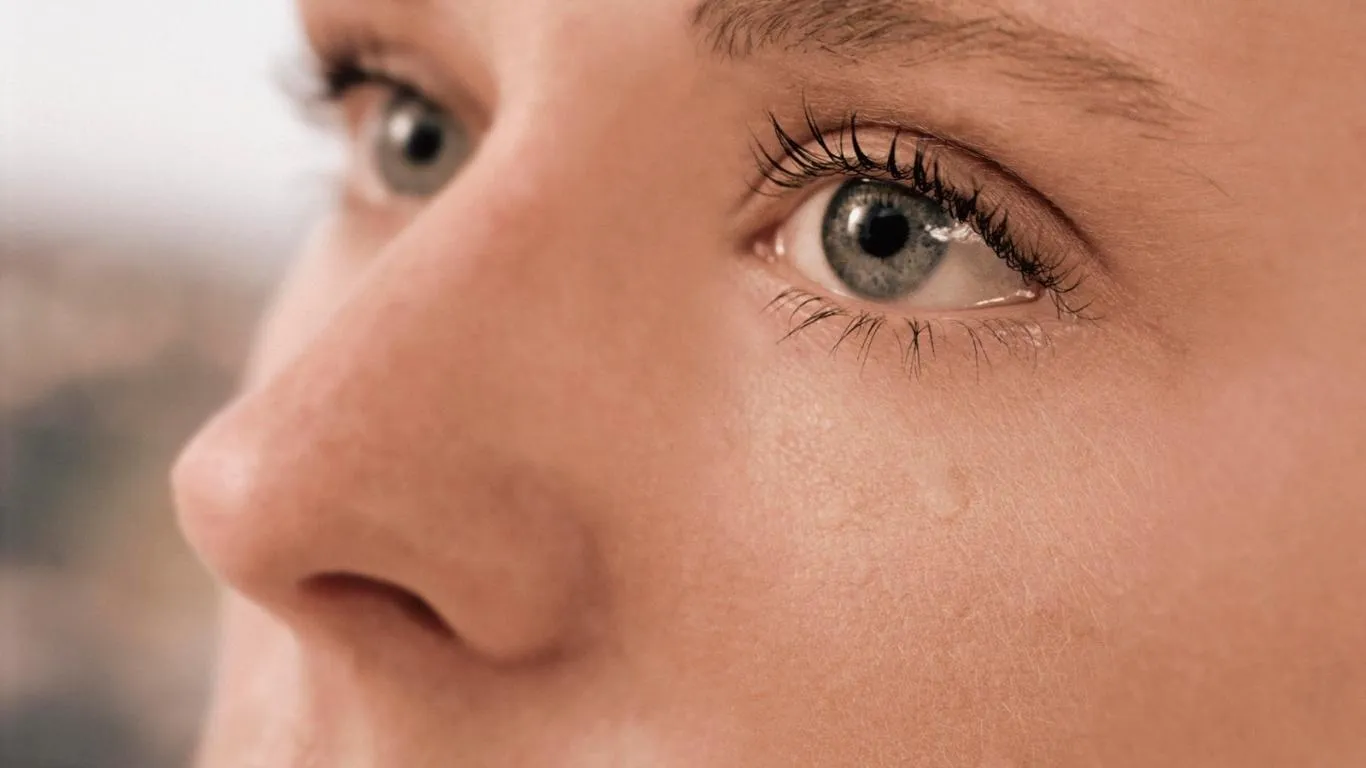
Everyone’s eyes are different, but these adjustments have made a huge difference for me—especially when I know I’m not sleeping enough:
- Switching to warmer night lights and avoiding cold LEDs before bed
- Using lubricating eye drops first thing in the morning
- Sleeping with a humidifier on to protect my tear film
- Taking regular breaks from screens and using screen filters or blue light glasses
- Drinking more water late afternoon and cutting caffeine by 3 p.m.
I’ve also found some of the advice shared on the Healthusias blog about warning signs with floaters genuinely useful—especially when floaters appear alongside other symptoms.
When It’s Time to Take Eye Floaters More Seriously
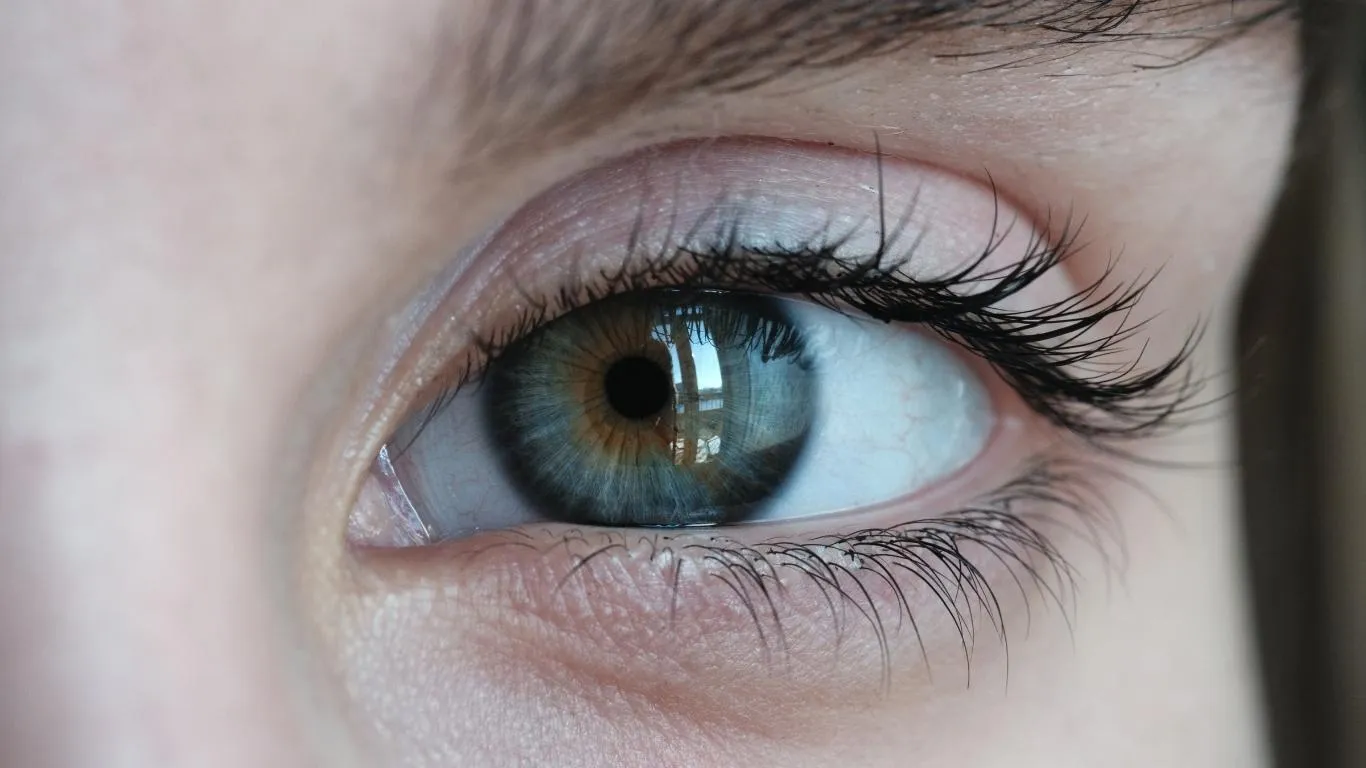
If your floaters are changing in shape, size, or frequency—especially when tied to sleep loss—it’s worth getting them checked out. A quick dilated eye exam can rule out early-stage retinal issues that might be lurking underneath. I’ve had one, and it gave me peace of mind even though the floaters weren’t caused by anything serious.
To dive deeper into understanding all aspects of floaters, from symptoms to treatment, the main pillar article on eye floaters is incredibly comprehensive. And if you’re looking for related causes, the piece on dehydration making floaters worse complements this topic well.
For broader causes and signs that shouldn’t be ignored, the warning signs pillar article is worth bookmarking.
Why Poor Sleep Might Be the Hidden Culprit in Chronic Eye Floaters
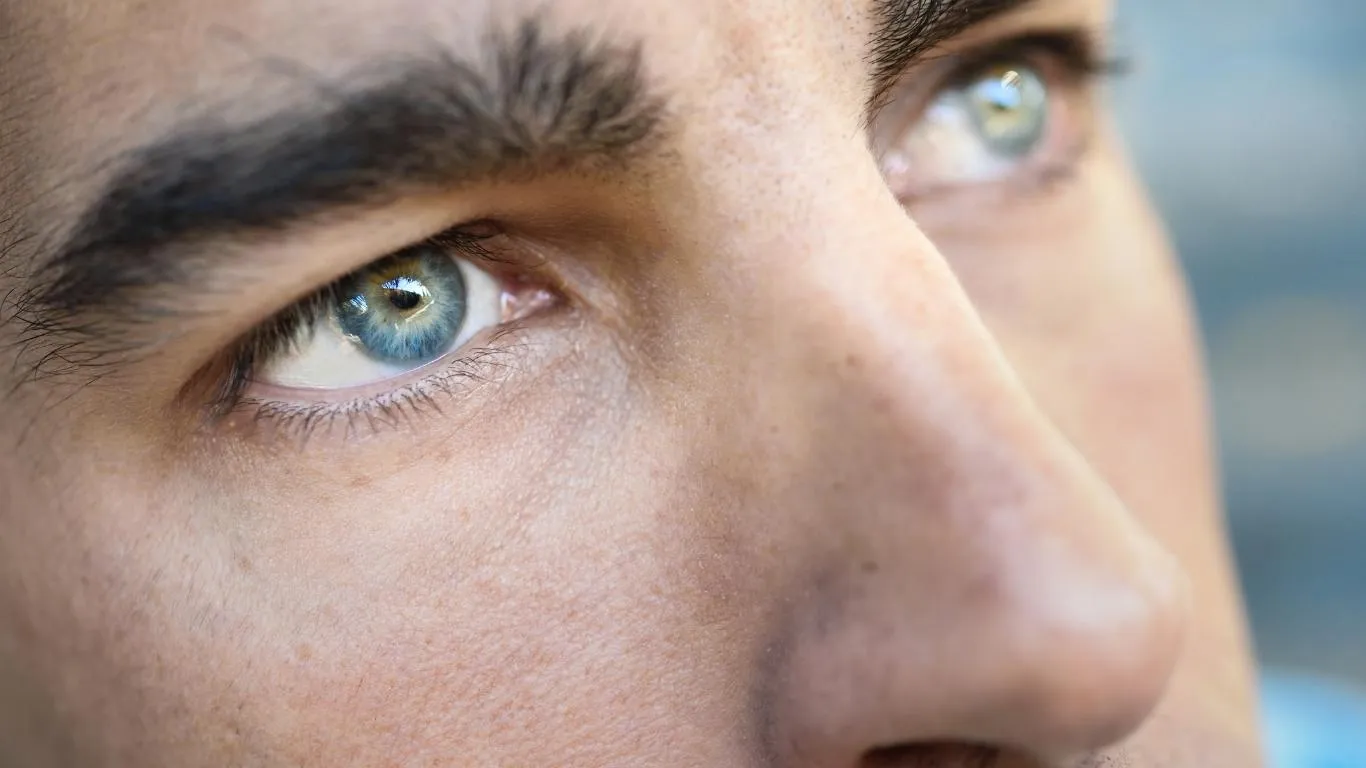
Most people don’t link their sleep schedule to their eye health. I didn’t either—until my floaters began appearing like an uninvited guest every groggy morning. Turns out, the connection between consistent, restorative sleep and vitreous eye health runs deeper than most eye care articles let on.
Sleep Helps Maintain Collagen Integrity
The vitreous gel inside our eyes is made largely of water and collagen fibers. Over time, especially with aging, those fibers begin to clump and cast shadows—what we call floaters. But did you know that collagen repair is tightly linked to sleep cycles? According to PubMed, deep sleep promotes natural collagen production. Without it, collagen deteriorates faster—contributing to early vitreous degeneration.
REM Sleep and Visual Processing Sync
During REM cycles, your brain consolidates visual information, allowing it to “filter” out non-threatening patterns—like benign floaters. When you don’t get enough REM, your brain may actually become hyper-sensitive to mild visual disturbances, causing floaters to appear more frequent or intense.
Are Supplements the Answer for Sleep-Deprived Eyes?
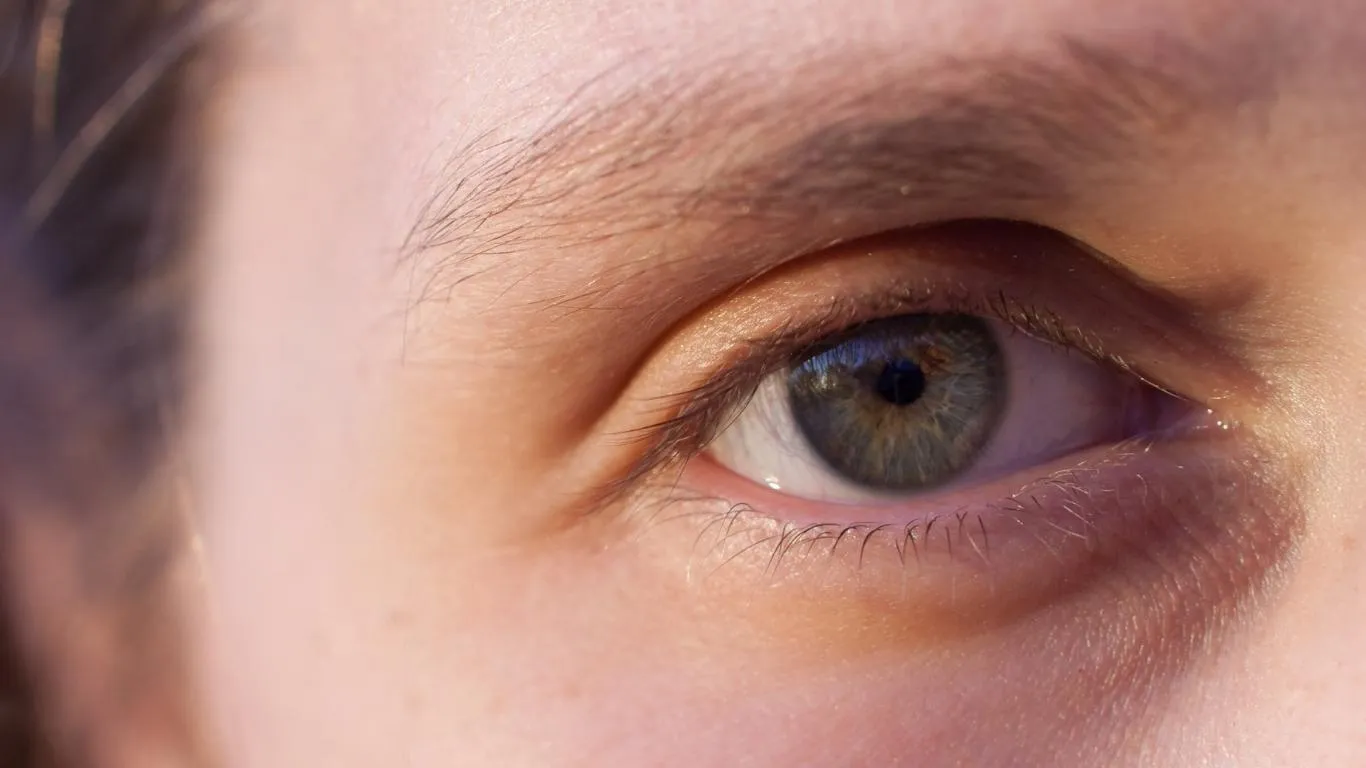
I’ll admit—I went down the supplement rabbit hole when floaters started getting in the way of daily life. Some helped, some did nothing, and some were just expensive hype. But when sleep was poor, even the best supplements seemed to fall short. Here’s what actually made a difference for me:
- Magnesium glycinate – Calmed my nervous system at night and reduced morning floater sensitivity
- Lutein + Zeaxanthin – Targeted antioxidant support that reduced oxidative stress in the eye
- Collagen peptides – Took time, but I did notice a gradual softening of floaters over a few months
- Collagen-boosting eye supplements – Some formulations were surprisingly effective if taken consistently
Of course, none of these worked as well when I wasn’t sleeping right. My takeaway? Sleep first, then support with nutrition. Not the other way around.
Proven Ways to Protect Your Vision While Improving Sleep
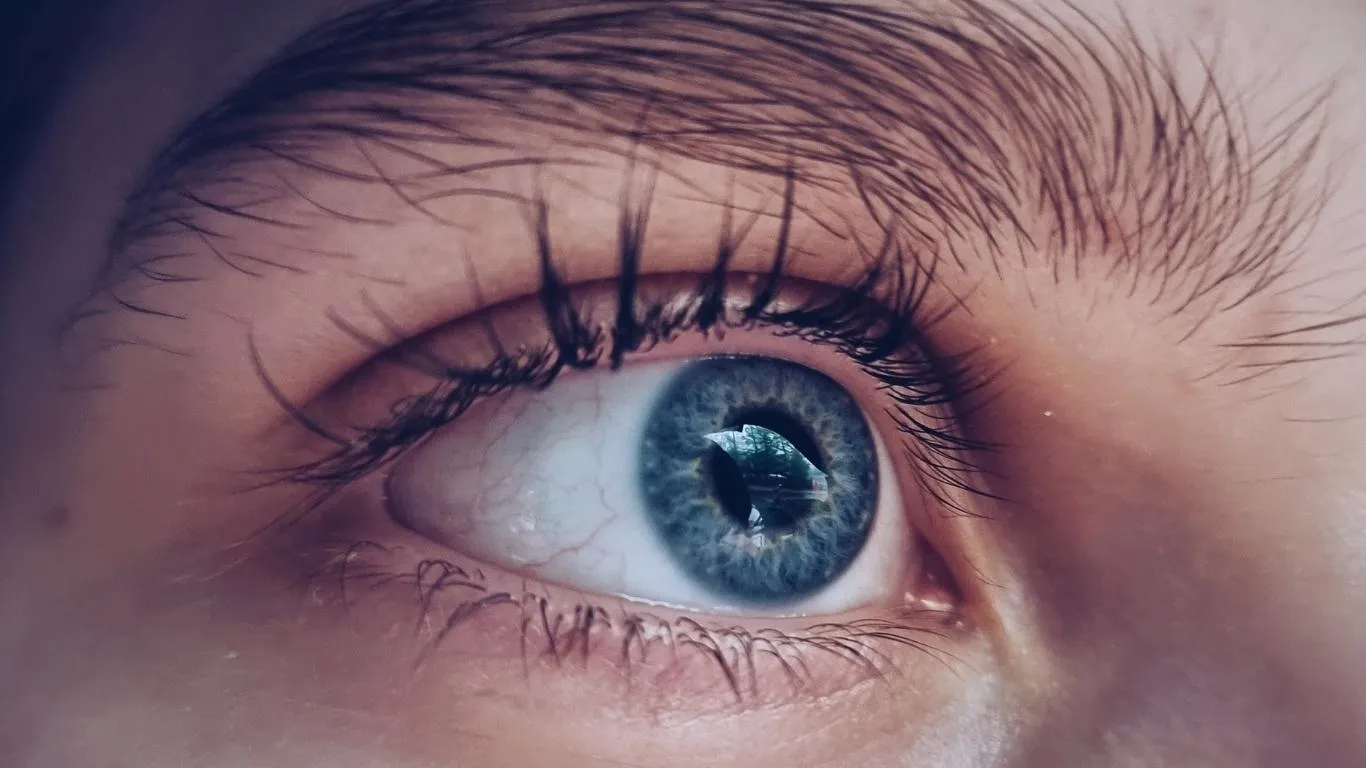
If floaters seem worse when you’re exhausted, it might be time to rethink your sleep strategy. These adjustments helped me more than any single product or tip:
- Sticking to a fixed bedtime—even on weekends
- Swapping evening phone use for audiobooks or analog tasks
- Blocking all light leaks with blackout curtains and a soft eye mask
- Keeping the bedroom under 70°F—cool air = deeper sleep
- Adding short naps on bad nights (20-30 mins max, before 3pm)
For anyone stuck in the loop of poor sleep and worsening floaters, the article on floaters after physical stress helped me better understand the compounding effects. You’d be surprised how often lack of recovery plays a role.
Could Blue Light and Tech Habits Be Making It Worse?
Sleep isn’t just about how much rest you get—it’s also about how you wind down. And most of us, myself included, are on screens right up until we try to sleep. That habit not only triggers digital eye strain, but also suppresses melatonin production due to blue light exposure.
I switched to blue light glasses and cut screens an hour before bed. Took a while to adjust, but floaters became less annoying during the day. You can also use apps that tint your screen warmer after sunset—small change, big impact.
What to Watch For If Floaters Persist or Change
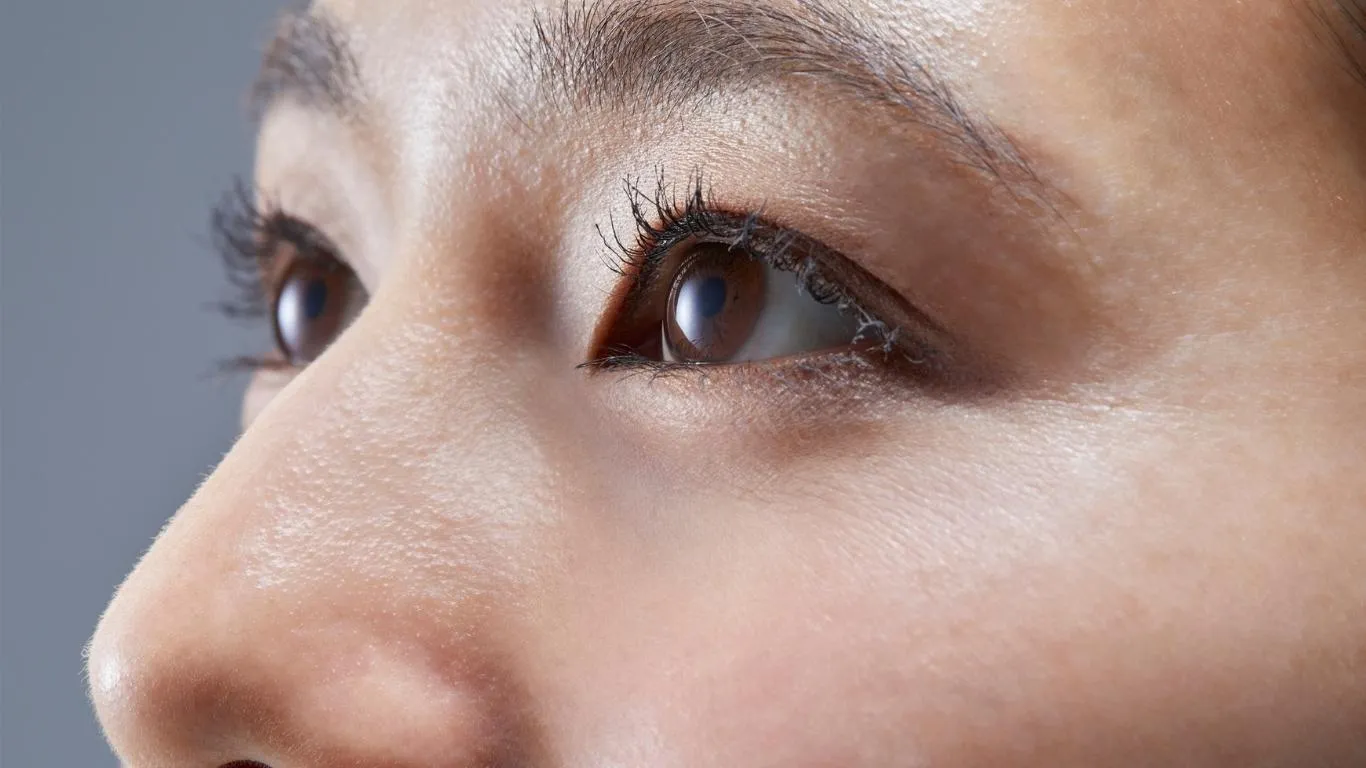
There’s a difference between annoying floaters and serious vision warnings. If you’re noticing any of these signs, especially after poor sleep or stress, you should get an eye exam right away:
- Floaters that multiply rapidly over a day or two
- Sudden flashes of light (even with eyes closed)
- Dark curtain-like shadow in your peripheral vision
- Blurred central vision that worsens with eye movement
These can be signs of retinal detachment or damage. Don’t wait. I’ve read one too many stories of people brushing it off as “just floaters” until it was too late.
Daily Lifestyle Tweaks That Quietly Improve Floaters and Sleep
Not everything that helps comes in a bottle. These small lifestyle shifts made the biggest difference for me over time:
- Adding stretching and light yoga at night lowered my stress levels and improved REM quality
- Cutting late-night sugar reduced morning eye puffiness and floaters
- Eye exercises before bed gave my eyes a break from digital fatigue
- Drinking a magnesium-rich smoothie 90 minutes before sleep
- Taking short outdoor walks in natural light to regulate my circadian rhythm
If you’ve been chasing all the floaters solutions but ignoring your pillow, it might be time to flip the script. You’ll likely notice—like I did—that improving sleep habits calms everything down, including your eyes.
Still curious about what causes floaters or how to distinguish them from something serious? This comprehensive floaters guide is one of the most balanced resources I’ve found—worth bookmarking if you’re navigating this journey too.

Camellia Wulansari is a dedicated Medical Assistant at a local clinic and a passionate health writer at Healthusias.com. With years of hands-on experience in patient care and a deep interest in preventive medicine, she bridges the gap between clinical knowledge and accessible health information. Camellia specializes in writing about digestive health, chronic conditions like GERD and hypertension, respiratory issues, and autoimmune diseases, aiming to empower readers with practical, easy-to-understand insights. When she’s not assisting patients or writing, you’ll find her enjoying quiet mornings with coffee and a medical journal in hand—or jamming to her favorite metal band, Lamb of God.