
Why Floaters After Using Phone in Dark Might Be a Warning
So the other night I was lying in bed, scrolling through messages, checking one last thing before sleeping — you know, the usual — and bam, out of nowhere, I started seeing these tiny specs and strands floating in my vision. At first, I brushed it off as fatigue or screen glare. But as the days went on, those ghost-like floaters just wouldn’t leave. Sound familiar? If you’ve ever noticed weird squiggles or shadows in your vision *especially after using your phone in the dark*, you’re definitely not alone.
What Are Eye Floaters, Really?
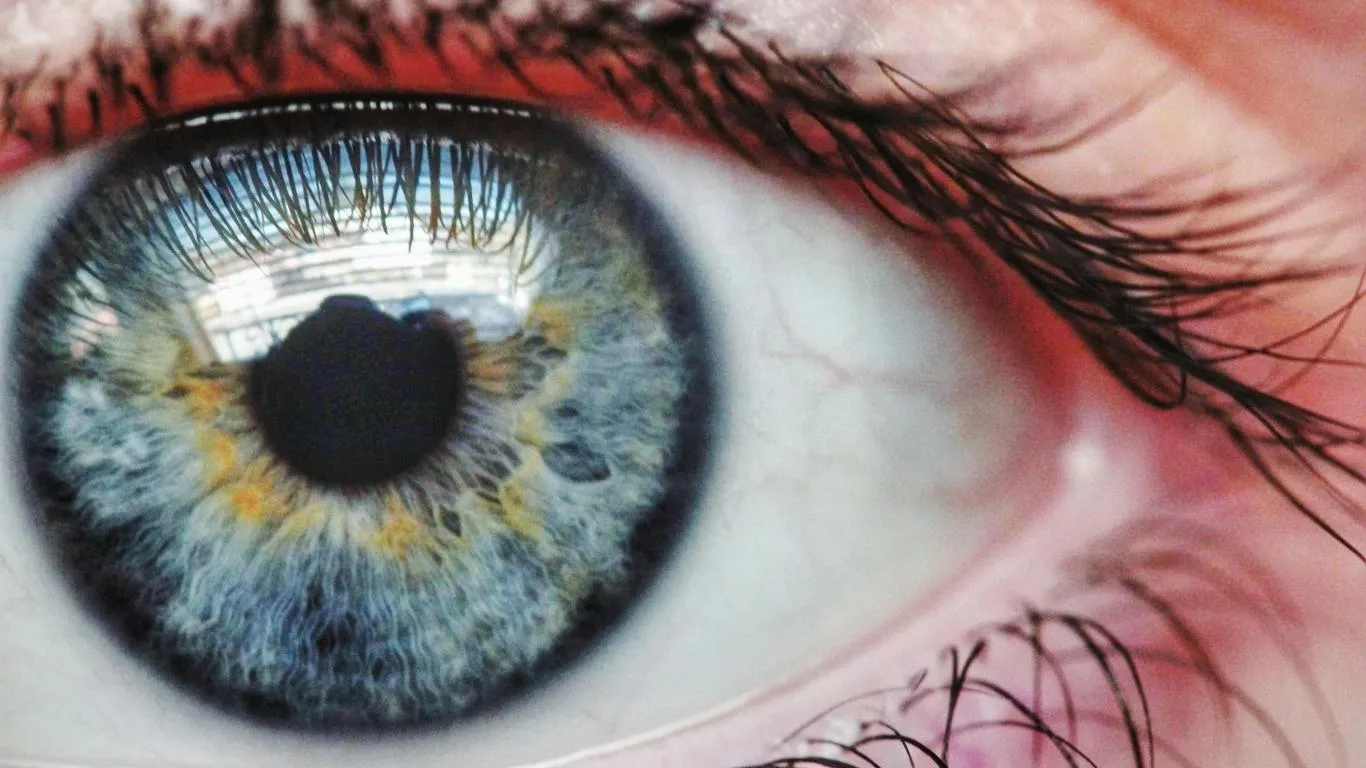
Floaters are these teeny-tiny blobs or threads that seem to drift across your field of vision. Technically, they’re clumps of collagen or other substances floating in the vitreous humor—the gel-like substance inside your eyeballs. When light enters your eye and hits these floaters, it casts shadows on your retina, which is why you see them as they float by.
Now, seeing them occasionally is pretty common, especially as you age. But when they pop up right after binge-scrolling your phone in the dark, it might be your eyes trying to tell you something.
Why Using Your Phone in the Dark Can Trigger Floaters
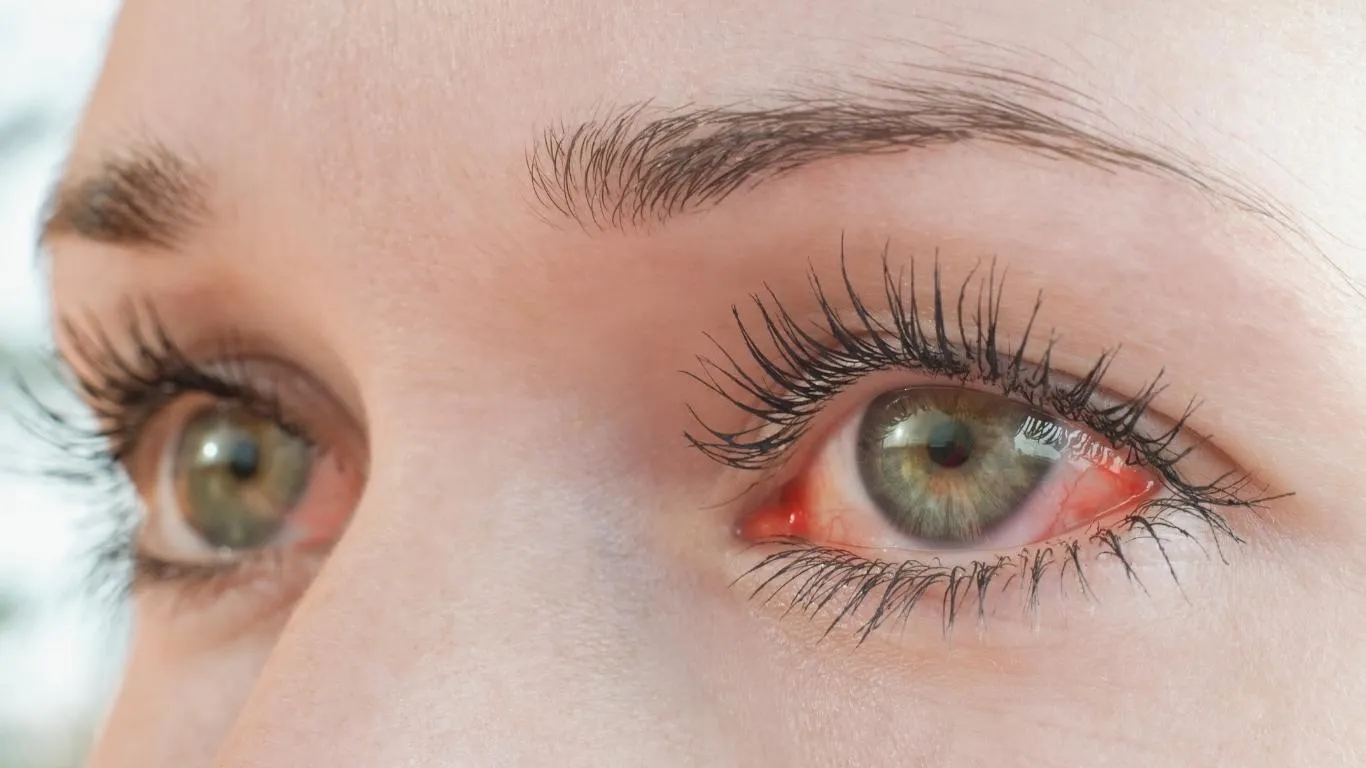
It’s not just bad for sleep — using your phone in the dark can actually mess with your eyes more than you think. Let’s break it down:
1. Your Pupils Dilate in the Dark
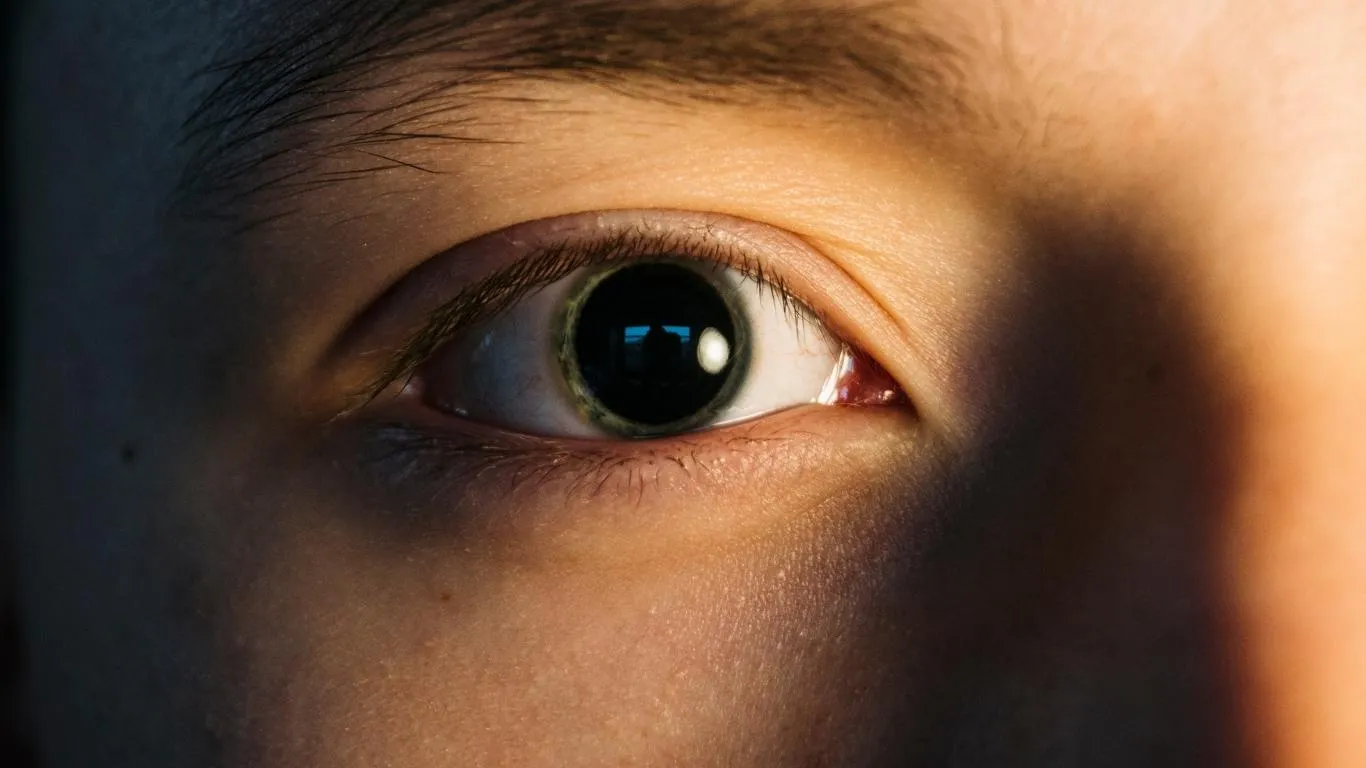
When you’re in a dim room, your pupils expand to let in more light. If you suddenly expose them to a bright phone screen, it’s like a visual shock. This rapid exposure can intensify how floaters appear because more light is flooding the eye — making any imperfections in the vitreous humor way more noticeable.
2. Eye Strain and Muscle Fatigue
Ever noticed how your eyes get dry or sore after late-night phone use? That’s strain. And when your eyes are under stress, you’re more likely to notice floaters more frequently, especially if they were already lurking in the background. Strained eyes can also impact how the vitreous gel behaves, potentially stirring up older floaters or even causing new ones to form.
3. Blue Light Could Be a Bigger Villain Than We Thought
Phones emit blue light — not exactly breaking news. But there’s growing research suggesting that prolonged blue light exposure may contribute to oxidative stress in the retina and even disrupt the vitreous structure. According to the National Eye Institute, long-term retinal stress can accelerate changes that lead to increased floater visibility.
When Should You Be Concerned?
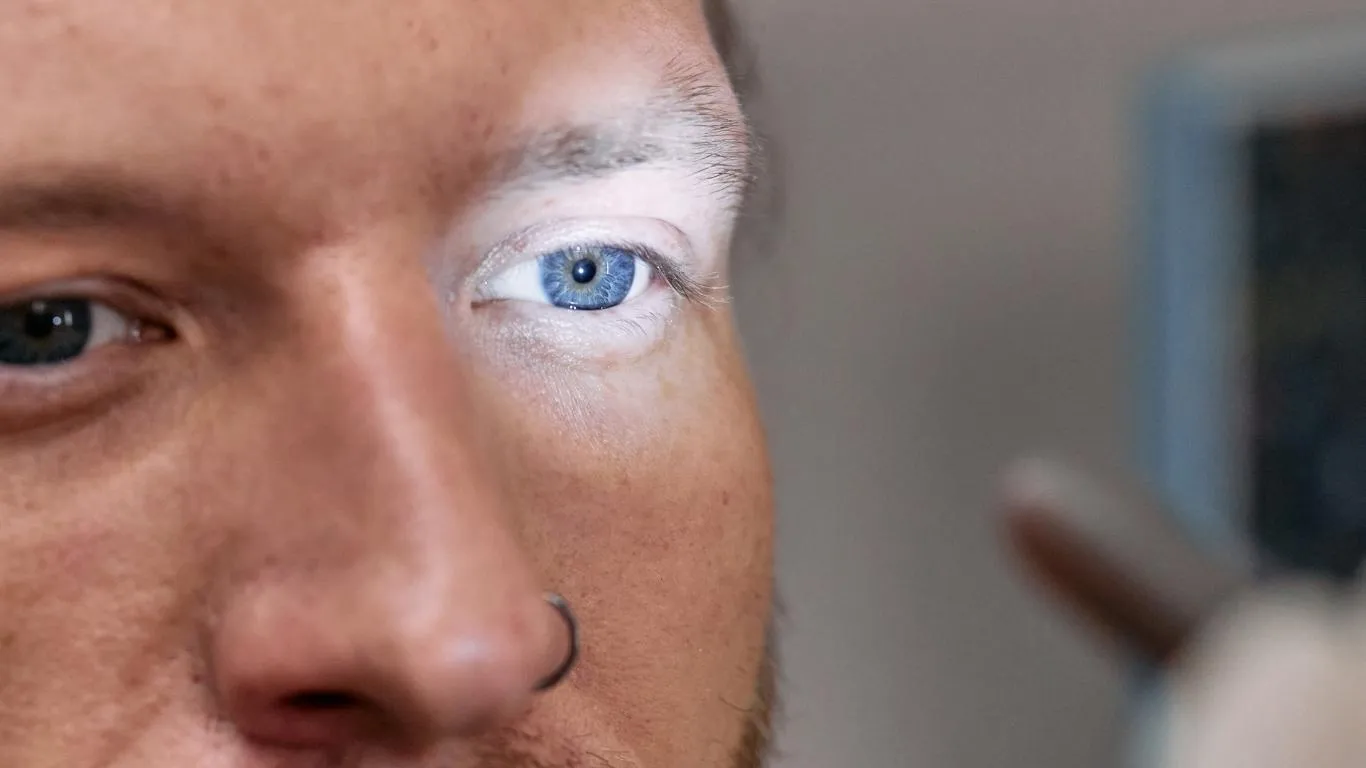
If your floaters come on suddenly, increase rapidly, or are accompanied by light flashes or partial vision loss, that’s not just screen fatigue — it could be something more serious like a retinal tear or detachment. You’ll want to get that checked *immediately*. A sudden burst of floaters can signal actual structural changes inside the eye, especially if it happens post-surgery, post-trauma, or in low-light conditions where you’ve been pushing your eyes too hard.
How to Minimize Floaters After Dark Phone Use
Alright, so ditching your phone completely at night might be unrealistic — I get it. But there are smarter habits you can build to give your eyes a break:
- Turn on a bedside lamp: Using your phone in complete darkness is the worst combo. Even a soft light source helps reduce the pupil dilation and light shock effect.
- Enable Night Shift or Blue Light Filter: These settings are lifesavers. They reduce the intensity of blue light and help your eyes adjust gradually.
- Blink more: Sounds basic, but when we’re glued to our screens, we blink less. That dries out the eyes and adds to the discomfort. Consciously blinking can help redistribute the tear film and relax your vision.
- Take a screen break: Look away every 20 minutes — even at night. I like to stare at the ceiling fan or that glow-in-the-dark sticker from 2005. Anything helps.
For more info on causes beyond screen use, the common causes of eye floaters article is an eye-opener (no pun intended). And if you’re curious about deeper mechanisms like vitreous changes, this guide here from our main pillar article dives into it beautifully.
My Own (Frustrating) Experience
I’ll be honest — the first time I saw floaters after a dark-scroll session, I thought it was a sign of burnout. Or ghosts. But they stuck around. And worse, they danced more when I scrolled TikTok at night. I started adjusting my brightness, using warm filters, and even tried that old trick of rolling your eyes in slow circles. Surprisingly, it helped — not a cure, but a little relief. The most game-changing moment, though, was realizing this wasn’t just “a me thing.” Tons of people are dealing with this and blaming their screens — and honestly, they’re not wrong.
Also, I stumbled across this helpful piece on whether floaters stick around after treatments like YAG capsulotomy. While not directly related to phone usage, it opened my eyes (again, pun intended) to how persistent these floaters can be once they form.
What to Do When Floaters Don’t Fade Away
Alright, let’s say it’s been a few weeks. You’ve cut down on dark room scrolling, turned on night mode, and even went full analog and started reading paperbacks again — but those floaters are still doing the cha-cha in your field of vision. What now?
The truth is, some floaters do fade over time. Others, annoyingly, decide to stick around. But there are a few things you can explore to manage or even reduce them — especially if they’re affecting your daily life or mental clarity. Yep, they’re that distracting sometimes.
Medical Treatments Worth Knowing About
Not everyone needs surgery or aggressive treatments, but knowing your options helps:
- Observation: This is the standard first move. If your floaters aren’t multiplying or disrupting your vision too much, your eye doctor may just monitor them over time.
- Laser Vitreolysis: A non-invasive procedure that uses a laser to break up floaters into smaller, less noticeable bits. It’s quick, but results vary. Here’s a solid breakdown on what’s considered normal after retinal laser treatments.
- Vitrectomy: This one’s more serious — a surgical procedure to remove the vitreous gel and replace it with a saline solution. It works, but it carries risks like retinal detachment and infection.
More detailed info on all of these can be found in our article on treatments for eye floaters.
Lifestyle Tweaks That Actually Make a Difference
I started making small changes — more hydration, screen time limits, regular breaks — and slowly, things improved. Not overnight, but noticeably over time. Turns out, your day-to-day habits can influence how visible floaters become.
- Stay hydrated: Dehydration can thicken the vitreous, making floaters more visible. Here’s a read on how dehydration plays a sneaky role.
- Improve your lighting: Use balanced ambient light while on screens. Overhead lighting or warm desk lamps are best.
- Eat eye-friendly foods: Leafy greens, carrots, foods rich in lutein and omega-3s — all of them help maintain vitreous and retinal health. Here’s a more detailed list of foods that boost your vision.
- Sleep better: Poor sleep and eye strain go hand in hand. I learned the hard way — staying up with TikTok just made things blurrier. Try these floaters-friendly sleep tips.
When to See a Specialist (No, You’re Not Overreacting)
If floaters increase suddenly, appear with light flashes, or are accompanied by shadows in your peripheral vision, see a retina specialist ASAP. Those can be signs of posterior vitreous detachment or worse, retinal tear — both of which need urgent attention.
And trust me, you’re not being dramatic. I was told to “wait and watch” once, only to find out I had early signs of retinal thinning. Good thing I got a second opinion. Floaters are often harmless, but they can also be a red flag. Don’t brush them off if your gut says something’s off.
Digital Habits That’ll Save Your Eyes (and Sanity)
If your floaters tend to flare up after screen time, especially in the dark, try these pro-level adjustments that made a noticeable difference for me:
- Dark Mode ≠ Safe Mode: A lot of folks think dark mode is easier on the eyes. But in complete darkness, it can increase contrast and make floaters stand out even more. Use dark mode *with* a background light.
- Adjust font sizes: Zoom in on text so your eyes don’t have to work as hard. This reduces strain and helps your focusing muscles chill a bit.
- 20-20-20 Rule: Every 20 minutes, look at something 20 feet away for 20 seconds. Helps reduce eye fatigue and keeps your vitreous gel calm — yeah, that’s a thing.
- Try blue light glasses: I was skeptical, but a good pair of lenses with a filter made my nighttime screen experience way more comfortable. Here’s more on how these filters work.
Supplements and Eye Health Products: Gimmick or Game-Changer?
I’ll be honest, I was super skeptical of supplements — there’s a lot of snake oil out there. But after a bit of trial and error (and a few expired bottles later), I found a couple that seemed to help reduce the “visual noise.” Some nutrients to look for:
- Lutein & Zeaxanthin: Powerful antioxidants for retinal health.
- Omega-3 Fatty Acids: They support the overall structure of the eye and may reduce inflammation in the vitreous.
- Vitamin C: Helps maintain collagen in the vitreous. See more on how it works with floaters.
If you want to go deeper, check out our list of the best supplements that actually make a difference.
Don’t Ignore What Your Eyes Are Telling You
What I learned — the hard way — is that our eyes are often the first to show signs of strain, stress, or even deeper health issues. Floaters after using your phone in the dark aren’t always “just one of those things.” They’re worth noticing, tracking, and understanding. And yeah, they’re super annoying, but there’s a lot you can do to dial them down or even prevent more from forming.
Want the full picture of how these floaters form, how to spot the red flags, and what your eye gel is up to behind the scenes? Head over to our detailed guide on what causes floaters and how to treat them. And if you’re wondering when floaters become dangerous, don’t miss this important breakdown.

Camellia Wulansari is a dedicated Medical Assistant at a local clinic and a passionate health writer at Healthusias.com. With years of hands-on experience in patient care and a deep interest in preventive medicine, she bridges the gap between clinical knowledge and accessible health information. Camellia specializes in writing about digestive health, chronic conditions like GERD and hypertension, respiratory issues, and autoimmune diseases, aiming to empower readers with practical, easy-to-understand insights. When she’s not assisting patients or writing, you’ll find her enjoying quiet mornings with coffee and a medical journal in hand—or jamming to her favorite metal band, Lamb of God.