How Floaters Can Signal Hidden Nutrient Absorption Issues
Ever noticed those drifting specks in your vision—like little threads, blobs, or cobwebs? If you’re like me, you’ve probably shrugged it off the first few times. I know I did. But when floaters started showing up more often, especially after meals or during gut issues, I got curious. And what I discovered genuinely surprised me: there’s a growing body of evidence linking eye floaters and nutrient absorption issues. It’s a connection many overlook, but once you dive in, it makes a whole lot of sense.
How Your Gut Might Be Talking Through Your Eyes
We tend to think of floaters as just an eye problem. You know, something to blame on age or staring at screens all day. But here’s the kicker: your digestive system and nutrient uptake can play a much bigger role in your eye health than you think.
Your eyes depend on a constant flow of vitamins, minerals, and antioxidants. And where do those come from? Your diet—more specifically, from your gut’s ability to absorb nutrients properly. When that system breaks down (hello, leaky gut, inflammation, or IBS), your eyes may be the first to complain.
So, what does poor nutrient absorption actually do to your eyes?
Here’s what happened to me: I went through a period of really intense stress, wasn’t eating great, and developed gut issues. Not long after, I started seeing floaters. Coincidence? I thought so. But turns out, I wasn’t alone.
- Deficiencies in Vitamin C and E—both critical for eye tissue—can make the vitreous body more vulnerable to degeneration.
- Low collagen production, tied to poor protein assimilation, can lead to floaters forming more easily.
- Magnesium deficiency—super common if your gut is compromised—can mess with fluid regulation in your eyes.
One study even showed that people with chronic malabsorption disorders were more prone to vitreous syneresis, a process that often causes floaters. The link? You guessed it—nutrient depletion.
Which Nutrients Matter Most When It Comes to Floaters?
When your gut isn’t doing its job, the most important nutrients for eye health take the hit. Here are the big players you should care about:
- Vitamin A – Crucial for maintaining retinal health. Inadequate levels can increase floaters and general visual disturbances. Think sweet potatoes, liver, and carrots—if your gut can absorb them properly.
- Collagen-supporting nutrients – Vitamin C, zinc, and amino acids. Without these, the vitreous structure starts to degrade.
- Omega-3 fatty acids – These reduce inflammation and improve eye lubrication. Poor fat absorption means you’re missing out, even if you’re taking fish oil.
- Magnesium – Helps regulate intraocular pressure and fluid balance. I noticed fewer floaters when I corrected my magnesium intake through both diet and targeted supplementation.
- Lutein and Zeaxanthin – Found in leafy greens, these protect the eyes from oxidative damage. But only if your gut can extract and deliver them to your bloodstream.
Deficiency in any of these often shows up as subtle eye issues—like floaters that shift when your eyes move, or ones that appear only in specific lighting conditions.
Real Talk: My Personal Wake-Up Call
A couple of years ago, I had no idea that my gut could be the root cause of my vision annoyances. After some bloodwork showed I was low in B12 and D—even though my diet looked fine on paper—I started suspecting absorption issues. Floaters were just the red flag.
I cleaned up my diet, focused on gut repair (probiotics, fermented foods, and less processed junk), and added some specific supplements like magnesium glycinate. Not overnight, but within weeks, I noticed a difference. The floaters were less “in my face,” more like background noise.
If you’ve ever thought, “Why are these floaters sticking around even though my eyes are fine?”—maybe it’s time to look a little lower… at your gut.
Are Floaters a Sign of Something Bigger?
Short answer? Yes. Especially when floaters show up suddenly or seem to coincide with other issues—fatigue, bloating, or poor immunity. It’s not always just about the eyes. In some cases, floaters can signal early signs of systemic conditions that impact nutrient uptake—like:
- Diabetes
- Autoimmune diseases
- Thyroid imbalances
- Post-viral gut disruptions
There’s even research suggesting long-term gut issues like SIBO or IBD could interfere with how your body utilizes eye-protective antioxidants. That’s why floaters aren’t just something to “get used to”—they might be your body’s way of asking for help.
For a deeper dive on possible causes, check out this guide on common floaters causes—it’s more comprehensive than your average eye doc visit.
And if you’re new to the world of floaters and wondering where to begin, start with the essentials on what floaters actually are. You might be shocked at how many possible causes are rarely discussed in routine checkups.
Don’t Ignore the Role of Gut-Driven Inflammation

Inflammation is the sneaky villain here. When your gut is inflamed, the blood-brain and blood-retina barriers can become more permeable. That opens the floodgates for oxidative stress, which can accelerate the breakdown of the vitreous gel in your eyes.
In fact, I recently came across a case study linking persistent floaters to post-antibiotic gut inflammation. It’s a sharp reminder that what’s going on in your digestive tract isn’t staying there—it’s showing up in your vision.
Authority sites like ncbi.nlm.nih.gov and aao.org have been diving into this link more, and it’s exciting to see mainstream medicine finally catching up to what a lot of us have experienced first-hand.
What Can You Actually Do About Floaters Caused by Nutrient Malabsorption?
So, you suspect your floaters may be linked to nutrient absorption issues. Now what? First off, I’ll say this: don’t panic. But also—don’t ignore it. Floaters aren’t always harmless; they can be the eye’s way of whispering, “Hey, something’s off.” That’s what mine did. And fixing them wasn’t just about popping eye vitamins.
It started with the gut.
Rebuild Your Digestive Foundation First
Before throwing supplements at the problem, work on the thing that allows your body to *absorb* those nutrients in the first place. Here’s what worked for me (and many others):
- Digestive enzymes with meals to break down proteins, carbs, and fats more efficiently
- Probiotic foods like kefir, sauerkraut, and kimchi—these helped rebalance my microbiome
- L-glutamine powder for gut lining repair (total game changer for reducing bloating and fatigue)
- Cutting back on foods that trigger inflammation—bye-bye gluten and ultra-processed stuff, at least temporarily
As my gut health improved, I started reintroducing targeted nutrients—carefully. Not everything works for everyone. But for me, a combo of bioavailable Vitamin A, magnesium glycinate, omega-3s from krill oil, and zinc was most effective.
Why Absorption is the Hidden Factor No One Talks About
Here’s the thing most people (and even some doctors) overlook: you can eat perfectly and still be deficient. If your gut lining is damaged, if you have low stomach acid, or if stress is messing with your digestion, your cells aren’t getting what they need.
This is one reason floaters can persist even when your diet is “clean.” It’s not what you eat—it’s what your body can *use*. And in my case, once absorption improved, the frequency and intensity of my floaters dropped dramatically.
Supplements That Might Actually Work—If You Can Absorb Them
There’s a flood of eye supplements out there. But not all are created equal, especially when your digestive system’s involved. Based on both personal trial-and-error and what I’ve seen in functional medicine forums, these are the ones worth exploring:
- Collagen peptides with Vitamin C – they support vitreous integrity but only if your gut can handle protein.
- Vitamin C – helps rebuild damaged tissue and works as an antioxidant. I had better results with liposomal forms.
- Lutein & Zeaxanthin – they don’t work overnight, but long-term they help reduce oxidative stress in the retina.
- Omega-3s – go for triglyceride form over ethyl ester for better absorption.
Quick tip: If you’re taking supplements and not seeing results after a couple months, consider doing a stool test or working with a nutritionist to see if your gut’s blocking the benefits.
Does Screen Time, Sleep, or Hydration Matter?
Yes, yes, and absolutely yes. I learned the hard way that no amount of nutrients will fix floaters if you’re glued to screens, skimping on sleep, or barely drinking water. I used to work late nights and stare at my laptop for hours—my floaters were brutal the next morning.
Here’s what helped reset things:
- Sleep hygiene – 7–8 hours of uninterrupted sleep made a huge difference
- Blue light glasses when working late
- Water with electrolytes—sounds basic, but it works
I also stopped reading long articles on white screens without dark mode. That alone made floaters less visually disruptive.
Could There Be a Hormonal or Stress Connection Too?
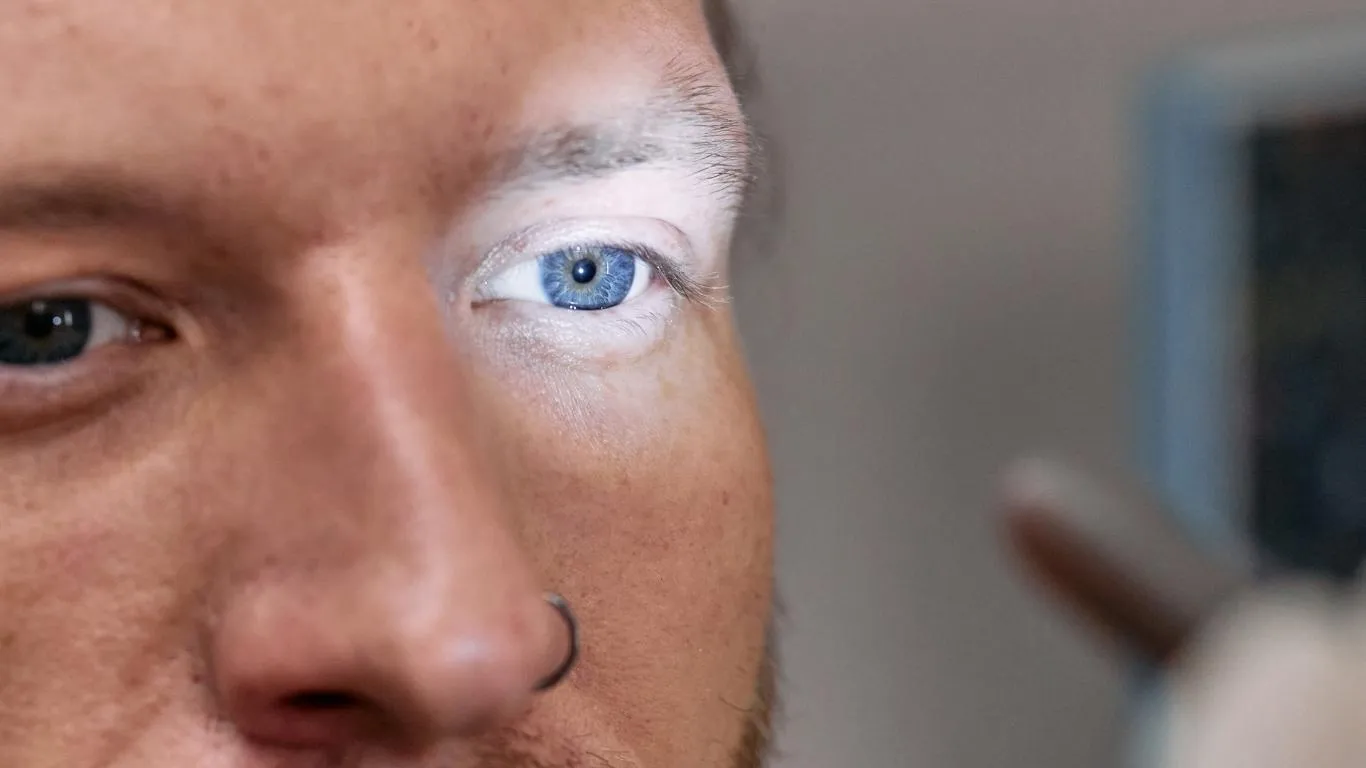
One thing I didn’t expect in this whole journey: discovering how hormonal changes and chronic stress could trigger floaters too. When you’re stressed, cortisol rises—and that affects digestion, nutrient delivery, and inflammation. I noticed more floaters during high-stress weeks. Same with hormone swings around mid-cycle.
If you’re seeing patterns like floaters after emotional stress, poor sleep, or certain days of the month, you’re not imagining it. Your body’s biochemistry impacts your vision—especially when your nutrient supply is already shaky.
What Tests Are Worth Running If Floaters Persist?
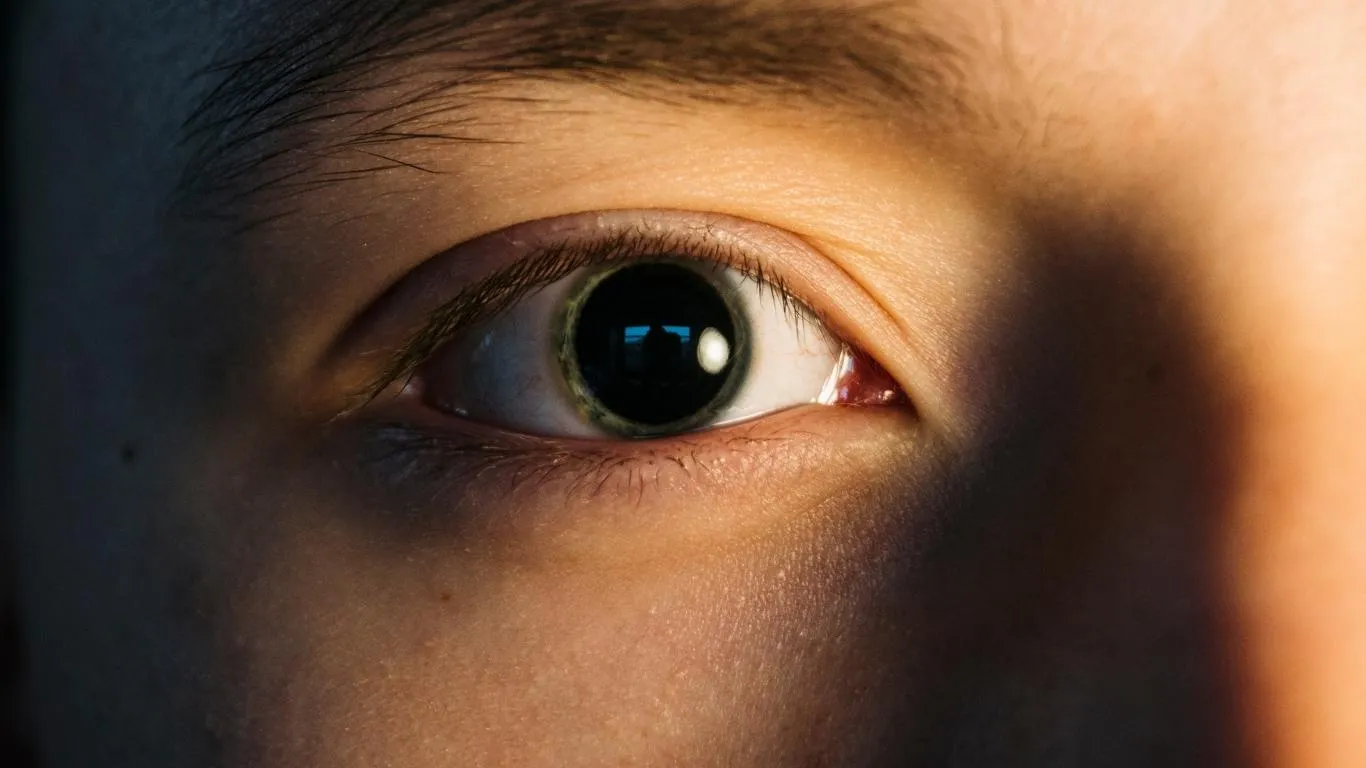
If floaters won’t let up, and you’ve addressed the basics—diet, supplements, lifestyle—it’s probably time to dig deeper. Some helpful labs I used and recommend:
- Micronutrient panel (SpectraCell or similar)
- GI-MAP or similar stool test to check for absorption and gut dysbiosis
- Vitamin D, B12, and iron labs
- Thyroid panel—especially if you have fatigue or mood swings
I discovered a borderline B12 deficiency despite eating plenty of animal products. Turns out, my gut just wasn’t converting and absorbing efficiently.
Why the Vitreous Gel Is So Sensitive to Internal Changes
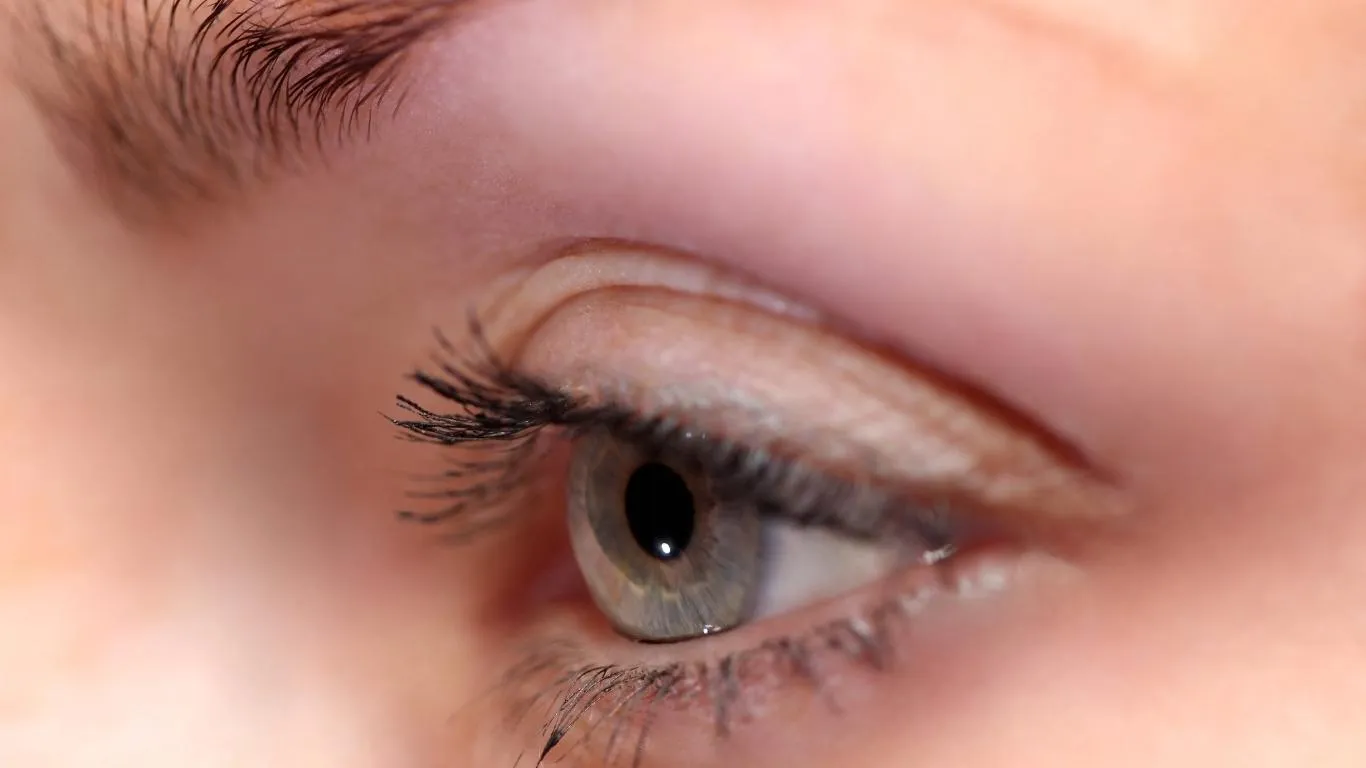
The vitreous—the gel-like substance in your eye—might look stable, but it’s anything but. It’s 99% water, but held together by collagen and hyaluronic acid. When inflammation hits or collagen breaks down (which can happen with nutrient deficiencies), that gel destabilizes. The result? Clumps and debris—aka floaters.
Many people confuse this with retinal issues, but it’s often just the vitreous responding to oxidative stress, dehydration, or aging connective tissue.
But remember: just because it’s common doesn’t mean it’s normal. Floaters can be early signs of internal imbalances, and nutrition is one of the biggest, most fixable factors in the mix.
One Last (Important) Thing: Consistency Wins

There’s no magic bullet here. You can’t drink one green juice and expect your floaters to vanish. It took me about two months of consistent changes—both with diet and supplements—before I noticed fewer floaters. It was subtle at first, but then undeniable.
Now? I still get the occasional one, especially if I slack on hydration or go through a stressful week. But they’re nowhere near as annoying or frequent. Most days, I don’t even notice them.
Curious whether your floaters are part of a bigger health puzzle? Explore more at the treatment options page and understand what to expect. It’s not just about your eyes—it might be your whole system asking for a reset.

Camellia Wulansari is a dedicated Medical Assistant at a local clinic and a passionate health writer at Healthusias.com. With years of hands-on experience in patient care and a deep interest in preventive medicine, she bridges the gap between clinical knowledge and accessible health information. Camellia specializes in writing about digestive health, chronic conditions like GERD and hypertension, respiratory issues, and autoimmune diseases, aiming to empower readers with practical, easy-to-understand insights. When she’s not assisting patients or writing, you’ll find her enjoying quiet mornings with coffee and a medical journal in hand—or jamming to her favorite metal band, Lamb of God.