Why Floaters Appear After Eye Strain Recovery and How to Ease Them
After a long week buried in spreadsheets and screen time, I noticed something odd—tiny squiggles drifting across my vision whenever I’d glance from one side of the room to the other. If you’ve ever taken a break from a stressful workload, then suddenly noticed visual floaters pop up during that “recovery” period, you’re not alone. Turns out, floaters appearing during eye strain recovery is a surprisingly common experience, and I’ve personally dealt with it more times than I care to admit. But what’s really going on?
Why Floaters Show Up When the Strain Stops
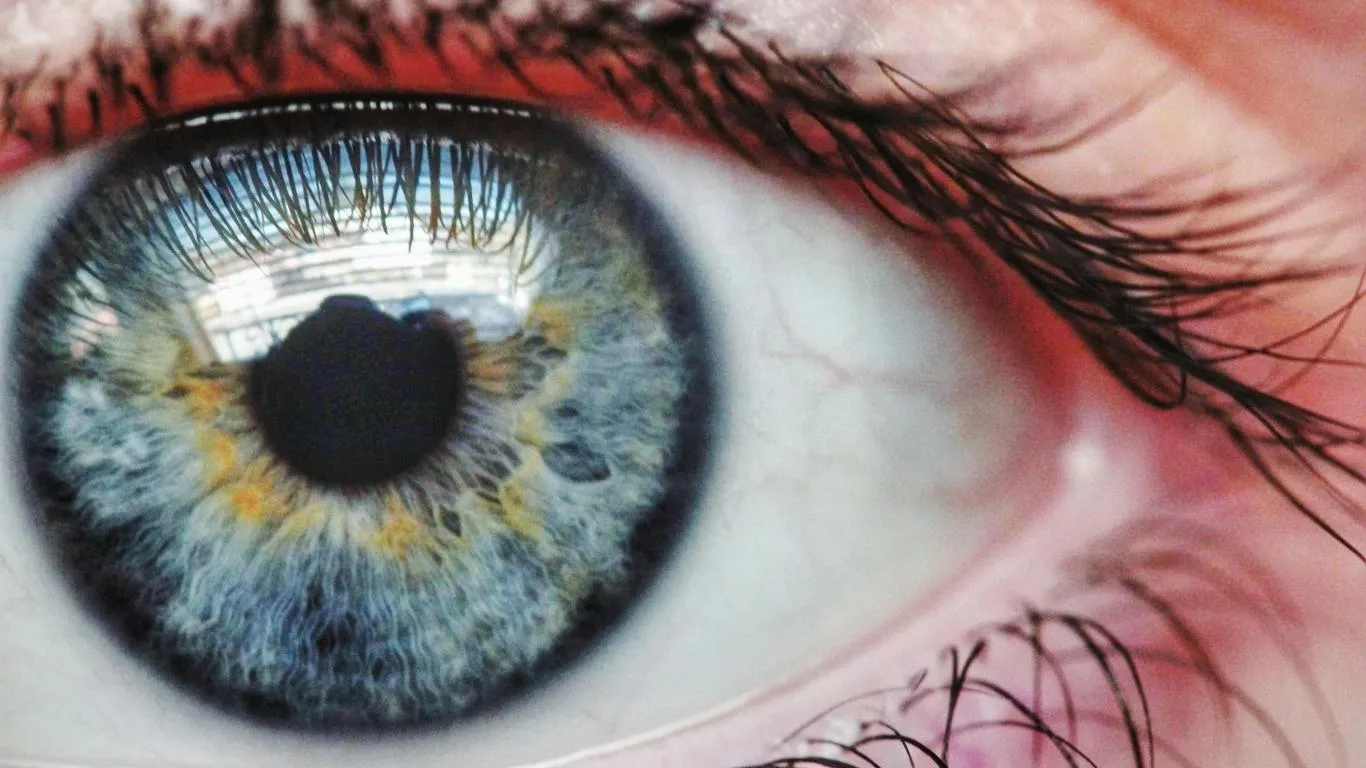
So here’s the strange part—floaters don’t always appear *during* intense eye strain. Sometimes, they sneak up on you once you finally relax. Like you’re just trying to rest, and *bam*, there they are. There’s a physiological explanation behind this, and it’s tied to your eye’s internal structure, particularly the vitreous humor.
When we experience prolonged screen time or high-focus tasks, the eyes go into a tense, fixed mode. Blood flow, blinking rates, and even eye hydration change. Then, when that strain eases, the muscles relax, circulation adjusts, and the vitreous—the gel-like substance in your eye—shifts a bit. That’s when floaters become more noticeable.
What Exactly Are These Floaters?
Floaters are tiny clumps or strands inside the vitreous that cast shadows on your retina. They’re harmless in most cases but feel extremely annoying—like ghost gnats you can’t swat away. During eye strain recovery, your visual sensitivity often increases, so things like floaters suddenly feel more pronounced.
Here’s something fascinating: floaters can also feel worse when you’re tired or right after intense concentration. That’s when you’re more likely to notice subtle visual changes, including light sensitivity and contrast issues.
Common Triggers That Make Floaters More Noticeable

After chatting with my optometrist (and doing way too much late-night research), I found several factors that contribute to this post-strain floater visibility:
- Reduced ambient lighting: Working in dim conditions causes your pupils to dilate, enhancing shadow contrast from floaters.
- Blue light exposure: Long exposure to high-energy visible light affects retinal stress, amplifying perception of floaters.
- Sudden visual focus change: Moving from close-up to distance viewing quickly shifts the vitreous, making floaters pop up.
- Dehydration: Yep, it impacts the eyes too. Lack of hydration makes floaters worse for many people.
When I started hydrating better and adjusting lighting, things improved noticeably. But that didn’t make the floaters go away entirely, especially right after eye strain recovery.
The Link Between Stress, Eye Strain, and Floaters
Eye strain isn’t just about the eyes. It’s deeply connected to your nervous system. When you’re under stress, cortisol levels go up, blood pressure rises, and that combination impacts the sensitive tissues around and inside your eyes. Once you step back from the stress, the body begins recalibrating, and this is when many people report an increase in floater awareness.
There’s growing curiosity around whether stress itself causes floaters or just amplifies them. While stress doesn’t form floaters, it certainly makes your brain more prone to noticing them. This is a good time to check if you’re also dealing with other eye stress signs like dryness, sensitivity to light, or even eye twitching.
When Should You Be Concerned?
Floaters after eye strain are usually normal. However, if you notice sudden flashes of light, a dark curtain in your vision, or a sharp increase in floaters, get checked immediately. These can signal serious issues like retinal detachment.
The article on when floaters become dangerous is a solid read for understanding warning signs. You’ll want to keep that one bookmarked.
Is There a Way to Prevent Floaters from Getting Worse?
This is where I got a little obsessive. I tried practically everything: eye drops, supplements, lighting adjustments—you name it. What actually helped was a combo of common sense and minor lifestyle tweaks:
- Take regular screen breaks: The 20-20-20 rule works. Every 20 minutes, look 20 feet away for 20 seconds.
- Hydration: Floaters feel worse when I slack on water, especially after heavy coffee days.
- Posture and ergonomics: Adjusting screen height and lighting took pressure off my neck and eyes, weirdly enough.
- Diet: I leaned into antioxidant-rich foods—carrots, spinach, and even blueberries. Whether it’s placebo or not, my floaters felt less intrusive.
There’s also a deeper dive into reducing floaters after eye irritation or strain that helped me focus on small, manageable changes.
Do Floaters Ever Go Away Completely?
From what I’ve gathered—and lived through—they might fade, but usually they don’t vanish entirely. What changes is how much they bother you. The brain adapts, sort of like how you can tune out background noise. And in cases where floaters are linked to vitreous detachment or trauma, recovery may involve longer healing time, or in some cases, medical treatment.
If you’re in the middle of recovery from eye strain and dealing with new floaters, there’s a helpful overview of treatment approaches in this pillar article on eye floater treatments. It covers everything from simple monitoring to surgical options like vitrectomy.
And if you’re just starting to learn about floaters, this main guide on eye floaters gives you the full breakdown—without the fluff.
Once you’ve dealt with floaters appearing during eye strain recovery, the next obvious question is: how do you manage them long term? I used to think I just had to live with it—until I realized there are small but powerful tweaks that make a real difference. Part 2 of this journey focuses on building eye resilience, understanding deeper causes, and exploring realistic treatment options.
Building Daily Habits to Minimize Floaters
If you’re like me and your work revolves around screens, you’ve probably experienced the pattern: tension, release, then those annoying floaters drifting in the aftermath. What helped me the most wasn’t some miracle cure—it was consistency in tiny things.
- Morning light therapy: Getting 10–15 minutes of natural sunlight in the morning improved not only my focus but how my eyes adjusted to brightness later in the day. It reduced my floater visibility noticeably.
- Zero screen time before bed: I noticed a huge difference when I cut screen use one hour before sleep. My floaters felt calmer the next morning.
- Intentional blinking: Sounds weird, but during work I often forgot to blink. Now I consciously blink more often, especially during high-focus sessions.
There’s a science-backed look at how screen time worsens floaters—and trust me, it’s a game-changer if you spend most of your day on digital devices.
Supplements and Nutrition for Vitreous Health
Before you stock up on expensive “vision booster” capsules, know this: not all supplements are created equal, and some don’t do much at all. I learned to focus on ingredients backed by actual research, and some of these made a noticeable impact for me over several months:
- Lutein and Zeaxanthin: Known to support retina and macular health.
- Vitamin C: Strengthens collagen in the eye—important since floaters are often due to collagen breakdown in the vitreous.
- Magnesium: Especially for those who also experience eye twitching or spasms, magnesium helped me with both.
- Omega-3s: From flax or fish oil. Helped with eye moisture and general visual clarity.
If you’re curious, there’s an in-depth article on the best supplements for floaters, which helped me avoid wasting money on gimmicks.
What About Natural Remedies?
Yeah, I was skeptical too. I tried warm compresses, eye exercises, even herbal teas. While no natural remedy erased floaters, some did help my eyes feel more refreshed and less sensitive to light—which made floaters *less* noticeable.
Check out this look at natural floater remedies to separate what works from the myths.
When Floaters Point to a Bigger Issue
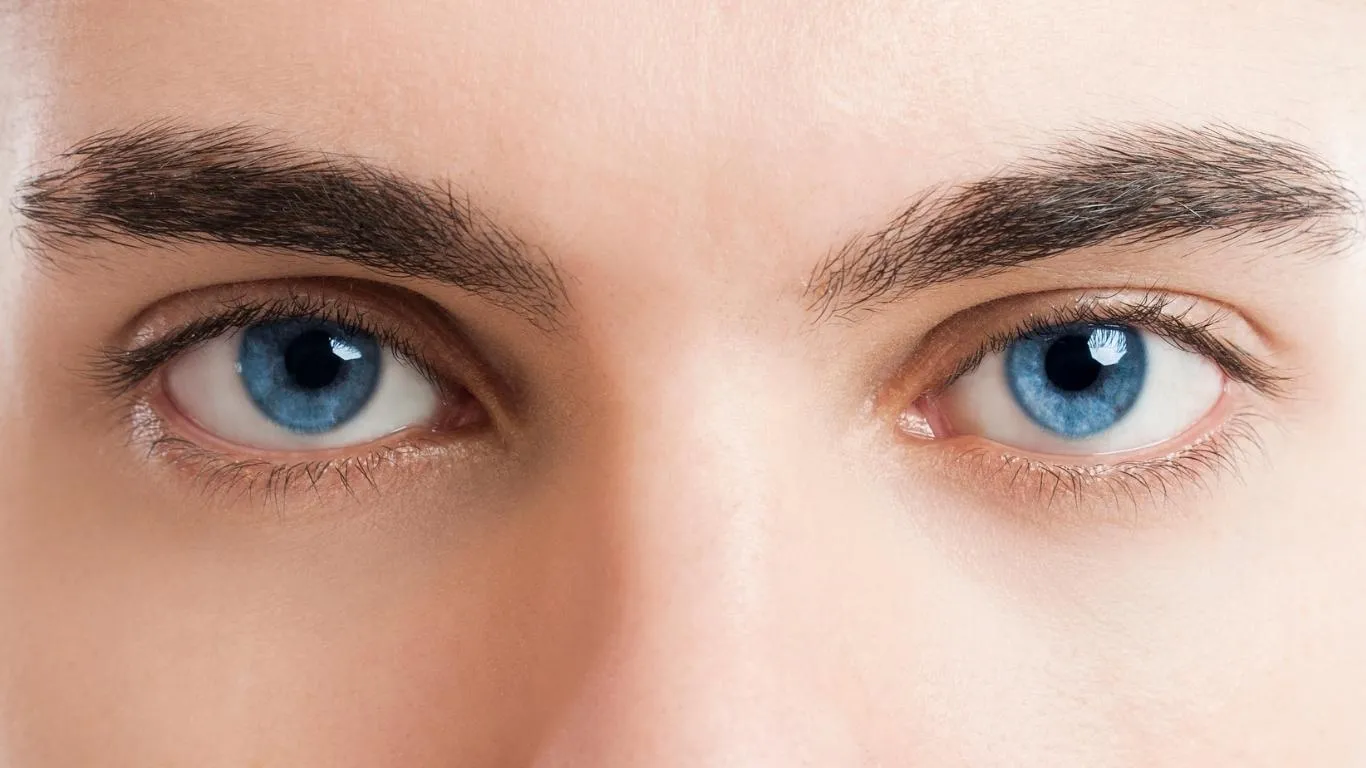
Let’s be honest—most of the time, floaters are harmless. But I made the mistake of ignoring a sudden burst of them once, and it turned out to be early signs of posterior vitreous detachment. No joke. I got lucky because I caught it just in time thanks to a quick exam.
Here’s when to worry:
- Sudden new floaters appearing in clusters
- Floaters paired with bright flashes or a curtain effect
- Loss of side vision
If any of those sound familiar, drop everything and see an eye doctor. There’s a great breakdown of these red flags in this article about floaters before a retinal tear.
Treatment Options (When Lifestyle Isn’t Enough)
I used to think surgery for floaters was overkill. But for people whose daily life is affected, especially after eye strain recovery episodes, there are a few legit options:
- Vitrectomy: An invasive surgery where the vitreous is replaced. Risky, but effective. Only for severe cases.
- Laser vitreolysis: A laser breaks up large floaters into smaller pieces. Safer, but doesn’t work for everyone.
Learn more in the detailed guide on eye floater treatment options—especially if you’re starting to consider this route seriously.
What Worked for Me (A Personal Mix)
My “fix” was never one thing. It was a cocktail of better habits, honest rest, more hydration, and saying no to doom-scrolling at 1AM. I still see floaters, but they’re less aggressive. And when they show up after recovering from strain, I don’t panic—I know what to expect, and I’ve got a few tools in my pocket.
There’s also an incredibly insightful comparison on eye floaters vs. other eye issues that helped me understand what’s normal and what’s not.
Simple Tools That Make a Huge Difference
Just a few tools I swear by:
- Blue light filter glasses – Game changer during long editing sessions
- Screen brightness calibration – Set to 40–60% with warmer tones in the evening
- Eye mist sprays – Keeps moisture in check when my eyes start to dry mid-shift
- Mindful breathing apps – For stress relief that indirectly helps with eye tension
If you’ve never tried adjusting your digital space, there’s a breakdown on how computer glasses help with floaters.
And if you’re still trying to understand all the layers behind this vision mystery, start with the main eye floater guide or explore how common causes like aging and injury can influence recovery floaters too.

Camellia Wulansari is a dedicated Medical Assistant at a local clinic and a passionate health writer at Healthusias.com. With years of hands-on experience in patient care and a deep interest in preventive medicine, she bridges the gap between clinical knowledge and accessible health information. Camellia specializes in writing about digestive health, chronic conditions like GERD and hypertension, respiratory issues, and autoimmune diseases, aiming to empower readers with practical, easy-to-understand insights. When she’s not assisting patients or writing, you’ll find her enjoying quiet mornings with coffee and a medical journal in hand—or jamming to her favorite metal band, Lamb of God.