Why Floaters During Long Train Rides Feel Worse And How To Ease Them
Have you ever found yourself staring out of a train window, watching the scenery fly by, only to notice those strange little specks or cobweb-like strands drifting across your vision? I’ve been there. Long train rides are supposed to be relaxing, but if you’re like me, those “floaters” can turn a peaceful journey into a constant battle of trying not to get distracted by tiny shadows that seem to follow your gaze. Let’s talk about why floaters during long train rides are more common than you think, and more importantly, what’s really going on inside your eyes.
Why Do Floaters Seem Worse on Long Train Journeys?
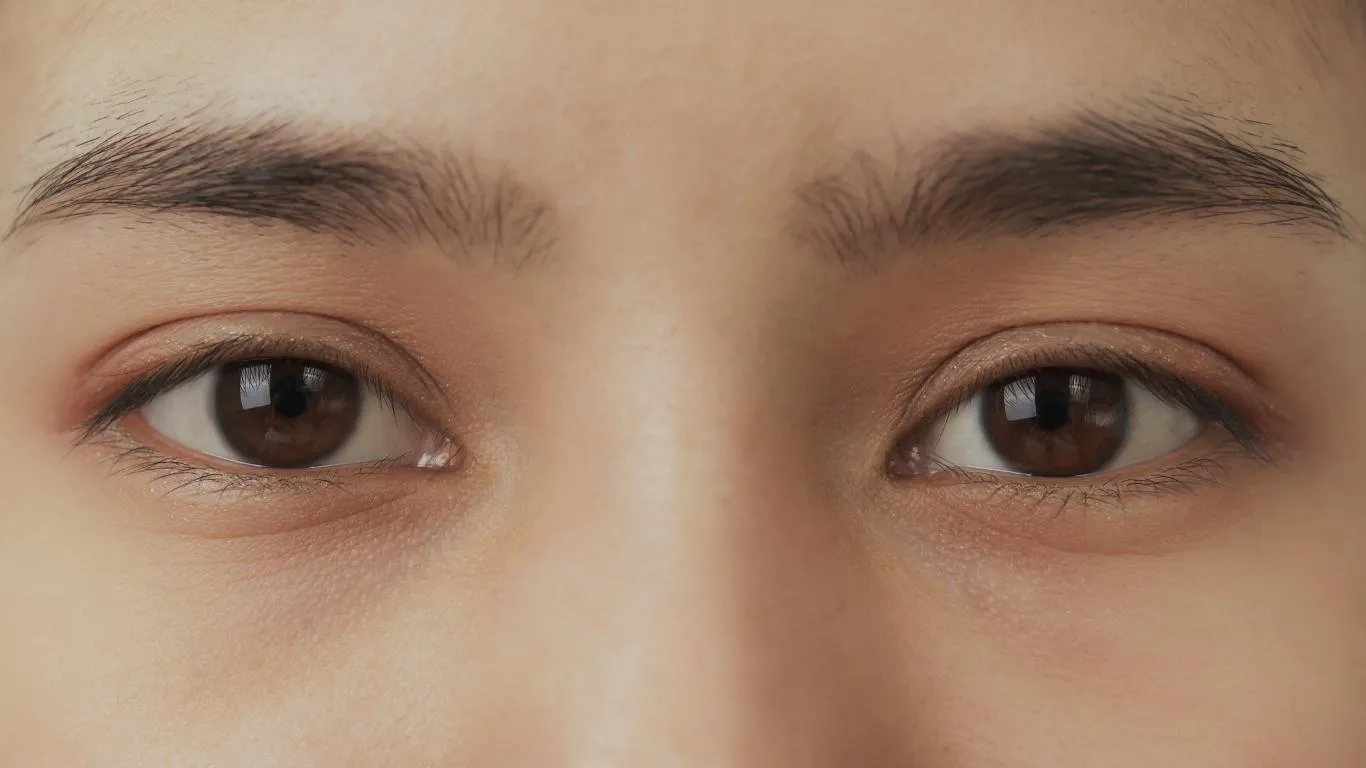
Floaters are those little squiggly lines or spots you see drifting through your field of vision, especially when looking at bright, uniform backgrounds like the sky or a blank wall. But why do they feel more annoying when you’re on a long train ride?
- Lighting Conditions: Train windows often flood your eyes with natural light, making floaters stand out more dramatically against the bright backdrop.
- Prolonged Eye Movement: Watching moving landscapes for extended periods forces your eyes to track motion constantly, making you more aware of floaters.
- Visual Fatigue: Long hours of focusing on distant scenery or reading during the ride strains your eye muscles, which can exaggerate the perception of floaters.
According to eye floaters when moving eyes side to side, the constant eye movement on trains can make these vitreous floaters seem like they’re “dancing” more than usual.
My Experience with Floaters on Train Trips
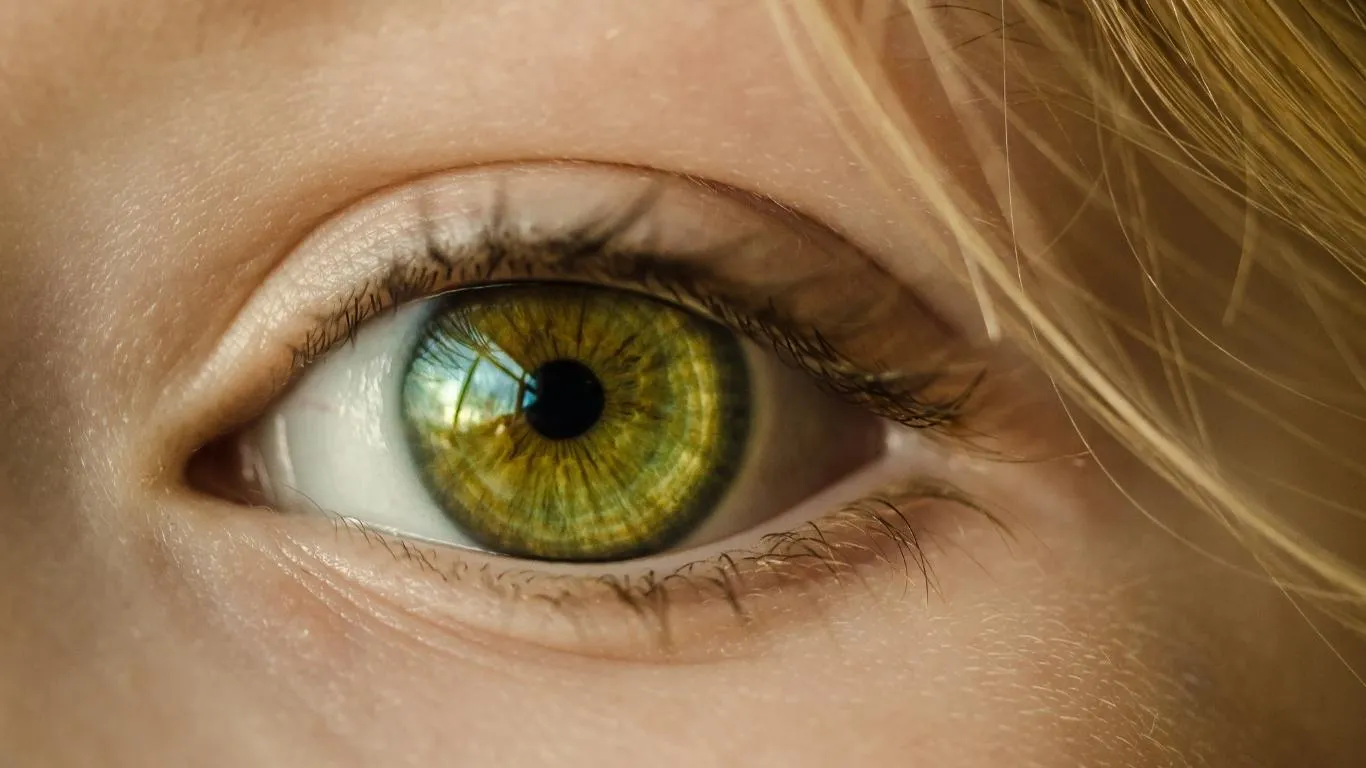
I’ll never forget a 6-hour journey I took last year. Somewhere between the second and third hour, I started noticing these transparent, squiggly shapes gliding across my vision. At first, I thought it was dust on the window or my glasses, but nope—classic eye floaters. Every time I looked up from my book or glanced out the window, there they were, floating along for the ride.
One thing I noticed is that the combination of sun glare, fatigue, and limited eye movement while sitting for long hours made the floaters more noticeable. I later found out this is super common among people who spend extended time in bright, enclosed spaces—like trains or airplanes. In fact, floaters can worsen during eye allergy flare-ups, which I was unknowingly dealing with that day.
What’s Actually Happening Inside Your Eyes?
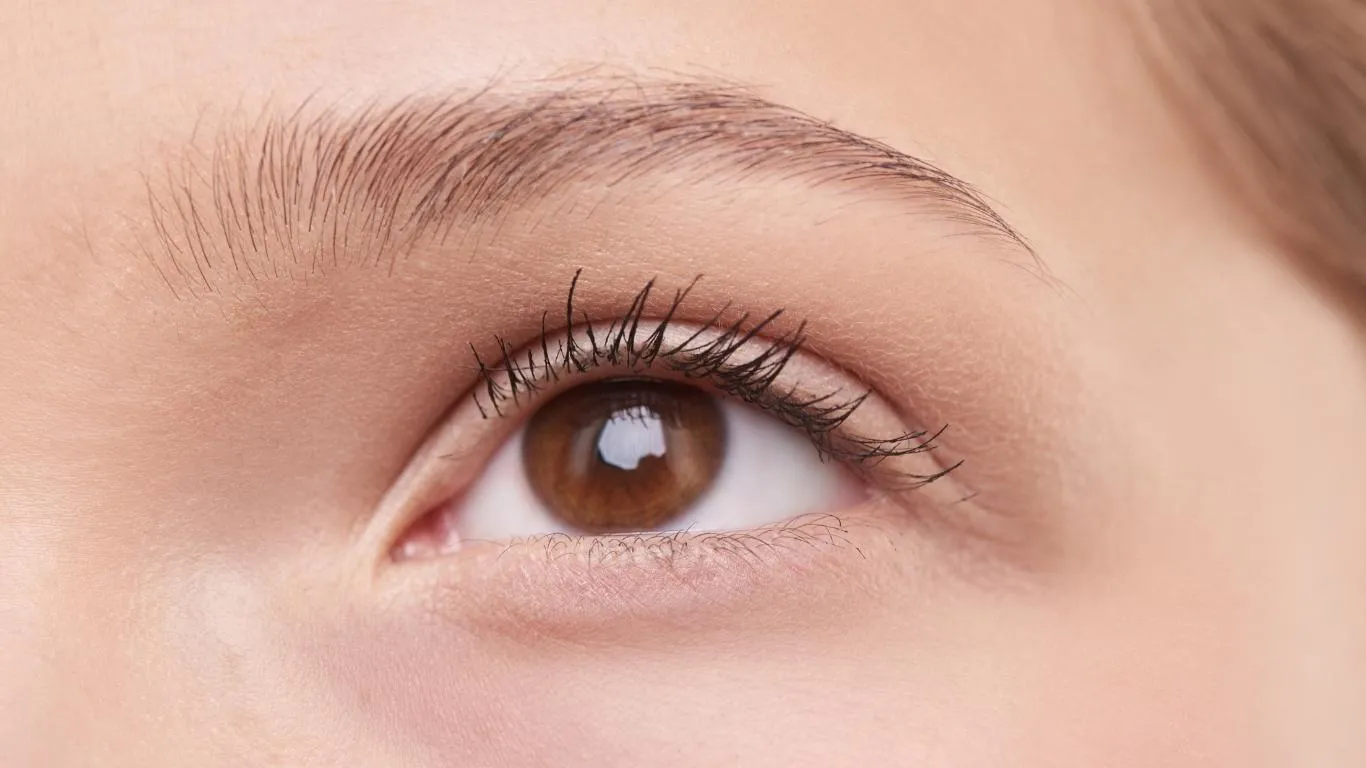
Eye floaters are tiny clumps of collagen that form inside the vitreous humor—the clear gel that fills the space between your lens and retina. As we age, or when the vitreous starts to lose its gel-like structure (a process called vitreous syneresis), these floaters become more noticeable.
The motion of the train adds to this visibility. Vibrations, slight head movements, and frequent glances at bright outdoor landscapes increase how much these floaters “float” across your vision.
Factors That Make Floaters Worse During Travel
- Dehydration: Long journeys often mean less water intake, which doesn’t directly cause floaters but can make your eyes feel dry and irritated, making floaters more noticeable.
- Fatigue: Eye muscles get tired just like any other part of your body. Fatigued eyes are more sensitive to visual disturbances.
- Lighting Glare: Bright sunlight hitting you through large windows amplifies floaters because of increased light scattering within the eye.
For a deeper dive into how dehydration can impact floaters, check out how dehydration makes floaters worse.
Are Floaters During Train Rides a Cause for Concern?
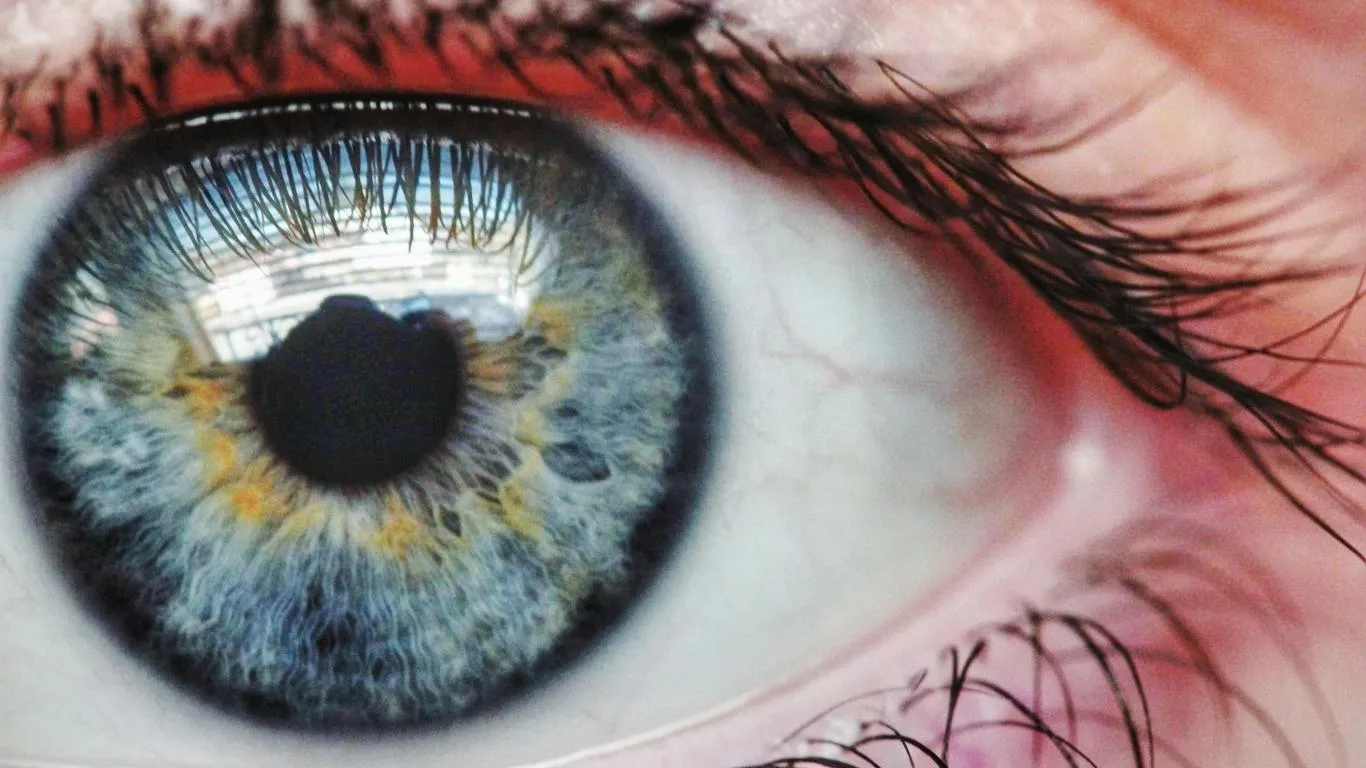
Most of the time, floaters are harmless. They’re just a normal part of aging eyes. However, if you suddenly notice a shower of new floaters, flashes of light, or experience partial vision loss (like a curtain being drawn across your vision), this could signal a retinal tear or detachment. Immediate medical attention would be necessary in such cases.
The train ride scenario often just makes you more aware of existing floaters because of how visually engaged you are with your surroundings. You’re not necessarily developing new floaters just because you’re traveling.
It’s worth reading more about when floaters are a warning sign, especially if you notice rapid changes.
Simple Tips I Use to Make Floaters Less Annoying on Long Rides
- Shift Your Focus: Instead of staring at bright areas like the sky, I focus on darker objects inside the train to minimize floater visibility.
- Stay Hydrated: I always bring a water bottle. Hydration helps with overall eye comfort during long trips.
- Eye Movement Exercises: I gently move my eyes side to side or in circular motions. This can “relocate” the floaters out of my central vision temporarily.
- Take Visual Breaks: Every hour, I close my eyes for a few minutes to give them a break from constant movement tracking.
For more methods, I’ve found treatment options for floaters incredibly helpful in managing expectations and practical solutions.
Should You See a Doctor About Train Ride Floaters?
If floaters during long train rides are consistent but haven’t changed in size, shape, or frequency, they’re probably benign. However, if you experience sudden changes or floaters accompanied by flashes or blurred vision, book an appointment with an ophthalmologist immediately.
To understand more about how floaters are diagnosed and treated, I highly recommend reading this in-depth guide on what eye floaters are and how they’re treated.
Natural Ways to Manage Floaters During Long Train Rides
While there’s no magical cure to make floaters vanish instantly, I’ve picked up a few natural strategies that help minimize how much they bother me during long rides. These aren’t gimmicks—just simple lifestyle adjustments that actually work.
- Controlled Breathing: Focusing on steady, deep breaths reduces eye strain and overall tension, which can make floaters less noticeable.
- Adjusting Seat Position: I always pick a seat where I can angle my body away from direct sunlight. It’s a small change that significantly reduces the glare amplifying floaters.
- Eye Yoga: Gentle eye rolls and shifting focus between near and far objects are part of my go-to routine during downtime. This keeps my eye muscles engaged and reduces fatigue-induced floaters.
If you’re curious whether these methods are truly effective, I suggest reading up on natural ways to manage eye floaters and separating fact from fiction.
Can Digital Devices on Trains Make Floaters Worse?
Ever noticed how floaters suddenly become more prominent after scrolling through your phone for a while on a train? It’s not your imagination. Digital screens, especially in dim or contrasting light environments, can make floaters pop out even more.
Blue light emission from screens, coupled with the constant shift in your focus distance (screen to window and back), tires out your eyes faster. I’ve experienced this firsthand when binge-watching shows during a long journey. My floaters felt like they multiplied, though in reality, it was just eye strain making me hyper-aware of them.
You can dive deeper into this by checking how screen time worsens floaters.
What Helps?
- Blue Light Filters: I never travel without my blue light glasses anymore. They’re not a cure, but they drastically reduce visual discomfort.
- Frequent Device Breaks: Every 20 minutes, I look out the window at something far away. This simple practice keeps my eye muscles active and balanced.
- Screen Brightness Adjustments: Lowering brightness or using ‘Night Mode’ reduces the intensity of light entering your eyes, which tones down floater visibility.
Is There Any Long-Term Solution for Persistent Floaters?
Let’s be real: if you’re dealing with floaters that interfere with daily life—not just on train rides—there are medical treatments available. While most floaters don’t need intervention, options like laser vitreolysis and vitrectomy are considered for severe cases.
I’ve personally opted for non-invasive approaches, but I know friends who’ve had laser treatments with moderate success. The important part is consulting with an eye specialist who understands your case specifically, not jumping into procedures based on online promises.
For a detailed breakdown of treatment paths, I’d recommend reading this guide on eye floater treatments.
When Should You Get Your Floaters Checked?
Here’s a quick checklist I use for myself when deciding whether a trip to the ophthalmologist is due:
- Sudden Increase in Floaters: If you notice a rapid onset of new floaters, especially during or after travel.
- Flashes of Light: Like camera flashes in the corner of your eyes—this can be serious.
- Loss of Peripheral Vision: A dark curtain-like shadow creeping across your sightline needs immediate attention.
These could be signs of retinal detachment or tears, conditions that are medical emergencies. Learn more about the warning signs in this article on when floaters become dangerous.
How I’ve Learned to Cope with Floaters During Travel
I used to dread long train journeys because of how floaters would hijack my visual focus. But over time, I’ve found that a mix of mindfulness, small behavioral tweaks, and knowing when to ignore them has made all the difference. Staying hydrated, adjusting my gaze, and using tinted glasses have turned what was once an annoying visual distraction into a manageable quirk of my eyesight.
If floaters are becoming a regular nuisance in your life, especially during travel, it’s important to understand not only how to cope with them but also the underlying causes and solutions. For an in-depth look into what eye floaters really are and why they occur, this comprehensive guide on understanding eye floaters is a must-read.

Camellia Wulansari is a dedicated Medical Assistant at a local clinic and a passionate health writer at Healthusias.com. With years of hands-on experience in patient care and a deep interest in preventive medicine, she bridges the gap between clinical knowledge and accessible health information. Camellia specializes in writing about digestive health, chronic conditions like GERD and hypertension, respiratory issues, and autoimmune diseases, aiming to empower readers with practical, easy-to-understand insights. When she’s not assisting patients or writing, you’ll find her enjoying quiet mornings with coffee and a medical journal in hand—or jamming to her favorite metal band, Lamb of God.