
Why Floaters During or After Sinus Pressure May Worsen Vision
Ever had one of those days where your head feels like it’s in a vice, your sinuses are screaming, and then — boom — you start noticing weird little squiggly shadows floating across your vision? I’ve been there. At first, I thought it was just my eyes being tired or dry. But when the floaters didn’t disappear and coincided with some major sinus pressure, I knew there had to be more to it. Turns out, there’s a curious link between sinus issues and the sudden appearance or worsening of eye floaters — and no, it’s not all in your head (pun absolutely intended).
Can Sinus Pressure Really Cause Eye Floaters?
On the surface, the sinuses and eyes don’t seem like they should interact much. But if you’ve ever experienced intense sinus congestion, you probably know that the pressure can radiate all over your face — including behind the eyes. This pressure can lead to visual disturbances, and for some people, that means floaters.
Eye floaters are those tiny shapes or specks that drift through your vision. They’re usually harmless and caused by clumps of collagen or cellular debris floating in the vitreous — the jelly-like substance inside your eyeball. But when they appear suddenly or become more noticeable during a sinus episode, it raises questions.
In my case, every time the weather flipped and my sinuses flared up, I started seeing those pesky floaters. For the longest time, I didn’t make the connection — until I dug a little deeper.
Understanding the Anatomy Behind the Connection
The sinuses sit in close proximity to the optic nerve and the delicate structures behind the eyes. When inflammation or pressure builds up, it can disrupt nearby systems. Here’s where things get interesting: sinus infections, especially in the ethmoid and sphenoid sinuses, lie very close to the optic canal. This anatomical closeness means that pressure or inflammation in the sinuses can lead to:
- Compression of the optic nerve
- Increased intraocular pressure
- Visual disturbances, including floaters or blurring
There’s also a theory that the buildup of sinus pressure might cause slight shifts in the shape of the eyeball or the vitreous body, making pre-existing floaters more noticeable. Think of it like shaking a snow globe — the floaters were already there, but now they’re kicked into motion.
When to Worry About Floaters After Sinus Pressure
If you’ve had chronic sinus issues, you might shrug off the floaters as just another annoyance. But it’s worth paying attention to a few warning signs. Not all floaters are benign. Sometimes, they’re red flags.
- Floaters that come on suddenly and in large numbers
- Floaters accompanied by flashes of light
- A shadow or curtain effect in your peripheral vision
- Severe eye pain or vision loss
If you experience any of these, it’s not something to wait out. These symptoms could indicate a retinal tear or detachment, especially if the sinus pressure caused strain or trauma in the area. As explained in this warning sign article, floaters can sometimes signal something far more serious brewing behind the scenes.
My Experience: Sinusitis and Floaters
After my third sinus infection in a year, the floaters became noticeably more annoying. I started seeing one that looked like a transparent cobweb right in the center of my vision. It would drift lazily whenever I moved my eyes — especially during allergy season. At first, I dismissed it as coincidence, but a friendly optometrist confirmed that sinus inflammation can trigger changes in vitreous perception.
The real kicker? Once I treated the underlying sinus issues more aggressively — using saline irrigation, antihistamines, and addressing my mold allergies — the floaters settled down a bit. They didn’t vanish, but they weren’t front and center anymore.
Does Pressure Equal Damage?
Short answer: not always. However, chronic pressure or inflammation can, over time, contribute to degenerative changes in the eye. If you already have some degree of vitreous detachment — which happens naturally with age — that pressure can accelerate symptoms. According to the Healthusias guide on PVD, this process is the most common underlying cause of floaters, especially after 40.
Tips to Manage Floaters Triggered by Sinus Pressure
Here are a few things that worked for me and others dealing with the double whammy of sinus flare-ups and floaters:
- Stay hydrated: Dehydration can thicken the vitreous, making floaters worse. Dehydration and floaters go hand-in-hand more than most realize.
- Use warm compresses: Great for relieving sinus pressure and reducing inflammation near the eyes.
- Gentle sinus rinsing: A neti pot or saline spray can help clear congestion and reduce pressure.
- Limit screen time: Floaters are more noticeable against bright backgrounds, and long hours at a screen only amplify the problem. This article dives deeper into that digital connection.
Want a more holistic look at the problem? The comparison between floaters and other eye issues is incredibly helpful when you’re trying to rule out what’s going on.
And for a full, expert-backed rundown on all things floaters — causes, treatments, risks, and when to get help — don’t miss this pillar article on eye floaters that Healthusias published. It ties everything together beautifully.
Why Floaters Get Worse After Sinus Pressure Subsides
This one caught me off guard. After a nasty sinus infection cleared up, I expected everything to settle down — but the floaters didn’t. In fact, they became more obvious. Turns out, there’s a strange reason behind it. When sinus pressure is high, the tightness around your eyes can slightly restrict eye movement. Once that pressure drops, your eyes move more freely, and the vitreous jelly inside shifts more too — making floaters suddenly dance around your vision like they’re celebrating their freedom.
Also, post-inflammation fluid shifts around the sinuses and eyes might alter light flow temporarily, which can highlight existing floaters you didn’t even realize were there. Combine that with the fact that you’re hyper-aware of your eyes during any health issue, and it’s no wonder they seem worse when you’re finally feeling better.
And Then There’s the Light Sensitivity Factor
After my sinus symptoms ease, I often notice an annoying sensitivity to light. Bright environments — especially outdoors or against white walls — make floaters stand out like never before. I found out this isn’t uncommon. As covered in this outdoor vision floaters guide, some floaters only show up in certain lighting because of the angle they cast shadows on the retina. That’s why people often say, “I only notice them when I look at the sky.”
When Sinus Pressure Isn’t the Only Culprit
Now, I’m no stranger to sinus problems, but one thing I’ve learned the hard way: floaters can be sneaky indicators of more than just sinus tension. Especially if they show up after your pressure has gone down and you’re still noticing new ones. That’s when it’s worth looking deeper.
Some potential causes to consider — especially if floaters are worsening over time — include:
- Posterior Vitreous Detachment (PVD): Common with age, but sinus pressure may trigger symptoms sooner. Full guide here.
- Dehydration or medication side effects: Some sinus meds dry out more than just your nose. Here’s a look at how eye drops may worsen floaters.
- Stress or eye strain: Especially during sinus infections when sleep is poor and screen time goes up. Read more about stress-related floaters.
What Your Doctor Might Not Tell You
It took me three separate visits before an ENT casually mentioned, “Oh yeah, some people do complain about visual floaters after sinus pressure.” That was it. No follow-up, no guidance. So I started asking around, and sure enough, other folks dealing with chronic sinusitis or nasal polyps shared the same story.
If you’re in this boat — sinus issues on repeat, followed by bursts of eye floaters — don’t let anyone gaslight you into thinking it’s all coincidence. The anatomy alone suggests a strong link, especially in cases involving pressure changes, inflammation, or even mild trauma to the head from coughing or sneezing fits.
Some ophthalmologists now believe there’s a stronger connection between facial inflammation and vitreous changes than previously thought. While floaters aren’t usually treated directly, understanding their triggers is half the battle.
Ways to Cope When Floaters Linger Post-Sinus Trouble
I won’t lie — it’s frustrating. Even when my sinuses are back to normal, I still have days where the floaters get in the way of reading or working. Here’s what’s helped me manage the lingering ones:
- Follow-up with an eye specialist: Especially if floaters feel new or unusual. Sudden onset after sinus trouble might mean something more like vitreous hemorrhage. Here’s a useful breakdown.
- Track the floaters: Journal when they worsen. Patterns often emerge — like after sneezing attacks or allergy flare-ups. Try tracking changes guide for that.
- Reduce triggers: For me, caffeine and long nights make floaters worse. For others, it’s screen glare or poor sleep. This article really nails it.
What About Floaters After Flying or Altitude Changes?
Funny story — the first time I noticed a massive increase in floaters was after a cross-country flight while recovering from sinusitis. Turns out, altitude changes can mess with sinus pressure and eye fluids, creating the perfect storm. This altitude-related article helped me make sense of it.
It’s also why many people report more floaters during allergy season, plane travel, or even scuba diving — any event that messes with pressure balance can affect your vitreous.
Should You Get Treated for Floaters Caused by Sinus Pressure?
Here’s the tough truth: if your floaters aren’t affecting your vision too much, doctors will likely tell you to live with them. Most floaters aren’t harmful, even if they’re annoying. But if they’re persistent, increasing, or visually disabling, you do have options.
Some people opt for vitrectomy, a surgical removal of the vitreous gel, but that’s usually reserved for extreme cases due to risks. Others explore YAG laser vitreolysis, though results can vary. My advice? Start conservatively. Fix the sinuses first, then revisit your floaters. As noted in the Healthusias treatment guide, not all floaters require action — but some do.
And if you’re still unsure what’s causing them? It’s worth comparing your symptoms to the full breakdown in the main pillar article on floaters. It’s the one I keep bookmarked.
Floaters and Sinus Pressure: A Connection Worth Noticing
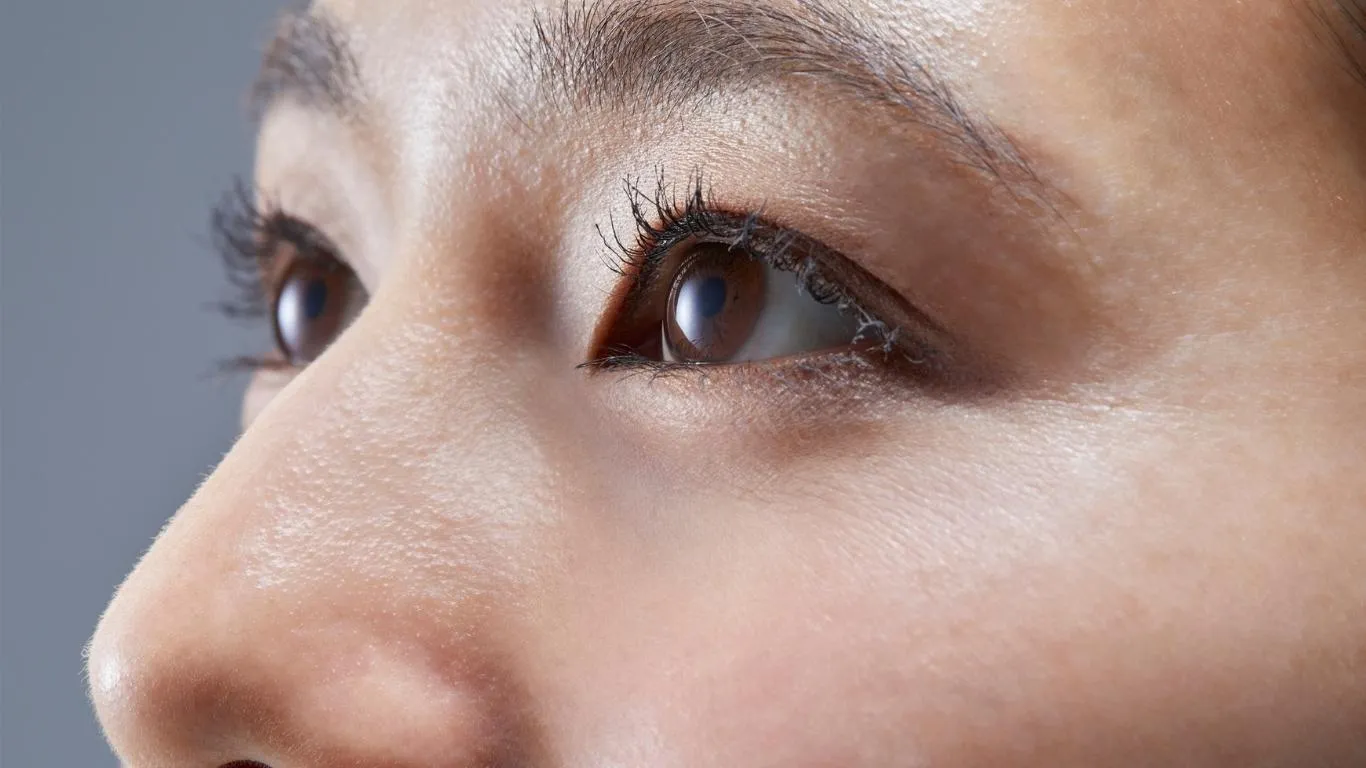
Look, not every floater is a cause for concern, but when they pop up during or after sinus issues, your body might be trying to tell you something. Whether it’s inflammation, pressure shifts, or even visual hypersensitivity, the link between sinuses and vision deserves attention. Don’t ignore it. Trust what your eyes — and sinuses — are showing you.
And if you’re ready to dive even deeper into how floaters compare with other eye conditions, here’s a trusted article I personally recommend from the folks at Healthusias: Floaters vs. other eye problems.

Camellia Wulansari is a dedicated Medical Assistant at a local clinic and a passionate health writer at Healthusias.com. With years of hands-on experience in patient care and a deep interest in preventive medicine, she bridges the gap between clinical knowledge and accessible health information. Camellia specializes in writing about digestive health, chronic conditions like GERD and hypertension, respiratory issues, and autoimmune diseases, aiming to empower readers with practical, easy-to-understand insights. When she’s not assisting patients or writing, you’ll find her enjoying quiet mornings with coffee and a medical journal in hand—or jamming to her favorite metal band, Lamb of God.