Why Floaters in High-Altitude Environments Can Get Worse
I’ll never forget the first time I noticed those sneaky, drifting specks while hiking through the Andes. I figured it was just my eyes adjusting to the brightness, or maybe fatigue. But when they stuck around longer than expected—dancing across the blue sky with every glance—I realized I wasn’t alone. Turns out, high-altitude adventures can stir up more than breathtaking views—they might stir up your eye floaters too.
Why High Altitude May Bring Those Floaters Into Focus
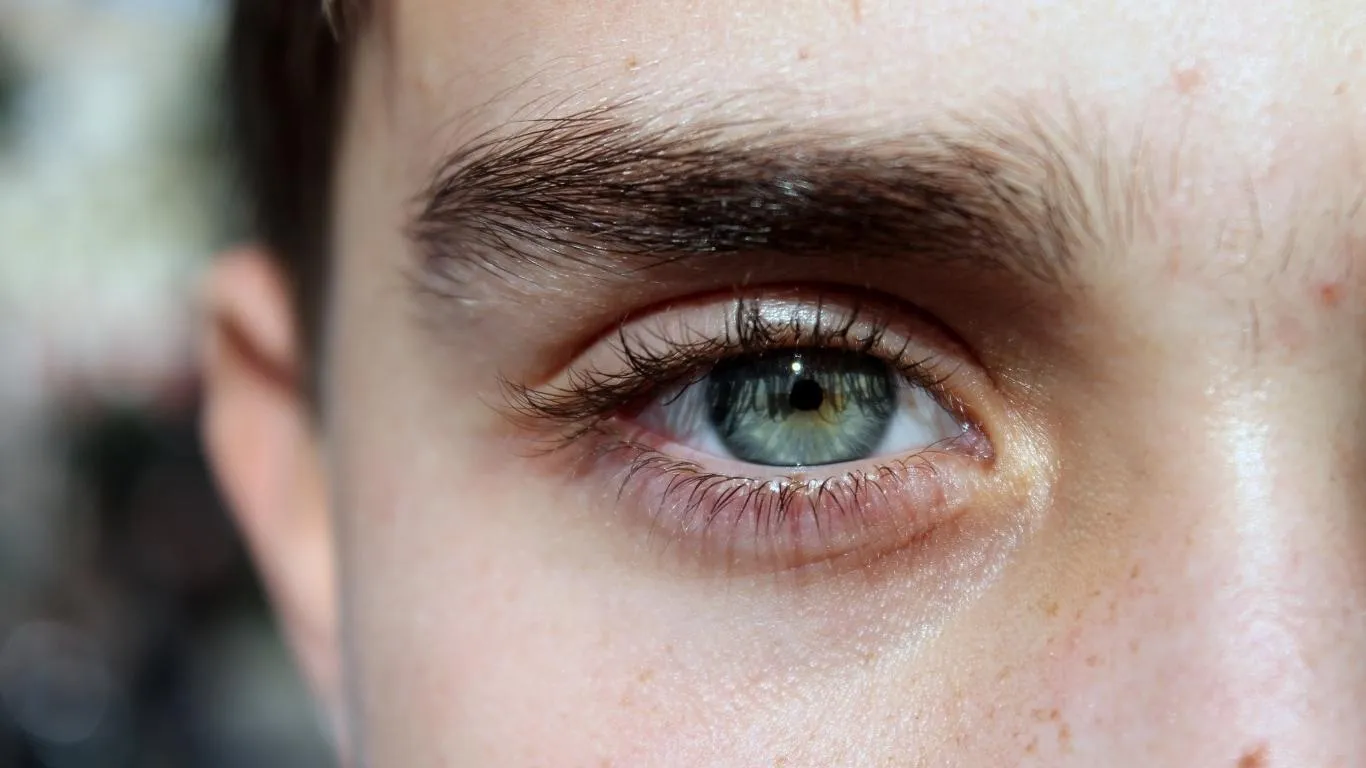
Whether you’re climbing mountains or flying across continents, the thinner air, lower oxygen levels, and atmospheric changes at altitude can seriously impact your body—including your eyes. And if you’ve ever squinted into a sunlit sky and seen translucent threads or specks, you’re already familiar with floaters.
Floaters are tiny clumps of collagen that form in the vitreous gel inside your eye. Normally harmless, they become noticeable when they cast shadows on your retina. But why do they seem to show up—or get worse—when you’re higher up?
Oxygen, Eyes, and Altitude
At high altitudes, oxygen saturation in your bloodstream drops. This decrease can lead to oxidative stress in sensitive tissues like the retina. Some researchers believe this stress might accelerate the natural aging of the vitreous, making floaters more visible or even triggering new ones.
Some early symptoms of this include:
- Sudden burst of floaters after a long flight
- Increased “web-like” shapes after mountain climbing
- Blurred vision combined with tiny specks when hiking at elevation
Interestingly, I’ve spoken to multiple high-altitude hikers who said the same thing—those shadowy squiggles just seem more obvious up there.
Dehydration and Vitreous Changes at Altitude
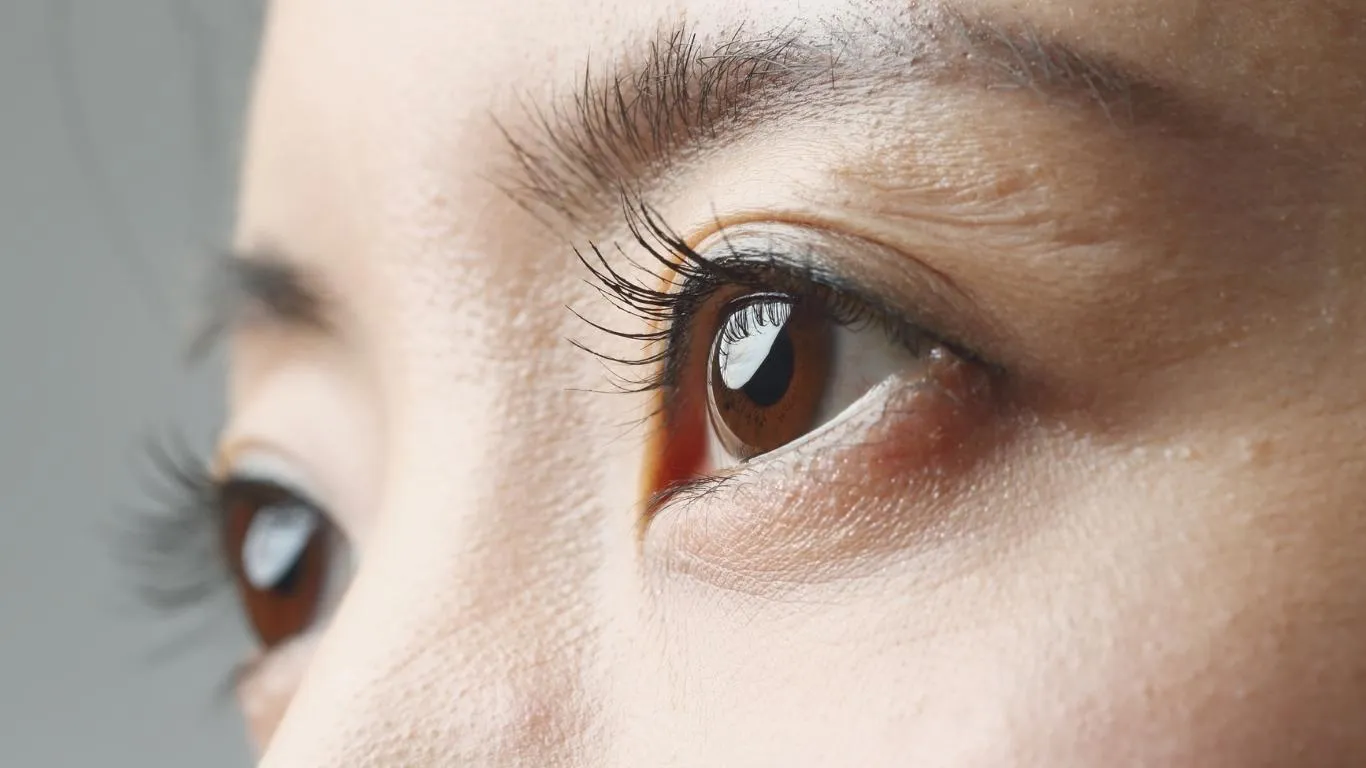
High altitudes aren’t just low in oxygen—they’re notoriously dry. This dryness can lead to dehydration-related floaters, especially if you’re not hydrating aggressively enough. The vitreous gel in your eyes is composed primarily of water, so when your hydration levels drop, it’s not a stretch to imagine changes in its structure.
Some signs this might be affecting you include:
- Floaters becoming more noticeable in bright daylight
- Seeing floaters after sleeping at a high-altitude camp
- Floaters that worsen after long treks without water
Maintaining proper fluid intake isn’t just about performance—it’s crucial for protecting your eyes too. I make it a rule to drink at least a liter before any summit attempt now. Lesson learned the hard way!
Altitude-Related Pressure Changes
Flying or climbing causes rapid pressure changes that can affect intraocular pressure. For people with a history of floaters, this can increase their visibility or even create new ones. In rare cases, altitude-related pressure changes can lead to more serious issues, like posterior vitreous detachment (PVD), which brings on a sudden rush of floaters and should be evaluated by an eye specialist immediately.
If you’re already dealing with issues like elevated blood pressure, the risk might be higher at altitude.
Bright Sky, Blue Background: The Perfect Floater Canvas
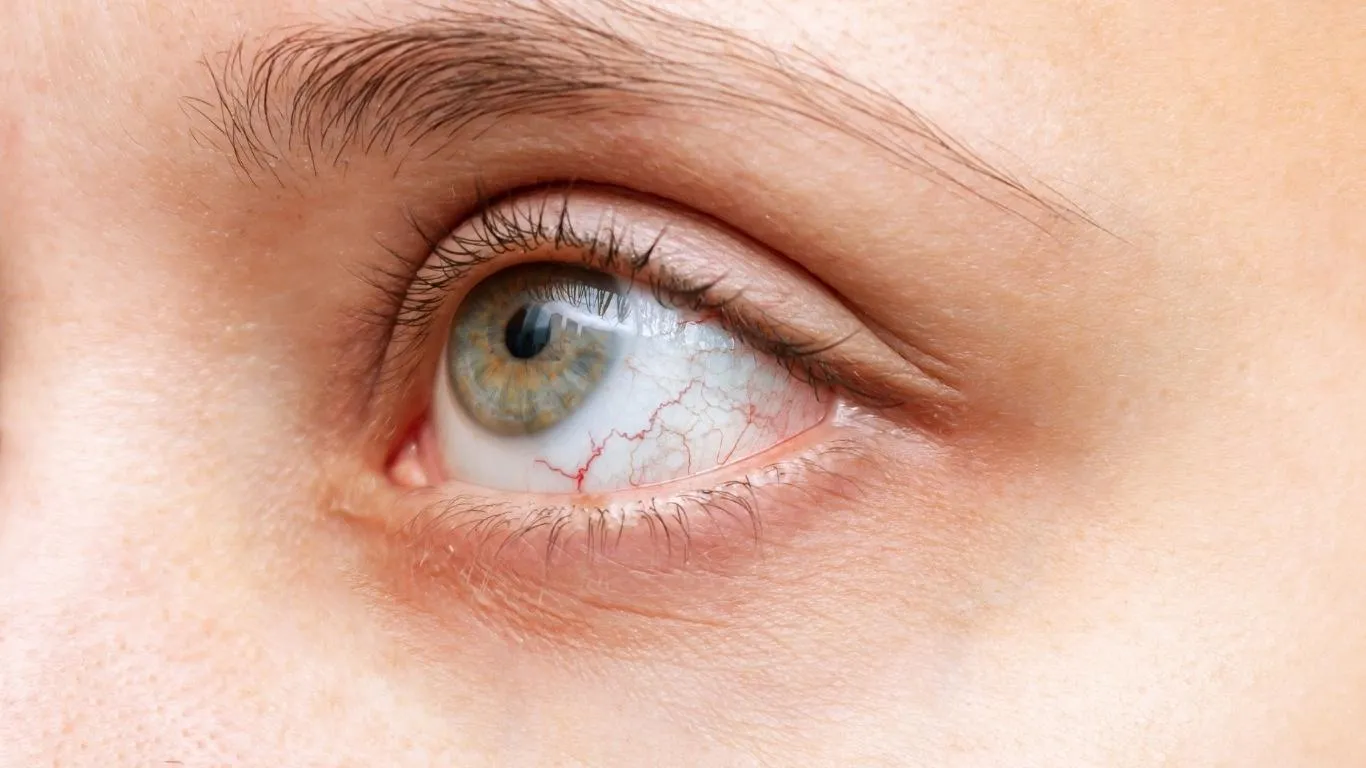
One of the biggest reasons people notice floaters in high-altitude environments is simple: the sky. That wide, bright, uninterrupted blue expanse is the perfect background for floaters to show up against. You may barely notice them indoors, but step into sunlight at 14,000 feet? It’s a whole new show.
Floaters are naturally more visible against light-colored backgrounds, and alpine environments are full of snow, sky, and clouds—all prime contrast zones.
If you’ve ever looked out an airplane window and suddenly seen floaters you didn’t know existed, you know what I mean. And yes, altitude changes can absolutely worsen your floater symptoms.
Is There Anything You Can Do?
While floaters caused—or worsened—by altitude aren’t usually dangerous, they can be annoying or even anxiety-inducing if you’re not expecting them. The good news? A few simple strategies may help reduce their impact:
- Stay hydrated: Drink more water than you think you need.
- Wear UV-blocking sunglasses: Helps reduce glare that makes floaters pop out.
- Limit sudden head movements: Quick shifts in gaze can stir floaters.
- Track your symptoms: If floaters increase rapidly or are paired with flashes, get checked.
There’s also growing research on whether certain supplements and lifestyle changes can improve overall vitreous health, although evidence is still emerging.
For a deep dive into how floaters may signal something more serious, don’t miss this detailed guide from our core pillar content. And for a solid foundation on floaters themselves, the main resource on what causes eye floaters is essential reading.
When Floaters Signal Something Bigger at Altitude
Most of the time, floaters are just visual quirks that tag along unnoticed. But when you’re up in the clouds, whether it’s 10,000 feet in the Rockies or 35,000 feet on a transatlantic flight, certain red flags can mean it’s time to stop and take your eyes seriously.
Have you ever had a sudden burst of floaters followed by a strange flash of light? Or maybe one eye started seeing shapes that looked like a curtain coming down? Yeah, those aren’t just quirks—they could be signs of a retinal tear or detachment. High-altitude pressure shifts can, in rare cases, set these events in motion.
Check out this guide on floaters before retinal tears to understand what to look out for. I had a buddy experience this mid-flight—he was lucky to catch it early after a red-eye flight made the symptoms flare up dramatically.
Altitude + Preexisting Eye Conditions = Extra Caution
If you’re already dealing with conditions like diabetic retinopathy or high myopia, your odds of floater-related complications can increase significantly in low-pressure environments. The same goes for anyone with a history of vitreous detachment or eye surgery.
Not surprisingly, some of the most eye-sensitive patients I’ve worked with were climbers and frequent fliers who never realized that their eye history might actually factor into altitude symptoms.
What Eye Doctors Say About Altitude-Induced Floaters
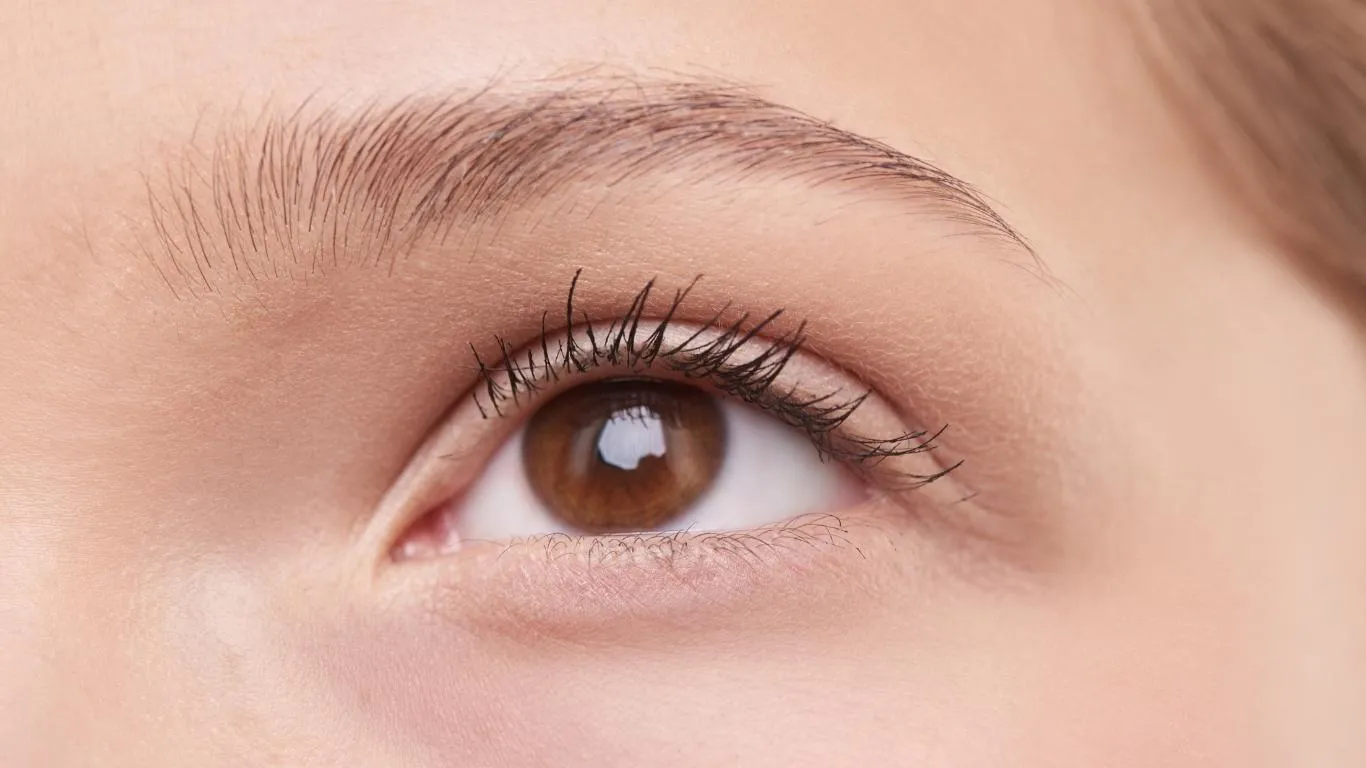
According to ophthalmologists from the American Academy of Ophthalmology, while floaters caused by altitude exposure aren’t inherently dangerous, they can be early indicators of structural changes in the eye. Especially if the floaters come with light flashes or a sudden “shower” of new spots.
One study even hinted at how repeated exposure to high altitudes over time might accelerate the vitreous degeneration process—especially in people over 40. The body’s ability to maintain collagen structure in the eye can be challenged when it’s under oxidative stress or chronically dehydrated. Sound familiar to what happens during extended trekking or long-haul flying?
When to Worry—and When to Wait
Let’s get real. Most floaters don’t need treatment. But if any of these situations apply to you, don’t wait it out:
- You suddenly see dozens of new floaters, especially after elevation gain
- Your vision is partially blocked by dark floaters or shadows
- Floaters are accompanied by flashing lights or vision distortion
- You have underlying conditions like high blood pressure, diabetes, or autoimmune disease
These symptoms could indicate something more than a harmless speck drifting in your field of view.
Staying Floater-Free: Smart Habits for Altitude Travelers
I’ve fine-tuned a checklist over the years that helps me stay on top of my eye health while living that frequent-flier, peak-bagger life. Floaters may not be avoidable for everyone, but you can definitely lower their impact.
- Hydration is everything: I never hit the trail without a full hydration pack, especially above 8,000 ft. The eyes are just as thirsty as your muscles.
- Supplement wisely: Talk to a doctor about lutein, zeaxanthin, and omega-3s. I’ve been taking them daily and swear by the difference in visual clarity.
- Wear real sunglasses: Not cheap knockoffs. You want lenses with proper UV400 protection. That alpine sun hits different—especially with glare bouncing off snow or airplane windows.
- Limit screen time mid-flight: Believe it or not, prolonged screen exposure in pressurized cabins can make floaters more noticeable. If you’re on a red-eye, give your eyes breaks.
- Don’t rub your eyes: Especially not in dry conditions. It’s an easy habit, but you’re only aggravating the vitreous gel. Here’s why that matters.
Traveling or Trekking With Floaters? Here’s What Helps
If you already deal with floaters, the goal is managing your symptoms. Some people swear by eye exercises to shift floater positions, though evidence is limited. What helped me personally was learning how to track floaters and record any changes in their behavior. It sounds nerdy, but it’s been surprisingly effective.
Here’s what worked best for me and others I’ve spoken with:
- Pack a small journal or use an app to log floater activity by altitude
- Give your eyes time to adjust when switching from low to high elevation
- Use saline drops to combat altitude dryness on longer flights
Also, if you’re experiencing persistent floaters after climbing trips or air travel, it’s worth reading this piece on post-activity floater risks. You might be surprised at how physical exertion and altitude together play a role.
Quick Word on Anxiety and Floaters
Let’s not overlook the mental side of things. If you’re like me, you might find yourself hyper-fixating on new floaters once they appear. Altitude can increase stress levels—and yes, anxiety itself can worsen floaters. The more I stressed, the more noticeable they became. Once I focused on staying calm and hydrated, things gradually improved.
Explore More & Protect Your Vision
Our eyes are often the last thing we think about when gearing up for adventure—but they deserve front-row care. If you’re noticing floaters more often, don’t dismiss it as nothing. Learn what’s normal, what’s not, and how to take action.
Dive deeper into our full guide on eye floater treatment options—from natural solutions to clinical interventions. And for the bigger picture of what causes floaters and how to prevent them long-term, our comprehensive resource on eye floater causes and symptoms is a must-read.
High places can leave you in awe—but they shouldn’t leave you squinting through visual snow. Keep your vision sharp, your hydration game strong, and your awareness sharper than the summit wind.

Camellia Wulansari is a dedicated Medical Assistant at a local clinic and a passionate health writer at Healthusias.com. With years of hands-on experience in patient care and a deep interest in preventive medicine, she bridges the gap between clinical knowledge and accessible health information. Camellia specializes in writing about digestive health, chronic conditions like GERD and hypertension, respiratory issues, and autoimmune diseases, aiming to empower readers with practical, easy-to-understand insights. When she’s not assisting patients or writing, you’ll find her enjoying quiet mornings with coffee and a medical journal in hand—or jamming to her favorite metal band, Lamb of God.