Why Floaters in People With Sinus Congestion Feel Worse
Ever stared at a bright wall and noticed strange little specks or cobweb-like shadows drifting across your vision? If you’ve got sinus congestion and you’re seeing these floaters more than usual, you’re definitely not alone. I’ve been there myself — one day battling a nasty sinus flare-up and the next, wondering if those visual “floaties” were something to worry about. It’s weird, right? But turns out, there’s more of a connection between sinus pressure and eye floaters than most people realize. Let’s dive into how your stuffed-up sinuses might be messing with your eyes.
What Are Eye Floaters and Why Do They Suddenly Show Up?
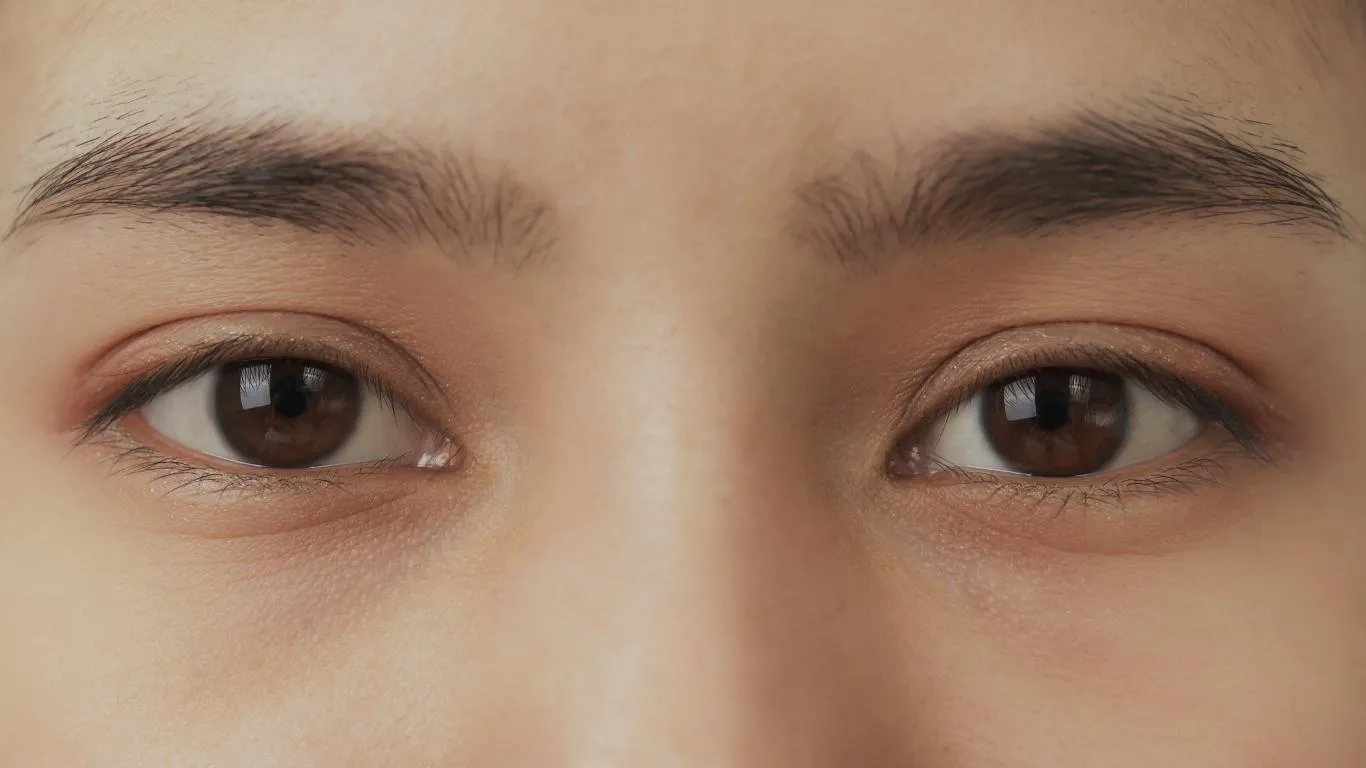
Eye floaters are those small, semi-transparent shapes that drift around in your field of vision. They’re often described as cobwebs, threads, or little bubbles, and they tend to move when your eyes move. The actual cause? Tiny clumps of collagen floating inside the vitreous humor — the gel-like substance that fills the inside of your eye.
Normally, floaters are harmless and a natural part of aging. But when you’ve got sinus congestion, especially the intense kind that comes with sinus infections or allergies, those floaters can feel like they’ve suddenly gone wild.
Can Sinus Congestion Really Make Floaters Worse?
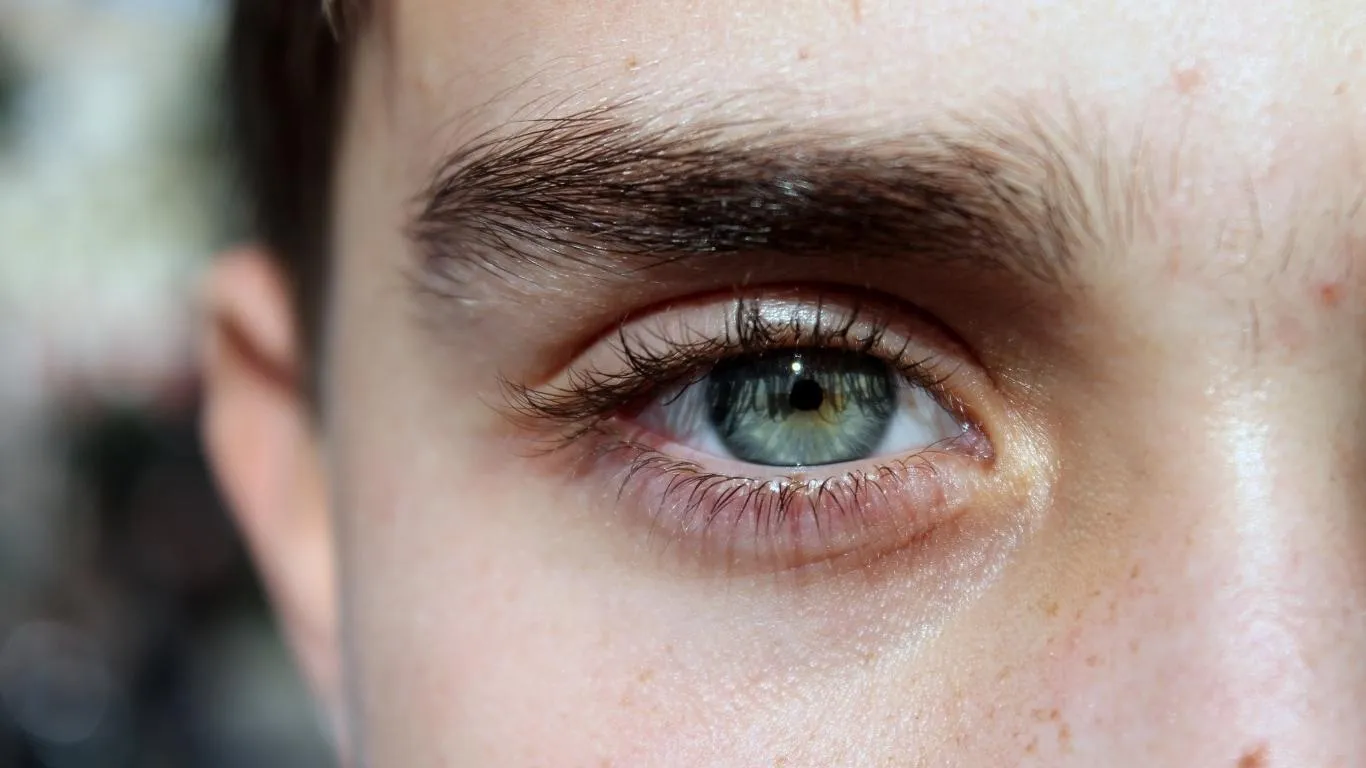
Surprisingly, yes. While sinus congestion doesn’t directly create floaters, it can exacerbate symptoms or make existing floaters more noticeable. When your sinuses are inflamed, especially around the eyes, it increases pressure in the surrounding areas. That pressure can irritate the optic nerve, affect circulation, and make you hyper-aware of anything strange in your vision — including those floaters you’d normally ignore.
The Anatomy Behind the Connection
Your sinuses are located just behind and around your eyes. When inflamed, they create a lot of pressure, especially in the orbital and ethmoid sinuses. That pressure can affect blood flow and even put slight stress on the retina. While this doesn’t cause new floaters to form, it might make the existing ones feel more prominent — especially in certain lighting conditions.
I first noticed this during allergy season. Every spring, my sinuses go haywire, and so do the floaters. I’d be outside, squinting at the sunlight, and bam — shadows in my line of sight. It turns out, I’m not imagining it. Many people experience increased floaters with sinus infections, allergies, or even after a bad cold.
Symptoms That Link the Two Together
- Increased floaters when experiencing sinus congestion
- Floaters more visible in bright light or against white backgrounds
- Feeling pressure behind the eyes while floaters drift across your vision
- Eye fatigue or light sensitivity during a sinus infection
It’s important to understand that while these symptoms overlap, they don’t always mean something serious. However, there are times when floaters, even those appearing during sinus congestion, might be a sign of something more dangerous — like retinal detachment or vitreous hemorrhage. If your floaters are accompanied by flashes of light or a curtain-like shadow, don’t wait — see an eye doctor immediately.
Why Do Floaters Appear More in Bright Light During Congestion?
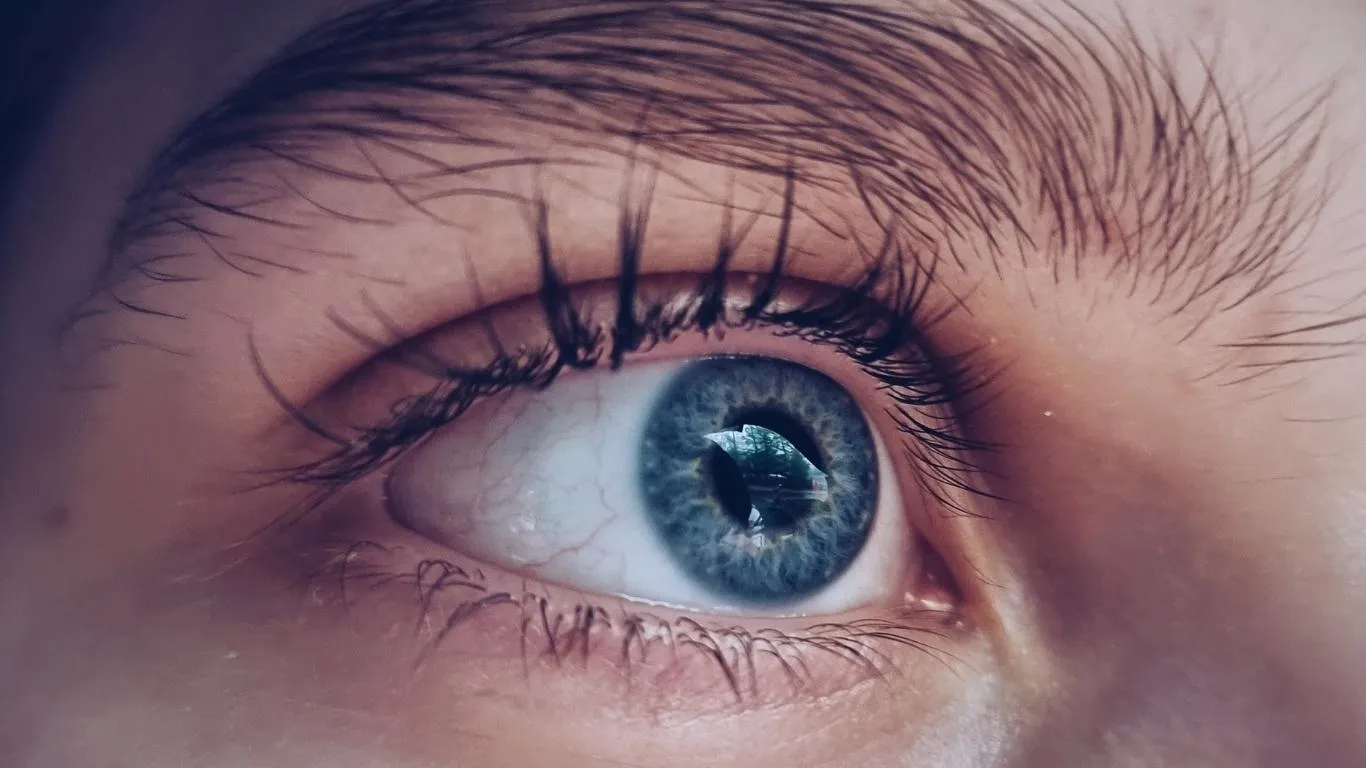
This one puzzled me for a while. But here’s what happens — when your sinuses are congested, your eyes might feel more sensitive to light. The floaters are always there, but with inflamed sinuses and slightly swollen tissue around your eyes, the clarity of your visual field can change. Your brain becomes more alert to visual disturbances, especially in contrasting light environments.
This is particularly common in those who also have floaters noticeable during morning light or while working in brightly lit offices. Add sinus congestion to the mix and suddenly every tiny floater is a big distraction.
When Floaters and Sinus Pressure Feel Like a Bigger Issue
Most of the time, floaters related to sinus congestion are temporary. But if you notice other symptoms, such as:
- Sudden onset of many new floaters
- Flashes of light or partial loss of vision
- Severe eye pain
- Floaters that worsen quickly over days
…it’s time to seek medical advice. These could point to more serious eye problems that just happened to show up while you were congested.
For anyone wondering if floaters from sinus pressure are normal, the answer is usually yes — but stay vigilant. A sinus infection with visual symptoms should never be ignored, especially if those symptoms persist after the congestion clears. It’s also worth checking out this more in-depth guide on floaters with eye discharge that could indicate a more complex issue.
What Helps: My Go-To Remedies and Prevention Tips
- Warm compresses: These help relieve sinus pressure and reduce tension around the eyes.
- Hydration: Keeping your body and eyes well-hydrated helps minimize floater visibility.
- Gentle steam therapy: Clears sinuses and often reduces that “eye pressure” feeling.
- Proper lighting: Avoid staring at screens in dark rooms — trust me, this makes floaters worse.
- Anti-inflammatory foods: Omega-3s, leafy greens, and turmeric can help reduce overall inflammation, even in the sinuses.
If you’re struggling with sinus issues and frequent eye floaters, you might want to explore this useful breakdown on reducing floaters after eye infections. While it’s not the same thing, the overlap in inflammation and eye irritation is worth noting.
There’s also a deeper dive into the broader causes of floaters you shouldn’t ignore, especially if they persist beyond congestion. Here’s a guide on common causes of floaters that’s a solid place to start if you’re seeing them more frequently.
And for a complete understanding of floaters from symptoms to treatments, the main floaters guide here is packed with useful insights.
Long-Term Floaters or Just Sinus Trouble?
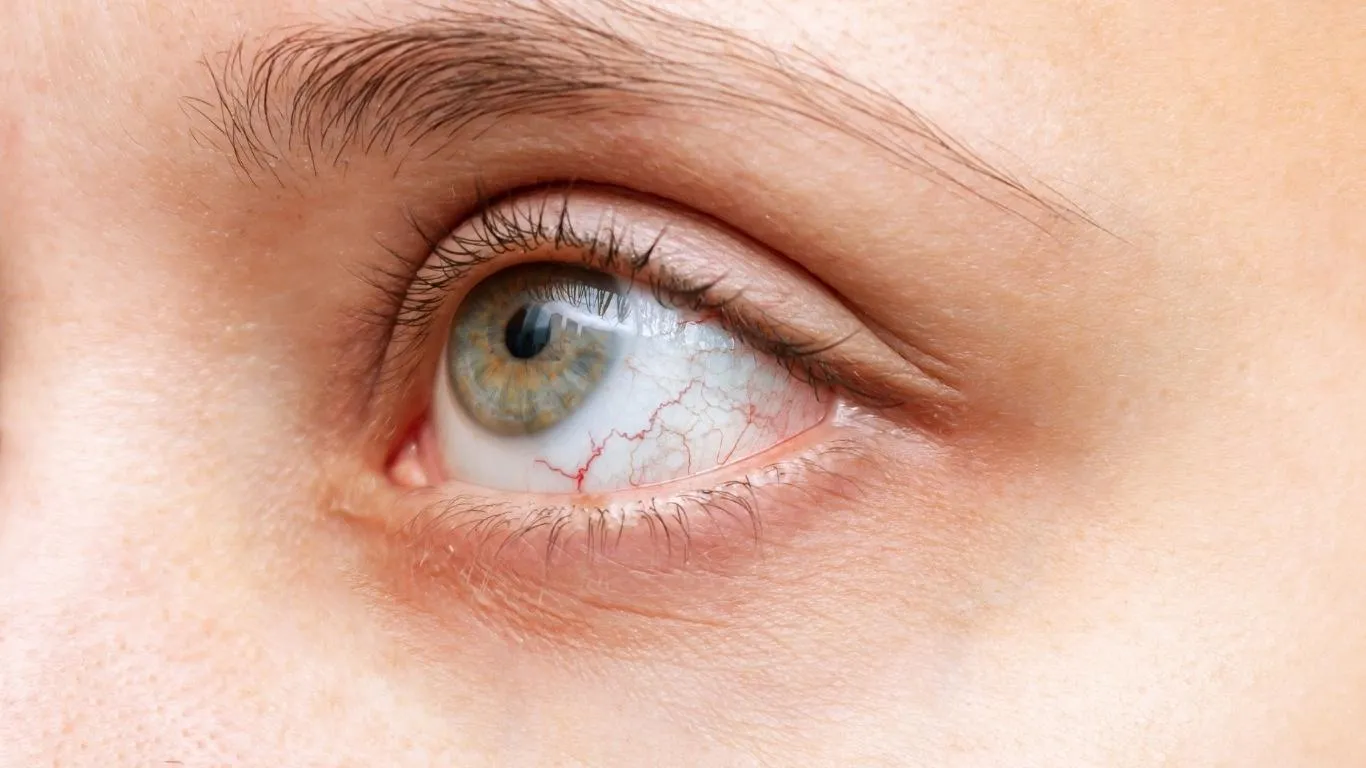
Sometimes it’s hard to tell whether the floaters you’re seeing are simply a side effect of temporary sinus issues or part of a deeper, long-term eye change. I went through months of wondering — were these weird threads in my vision going to stick around forever? Or would they fade once allergy season calmed down?
Here’s the deal: floaters that show up during sinus congestion often feel worse because your vision is strained. Congestion can affect how your eye focuses, how light enters the eye, and even how blood circulates through the optic area. But once the sinuses clear, your awareness of those floaters usually decreases.
Still, if you’ve had floaters hanging around longer than a few months — especially if they’ve gotten darker, more frequent, or started interfering with daily life — it’s worth reading about when floaters signal something more serious.
Natural Remedies That Actually Help
Let’s talk about some of the stuff that’s helped me (and a lot of others) manage floaters when sinus congestion hits. Not miracle cures — but small changes that made a noticeable difference.
1. Anti-Inflammatory Nutrition
When I shifted my meals to include more omega-3 rich foods, vitamin C, and leafy greens, the inflammation around my eyes during sinus flare-ups actually reduced. It didn’t “cure” floaters, but my vision felt clearer overall. You can get some practical guidance on this from this nutritional floater guide.
2. Eye Exercises
Turns out, giving your eyes some movement and focus relief can help — especially when you’re stuffy and locked into screen time. Gentle eye rolling, looking into the distance every 30 minutes, and even blinking exercises made floaters seem less intrusive. Explore the best eye floater exercises here.
3. Nasal Irrigation
Neti pots, saline sprays, and warm compresses — they’ve saved me more times than I can count. Not only do they clear sinuses, but the reduction in facial pressure helps ease that “eye balloon” feeling you get with congestion. Trust me, less pressure = less awareness of floaters.
4. Blue Light and Eye Strain Management
Especially during sinus flare-ups, screen time made my floaters flare up too. I switched to blue light filters and started using softer lighting indoors. There’s actually a great piece on how screen habits worsen floaters, especially during allergy seasons or colds.
5. Stress Reduction (Seriously)
Stress makes everything worse — sinuses, tension, and yes, floaters. Meditation, regular sleep, and deep breathing didn’t fix my floaters, but they helped ease how much I noticed them. Check out this stress-floater relief guide — it’s surprisingly helpful.
How to Track Your Floaters Over Time
Here’s a game-changer: I started keeping a little floater diary. Every time my floaters felt worse, I’d jot down things like:
- Was I congested that day?
- Did I eat something inflammatory?
- Was I sleep-deprived or super stressed?
- Was the lighting especially bright?
After a month, clear patterns emerged. This helped me avoid specific triggers and figure out whether the floaters were tied more to sinus problems or something else entirely. There’s a detailed breakdown of how to do this in this floater monitoring guide.
What Doctors Look For — When to Make That Appointment
If your floaters:
- Appear suddenly in large numbers
- Are accompanied by light flashes
- Come with vision loss or pain
- Stick around long after your sinus congestion clears
…you should absolutely get checked. Floaters may seem small, but they can signal serious underlying issues. I once ignored a sudden change in floaters and ended up needing an urgent eye scan. Better safe than sorry.
For a more medical look at how floaters are treated — from observation to surgery — this treatment guide covers everything you need to know.
Link Between Sinus Triggers and Floaters Worsening
Let’s not overlook triggers that mess with both your sinuses and your eyes:
- Allergens: Dust, pollen, and pet dander
- Dry indoor air: Especially during winter
- Fluctuating temperatures: Going from hot to cold quickly
- Overuse of nasal sprays: Can dry out the eye area too
- Caffeine and alcohol: Both worsen dehydration, which amplifies floater visibility
Many of these also appear in this deep dive on how floaters are affected by everyday habits. It’s eye-opening how simple things contribute to eye discomfort — pun intended.
One particularly useful breakdown also explains inflammation’s link to eye floaters, which is key if you’re constantly dealing with congestion or chronic sinus issues.
Learn More and Take Control of Your Eye Health
The more you understand your floaters, the easier it is to manage them — especially when sinus congestion is in the mix. If this is something you’ve been struggling with, dive deeper into the common causes and triggers of floaters here.
For a complete, no-fluff overview of floaters, symptoms, and what to do when they start taking over your visual field, check out the main floater pillar article: What Are Eye Floaters? It’s hands-down the best starting point for anyone dealing with floaters — whether from sinus pressure, aging, or something in between.
And if you suspect your floaters are becoming more than just a passing nuisance, don’t brush it off. Floaters can tell us a lot — about our eyes, our habits, and even our overall health. Pay attention, take notes, and when in doubt, talk to someone who knows what to look for.

Camellia Wulansari is a dedicated Medical Assistant at a local clinic and a passionate health writer at Healthusias.com. With years of hands-on experience in patient care and a deep interest in preventive medicine, she bridges the gap between clinical knowledge and accessible health information. Camellia specializes in writing about digestive health, chronic conditions like GERD and hypertension, respiratory issues, and autoimmune diseases, aiming to empower readers with practical, easy-to-understand insights. When she’s not assisting patients or writing, you’ll find her enjoying quiet mornings with coffee and a medical journal in hand—or jamming to her favorite metal band, Lamb of God.