Why Eye Floaters Are More Visible With Certain Interior Colors
Ever noticed how your eye floaters seem to pop out more when you’re in a certain room? Trust me, you’re not imagining it. I used to think it was just me until I realized those tiny specs and strands that float across my vision felt ten times more obvious in my living room, which happens to be painted a soft pastel blue. Turns out, interior colors and lighting can play sneaky tricks on how visible floaters appear — and it’s not just about brightness.
Why Some Interior Colors Make Eye Floaters Stand Out
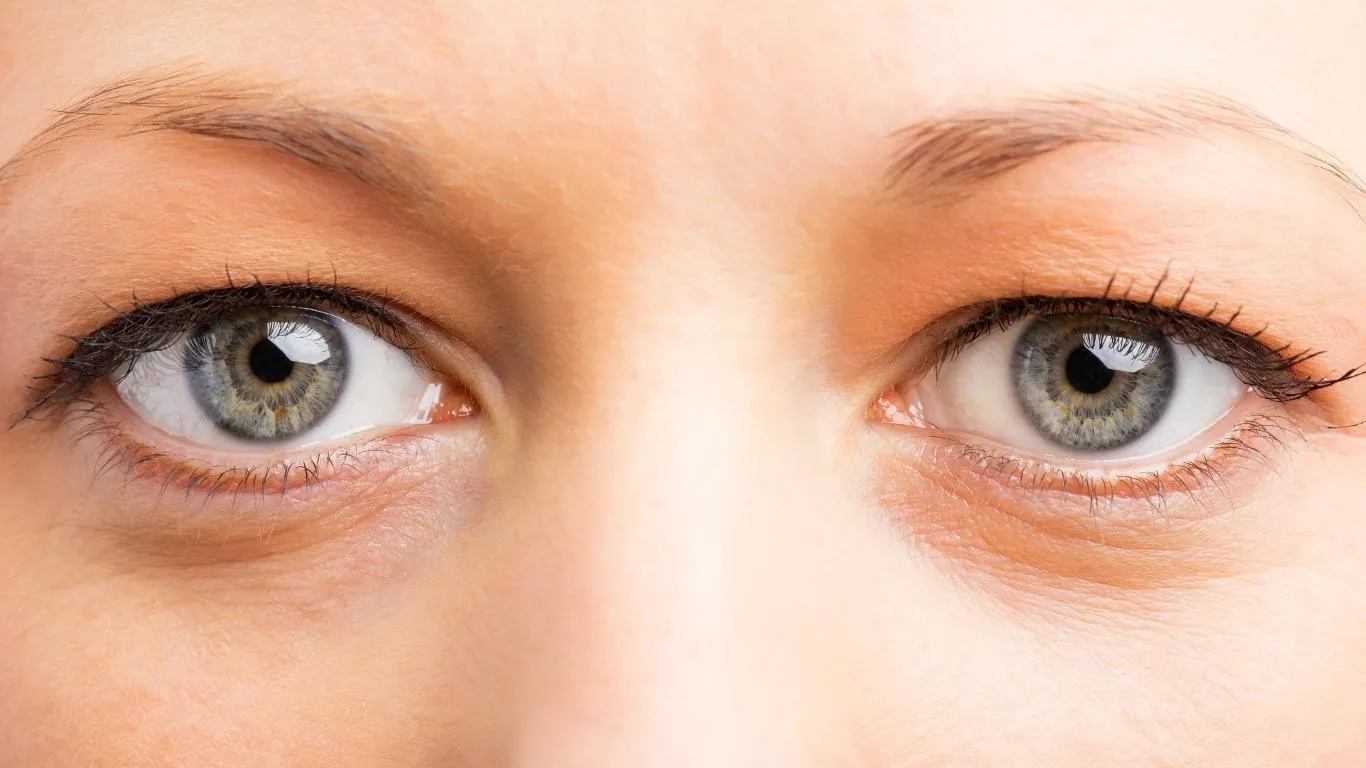
It’s fascinating how subtle shifts in color tones can amplify the way floaters are perceived. The human eye has a unique relationship with contrast. When your walls are painted in light shades — think pastel blues, soft creams, or even light greys — they create a high-contrast backdrop for floaters to dance across. These floaters are actually inside your eye, but the backdrop can make them look sharper and darker, almost like they’re floating on top of the wall.
On the flip side, deeper, warmer colors tend to ‘camouflage’ floaters a bit. You might notice they’re less intrusive when sitting in a room with rich, earthy tones like terracotta, forest green, or even a moody navy. It’s not that floaters disappear — your eyes just don’t pick them up as aggressively against a low-contrast setting.
The Science Behind Color Perception and Eye Floaters
Your retina is sensitive to light scatter, which is why floaters are much more pronounced when light reflects off bright or pale surfaces. Rooms with matte white or light pastel walls often act like a giant projection screen for these floaters. If you’re in a minimalist space filled with clean, bright surfaces, you’ll likely experience this effect. It’s all about contrast ratios.
Want to dive deeper into how floaters can become more visible depending on environmental factors? This guide explains how floaters act up when you’re tired or in bright rooms.
Room Lighting: The Silent Culprit Behind Aggressive Floaters
Another piece of the puzzle is artificial lighting. Harsh overhead lights, especially fluorescent or cool LED lights, tend to make floaters more prominent. I noticed this myself during late-night reading sessions under a bright white lamp. Floaters that were barely noticeable during the day suddenly became a distracting nuisance.
- Fluorescent lighting scatters light within the eye, enhancing floater visibility.
- Cool white LEDs have high-intensity beams that reflect sharply off light-colored interiors.
- Soft, warm ambient lighting tends to reduce the sharp contrast, giving your eyes a bit of a break.
If your home has predominantly light-colored walls with bright, unfiltered lighting, you’re essentially setting up a floater showcase. One simple fix? Try dimmer switches or opt for warmer bulb tones to reduce the glare factor. You can also check out why fluorescent lights are notorious for making floaters worse.
Interior Design Tips to Minimize Floater Visibility
While you can’t eliminate floaters entirely (unless you’re opting for surgery), tweaking your home’s color palette and lighting can genuinely make a difference. Here are some design tricks I learned the hard way:
- Swap bright whites for mid-tone neutrals. Shades like taupe, sage green, or even a muted clay can help reduce contrast.
- Introduce textured walls or accent patterns. Visual textures help break up the flat backdrop, making floaters blend into the visual noise.
- Use layered lighting. Instead of relying on a single overhead source, use floor lamps, sconces, and indirect lighting to soften the room’s overall glow.
For more on how environment impacts floater perception, this article on screen time floaters is a must-read.
When Floaters Signal Something More Serious
While floaters are usually harmless, it’s important to be aware of when they could be a warning sign. If you suddenly notice a burst of new floaters, flashes of light, or a shadow creeping over your vision, that’s a cue to call your eye specialist ASAP. These symptoms can be associated with retinal tears or detachments.
You can explore more serious floaters-related conditions in this detailed guide on when floaters may indicate something dangerous.
Also, if you’re looking for a comprehensive overview of floater treatments — from simple observation to surgical options — I highly recommend this resource: Eye Floater Treatments Guide. And for an all-in-one deep dive into the causes, symptoms, and treatment options, you can visit the Main Eye Floaters Pillar article.
How Wall Finishes and Materials Influence Floater Visibility
Beyond color, the type of wall finish in your home plays a surprisingly big role in how intense floaters appear. I discovered this after switching from flat matte walls to a subtle eggshell finish in my office. The difference was immediate — floaters became less distracting. Why? Because glossy or semi-gloss finishes reflect more light evenly, diffusing the harsh contrast that makes floaters pop against flat surfaces.
Here are some wall textures and finishes that can help:
- Eggshell or satin finishes – These offer a slight sheen that softens stark contrasts.
- Textured wallpapers – Patterns and textures trick your eyes, making floaters blend in more.
- Accent walls with darker hues – A feature wall painted in a deeper tone can create a focal point that draws attention away from floaters.
Curious about how environmental factors like lighting and wall textures affect your visual comfort? You might also find this article on screen-time floaters insightful.
Interior Lighting Hacks to Keep Floaters Less Noticeable
After experimenting with dozens of lighting setups (my living room practically turned into a lighting lab), here are some strategies that worked wonders in minimizing floater visibility:
- Switch to warmer bulbs (2700K-3000K). Cooler light temperatures intensify floater outlines against pale walls.
- Incorporate indirect lighting. Wall sconces or backlit panels provide a soft, diffused glow that doesn’t create stark light scatter.
- Adjust light intensity throughout the day. Dimmers are your best friend here. Lowering brightness during floater-heavy moments like reading or relaxing can reduce their visibility dramatically.
I recently swapped out my overhead light with a combination of table lamps and uplighting — and the improvement was almost instant. Floaters that were glaringly obvious under a single, harsh ceiling light became background noise.
For more practical solutions, this guide on bright lights and floaters visibility is packed with helpful tips.
Do Certain Interior Colors Trigger Eye Strain & Floaters?

Here’s something that often gets overlooked — color psychology plays a huge part in visual fatigue. Bright whites, soft pastels, and pale greys, while trendy, can cause prolonged eye strain if your home’s lighting isn’t balanced. Prolonged strain equals more floaters making themselves known.
Colors to be cautious with:
- Pure White – High reflectivity makes every tiny floater look magnified.
- Light Pastels – Soft colors like powder blue or mint green, though soothing, can create a perfect canvas for floaters to appear sharply.
- Cool Greys – Especially in rooms with large windows, as natural light enhances contrast.
Switching to warmer, muted tones like beige, mocha, or even dusty olive can give your eyes a much-needed break. If you want to understand more about visual stressors, check out this piece on eye floaters and visual genetic factors.
Personal Hacks That Helped Me Cope with Floaters Indoors
While environmental tweaks can do wonders, here are a few personal tricks that I swear by when my floaters become too pesky indoors:
- Position your seating strategically. I avoid sitting with my back to large bright windows. Angling myself away from direct light has been a game-changer.
- Frequent eye movement. If a floater’s right in the center of my vision, I do small circular eye motions to move it out of the focal zone.
- Eye hydration. Dry eyes make floaters more noticeable. I keep preservative-free lubricating drops on my desk — they help more than you’d think.
If you’re dealing with floaters that act up in certain lighting or environments, it’s worth checking out this guide on differentiating floaters from other eye problems.
When to See a Doctor About Floaters

Let me be clear — floaters that suddenly multiply, are accompanied by light flashes, or feel like a shadow curtain is moving across your vision, are red flags. While floaters due to age or vitreous changes are common, sudden changes could signal something urgent like a retinal tear or detachment. Don’t delay, get a professional exam.
If you’re keen to understand the serious warning signs, this article on dangerous floater symptoms you shouldn’t ignore is an essential read.
For a comprehensive breakdown of what causes eye floaters, including aging, injuries, and other health conditions, visit the in-depth guide on Common Causes of Eye Floaters and the master resource Main Eye Floaters Article which covers everything you need to know.

Camellia Wulansari is a dedicated Medical Assistant at a local clinic and a passionate health writer at Healthusias.com. With years of hands-on experience in patient care and a deep interest in preventive medicine, she bridges the gap between clinical knowledge and accessible health information. Camellia specializes in writing about digestive health, chronic conditions like GERD and hypertension, respiratory issues, and autoimmune diseases, aiming to empower readers with practical, easy-to-understand insights. When she’s not assisting patients or writing, you’ll find her enjoying quiet mornings with coffee and a medical journal in hand—or jamming to her favorite metal band, Lamb of God.