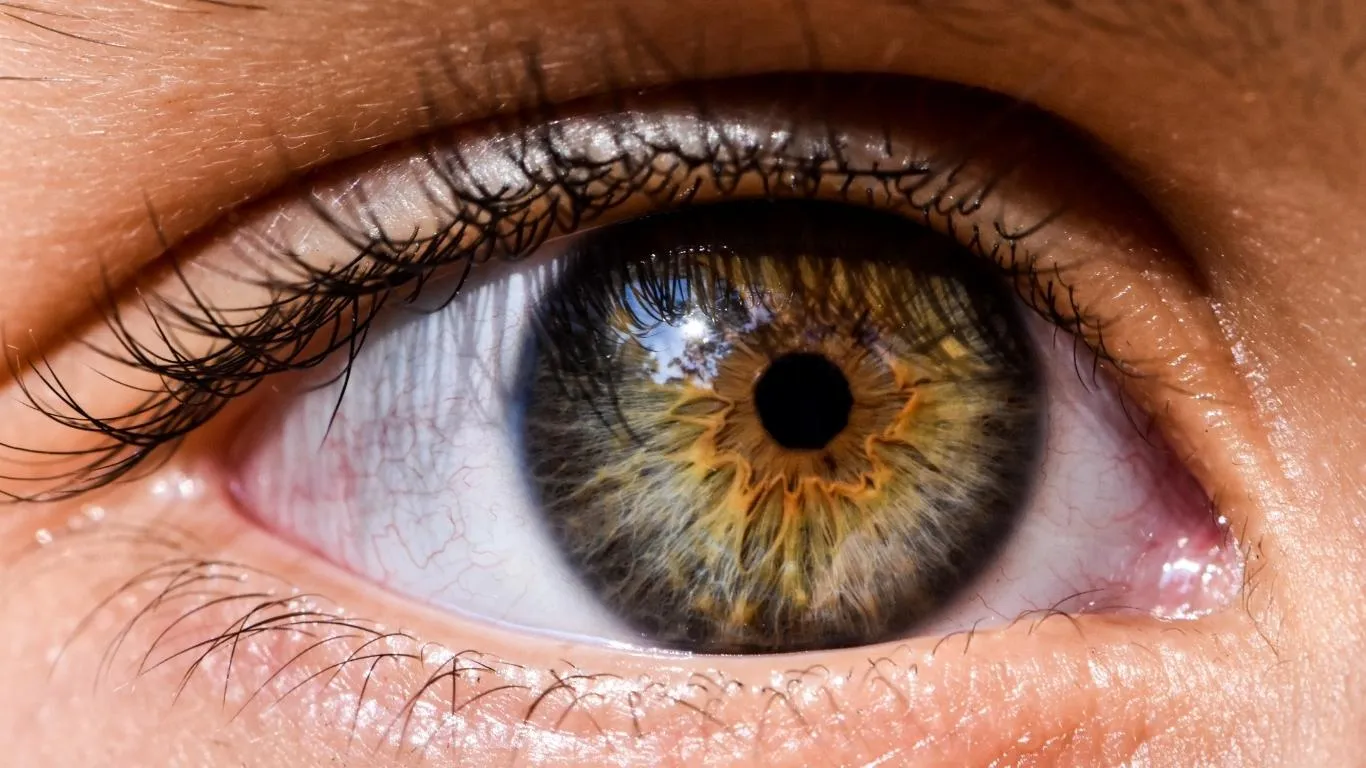
Why Floaters Seen After Facial Steaming Might Be a Red Flag
I never thought something as simple as a facial steam could mess with my eyes, but it did. One afternoon, after a deep cleanse and a relaxing eucalyptus steam session, I noticed tiny squiggly shadows drifting around in my vision. At first, I thought it was just steam residue or maybe water vapor on my lashes. But hours passed, and those odd floaters were still dancing across my sightline. If you’ve ever caught yourself spotting strange floaters right after facial steaming, you’re not alone — and it’s not your imagination.
Why Floaters Can Appear After Facial Steaming
Floaters seen after facial steaming can feel alarming. They show up as dark threads, specks, cobweb-like shapes, or translucent spots floating across your field of view. But why would something like facial steaming trigger these visual intrusions?
The Heat Factor and Eye Sensitivity
When we steam our face, especially with hot towels or facial steamers, we expose delicate facial and ocular tissues to elevated temperatures. This warmth can cause temporary changes in intraocular fluid behavior or, in some cases, highlight already-existing floaters that were less noticeable before. Your vitreous humor—the gel-like substance inside your eye—might shift slightly with heat exposure, making floaters more visible under bright or steamy light conditions.
Facial Steaming and Circulatory Effects
Another possibility is increased blood flow and vasodilation. Facial steaming ramps up circulation, which is fantastic for skin clarity but may subtly affect the tiny vessels in and around your eyes. If you’re prone to floaters triggered by blood flow changes, this could explain their sudden appearance during or after steaming.
Personal Insight
From personal experience, I’ve noticed the floaters are way more prominent when I steam in a dim bathroom with a single ceiling light—it’s almost like my eyes struggle to focus, and floaters just pop out of nowhere. Interestingly, when I steam with my eyes closed the entire time, the effect is much less noticeable.
Could Steaming Make Existing Floaters Worse?

Let’s say you already had floaters that you barely noticed. Could steaming push them into the spotlight? The short answer: possibly.
- Increased light scattering: Steam changes how light bounces around the bathroom, making floaters more noticeable against white tiles, mirrors, or steam clouds.
- Changes in eye hydration: Steam can sometimes cause dry eye rebound once the session ends. This dryness might make your eyes feel “off,” amplifying your awareness of floaters.
- Head positioning: Leaning forward or tilting your head during steaming might shift your vitreous gel, temporarily moving floaters into your line of sight.
There’s also the rare chance you’re experiencing floaters triggered by essential oils used during the session, especially if you’re sensitive to specific herbal ingredients or scents.
Who’s Most Likely to See Floaters After Steaming?
If you’re over 35, nearsighted, or spend a lot of time in front of screens, you’re already at a higher risk of developing floaters. Add steam to the mix, and your floaters may just become more noticeable—not necessarily worse, but more obvious. According to American Academy of Ophthalmology, age-related vitreous degeneration often starts subtly and gets triggered by environmental factors like heat, bright lights, or rapid temperature changes.
Those who regularly experience floaters when eyes are exposed to steam might also notice it happens during hot showers, sauna sessions, or even cooking over boiling water. It’s a pattern worth paying attention to.
Underlying Conditions to Consider
If you’re seeing floaters more frequently or they’re accompanied by flashes, sudden blurring, or a shadow in your peripheral vision, don’t write it off as just a steam issue. These could be signs of more serious concerns like:
- Retinal tears or detachments
- Posterior vitreous detachment
- Early signs of inflammation or uveitis
For a comprehensive breakdown of what symptoms to never ignore, check out this guide on dangerous floaters and what they could mean.
How to Reduce Steam-Related Floater Visibility
Floaters themselves are usually harmless, but they can be annoying as hell—especially when they pop up right after something that’s supposed to be relaxing. Here are a few things I’ve found that genuinely help:
- Steam with eyes gently shut: This keeps direct heat and essential oil vapors away from the cornea and vitreous.
- Avoid overhead lighting during steam sessions: Bright ceiling lights tend to highlight floaters against the steam.
- Hydrate before and after: Steam can dehydrate your eyes, even if it feels moist. Drink water and use preservative-free artificial tears if needed.
- Limit session length: Over-steaming (anything over 10–12 minutes) can backfire and increase visual strain.
If you’re looking for natural methods, there’s a useful discussion here on whether natural floater remedies actually work. Spoiler: some might, some are just myths.
When It’s More Than Just Steam

Steam might be the trigger, but the underlying problem could be much older or more complicated. If you’re suddenly noticing floaters only after certain activities like sauna, yoga, or yes—facial steaming—it might just be highlighting an existing condition that’s been flying under your radar.
Floaters showing up during things like emotional stress or sunlight transitions can often share the same root causes. It’s worth checking out this deep dive into common causes of eye floaters and how lifestyle plays into it.
Also, for an all-encompassing overview about eye floaters, symptoms, and how to deal with them, you’ll want to bookmark this page: what are eye floaters and how to manage them.
Are Steam-Induced Floaters a Long-Term Problem?
One of the questions I kept asking myself after that first steaming session was, “Is this permanent?” I wish I had a clear-cut answer, but the truth is — it depends. For most people, floaters seen after facial steaming are temporary, especially if caused by heat, dehydration, or lighting shifts. They might stick around for a few hours or days, then fade into the background.
But if you’re like me and notice them more frequently after repeated steaming sessions or hot environments, it could be your eye’s way of showing you there’s something else going on. This isn’t always serious, but it shouldn’t be ignored if it’s consistent. One resource I found super helpful on this was this article on why floaters appear in hot or steamy conditions.
When Floaters Stick Around
In some cases, what starts as an occasional floater becomes your new norm. That’s exactly what happened to me. After my third or fourth facial steam in one week (I was hooked), the floaters didn’t fade like they usually did. Instead, they became part of my peripheral vision — not disruptive, but always there. What I learned later was this might be linked to early-stage vitreous degeneration, something covered in-depth in this article on age-related changes in eye floaters.
What to Watch for After Steaming

Not all floaters are innocent. There’s a difference between noticing a few specks after steaming and seeing rapid-fire floaters with light flashes or vision loss. Here’s when to be on alert:
- Sudden increase in floaters: Especially if it feels like a “shower” of them after a steaming session.
- Flashes of light or flickering: May suggest a retinal issue.
- Shadow or curtain in your vision: Could mean a retinal tear or detachment — this is an emergency.
- Persistent blurriness that doesn’t go away: Might signal inflammation or vitreous hemorrhage.
If any of this sounds familiar, don’t wait — get checked. A simple dilated eye exam could catch something early and save your vision. This article explains why even isolated floaters can be meaningful.
Best Practices If You Love Facial Steaming
Facial steaming is honestly one of the best self-care rituals out there, especially if you’re into skincare. I’m not here to tell you to stop — just to tweak how you do it. Here’s what’s worked for me (and what my eye doctor nodded in agreement with):
- Use eye protection: I now drape a soft damp cloth lightly over my eyes while steaming. It sounds silly, but it helps.
- Lower the temperature: Your steamer doesn’t need to blast hot vapor like a dragon. Lukewarm steam is more than enough.
- Stick to short sessions: 7–10 minutes max. Longer than that and you’re drying your eyes out — ironically, even in moisture.
- Hydration matters: Water, eye drops, or even omega-3s — they all contribute to healthier vitreous and tear film.
There’s a great read on supplements that may reduce floaters if you’re open to adding some nutritional support too.
Could Steam Exposure Be a Symptom Trigger?
For some people, floaters might not be caused by steam but revealed by it. Think of it like this: floaters were always there, just chilling in your eye’s background layer. Then comes steam — bright lights, contrast shifts, warmth — and boom, now you see them.
If you’ve ever noticed this same pattern during activities like sunrise walks, or even when switching from a dark room to a bright one, chances are you’re experiencing what’s called vitreous visual amplification. There’s no official term for it (yet), but eye docs see it all the time.
Steam and Underlying Eye Health
Steam may also exacerbate underlying conditions like:
In these cases, floaters may not disappear on their own and could become part of a longer-term management plan.
When to Talk to an Eye Specialist

So, you’ve seen floaters after steaming. You’ve waited. You’ve hydrated. And they’re still there. What now?
Make an appointment. Not in a panic way — but in a “let’s make sure everything’s good” way. An ophthalmologist can assess if your floaters are benign or part of a larger issue like posterior vitreous detachment (PVD). Here’s a helpful guide on PVD floaters and what to expect if you’re diagnosed.
Also, check out the full guide on eye floater treatments — it breaks down options from just living with them, to laser, to surgery (if you’re really done with them).
Stay Aware, Not Alarmed
It’s wild how a simple skincare ritual like steaming could end up giving you a front-row seat to your own vitreous. But knowing what’s normal — and what’s not — can keep that experience in check. You don’t have to ditch your routine; you just have to tweak it a little. And if your eyes keep whispering that something’s up? Listen. They’re not just windows to the soul, they’re also chatty about your health if you pay attention.
For a complete deep dive into other possible floaters triggers and lifestyle adjustments, don’t miss this detailed read on the most common causes of eye floaters.
And if you’re still trying to understand the bigger picture, start here with this main guide: what are eye floaters — symptoms, causes, and treatment.

Camellia Wulansari is a dedicated Medical Assistant at a local clinic and a passionate health writer at Healthusias.com. With years of hands-on experience in patient care and a deep interest in preventive medicine, she bridges the gap between clinical knowledge and accessible health information. Camellia specializes in writing about digestive health, chronic conditions like GERD and hypertension, respiratory issues, and autoimmune diseases, aiming to empower readers with practical, easy-to-understand insights. When she’s not assisting patients or writing, you’ll find her enjoying quiet mornings with coffee and a medical journal in hand—or jamming to her favorite metal band, Lamb of God.