Why Floaters Seen While Watching Fireflies Can Ruin Your Night Sky
Have you ever been out on a warm summer night, captivated by the whimsical dance of fireflies, only to be interrupted by those annoying little specks floating across your vision? Yep, been there. Those “floaters” are more than just a visual quirk; they can turn magical moments into mild frustration. I used to think it was just me, squinting into the night sky, but after years of battling these floaters, I’ve come to understand them a lot better—and trust me, it’s worth diving into why they show up, especially when you’re watching something as beautiful as fireflies.
Why Do Floaters Seem More Noticeable When Watching Fireflies?
Let’s be real. Floaters can pop up anytime, but there’s something about watching fireflies that makes them particularly visible. It’s not your imagination. The contrast between the dark night sky and the soft, glowing light of fireflies creates the perfect backdrop for floaters to make their grand entrance.
The Science Behind Floaters in Dim Lighting
Here’s the thing: floaters are tiny clumps of collagen or cells that float inside the vitreous humor of your eye. During the day, bright surroundings can mask them. But at night, especially in low-light scenarios like watching fireflies, these floaters become a lot more noticeable. The subtle illumination from fireflies provides just enough light for floaters to cast shadows on your retina. That’s why you suddenly spot those annoying strands floating across your field of vision.
Interestingly, this isn’t unique to fireflies. Many people notice floaters when looking at point sources of light against a dark background—think streetlights or even digital screens. If you’re someone who experiences this often, you might want to check out our article on why floaters become more visible under artificial lighting.
Are Floaters While Watching Fireflies a Sign of Something Serious?
This is the part where things get a little tricky. For most of us, floaters are harmless and just a natural part of aging. But, there are cases where new or sudden floaters can signal a more serious eye condition. I still remember panicking the first time I saw a sudden burst of floaters during a family camping trip. Turns out, it was benign, but my ophthalmologist did mention it’s always smart to stay cautious.
- If you suddenly notice a shower of new floaters
- Experience flashes of light alongside floaters
- Or see a dark curtain moving across your vision
…those are not moments to brush off. You should definitely consult a professional. These could be signs of a retinal tear or detachment. I always recommend people to read our guide on floaters that may indicate a retinal tear to stay informed.
Personal Experience: When Floaters and Fireflies Clash
I’ll be honest—there’s nothing more annoying than trying to enjoy fireflies with floaters darting across your vision. It feels like they’re competing for attention. On one particular summer evening, I found myself constantly blinking, trying to clear my vision, only to realize these floaters weren’t going anywhere. That’s when I learned a little head tilt or shifting my gaze slightly away from direct light could reduce their visibility.
If you’ve ever struggled with floaters that seem to “follow your gaze” during moments like this, you might want to check out our post on floaters that track your eye movement. It’s a surprisingly common issue.
Common Myths About Floaters While Enjoying Fireflies
- “Floaters are just dust on your eyes.” Nope. I used to rub my eyes thinking I could wipe them away. Floaters are inside your eye, not on the surface.
- “Looking at bright lights at night will make floaters disappear.” Actually, it often does the opposite. Bright lights create the contrast needed for floaters to be visible.
- “Floaters always mean you need surgery.” While some severe cases do require intervention, most floaters are harmless and just need monitoring.
If you’re curious about the more serious floaters that shouldn’t be ignored, our article on when floaters signal serious eye problems is a must-read.
Simple Tips to Minimize Floater Distractions While Watching Fireflies
- Change your angle of view – Sometimes just tilting your head or shifting your gaze slightly can make floaters move out of your central vision.
- Focus on objects beyond the floaters – Instead of fixating on the floaters, try to keep your focus on the fireflies further in the distance. It’s a mental trick, but it works.
- Hydration and eye health – Believe it or not, staying well-hydrated helps maintain the clarity of the vitreous humor in your eyes. Here’s a useful article on reducing floaters through hydration.
For a more comprehensive breakdown of what eye floaters are and the best treatment options available, check out our main guide on eye floaters. Additionally, if you’re wondering how to differentiate floaters from other eye issues that might sneak up on you during such nights, you can read this essential guide on eye floaters vs other vision problems.
Can Watching Fireflies Make Floaters Worse Over Time?
This is a question I’ve asked myself countless times. After a few consecutive nights of stargazing and watching fireflies, it felt like my floaters became more prominent. But can watching fireflies really worsen floaters? The answer is a bit of a yes and no.
Fireflies don’t physically make floaters worse. What happens is that the conditions under which we watch them—low light, focused gaze, and a high-contrast background—make existing floaters more noticeable. The more you become aware of them, the more they’ll seem to “pop up.” It’s a psychological loop that can feel frustrating.
That said, if you notice a sudden increase in floaters after an outdoor event or visual strain, you might want to check out this resource on why floaters increase after physical or visual activities.
How Lifestyle Factors Can Amplify Floaters During Nighttime Activities
When I first noticed my floaters getting worse during firefly watching, I started connecting the dots with my lifestyle habits. Late-night screen time, dehydration, and even poor sleep were culprits. The vitreous humor inside our eyes is sensitive to hydration and overall health.
- Dehydration: Lack of fluids makes the vitreous gel more viscous, leading to more prominent floaters.
- Prolonged Screen Exposure: Overworked eye muscles and strained vision from screens can make floaters seem worse in the dark.
- Inadequate Sleep: Fatigue reduces visual tolerance, making floaters harder to ignore.
For those of you who spend hours on digital devices, reading our piece on how screen time worsens floaters could help you make better adjustments.
Nutrition’s Role in Floater Visibility
I never realized how much diet affects eye clarity until I started focusing on foods rich in lutein, omega-3s, and vitamin C. Surprisingly, within weeks of making these changes, I noticed my floaters became less intrusive, especially during nighttime activities like watching fireflies.
We’ve compiled a guide on diet changes that improve floaters naturally that’s worth a read if you’re serious about managing them through nutrition.
When Should You See a Specialist About Your Floaters?
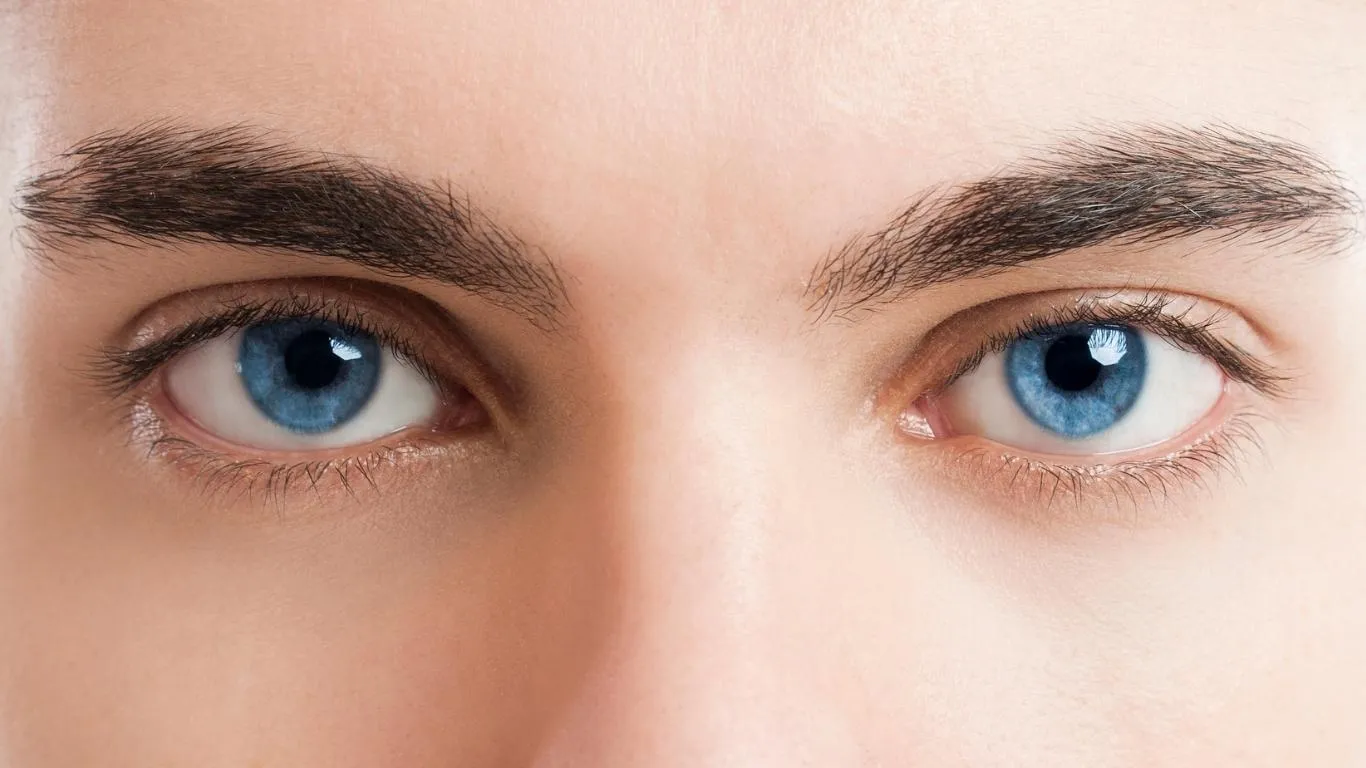
Here’s a little personal advice—never ignore sudden, dramatic changes in your floaters. I once had an episode where floaters appeared like a “snow globe effect” after a minor head bump. Thankfully, it was temporary, but it was a scary wake-up call.
Consider seeing an ophthalmologist if you notice:
- A sudden increase in floaters, especially if accompanied by light flashes.
- A dark shadow or curtain effect creeping into your vision.
- Floaters that come with peripheral vision loss.
Our in-depth guide on floaters that suddenly change can help you differentiate between benign floaters and warning signs of more serious issues like retinal detachment.
Practical Tricks I Use to Reduce Floater Distraction in Low Light
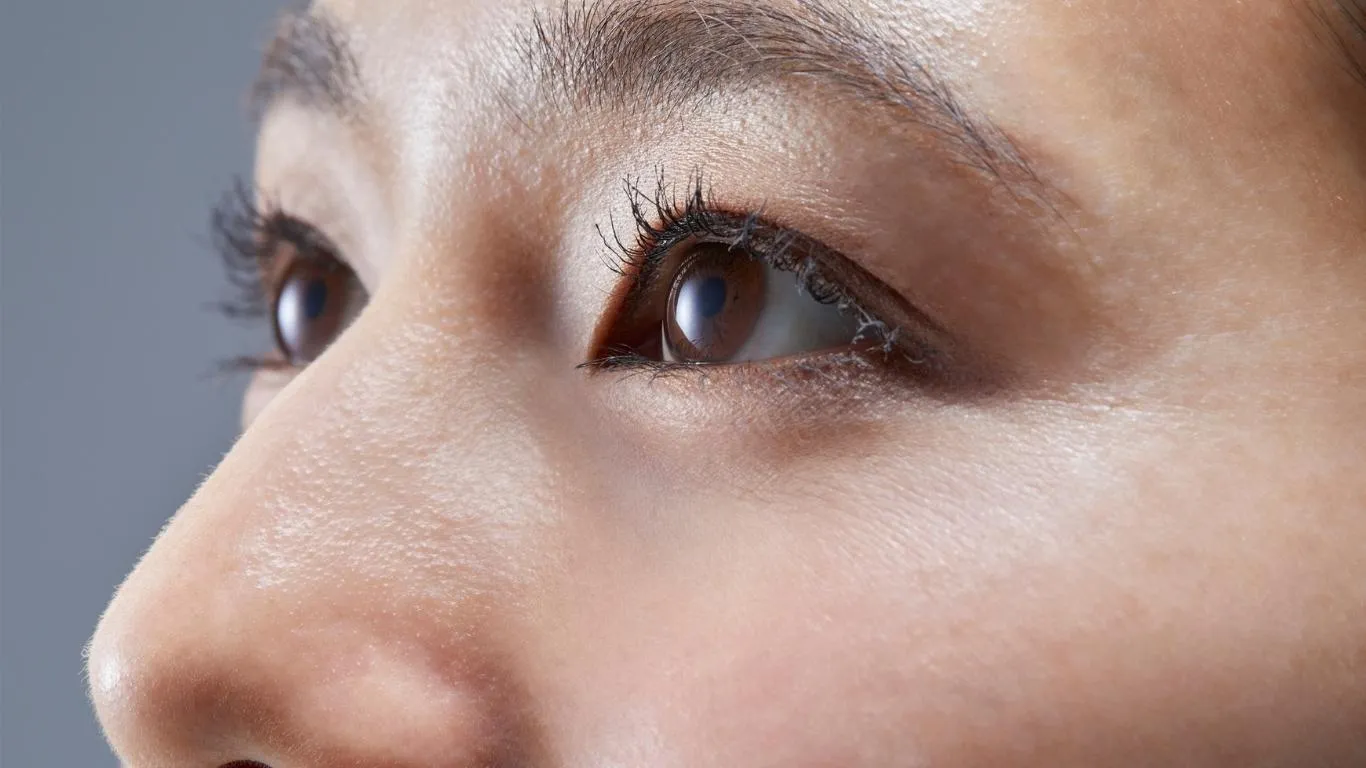
Over the years, I’ve picked up a few practical hacks that help me enjoy firefly watching without getting overwhelmed by floaters:
- Eye Movements: Small, quick shifts in gaze can move floaters out of your direct line of sight.
- Soft Focus Technique: Instead of sharply focusing on individual fireflies, soften your gaze and take in the entire scene. It helps reduce floater visibility.
- Warm Compress: Using a warm compress before heading out for nighttime activities can relax eye muscles and reduce strain-induced floater prominence.
I detailed more techniques in this article on how to manage changing floater patterns, which can be quite handy for outdoor enthusiasts.
Are There Long-term Treatments to Permanently Eliminate Floaters?
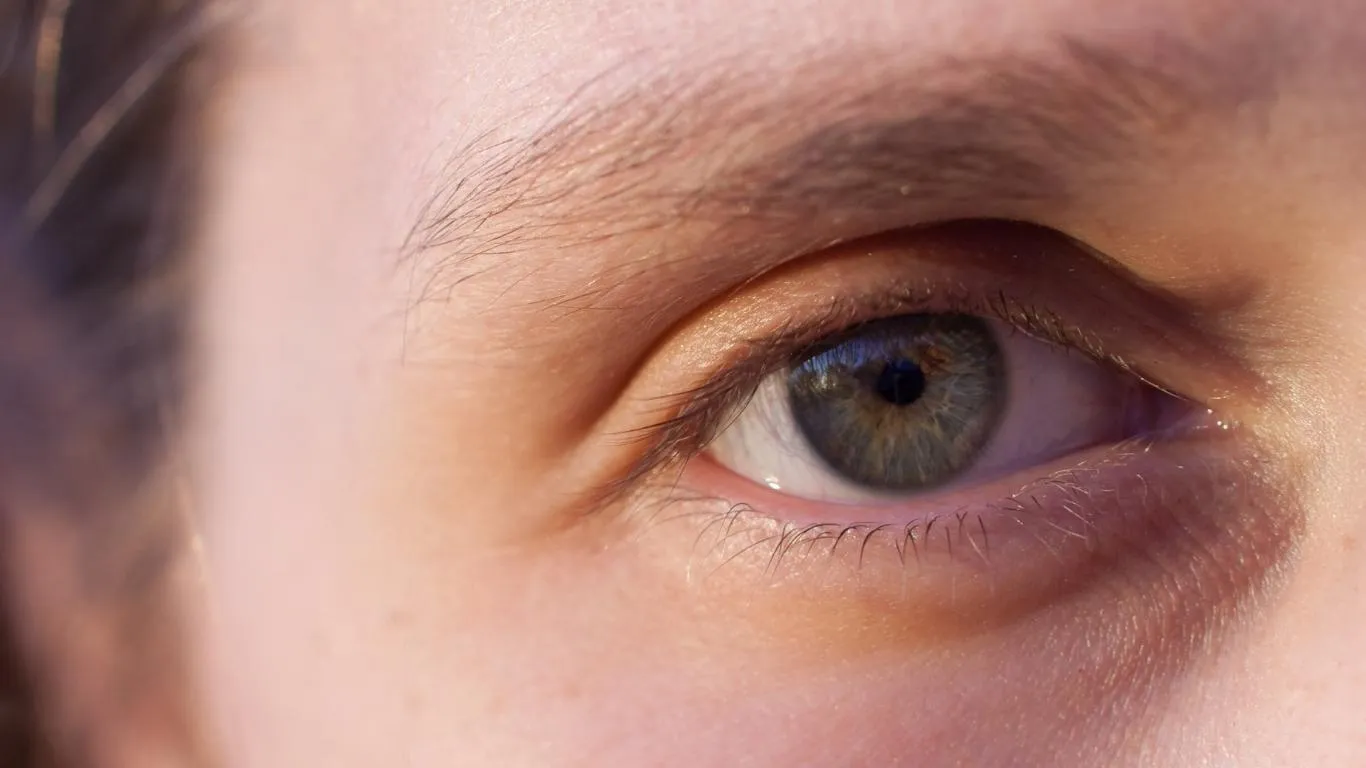
Now for the million-dollar question: Can you get rid of floaters permanently? The short answer is—it depends. For severe cases where floaters obstruct vision, treatments like laser vitreolysis or vitrectomy are considered. However, these procedures come with risks and aren’t recommended for everyone.
I personally opted for observation and lifestyle management, which has been effective enough. For a detailed comparison of treatment options, our article on eye floater treatments gives a balanced perspective.
And of course, if you want a full understanding of what floaters are and why they exist, don’t miss our main resource on eye floaters causes and treatments.

Camellia Wulansari is a dedicated Medical Assistant at a local clinic and a passionate health writer at Healthusias.com. With years of hands-on experience in patient care and a deep interest in preventive medicine, she bridges the gap between clinical knowledge and accessible health information. Camellia specializes in writing about digestive health, chronic conditions like GERD and hypertension, respiratory issues, and autoimmune diseases, aiming to empower readers with practical, easy-to-understand insights. When she’s not assisting patients or writing, you’ll find her enjoying quiet mornings with coffee and a medical journal in hand—or jamming to her favorite metal band, Lamb of God.