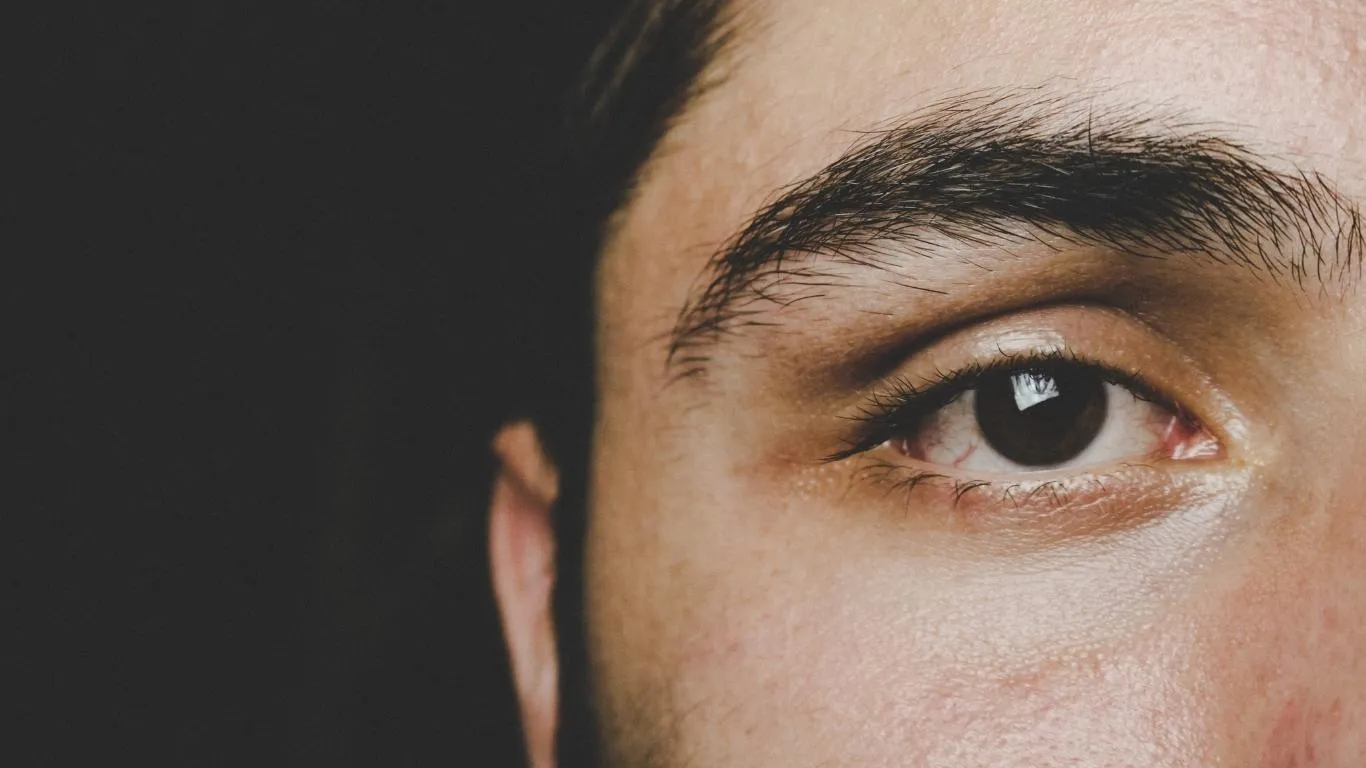
Why Floaters That Appear During Rainy Days Disrupt Vision
Rainy days used to be my favorite time to unwind, but lately, they’ve come with an unexpected companion — annoying little floaters that appear in my vision as soon as the sky turns grey. If you’ve ever noticed these tiny specks or squiggly lines floating across your eyes during rainy weather, you’re not alone. I used to brush it off, but as it became more frequent, I realized there’s a lot more behind these “rainy day floaters” than meets the eye.
Why Do Floaters Become More Noticeable on Rainy Days?
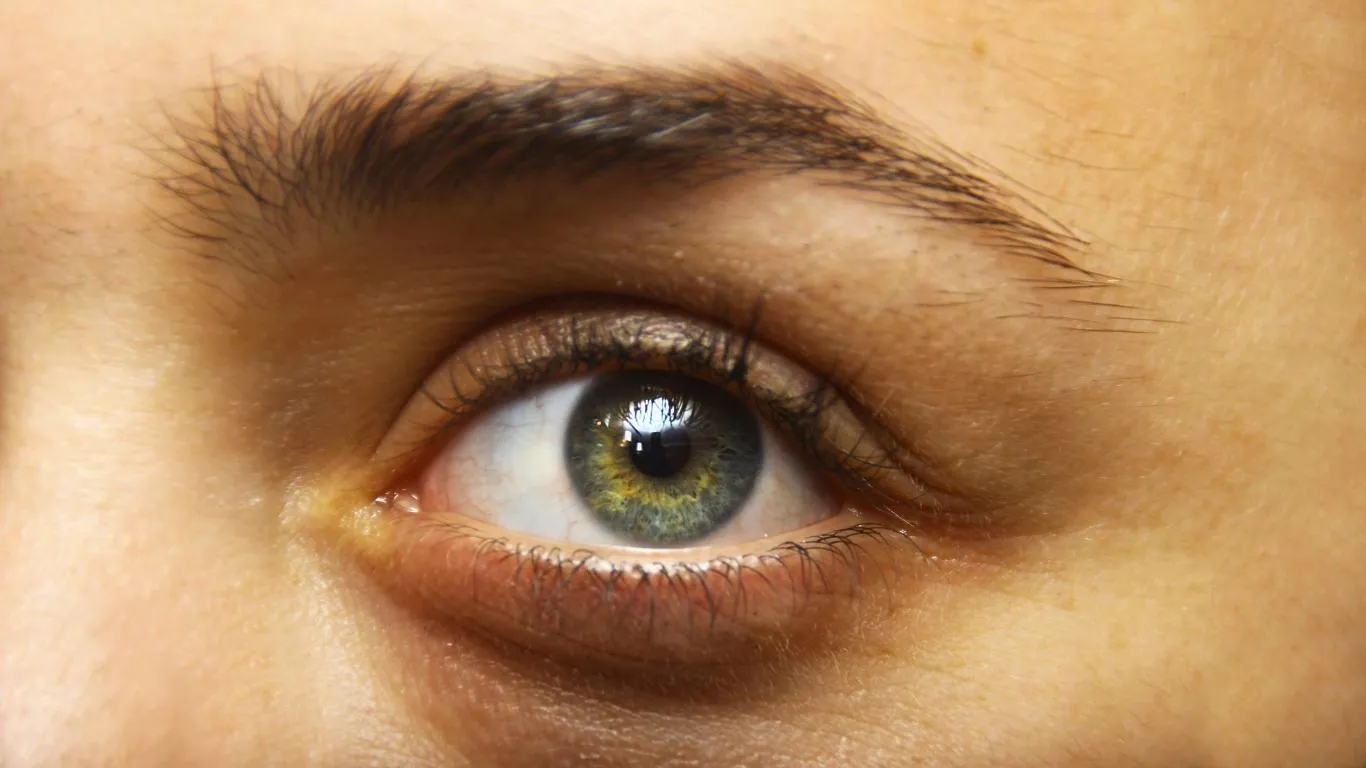
Ever wondered why those annoying floaters seem to pop up more during gloomy, rainy weather? The answer lies in the lighting conditions and how your eyes adjust to different levels of brightness. On overcast or rainy days, the diffused light reduces contrast in your environment. This makes the floaters stand out against the muted backdrop.
But it’s not just about lighting. I’ve noticed that on days when humidity is high, my eyes feel drier despite the moisture in the air. Dry eyes can actually make floaters more noticeable because the vitreous gel inside your eye becomes less stable, allowing floaters to shift more dramatically with eye movements.
The Role of Atmospheric Pressure Changes
Changes in atmospheric pressure that accompany storms and rainy weather can subtly impact intraocular pressure. While it’s not a direct cause, people with sensitive eyes might perceive their floaters more vividly during these shifts. According to the American Academy of Ophthalmology, pressure changes don’t damage the eye but can amplify visual disturbances like floaters.
Common Triggers for Rainy Day Floaters
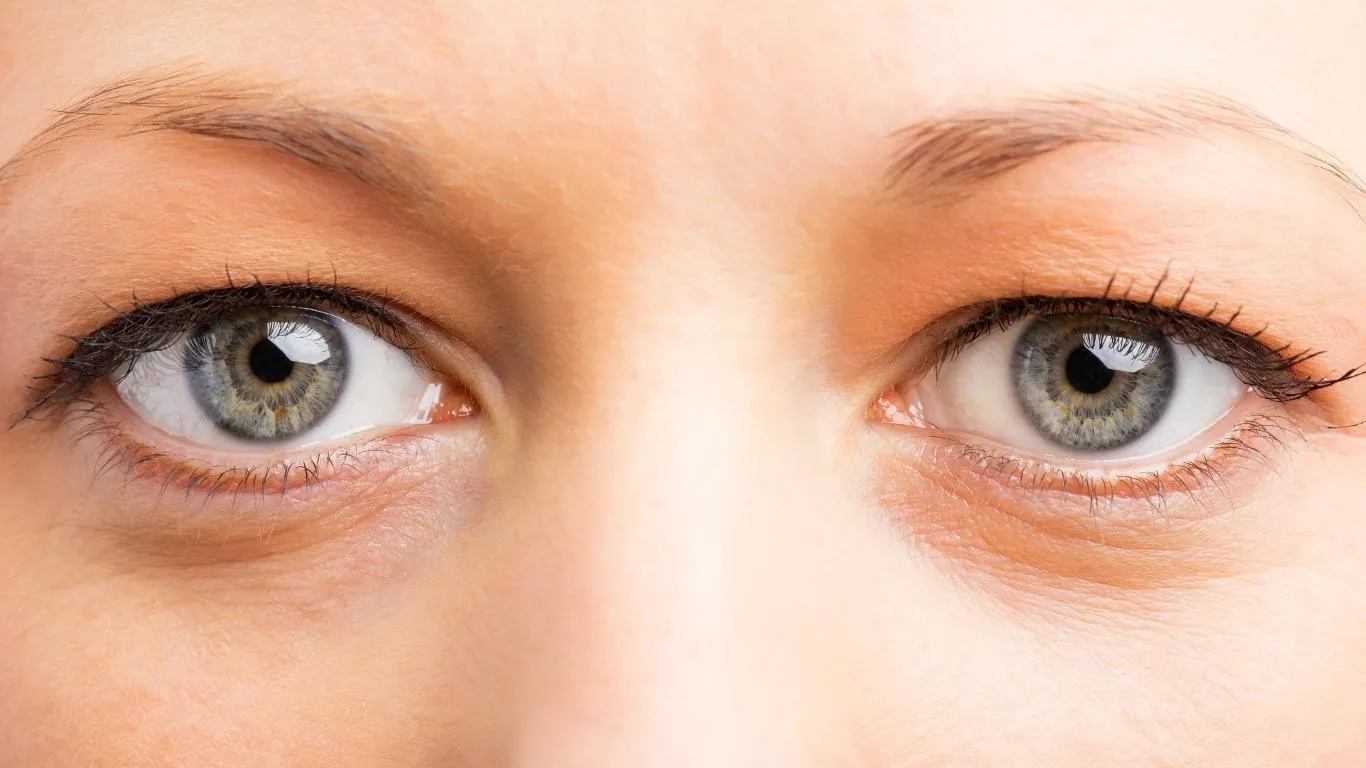
- Diffuse Lighting: The overcast sky reduces overall brightness, causing floaters to contrast more sharply.
- Humidity Fluctuations: Contrary to what you might think, external humidity can affect tear film stability, leading to dry eye sensations.
- Eye Fatigue: On dull days, our tendency to strain our eyes while focusing on screens indoors can make floaters appear worse.
- Dehydration: Rainy weather often makes us drink less water. Dehydration affects vitreous consistency, making floaters more mobile.
My Personal Experience with Screen Time and Rainy Day Floaters
I used to spend rainy afternoons binge-watching shows or working long hours on my laptop. But after a while, I noticed my floaters seemed to “dance” more aggressively across my vision during these sessions. Turns out, prolonged screen exposure in dim lighting is a prime trigger for floaters becoming more visible.
When Should You Be Concerned?
Most of the time, floaters that appear on rainy days are harmless, though annoying. However, if you suddenly notice a significant increase in floaters, flashes of light, or a curtain-like shadow in your vision, it could indicate a serious issue like a retinal tear or detachment. It’s crucial to recognize the difference between benign floaters and warning signs.
For a deeper understanding of when floaters become dangerous, I found this guide very helpful: When Are Eye Floaters Dangerous?
Are Rainy Day Floaters Related to Aging?
Aging plays a significant role in the appearance of floaters, regardless of the weather. As we age, the vitreous gel inside the eye begins to liquefy and shrink, causing clumps of collagen fibers to cast shadows on the retina. While age-related vitreous changes are natural, environmental factors like dim lighting on rainy days make these floaters more apparent.
Managing Floaters That Worsen During Rainy Days
While floaters can’t be entirely eliminated without surgical procedures, there are several ways to minimize their impact, especially during gloomy weather:
- Optimize Indoor Lighting: Use soft, diffused artificial lights to maintain balanced brightness indoors.
- Stay Hydrated: Don’t let rainy weather fool you into skipping water. Hydration keeps your vitreous gel healthier.
- Eye Exercises: Gentle eye movements can help shift floaters away from your central vision.
- Reduce Screen Time: Take regular breaks using the 20-20-20 rule — every 20 minutes, look at something 20 feet away for 20 seconds.
For more natural approaches, you can explore this article on Natural Ways to Manage Eye Floaters.
Professional Treatments for Persistent Floaters
If floaters begin to significantly interfere with your vision, treatments like laser vitreolysis or vitrectomy may be considered. But these procedures are typically reserved for severe cases. Learn more about treatment options from this comprehensive guide: Eye Floater Treatments.
Understanding the Full Picture of Floaters
Floaters are more than just a rainy day nuisance; they’re often a reflection of underlying eye health. While environmental factors like lighting and humidity make them more noticeable, the root cause usually lies within the vitreous changes occurring inside the eye. To fully grasp what floaters are, what causes them, and how to deal with them, I highly recommend reading the Main Eye Floaters Pillar Article.
Rainy Day Floaters: Can Lifestyle Factors Make Them Worse?
It wasn’t until I paid closer attention to my daily habits that I realized how much lifestyle influences how noticeable my floaters become, especially during gloomy, rainy days. Simple things like poor posture, lack of blinking while working on screens, or even my caffeine intake had a surprising effect on my vision clarity.
One mistake I used to make was assuming that since I wasn’t sweating, I didn’t need as much water. Dehydration, however, doesn’t care about the weather. Staying hydrated keeps the vitreous gel inside your eyes at a healthier consistency. I noticed my floaters were far less annoying when I maintained a steady intake of fluids throughout the day.
Stress and Fatigue: A Hidden Link to Floaters
Rainy days can often make us feel sluggish, which leads to extended periods of screen time and mental fatigue. What’s interesting is how stress and anxiety can worsen the perception of floaters. During high-stress moments, I’ve found my floaters not only more frequent but also more distracting.
Fatigue adds another layer to the problem. On days when I’m running on little sleep, my floaters seem to “float slower” and stay in my central vision longer. There’s an interesting read about the connection between sleep deprivation and floaters that dives deeper into this phenomenon.
Environmental Adjustments to Reduce Floaters on Rainy Days
Through trial and error, I’ve found that simple environmental tweaks can make a big difference. Here are a few adjustments I swear by:
- Ambient Lighting: I avoid working in dimly lit rooms during rainy days. Soft, ambient lighting reduces the contrast that makes floaters pop out.
- Humidity Control: Using a humidifier keeps my eyes from drying out, even when the outside air is saturated with moisture.
- Screen Filters: Blue light filters or screen protectors help lessen eye strain, which indirectly reduces floaters’ prominence.
- Mindful Eye Breaks: I take a moment every 30 minutes to close my eyes and gently roll them to shift floaters out of my central field of view.
For those battling floaters worsened by indoor lighting, this guide on bright lights and floaters offers actionable advice.
Can Nutrition Help Manage Rainy Day Floaters?
I used to underestimate the role of nutrition in eye health. After making small changes to my diet, I noticed subtle but meaningful improvements. Foods rich in lutein, zeaxanthin, and omega-3 fatty acids seem to enhance my overall visual comfort.
There’s an insightful article on dietary strategies for reducing floaters, which provides practical recommendations. My go-to snack now is a handful of walnuts, combined with leafy greens in my meals — a small change that brought visible results.
When Floaters Signal More Than Just Eye Changes
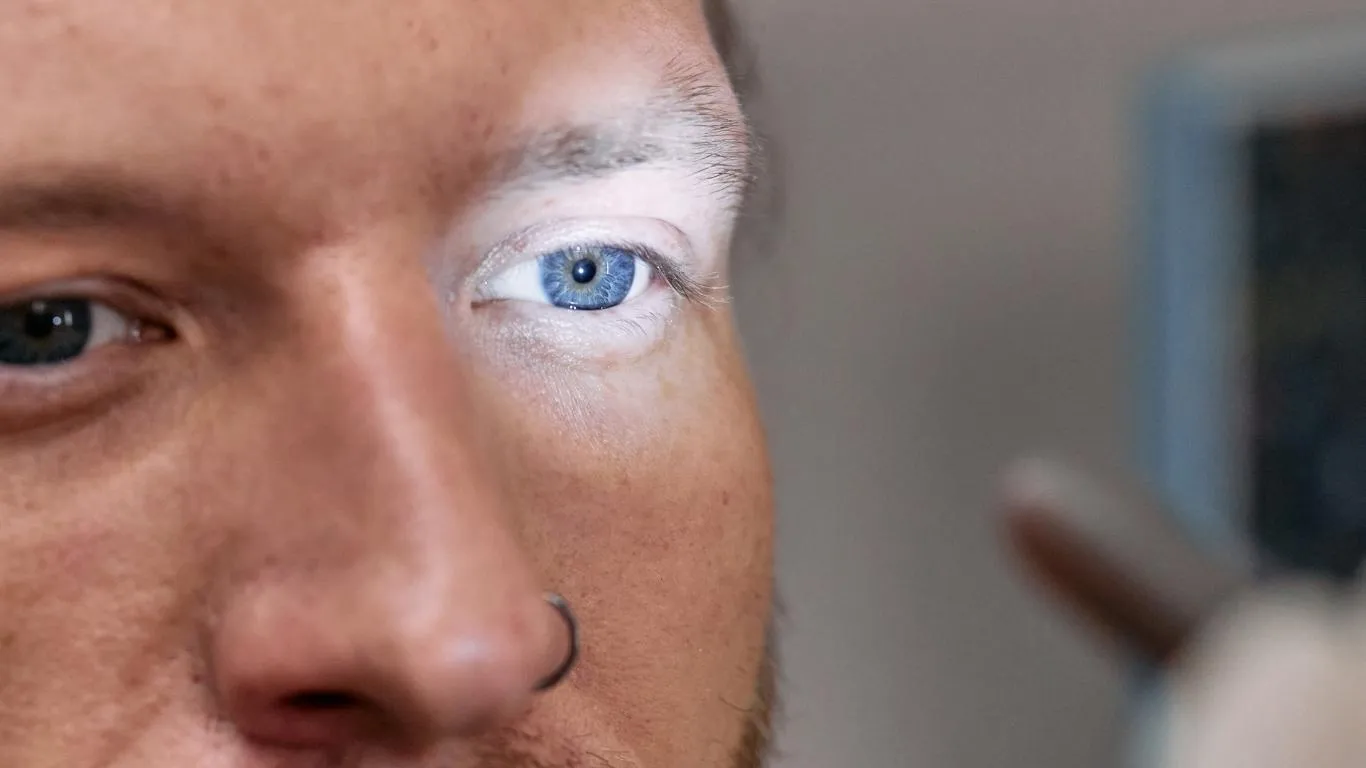
One of the things I learned the hard way is not to ignore sudden changes in floater patterns. Although floaters on rainy days are usually harmless, a sudden burst of new floaters or flashes of light could be a red flag. I had a scare when I noticed a “veil” effect in one eye — thankfully, it wasn’t a retinal detachment, but it was enough for me to never dismiss these signs again.
For those wanting a more comprehensive understanding of when floaters require immediate medical attention, this article on floaters and retinal tears is essential reading.
Can Floaters from Rainy Days Be Permanent?
Most floaters are persistent but benign. They might shift position or become less noticeable over time, but they rarely disappear completely. I’ve accepted that they’re part of my visual landscape, but by staying proactive with eye health, I’ve managed to keep them from dominating my vision.
Medical interventions are available, but they come with risks. Procedures like YAG laser vitreolysis and vitrectomy are discussed in-depth in this resource: Eye Floater Treatment Options.
Practical Daily Habits That Help
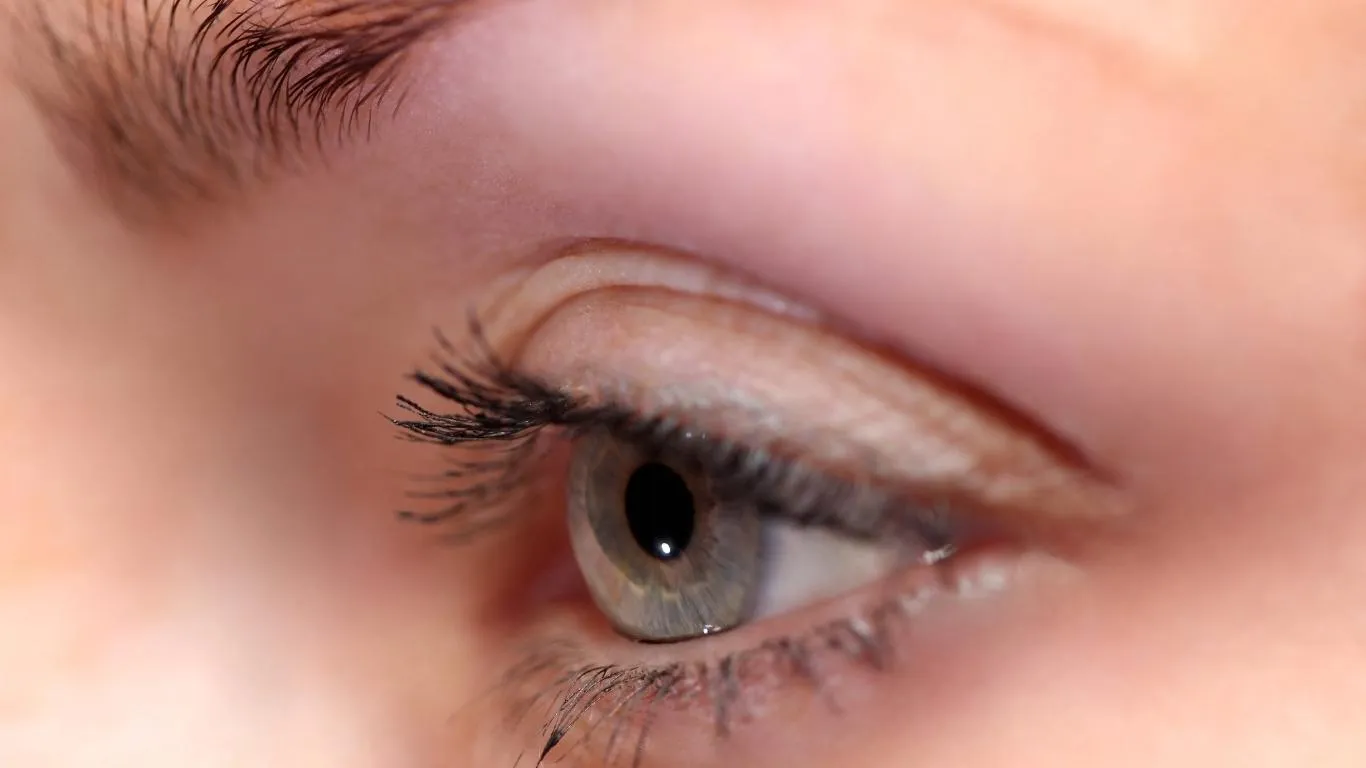
Over the past year, I’ve crafted a simple daily routine to keep my floaters in check, even on dreary, wet days:
- Hydrate consistently — I keep a water bottle by my desk to remind myself to sip throughout the day.
- Use eye drops for lubrication — Especially on days when my eyes feel dry despite the rain outside.
- Practice mindfulness — Reducing stress has made a noticeable difference in how prominent my floaters appear.
- Ensure balanced lighting — No more sitting in the dark with just a laptop screen illuminating the room.
- Maintain good posture — Neck and shoulder tension seems to aggravate my visual disturbances.
Understanding Floaters Beyond the Rain
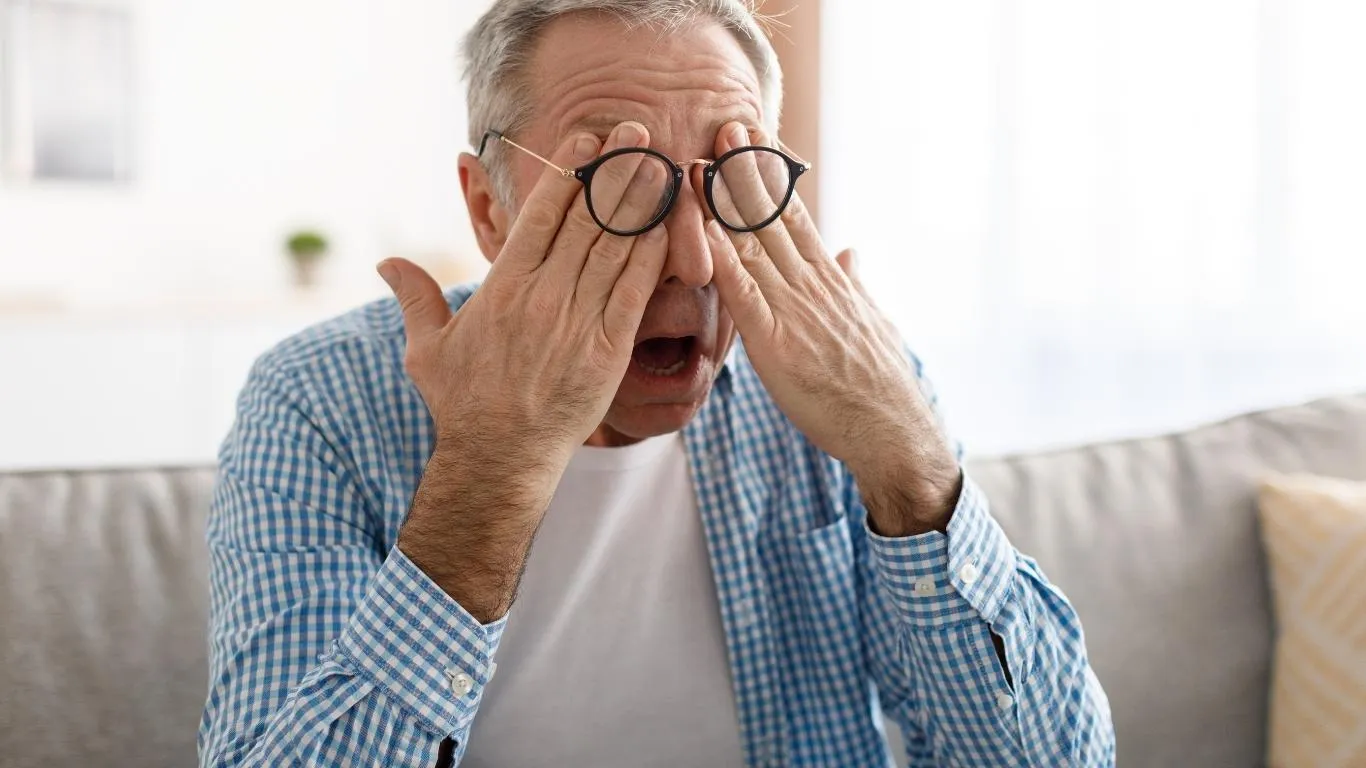
While rainy days might amplify their visibility, floaters are a common experience for many people regardless of weather. They’re a natural part of aging for most, though lifestyle factors, environmental settings, and underlying health conditions can influence their severity.
For a deep dive into how floaters differ from other eye issues and when to seek professional advice, check out this helpful guide: Eye Floaters vs Other Eye Problems. It’s an eye-opener (pun intended) that can help you differentiate floaters from other potential vision concerns.
And if you’re looking for a comprehensive overview of floaters, from causes to treatment strategies, the main pillar article on eye floaters is a must-read to build a full understanding.

Camellia Wulansari is a dedicated Medical Assistant at a local clinic and a passionate health writer at Healthusias.com. With years of hands-on experience in patient care and a deep interest in preventive medicine, she bridges the gap between clinical knowledge and accessible health information. Camellia specializes in writing about digestive health, chronic conditions like GERD and hypertension, respiratory issues, and autoimmune diseases, aiming to empower readers with practical, easy-to-understand insights. When she’s not assisting patients or writing, you’ll find her enjoying quiet mornings with coffee and a medical journal in hand—or jamming to her favorite metal band, Lamb of God.