How Poor Air Quality Can Make Eye Floaters Worse and What Helps
Last month, I was out for a walk on a seemingly clear afternoon when suddenly, tiny floating specs danced across my vision. It wasn’t the first time I’d noticed these annoyances, but this time felt different. The air was heavy, almost suffocating, and it hit me—could the air quality really be triggering these floaters? Turns out, I wasn’t alone. Many of us experience a sudden increase in eye floaters during days when the air feels thick with pollution or allergens. So, what’s the deal with floaters and air quality?
How Air Quality Impacts Eye Health
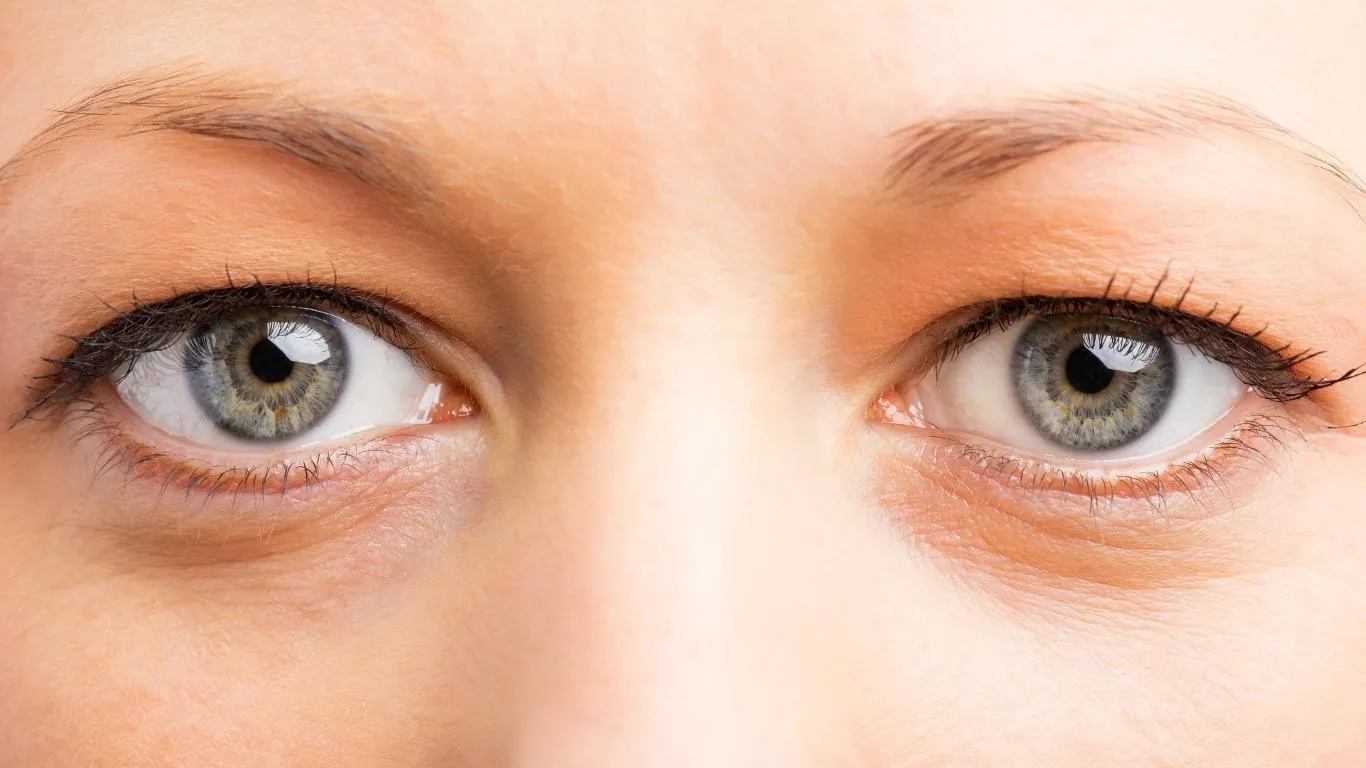
We often hear about how poor air quality affects our lungs and heart, but the eyes? Not so much. Yet, our eyes are one of the most exposed and vulnerable parts of our body. Microscopic particles in polluted air — known as PM2.5 — can irritate the surface of the eye, dry out the tear film, and cause visual disturbances like floaters to become more noticeable.
On days with high pollution levels, I notice my eyes feel gritty, almost as if I’ve been staring into a dusty attic. These are the same days my floaters seem to party all over my field of vision. Coincidence? Not likely. Airborne irritants such as smoke, pollen, and industrial emissions can exacerbate vitreous degeneration — the jelly-like substance in your eyes that breaks down over time and forms floaters.
Floaters and Environmental Triggers: What You Need to Know
1. The Role of Allergens and Pollutants
If you’ve ever wondered why floaters feel worse during allergy season, you’re not imagining things. Allergens trigger inflammation not just in nasal passages but also in ocular tissues. When the eye’s delicate structures swell, the vitreous humor can shift, making floaters more prominent.
Pollutants like ozone and nitrogen dioxide can degrade the protective mucous layer of the eye, leading to chronic irritation and dry eye syndrome. According to American Academy of Ophthalmology, dry eyes are more prone to disturbances that make floaters more visible, especially under bright or hazy conditions.
2. Air Quality and Vitreous Syneresis
Vitreous syneresis is a fancy term for the natural breakdown of the eye’s gel-like center. While aging is a primary factor, environmental stressors like oxidative pollutants can accelerate this process. Essentially, dirty air speeds up the wear and tear inside your eyes.
- Increased oxidative stress leads to faster collagen clumping.
- Inflammatory reactions degrade vitreous clarity.
- Airborne particles cause chronic micro-irritations.
For a deeper dive into how oxidative damage impacts floaters, I found this article incredibly insightful: Age-Related Vitreous Changes and Eye Floaters.
Why Floaters Seem Worse Indoors After Air Quality Alerts

It’s not just outdoor air that’s to blame. After a smoggy day, indoor air can trap lingering pollutants, making floaters even more noticeable when you’re inside. Ever noticed how floaters pop out more when staring at a white wall or a computer screen? Poor indoor ventilation worsens this by keeping airborne particles circulating in your personal space.
There’s a fascinating phenomenon where floaters appear more when you switch from dark to bright environments—a common complaint after spending time in poorly ventilated, low-light rooms. You can read more on this topic here: Floaters When Moving Between Dark Rooms.
My Go-To Remedies for Air Quality-Induced Floaters
- Hydration, Hydration, Hydration — Keeping your body hydrated helps maintain a healthy tear film, which acts as a barrier against pollutants.
- Use an Air Purifier — Especially in rooms where you spend long hours. It’s not a cure, but reducing indoor airborne irritants makes a noticeable difference in floater intensity.
- Lubricating Eye Drops — Opt for preservative-free artificial tears. It provides instant relief and reduces the optical disturbances that make floaters stand out.
While these tips offer symptomatic relief, it’s essential to understand when floaters might signal something more serious. I recommend checking out this comprehensive guide on When Eye Floaters Are a Warning Sign.
When to Be Concerned: Air Quality Floaters vs Retinal Issues

Most air quality-triggered floaters are harmless, albeit annoying. However, if you notice a sudden shower of floaters accompanied by flashes of light or peripheral vision loss, it’s time to see an ophthalmologist immediately. This could indicate retinal tears or detachment, conditions that require urgent attention.
Interestingly, lifestyle factors like dehydration and excessive screen time can worsen this susceptibility. An in-depth look into this connection can be found in this article on dehydration and floaters.
For a more rounded understanding of floaters, causes, and treatment options, you might find the main guide helpful: What Are Eye Floaters? Causes, Symptoms, and Treatments.
Managing Floaters Triggered by Air Quality Changes
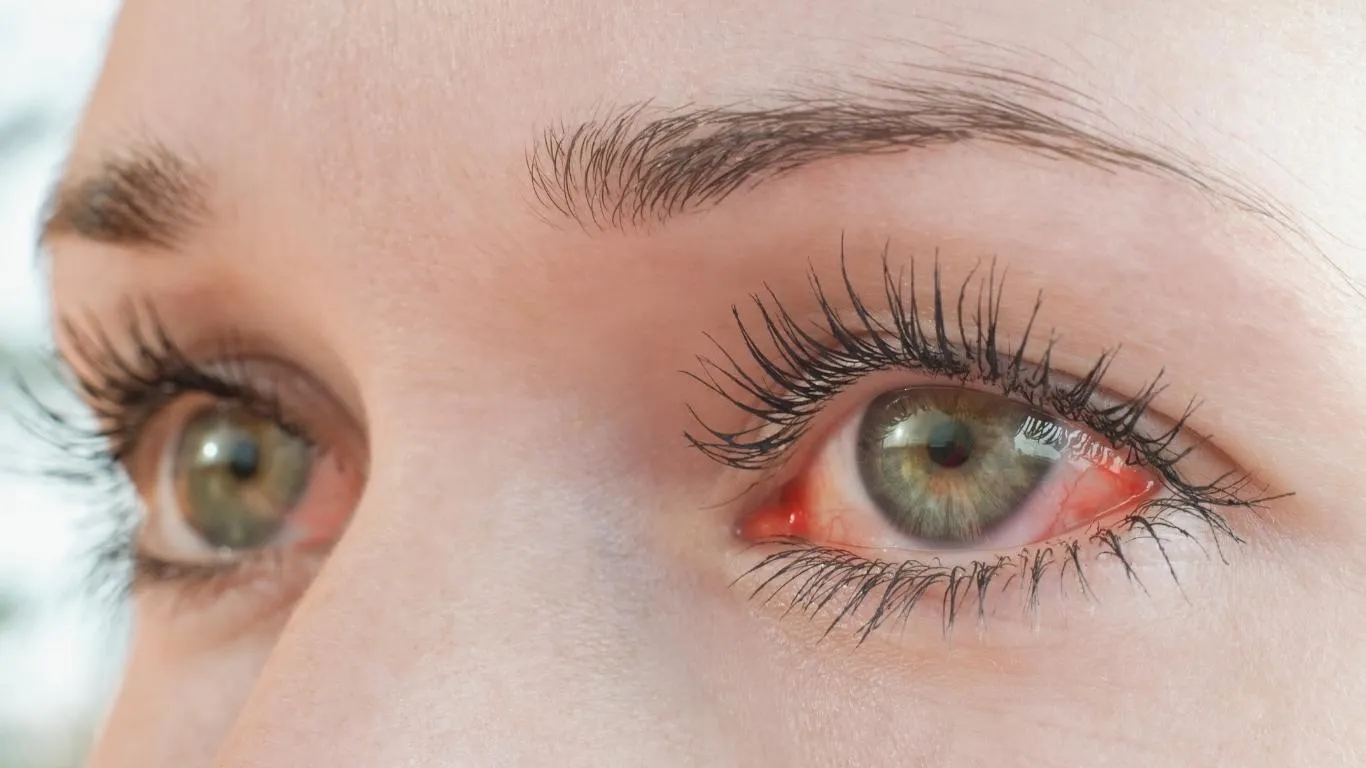
Ever had one of those days where your floaters are so intrusive, they hijack your focus? For me, it’s usually after a weekend of bad air quality alerts. While we can’t live in a bubble, there are practical ways to minimize the impact of air quality on your floaters without turning life upside down.
1. Control Your Indoor Environment
After installing an air purifier in my home office, the difference was immediate. Cleaner indoor air not only helped with my allergies but also reduced that persistent “haze” of floaters that would creep in during long screen sessions. Simple tweaks like keeping windows closed during high pollution days and running HEPA filters can drastically cut down airborne irritants.
2. Smart Outdoor Habits
- Plan Your Day — Apps like AirVisual help me avoid stepping out during peak pollution hours.
- Protective Eyewear — On windy days, I wear wraparound sunglasses to minimize direct exposure to airborne particles.
- Hydration-on-the-go — A reusable water bottle is my floaters’ best friend when I’m out and about.
These simple strategies don’t eliminate floaters, but they prevent flare-ups, especially during seasonal transitions when air quality tends to fluctuate wildly.
The Link Between Screen Time, Air Quality, and Floaters
One thing I’ve noticed is how much worse floaters get after long stretches of screen time, particularly when the air is thick with pollutants. Screens strain the eyes, reducing blink rates, which leads to dryness. Combine that with microscopic irritants floating in the air, and you have a recipe for floaters that won’t quit.
Interestingly, researchers have found that extended visual tasks under poor indoor air conditions intensify floaters’ visibility due to decreased tear film stability. You can learn more about how screen habits and air environments interact in this article.
How I Combat Screen-Induced Floaters
- Follow the 20-20-20 Rule — Every 20 minutes, I look at something 20 feet away for 20 seconds. It’s a small habit but helps immensely.
- Use Humidifiers — Especially during dry months, humidifiers help maintain eye moisture levels, which reduces floater visibility.
- Anti-glare and Blue Light Filters — These filters reduce eye strain and seem to indirectly ease floaters’ intrusion during long work sessions.
Air Quality Floaters: When You Should See a Doctor
While floaters are usually harmless, changes triggered by air quality can sometimes mask more serious eye conditions. If you notice any of the following, it’s not something to brush off:
- A sudden “shower” of floaters appearing at once
- Flashes of light in your peripheral vision
- Dark shadows or curtains obscuring parts of your sight
These could be early warning signs of retinal detachment or vitreous hemorrhage. There’s an excellent resource that dives into the differences between harmless floaters and alarming symptoms: Eye Floaters vs Other Eye Problems.
Can Lifestyle Changes Really Reduce Air Quality-Induced Floaters?
Over the years, I’ve experimented with various lifestyle tweaks to reduce the frequency and severity of floaters, especially during bad air days. Some worked; others were a bust. But a few habits stood out:
- Staying Well-Hydrated — I noticed a significant drop in floater visibility after upping my daily water intake.
- Omega-3 Supplements — Not a miracle cure, but they do seem to improve overall eye comfort during pollution spikes.
- Indoor Plants — Certain plants like spider plants and peace lilies are known for their air-purifying properties. Plus, they add a calming green vibe to any space.
There’s a growing conversation around how natural interventions can support vitreous health. You might find this article useful: Best Supplements for Eye Floaters.
Pro Tips to Stay Ahead of Air Quality Floaters
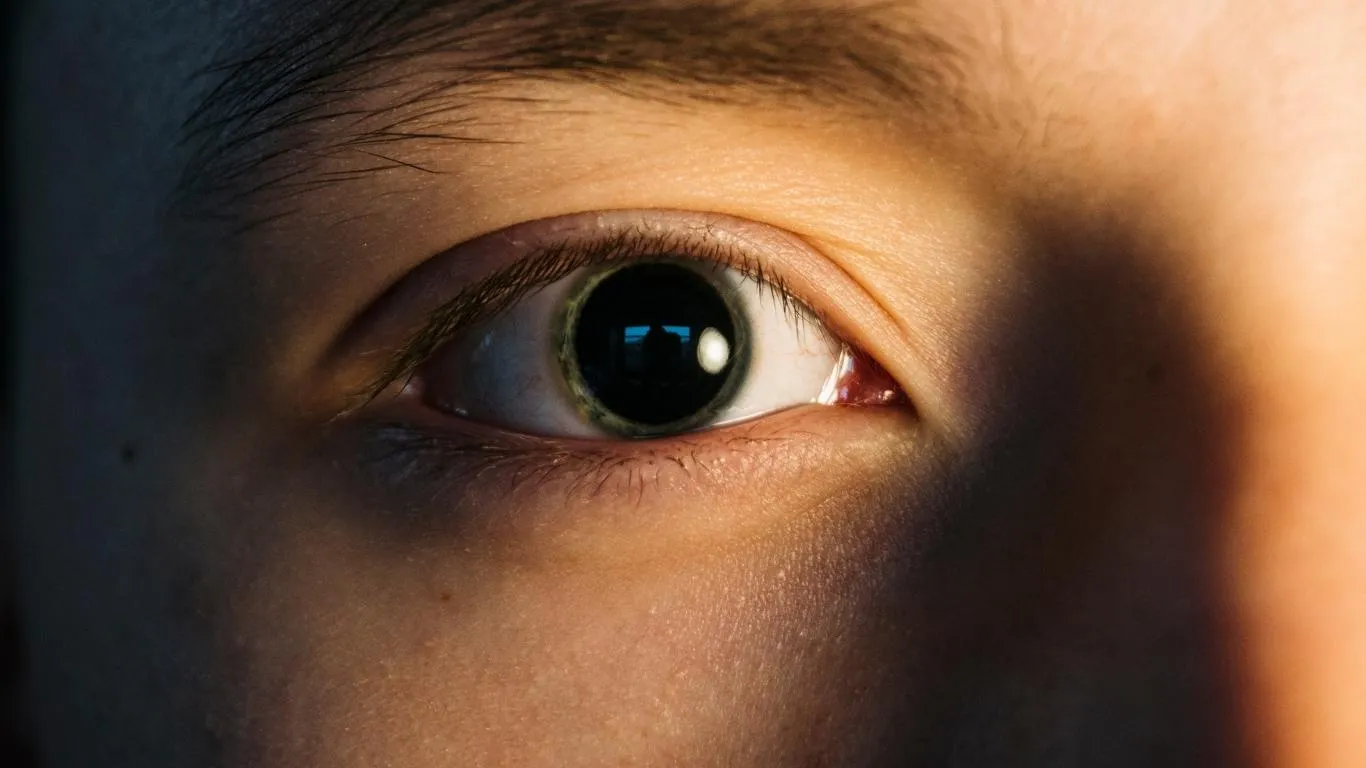
Through trial and error, I’ve gathered a few hacks that genuinely help keep floaters manageable when the air outside isn’t cooperating:
- Monitor Air Quality Levels Religiously — Set alerts for AQI levels on your phone. If it’s a high-pollution day, plan accordingly.
- Opt for Anti-Fatigue Lenses — Especially if you’re desk-bound, these lenses reduce strain and help prevent that glassy-eye feeling that makes floaters more distracting.
- Take Regular Outdoor Breaks in Cleaner Environments — A stroll in a greener, less congested park can work wonders for your eyes and mind alike.
Interestingly, one overlooked trigger is poor hydration coupled with hot weather and pollution, which can aggravate floaters instantly. This article explains how dehydration exacerbates floaters in such scenarios: Floaters and Dehydration.
Don’t Panic, But Don’t Ignore Air Quality Floaters Either
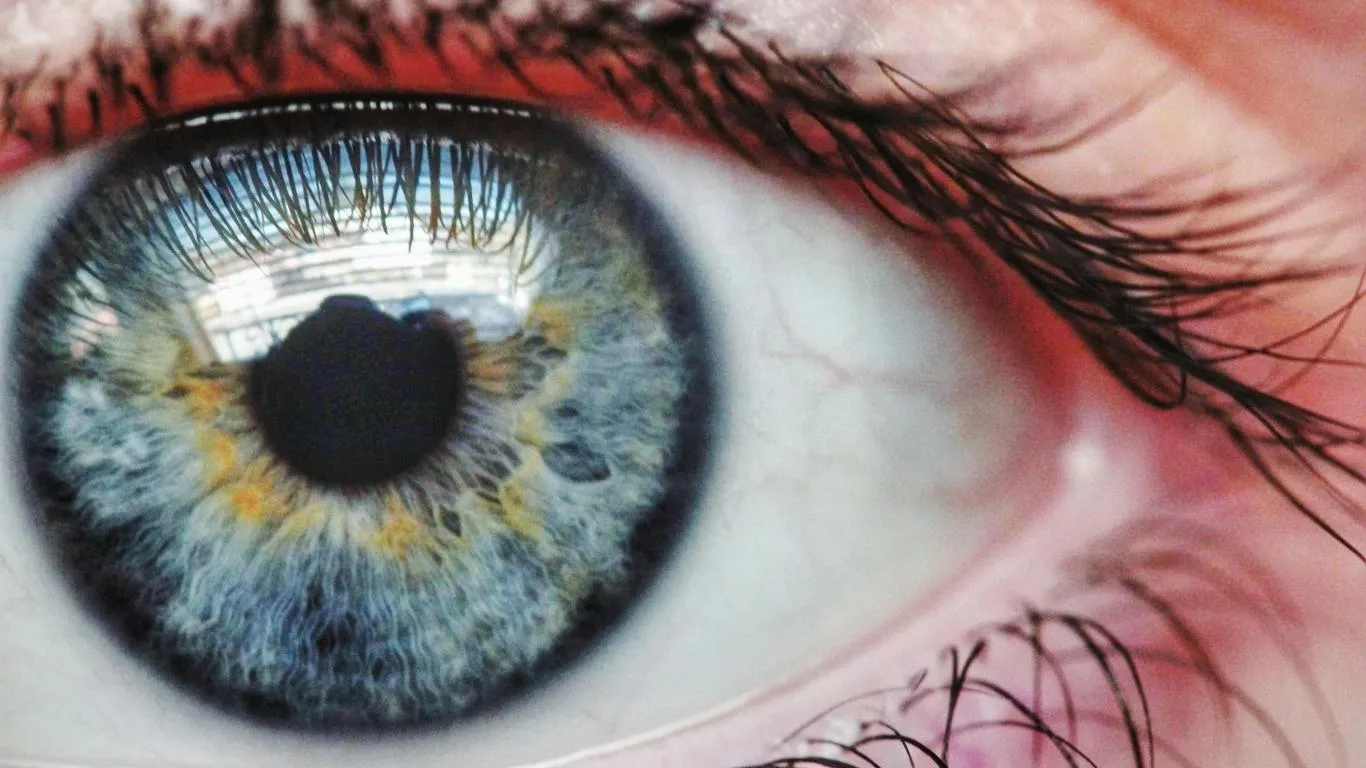
Floaters triggered by air quality changes are more common than we think, especially as urban pollution levels continue to rise. The key is being aware of how environmental factors affect your vision and taking proactive steps to manage them.
If you’re experiencing new or worsening floaters, especially after poor air quality events, it’s worth learning about the broader causes and treatments available. Check out this comprehensive guide that covers everything from causes to treatment options: Eye Floaters: Causes, Symptoms, and Treatment.

Camellia Wulansari is a dedicated Medical Assistant at a local clinic and a passionate health writer at Healthusias.com. With years of hands-on experience in patient care and a deep interest in preventive medicine, she bridges the gap between clinical knowledge and accessible health information. Camellia specializes in writing about digestive health, chronic conditions like GERD and hypertension, respiratory issues, and autoimmune diseases, aiming to empower readers with practical, easy-to-understand insights. When she’s not assisting patients or writing, you’ll find her enjoying quiet mornings with coffee and a medical journal in hand—or jamming to her favorite metal band, Lamb of God.