Why Floaters Become Visible After Hugging Someone Tightly
Ever hugged someone tightly and noticed weird specks or threads floating in your vision right after? You’re not imagining it—this is a surprisingly common experience. As someone who has dealt with eye floaters for years, I can tell you it’s one of those “wait, is this normal?” moments that most people shrug off. But should we? Let’s dive into why floaters become visible after hugging someone tightly and what your eyes might be trying to tell you.
Why Do Floaters Appear After a Tight Hug?
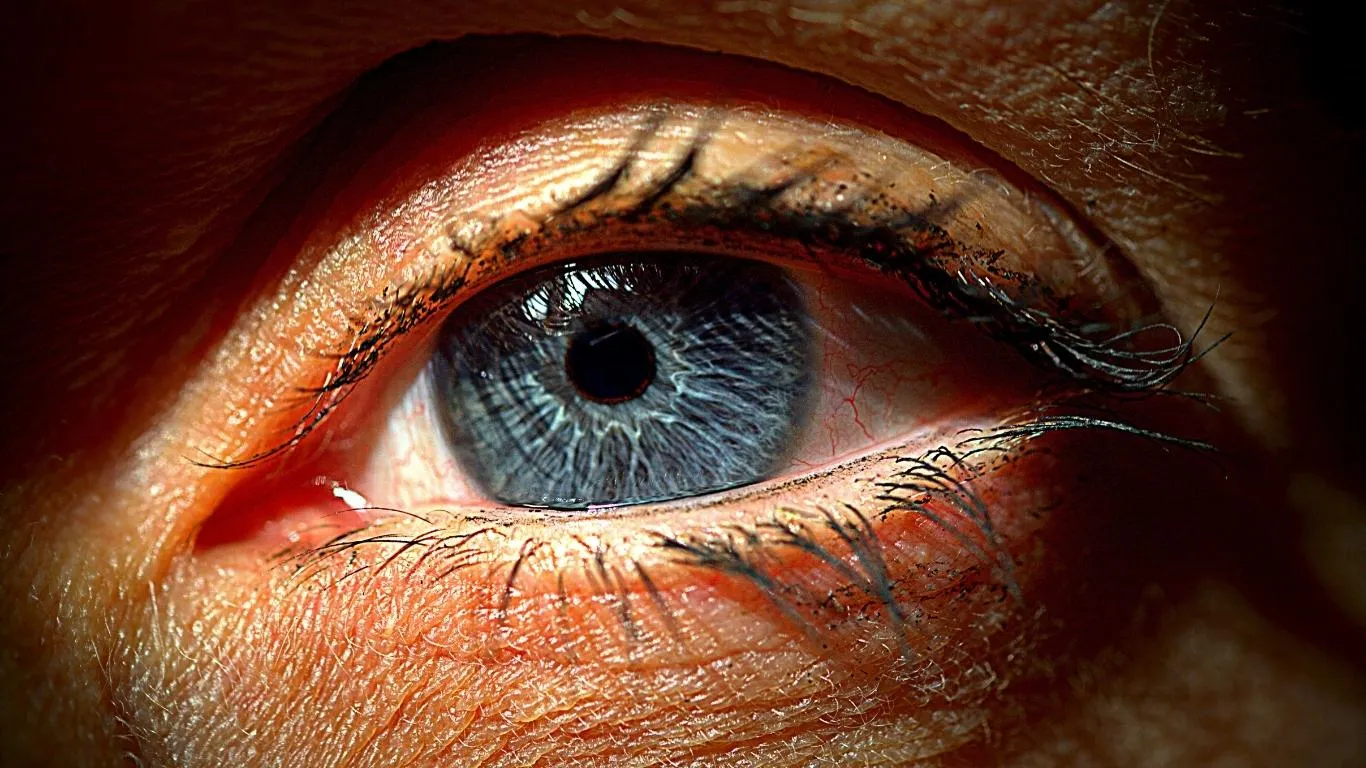
When you embrace someone in a tight hug, there’s often a slight increase in pressure around your chest, neck, and even your head. This can temporarily affect blood flow and intraocular pressure in your eyes, making floaters—those squiggly lines or shadowy dots—more noticeable. It’s not that new floaters suddenly form; rather, existing ones become more pronounced against certain backgrounds or lighting.
Based on my personal experiences, I’ve noticed that floaters become glaringly obvious after any kind of physical strain or tension, like lifting weights or even laughing hard. Hugging someone tightly works the same way. The shift in your body’s circulation and subtle pressure changes around your eyes highlight these tiny particles floating in your vitreous humor.
The Science Behind Floaters and Physical Pressure
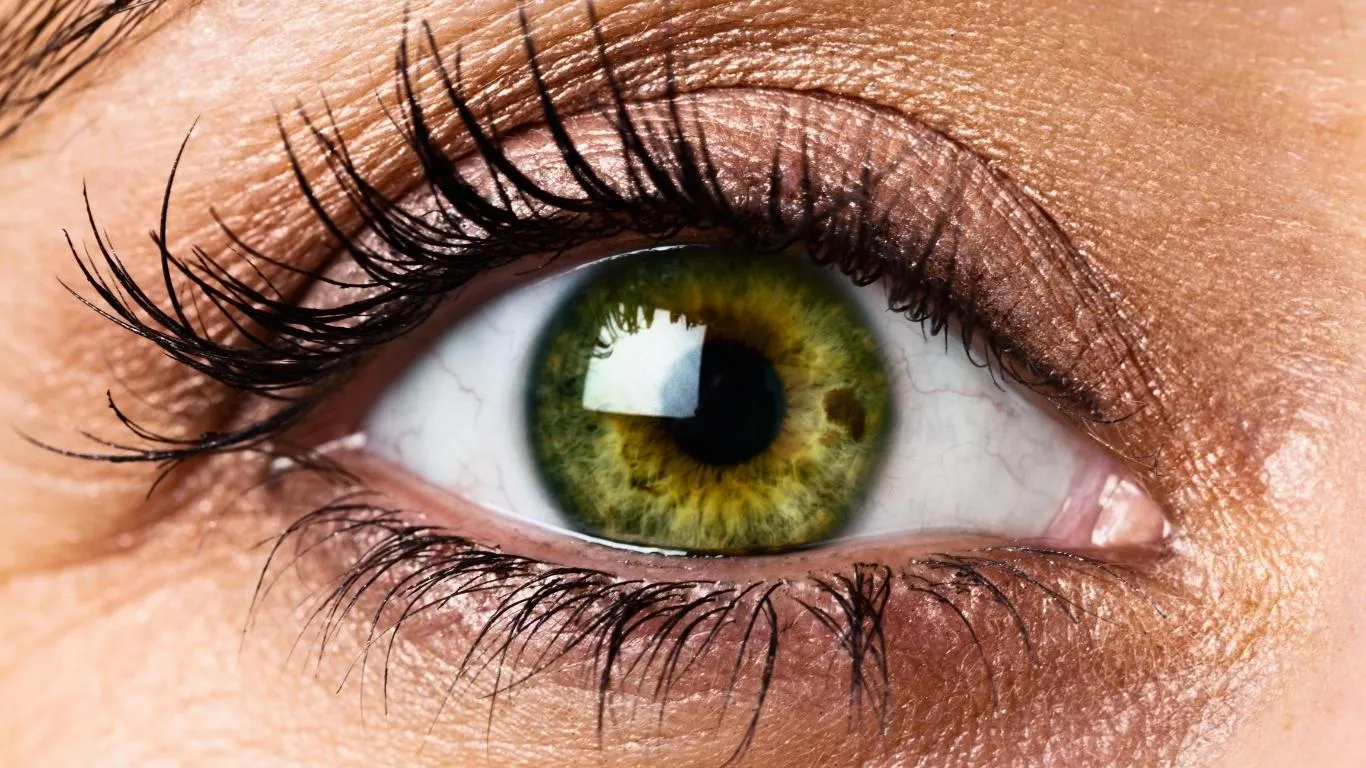
Eye floaters are small clumps of collagen or cells that drift within the vitreous gel inside your eyes. When light enters the eye, these particles cast shadows on the retina, creating those visible specks. According to American Academy of Ophthalmology, they are common as we age, but certain actions can bring them to the forefront of your vision—even temporarily.
How Physical Actions Like Hugging Amplify Floaters
- Increased Intraocular Pressure (IOP): Physical pressure around the chest or head can momentarily spike IOP, making floaters appear sharper.
- Changes in Blood Flow: Hugging tightly can slightly alter blood flow to the eyes, especially if you hold your breath or tense up during the embrace.
- Background Contrast: After a hug, when you look at a bright wall or the sky, the contrast makes floaters pop out more.
It’s fascinating—and mildly annoying—how simple body mechanics can suddenly make you hyper-aware of your vitreous floaters. If you’re curious, I found more on how actions like anxiety episodes can amplify floaters similarly.
When Should You Be Concerned?
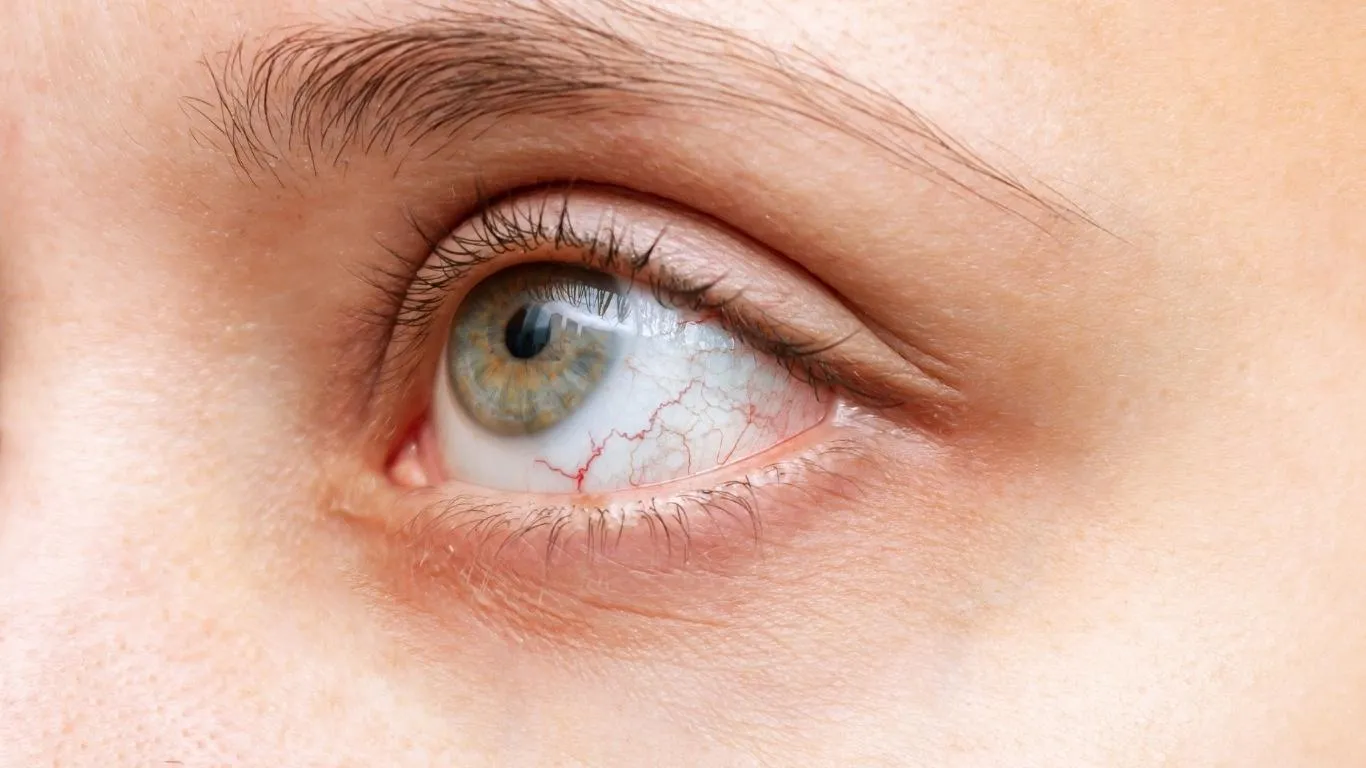
While floaters after a tight hug are typically harmless, it’s crucial to recognize warning signs that suggest something more serious. If your floaters are accompanied by:
- Sudden flashes of light
- A curtain-like shadow across your vision
- Sharp eye pain or a noticeable increase in floaters after physical exertion
These symptoms might indicate a retinal tear or detachment. This isn’t something to mess around with. It’s always a good idea to know when floaters are a dangerous sign.
Common Scenarios That Trigger Floaters Visibility
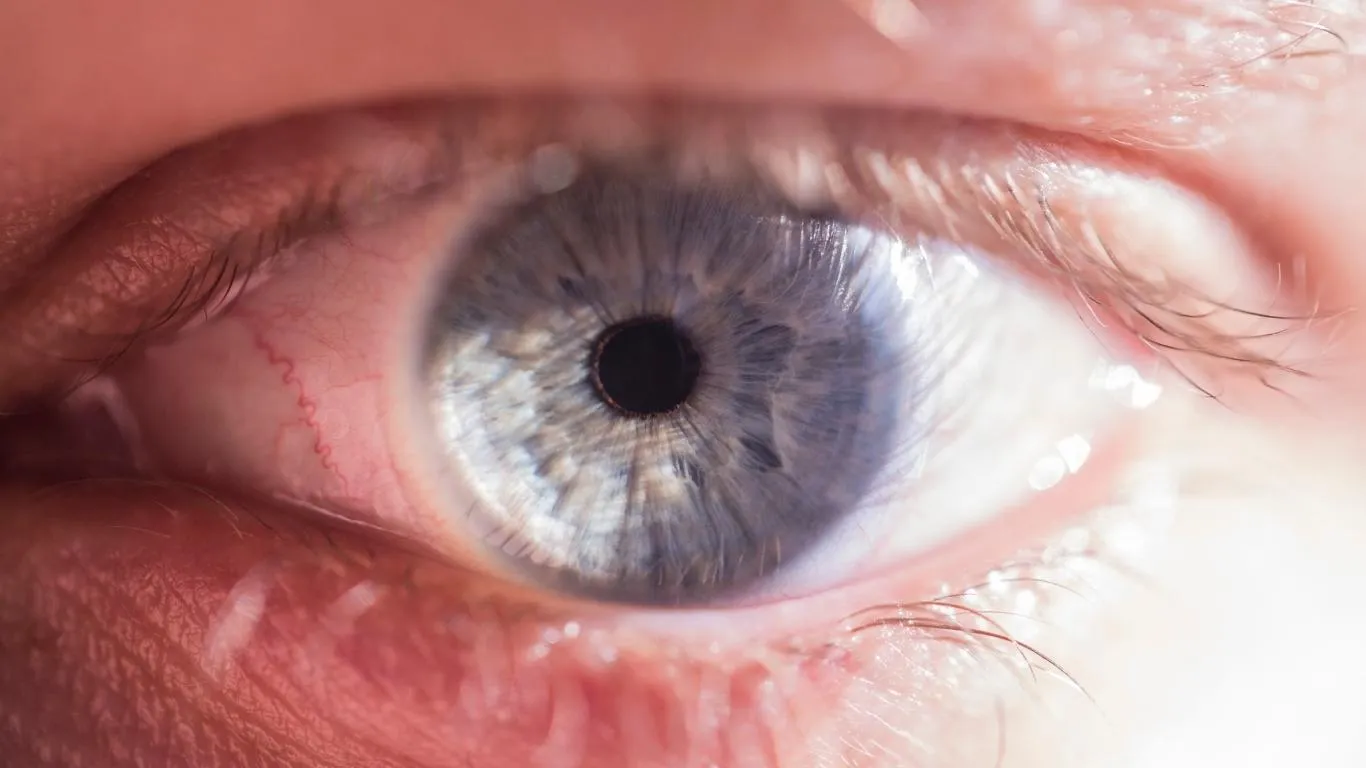
Floaters love to make cameo appearances during certain everyday activities. Hugging is just one of them. Here are a few more situations where they might suddenly “appear out of nowhere”:
- After sneezing or coughing intensely
- When bending over or standing up quickly
- During strenuous exercise or yoga inversions
- Looking at a bright computer screen or white ceiling
There’s a solid explanation for each of these moments. Most involve a shift in posture, pressure, or light conditions that temporarily accentuate existing floaters. For instance, I often notice them after intense screen time. Here’s a solid breakdown on how screen exposure can worsen floaters.
Are Floaters After a Hug a Sign of an Underlying Condition?
Not necessarily. For most healthy individuals, these visual disturbances are benign. However, if you’re over 40 or have predisposing conditions like high myopia, you might be at a slightly elevated risk. It’s essential to understand the common causes of eye floaters to know when they’re normal and when they need a doctor’s attention.
On a personal note, I once panicked when my floaters increased dramatically after hugging a friend post-workout. Turned out, it was just a mix of exertion and dehydration exaggerating the floaters temporarily. Speaking of which, hydration plays a big role. Learn more about how dehydration can make floaters worse.
Practical Tips to Minimize Floaters’ Visibility After Physical Contact
If floaters are bugging you post-hug, here are some practical tricks I swear by:
- Shift Your Gaze: Move your eyes slowly in circular motions. This can help floaters drift out of your central vision.
- Hydrate: Keeping your body well-hydrated helps maintain vitreous consistency, potentially reducing floater prominence.
- Adjust Lighting: Dim lighting can lessen floater visibility. Avoid staring at stark white backgrounds immediately after a hug.
- Relax Your Neck and Shoulders: Tension in these areas can influence blood flow to the eyes. Gentle stretches post-hug help!
Floaters may never fully go away, but they don’t have to dominate your vision. There are even medical treatments available for persistent floaters if they interfere with daily life.
For a more comprehensive understanding of what floaters are, their root causes, and when to seek help, be sure to check out this in-depth guide on eye floaters.
So, you’ve noticed floaters after a tight hug—you’re not alone. In Part 1, we explored why this happens and when you should be concerned. But what if these annoying specks start lingering longer, or even getting worse? Let’s talk about what you can actually do about it and how to manage floaters when they refuse to fade into the background.
Can Floaters After Physical Pressure Become Permanent?
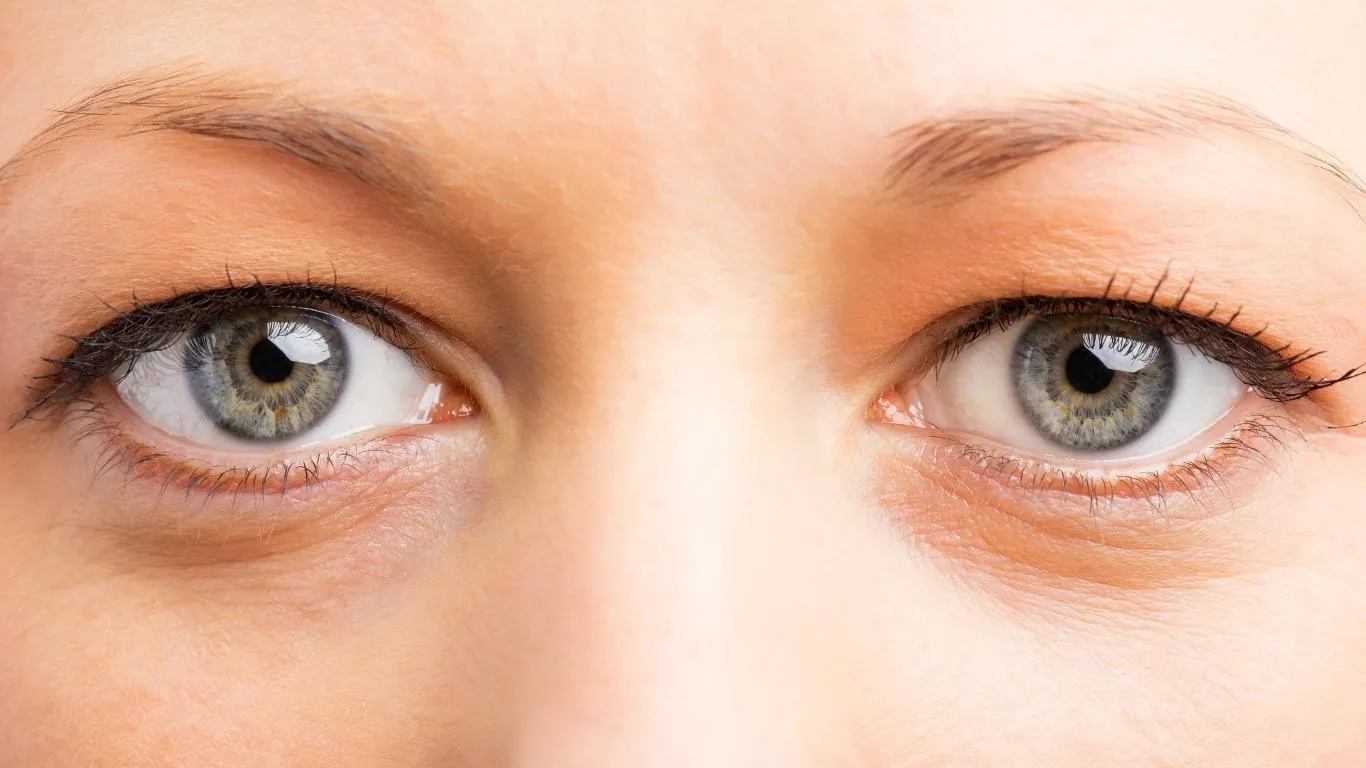
First, let’s clear up a myth: floaters that appear after hugging tightly don’t suddenly “stick” around forever because of that one moment. However, if you’re already predisposed to floaters—be it due to age, nearsightedness, or prior eye conditions—those brief episodes might feel more permanent over time.
I’ve had phases where floaters seemed to vanish, only to reappear with a vengeance after something as simple as bending down or sneezing. The truth is, floaters drift around in your eye’s vitreous, and certain activities make them more noticeable. However, repetitive physical pressure can cause subtle shifts in the vitreous gel that eventually make existing floaters settle into more obtrusive positions.
Conditions That Can Worsen Floaters Visibility Over Time
- Posterior Vitreous Detachment (PVD): A common condition where the vitreous gel pulls away from the retina, making floaters more frequent and noticeable. Learn more about PVD and its link to floaters.
- Vitreous Syneresis: Age-related liquefaction of the vitreous that increases floater density. A subtle process that can quietly worsen over years.
- Eye Injuries: Even minor trauma, like a sports hit or accidental poke, can cause floaters to become more prominent over time.
How to Cope With Persistent Floaters in Daily Life
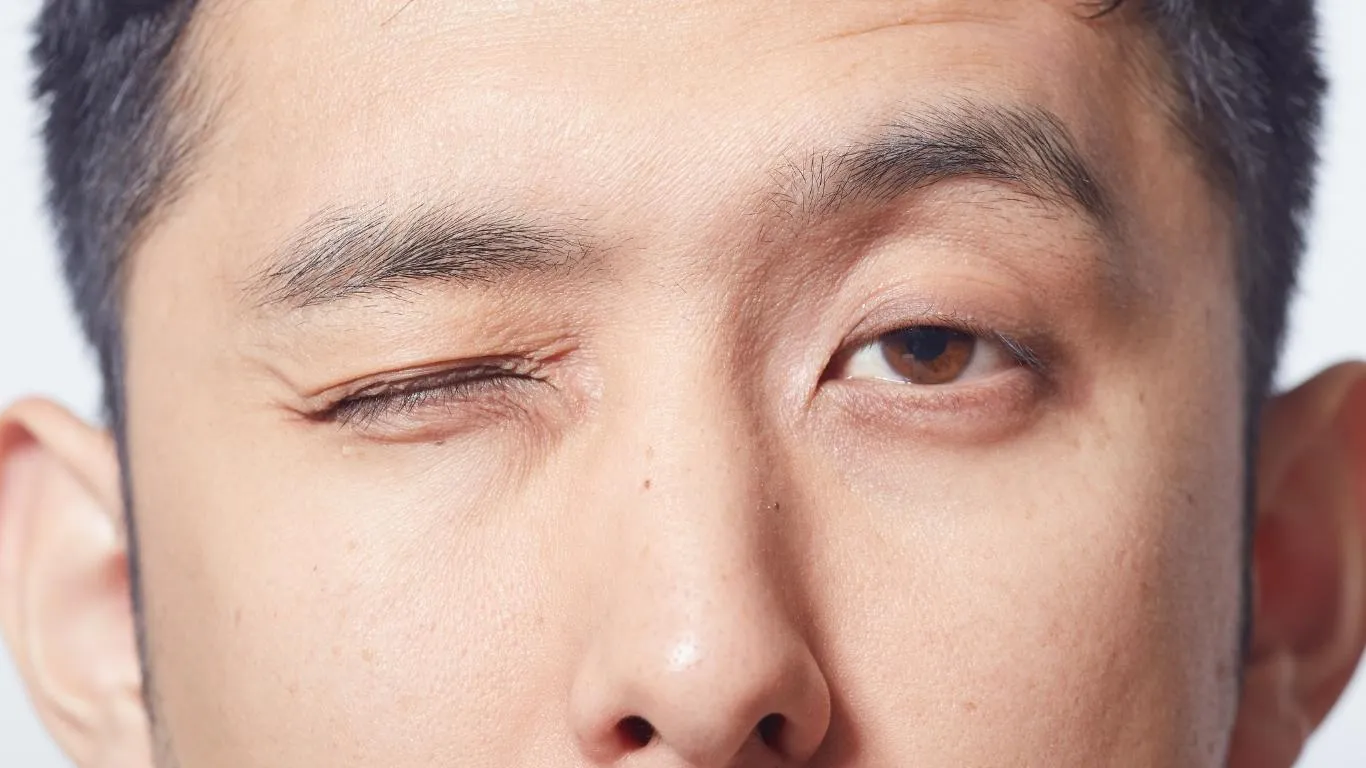
Living with persistent floaters isn’t fun, but it’s far from hopeless. Over the years, I’ve picked up some techniques that genuinely help, especially during activities that trigger them, like tight hugs or sudden movements.
- Eye Relaxation Exercises: Gentle eye movements, like figure-8 tracing with your gaze, can redistribute floaters out of your central field of vision.
- Environmental Adjustments: Using softer lighting and avoiding high-contrast backgrounds makes a world of difference. Floaters are less visible in dim, evenly lit rooms.
- Mindfulness Practices: When floaters become mentally intrusive, focusing on peripheral awareness helps lessen fixation. There’s a subtle art to not “chasing” them with your eyes.
Interestingly, I stumbled upon research indicating that simple eye exercises can reduce floater distractions. It’s not a miracle cure, but it’s a sanity saver.
Medical Interventions: Should You Consider Them?
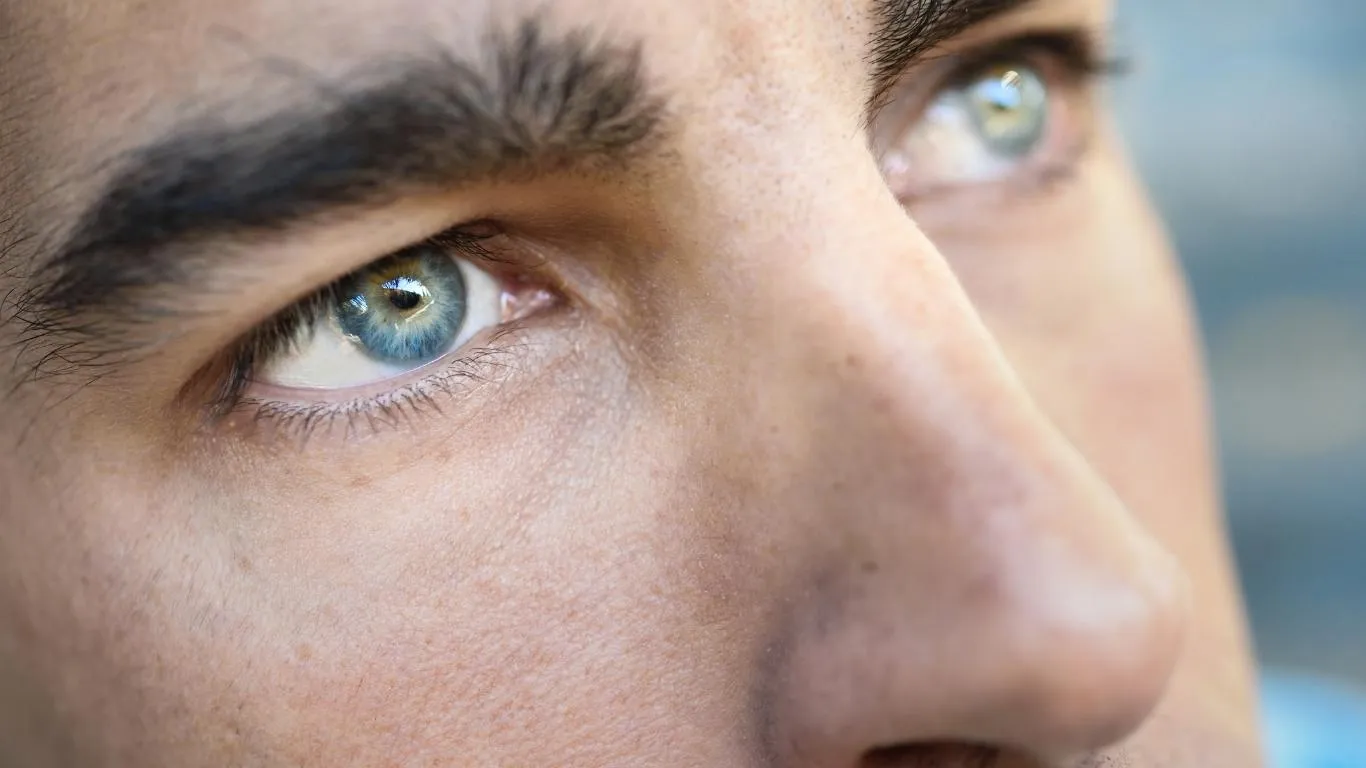
If floaters start impacting your quality of life—like disrupting reading, driving, or even simple tasks like hugging someone without visual interference—medical treatments are an option. But let’s be realistic: no treatment is risk-free or universally recommended for benign floaters.
Common Treatments for Stubborn Floaters
- YAG Laser Vitreolysis: A laser procedure that breaks large floaters into smaller, less noticeable fragments. However, not everyone is a candidate.
- Vitrectomy: A surgical option that removes the vitreous gel entirely, replacing it with a saline solution. It’s highly effective but carries risks like retinal detachment.
- Observation and Adaptation: The most common “treatment” as most floaters settle or become less intrusive over time.
You might be wondering, is it worth it? For mild to moderate cases, probably not. But in cases where floaters severely disrupt vision, options like medical interventions could be considered after consulting a specialist.
Lifestyle Factors That Influence Floaters
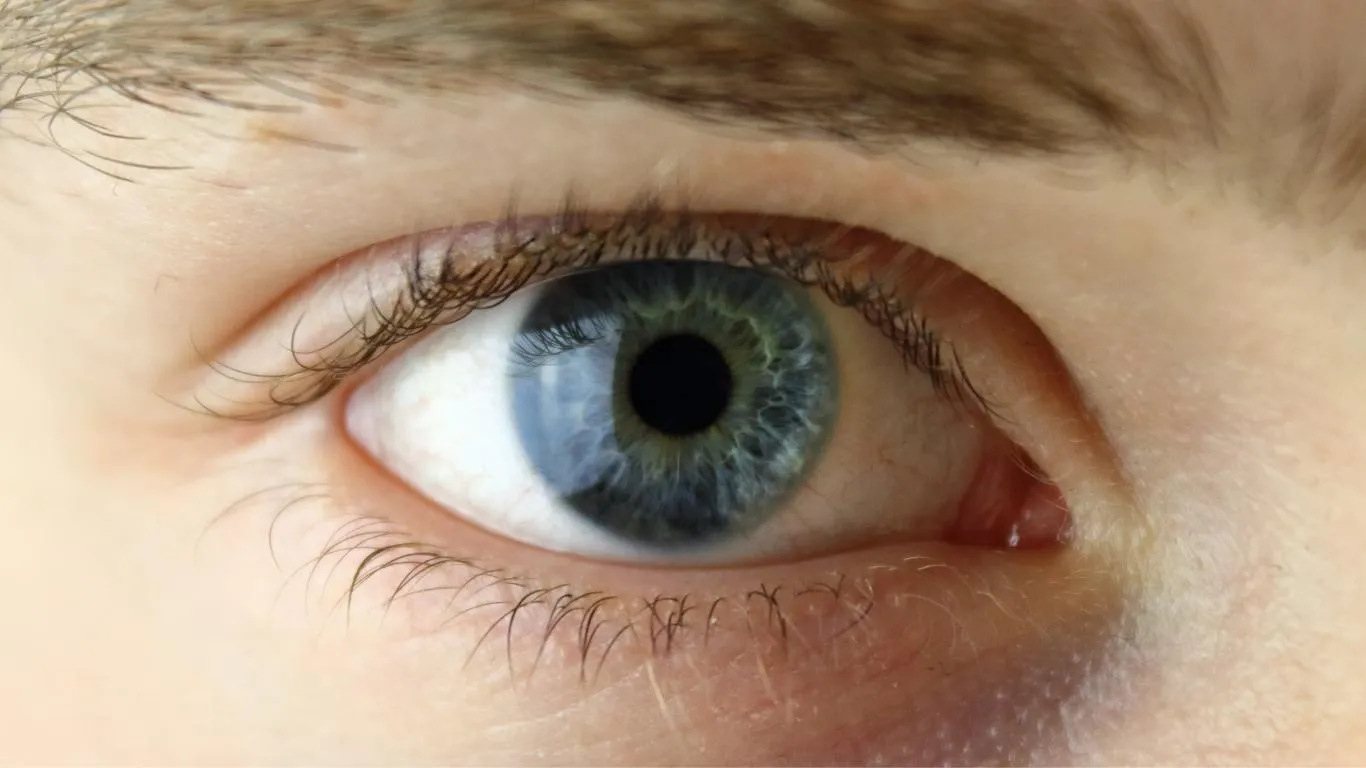
Over time, I’ve realized how lifestyle plays a massive role in how noticeable my floaters feel. Some days they’re barely there; other times, they seem to have a party in my field of vision.
Key lifestyle factors that impact floaters:
- Hydration: Dehydration thickens the vitreous gel, making floaters more prominent. Sipping water consistently throughout the day helps.
- Nutrition: A diet rich in antioxidants, lutein, and omega-3s supports overall eye health. Check out how simple diet changes can improve floaters.
- Screen Time Management: Long hours in front of screens can strain your eyes and make floaters more apparent. Adopting the 20-20-20 rule is a game changer.
- Stress Levels: Ever noticed floaters are more bothersome when you’re anxious or stressed? Cortisol fluctuations seem to magnify their visibility. Mindfulness or light exercise helps regulate this.
When Floaters Signal an Urgent Eye Issue
Floaters after a hug are typically harmless, but there are certain red flags that should never be ignored. If you ever experience:
- A sudden shower of floaters, like “visual confetti”
- Flashes of light in your peripheral vision
- Loss of side vision, like a curtain descending
These could indicate a retinal tear or detachment, which requires immediate medical attention. Don’t delay—your eyesight is on the line. Here’s a deeper look at why floaters can be a warning sign.
Daily Habits That Help You “Forget” About Floaters
One of the best pieces of advice I ever got from my ophthalmologist wasn’t about treatments or surgeries—it was about mindset. Here are a few habits that help me “tune out” floaters on most days:
- Practice Peripheral Awareness: Instead of fixating on the center of your vision, try expanding your focus to the periphery. It’s amazing how this reduces floater prominence.
- Ambient Lighting: Avoid overly bright or contrasting lighting conditions that make floaters pop.
- Keep Your Body Hydrated and Nourished: What benefits your overall health often benefits your eyes.
- Stay Active, But Gentle: Activities like walking, yoga, or swimming can improve blood circulation and alleviate eye strain.
I’ve written more about how tracking changes in floaters can help manage their impact on your life.
For a broader understanding of floaters—their symptoms, causes, and treatment pathways—this guide on eye floaters overview is a must-read.

Camellia Wulansari is a dedicated Medical Assistant at a local clinic and a passionate health writer at Healthusias.com. With years of hands-on experience in patient care and a deep interest in preventive medicine, she bridges the gap between clinical knowledge and accessible health information. Camellia specializes in writing about digestive health, chronic conditions like GERD and hypertension, respiratory issues, and autoimmune diseases, aiming to empower readers with practical, easy-to-understand insights. When she’s not assisting patients or writing, you’ll find her enjoying quiet mornings with coffee and a medical journal in hand—or jamming to her favorite metal band, Lamb of God.