Why Floaters When Standing After Long Sitting May Be a Warning Sign
Ever stood up after a long Netflix binge or an extended desk session and suddenly noticed weird squiggly lines or floating specs in your vision? Yeah, same here. The first time it happened to me, I thought it was just my eyes adjusting from staring at the screen too long. But when it kept showing up—especially when I stood up after sitting for a while—it got me curious. Turns out, those things are called eye floaters, and they can become more noticeable under specific circumstances, like transitioning from sitting to standing. Let’s dive into why that happens and what it could mean.
What Are Floaters When Standing After Long Sitting?
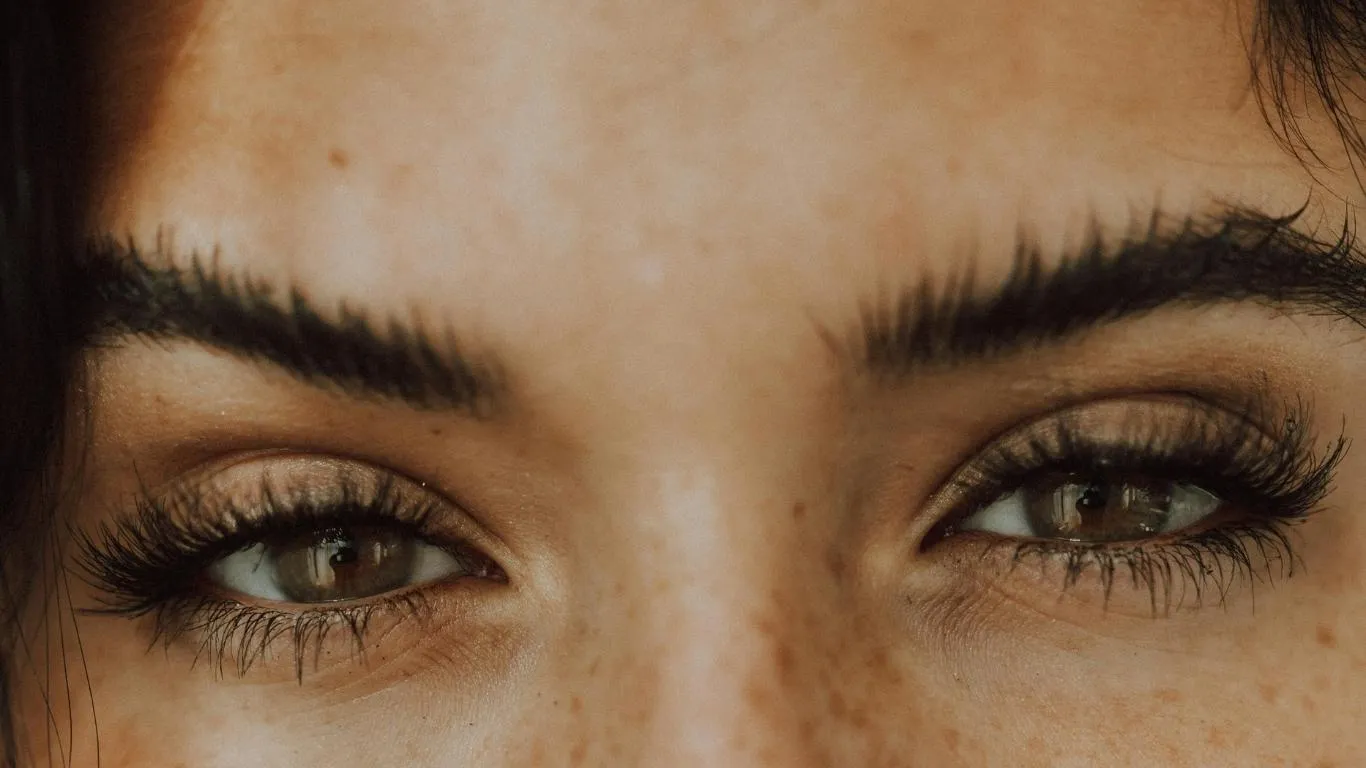
Eye floaters are tiny shapes or strands that drift across your vision. They can look like spots, threads, cobwebs, or even faint rings. While they’re usually harmless and related to age, they can feel extra annoying—especially when they pop up right after standing from a seated position. This can be linked to changes in blood pressure, light exposure, or just how our eyes adjust during body position shifts.
Personally, I used to brush them off as screen fatigue. But when I began noticing them more frequently during transitions from sitting to standing, especially after long hours on the laptop, I figured it was time to investigate deeper.
Why Do They Appear More After Sitting?
- Light sensitivity shift: When we stand, the lighting environment shifts, especially if we’re going from a dim screen to a bright room. That contrast can make floaters pop out more.
- Postural blood flow changes: A sudden shift in posture can momentarily affect blood flow, which might make visual disturbances like floaters more noticeable.
- Increased awareness: After standing, especially if we feel a head rush or lightheadedness, we tend to focus more on our surroundings—including our vision.
Could It Be a Circulation Thing?
Absolutely. According to experts, changes in body posture can impact intracranial and ocular pressure for a few seconds. These shifts don’t cause floaters directly but can enhance your awareness of them. If you’re dealing with fatigue, dehydration, or even low blood sugar, these sensations might be amplified. For more on this, check out this helpful guide on how dehydration can make floaters worse.
Are They a Sign of Something Serious?
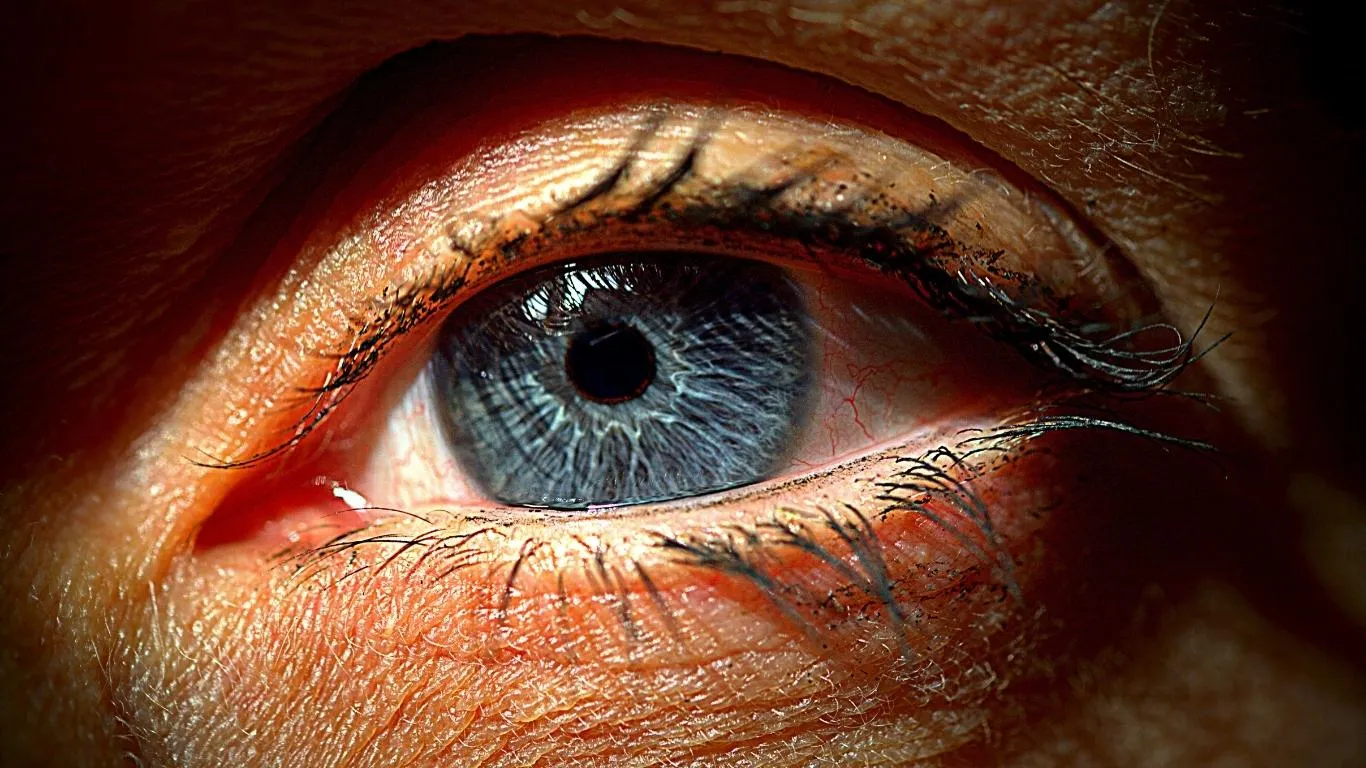
In most cases, floaters are part of the normal aging process. However, when they suddenly appear or increase dramatically, it’s worth paying attention. If you see flashes of light, notice a shadow or curtain in your vision, or experience floaters with pain, you should get it checked immediately. It might indicate something more serious like a retinal tear or detachment.
Also, floaters that worsen with body position shifts could point to an underlying vascular issue. While rare, cases like these are not unheard of—especially in people with chronic conditions like high blood pressure or diabetes. Dive deeper into the connection between floaters and blood pressure here.
So What’s Actually Happening in the Eye?
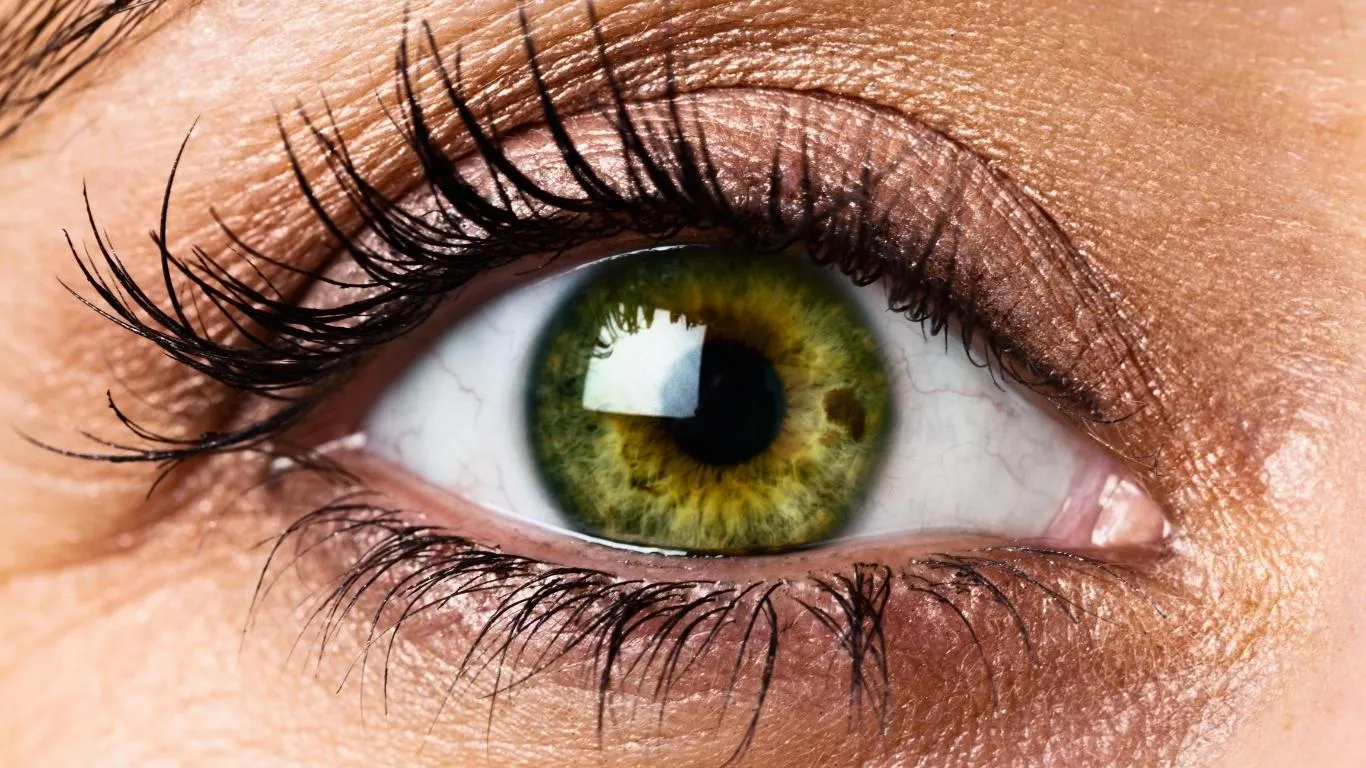
Floaters typically form in the vitreous humor, the gel-like substance inside your eye. As we age—or due to certain triggers—the vitreous begins to liquefy and shrink. That process causes microscopic fibers to clump together and cast shadows on the retina, which we see as floaters.
It’s a natural process known as vitreous syneresis. For a more scientific deep dive into how this works, the link between vitreous changes and floaters is super insightful.
My Floaters Get Worse Under Bright Lights—Is That Normal?
100% yes. Bright backgrounds—like a white wall or a sunny sky—make floaters stand out more because there’s no contrast for them to blend into. So when you stand up and move into a well-lit space, floaters suddenly become more apparent. This is why they often seem to “appear” during transitions, even though they’ve been there all along.
Bright lighting’s effect on floaters has been documented often, and many people notice this even during simple tasks like walking outdoors or switching from a dark room to sunlight.
Can Lifestyle Make It Worse?
Absolutely. Here’s what I learned the hard way: poor hydration, bad posture, eye strain, and even too much caffeine can make floaters more noticeable. I used to chug down coffee all morning and skip water until noon—not a great combo. I’d notice floaters more after getting up from my desk, and it wasn’t just in my head.
There’s even some compelling info about how caffeine and its withdrawal can amplify floater visibility.
Small Changes That Helped Me
- Hydration: Keeping a bottle on my desk actually made a difference in floater frequency.
- Eye breaks: The 20-20-20 rule (every 20 minutes, look at something 20 feet away for 20 seconds) became my go-to.
- Better lighting: No more pitch-black rooms with blaring screens. I use soft desk lighting now, especially when I know I’ll be sitting for hours.
When to Talk to a Specialist
If your floaters suddenly multiply, come with flashes, or affect your peripheral vision, don’t wait. It’s better to get peace of mind than to regret it later. Many vision-threatening conditions are treatable if caught early.
Learn more about how to spot the dangerous signs of eye floaters before it becomes something more serious.
For a more complete understanding of floaters, check out the main guide on causes, symptoms, and treatment options and this deep dive on common causes of floaters from age to trauma.
Managing Floaters When Standing: What Actually Works?
Once I realized that floaters were part of my day-to-day—especially during those moments of standing after long sessions at my desk—I knew I had to start experimenting with practical ways to manage them. While they’re not exactly something you can “cure” overnight, you can absolutely reduce how often they bug you and how intense they feel.
Quick Adjustments You Can Make Today
- Don’t stand too quickly: That sudden blood pressure shift? It doesn’t help. Try pausing for a few seconds before getting up. It really smooths things out.
- Use ambient lighting: Extreme contrast—from a dark room to a lit hallway—makes floaters way more obvious. Keep your lighting steady and balanced if you’re sensitive to them.
- Stay hydrated: This one changed the game for me. Floaters when standing got worse on days I’d barely had water. Coincidence? Probably not. Hydration plays a sneaky but powerful role.
Natural Remedies: Myth or Worth Trying?
I was skeptical about natural fixes at first. But after chatting with a few optometrists and reading through some real experiences, I gave a few a shot—no miracle cure, but some changes helped. For instance, adding more antioxidant-rich foods like spinach and carrots actually made a small difference over time. Could be placebo, or it could be the lutein kicking in. Either way, I’ll take it.
If you’re curious about the natural route, check out this solid breakdown of natural floater management options.
Supplements That Show Promise
- Lutein & Zeaxanthin: These antioxidants are eye-health superstars and might help keep your vitreous clear.
- Omega-3 fatty acids: Found in fish oil, these support retinal and overall eye function.
- Magnesium: Low levels have been linked to eye strain and visual disturbances.
But be warned: Not all supplements are created equal. Stick to trusted brands and always ask your eye doctor before starting anything new. I learned this the hard way after wasting money on a “floater cleanse” powder I found on social media. Don’t be me.
When Floaters Feel Worse Than They Are
This might sound dramatic, but floaters can start to mess with your mind a bit. I got into this cycle where every time I stood up, I’d expect to see floaters—and, of course, I did. My brain zeroed in on them so hard, they felt 10x more prominent. Turns out, this is super common. There’s even growing awareness of how persistent floaters can affect mental health.
It helped to acknowledge them without spiraling. I’d blink slowly, remind myself they’re harmless, and try to focus on something in the distance. A small shift in mindset made a surprisingly big difference.
Vision Training and Eye Movement
You’d be surprised how much eye movement affects floater visibility. For some people, moving eyes side-to-side can “drag” the floaters around in a distracting way. I found that doing some slow, controlled eye movements first thing after standing helped reduce the jarring effect. Here’s a breakdown of how eye motion interacts with floater perception.
Medical Options: What’s Actually Safe?
For most of us, floaters don’t require treatment. But if they’re interfering with daily life, there are a few medical options available—though they’re not for everyone.
Commonly Discussed Treatments
- YAG Laser Vitreolysis: A non-invasive laser that breaks floaters apart. Results vary, and not all ophthalmologists recommend it.
- Vitrectomy: A surgical option where part of the vitreous is removed. Highly effective, but also more invasive and carries higher risks.
- Observation & Monitoring: For most, this is the best path—especially if floaters haven’t changed in pattern or frequency.
If you’re leaning toward intervention, here’s a complete guide on treatment options for eye floaters.
Are These Floaters Normal… or Something Else?
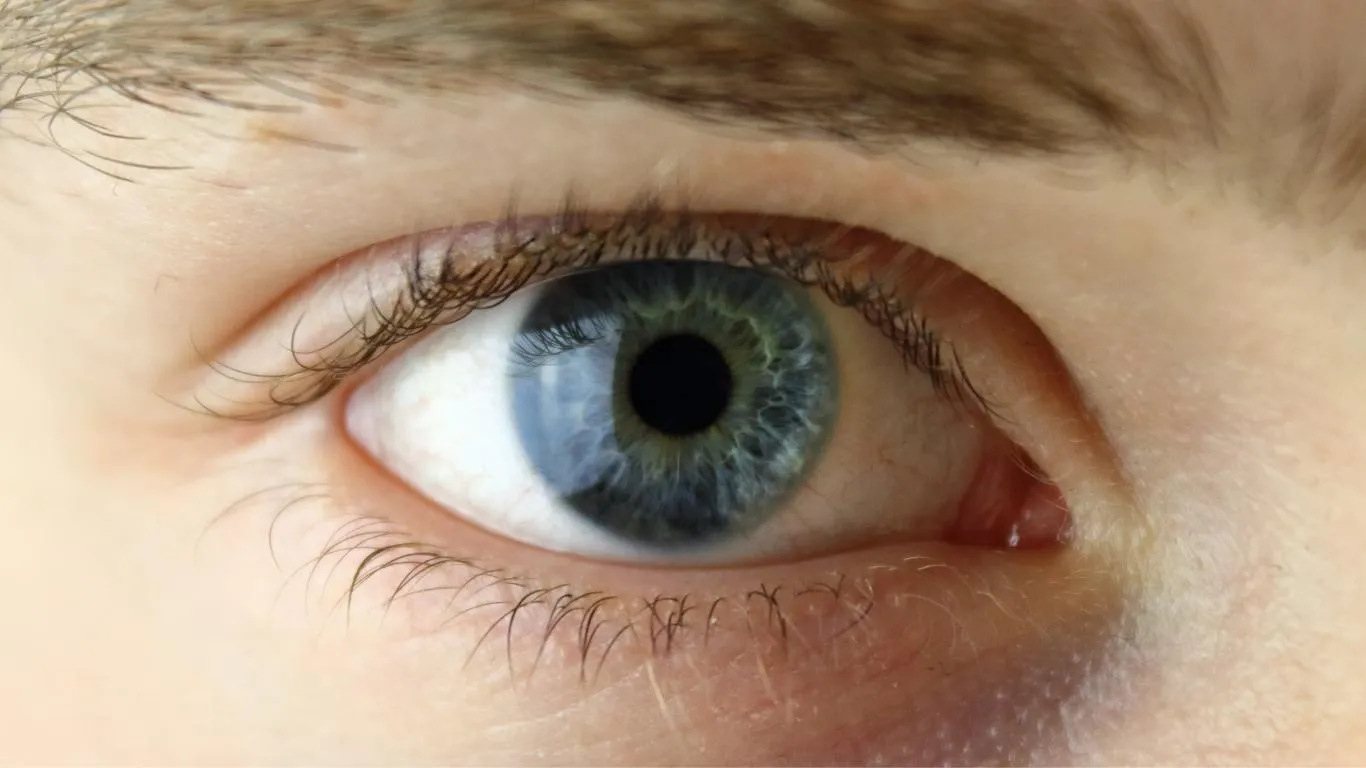
Not all floaters are created equal. Some people confuse them with visual aura, especially during migraines, or even dry-eye-related distortions. I’ve mistaken random flashes for floaters and vice versa. Knowing the difference is key—especially when deciding whether or not to see a doctor.
This article helps explain the differences between floaters and other eye issues.
And if your floaters tend to show up mainly after transitioning from a seated position, it might not be a floater problem at all. Sometimes, it’s a sign of posture-related pressure shifts or even screen fatigue. I found this out while reading about why floaters show more on certain backgrounds.
Floaters and Long-Term Vision Health
While they’re often benign, floaters are like your body’s built-in check engine light—they can signal when something’s off. If your floaters start showing up more often when you stand, or you notice them changing shape, don’t ignore it. Track the changes, jot them down, and bring them up during your next eye exam. You don’t need to panic—but being proactive is smart.
Learn how to track floaters effectively over time so you know when something really changes.
Still curious about all things floaters? You’ll want to dive into our main explainer on causes and treatments and this deep dive into how to recognize floater symptoms you shouldn’t ignore. Eye health doesn’t need to be scary—it just needs a bit of attention.

Camellia Wulansari is a dedicated Medical Assistant at a local clinic and a passionate health writer at Healthusias.com. With years of hands-on experience in patient care and a deep interest in preventive medicine, she bridges the gap between clinical knowledge and accessible health information. Camellia specializes in writing about digestive health, chronic conditions like GERD and hypertension, respiratory issues, and autoimmune diseases, aiming to empower readers with practical, easy-to-understand insights. When she’s not assisting patients or writing, you’ll find her enjoying quiet mornings with coffee and a medical journal in hand—or jamming to her favorite metal band, Lamb of God.