Why Floaters Get Worse When Switching From Screen To Paper
If you’ve ever switched your gaze from a glowing screen to a sheet of paper and noticed strange specks, squiggles, or cobweb-like shadows drifting in your vision—you’re not alone. It happened to me just the other day while editing a document on my laptop, then printing it out to mark it up. The moment my eyes shifted to the paper, a few little gray shadows floated across my view like lazy jellyfish. They vanished when I tried to focus on them, then reappeared like they were playing a game. That was my first real dive into understanding floaters when switching from screen to paper.
Why Floaters Show Up When Switching Between Screens and Paper
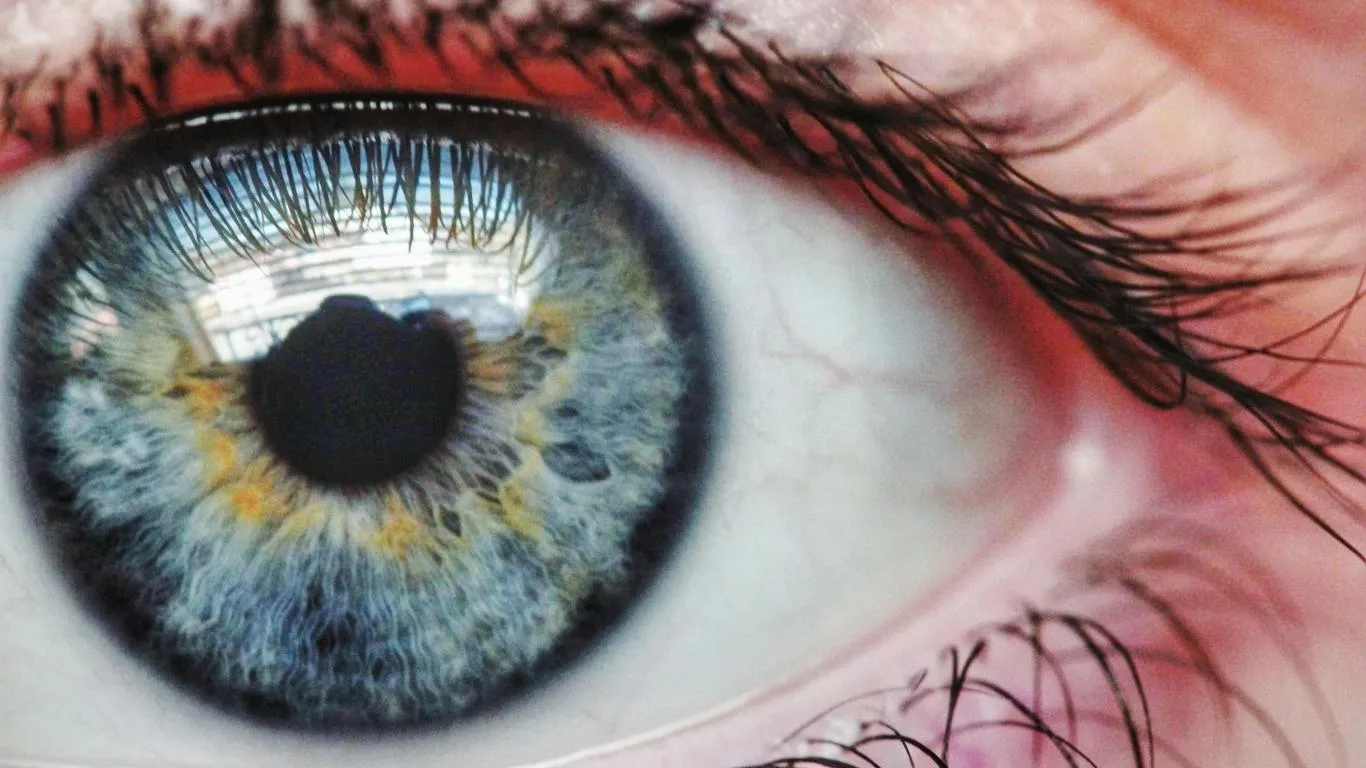
One of the trickiest things about floaters is how they seem to appear out of nowhere—especially when transitioning from bright backlit screens to matte white paper. This contrast shift highlights imperfections in the vitreous gel of the eye. Those floaty bits? They’re actually tiny clumps of collagen inside your eye’s vitreous humor casting shadows on your retina.
Most of the time, our brains filter them out. But when you’re working at a screen for long periods and then glance down at a page, the lighting change suddenly reveals them in all their annoying glory. It’s not a glitch in your eyes—it’s just physics and perception catching up with each other.
Brightness and Background Contrast
Digital screens emit light directly into your eyes, giving everything a high-contrast glow. Paper, however, reflects ambient light. When you look at a bright white page after a screen session, the relatively static and uniform surface becomes the perfect background to reveal floaters.
- Backlit vs. Reflective Light: Floaters are harder to notice on screens because the light is more diffused around them.
- White or Light Background: Floaters love to crash the party when there’s a plain, light-colored background to show them off.
My Personal Experience with Eye Floaters During Work Hours
I’m the kind of person who juggles screens and paper all day—Zoom calls, spreadsheets, PDFs, and then handwritten notes. I noticed that the longer I spend staring at a screen, the more prominent my floaters become when I switch to paper. Especially during dry-eye moments or after skipping water breaks (guilty), those little floaters become regular guests.
Turns out, dehydration can make them worse. So can eye fatigue, poor sleep, and even posture. Seriously—how you sit can impact how your eyes adjust between screens and paper.
What Makes This Transition So Unique?
It’s not just a matter of “getting older” (although that’s part of it). The real kicker here is the shift in focal distance and brightness that occurs during that transition. Your eyes and brain are forced to recalibrate rapidly, and in that split second, any inconsistencies in the vitreous gel—aka floaters—stand out like smudges on your glasses.
Physiological Reasons Floaters Pop Up More Clearly
- Lighting Adaptation: Your retina is adapting from self-lit digital light to ambient paper-reflected light, which sharpens contrast sensitivity briefly.
- Pupil Constriction: Changing light intensity causes your pupils to contract or expand rapidly, which briefly enhances peripheral shadows like floaters.
- Visual Accommodation: Shifting focus distance causes your lens to reshape, drawing more attention to floaters during that adjustment phase.
For more insights on what floaters might mean in specific lighting conditions, this piece on floaters triggered by light changes dives deeper into that phenomenon.
When Should You Be Concerned?
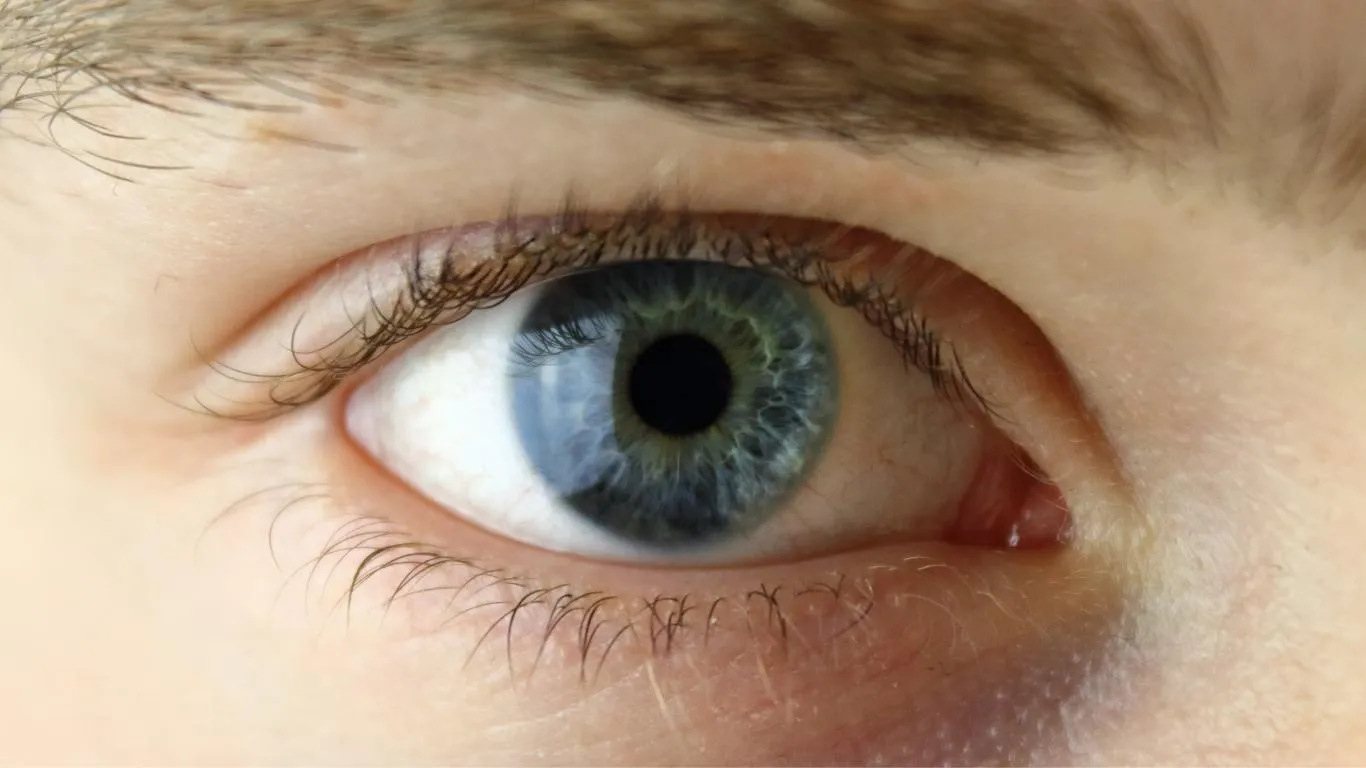
Let’s be honest—most floaters are harmless and just a nuisance. But not all of them. If your floaters are accompanied by flashes of light, a sudden increase in number, or dark shadows in your peripheral vision, it could be a retinal issue. Floaters can sometimes signal more serious problems like retinal tears or detachment. Not trying to scare you, but if you see anything like a curtain dropping across your vision, get to an eye doctor fast.
Floaters also behave differently in specific populations. If you’re over 40, you’re already in the typical age range for changes in the vitreous. Read more in the eye floater guide for your 40s.
Small Habits That Help
Since learning more about how floaters react to screen-to-paper transitions, I’ve started doing a few small things that help—nothing fancy or expensive:
- Hydration: Floaters get worse when I’m dry. A reusable water bottle at my desk helps more than eye drops.
- Proper Lighting: I try not to read paper under dim or super-bright overhead light. Soft, balanced lighting reduces the glare that reveals floaters.
- 20-20-20 Rule: Every 20 minutes, look 20 feet away for 20 seconds. It helps relax eye muscles and keeps floaters from showing up as harshly.
- Ergonomic Positioning: I raised my screen to eye level, so I’m not shifting focus as dramatically between monitor and desk.
And honestly, just knowing why they appear gives me peace of mind. I also found it useful to dive into some science-backed facts over on this explainer on common causes of floaters, which covers both daily triggers and serious causes.
For a broader understanding of what floaters are, why they happen, and how to handle them, don’t miss this essential guide: What Are Eye Floaters? Causes, Symptoms, and Treatment Options.
Is It Just Floaters, or Something Else?
When I first noticed floaters more often while switching from screen to paper, I wondered—what if it’s not floaters at all? Sometimes, especially under stress or after a long day, it’s easy to confuse them with other visual phenomena like migraine auras or even light-induced visual distortions from eye strain.
The difference is key: floaters move as your eyes move, and they never sit still. Auras or halos tend to shimmer, flicker, or stay fixed in your visual field. I’ve had both, and trust me—they feel completely different when you’re tuned into them. Floaters often follow a familiar path and shape, while auras are more like light shows gone wrong.
Eye Fatigue, Dryness, and Lighting Conditions
The modern screen-centric lifestyle is not kind to our eyes. Dry eyes, poor blink rate, and constant visual focus in one distance range (like staring at a monitor) can worsen floater perception. Add in fluorescent lighting or a bright desk lamp over your shoulder, and you’ve got a perfect storm of conditions that make floaters more visible.
I realized I was blinking less than I thought—especially when I was deep in concentration. Try doing a soft blink or warm compress during breaks; it makes a difference.
Triggers You Might Not Realize

Floaters don’t always act up at random. There are subtle triggers, especially in those screen-to-paper transitions, that make them flare up. Some of these surprised me when I started keeping track:
- Caffeine spikes: There’s a correlation, and it’s more common than you think.
- Overhead LED lighting: Especially in offices or classrooms. The glare emphasizes contrast on white paper.
- Quick eye movements: Like darting back and forth between screen and notebook—this physically stirs up the vitreous fluid.
- Neck and shoulder tension: Weird, I know. But bad posture can affect blood flow and muscle tension around the eyes, subtly worsening visual artifacts.
Understanding the “why” behind these triggers helped me reduce them without obsessing over every visual twitch. I found this breakdown on fatigue-related floater spikes super relatable.
How to Make Paper-Based Tasks More Floater-Friendly
If your day involves lots of printouts, study notes, or sketching—like mine does—there are ways to minimize floater visibility so it doesn’t distract you. I’ve tried them all, and here’s what actually helped:
- Change paper background: Use slightly off-white or cream-colored paper. Pure white makes floaters pop.
- Use matte lighting: Go for diffused desk lights or natural daylight. Avoid direct beams from above or behind.
- Print in color or add background designs: Even a light watermark or graph paper background makes floaters less noticeable.
- Focus breaks: Look at a distance every 5–10 minutes during long reading or writing sessions. Prevents accommodation lockup and eye fatigue.
If your work depends on reading crisp black text on white sheets, check out tips on lighting conditions to reduce discomfort and contrast tweaks that can help ease that transition between screens and paper.
When to Bring It Up with Your Eye Doctor

If floaters are new to you, or if you notice sudden changes—like a dense cloud of them, lightning-like flashes, or peripheral darkness—it’s time to talk to a professional. While most floaters are harmless and just aging-related, they can indicate underlying problems in rare cases.
I went in for peace of mind after a particularly annoying week of floaters. My optometrist assured me they were benign, but also checked for signs of posterior vitreous detachment. The visit was quick and worth every second of reassurance.
Floaters Aren’t Going Anywhere—But That’s Okay
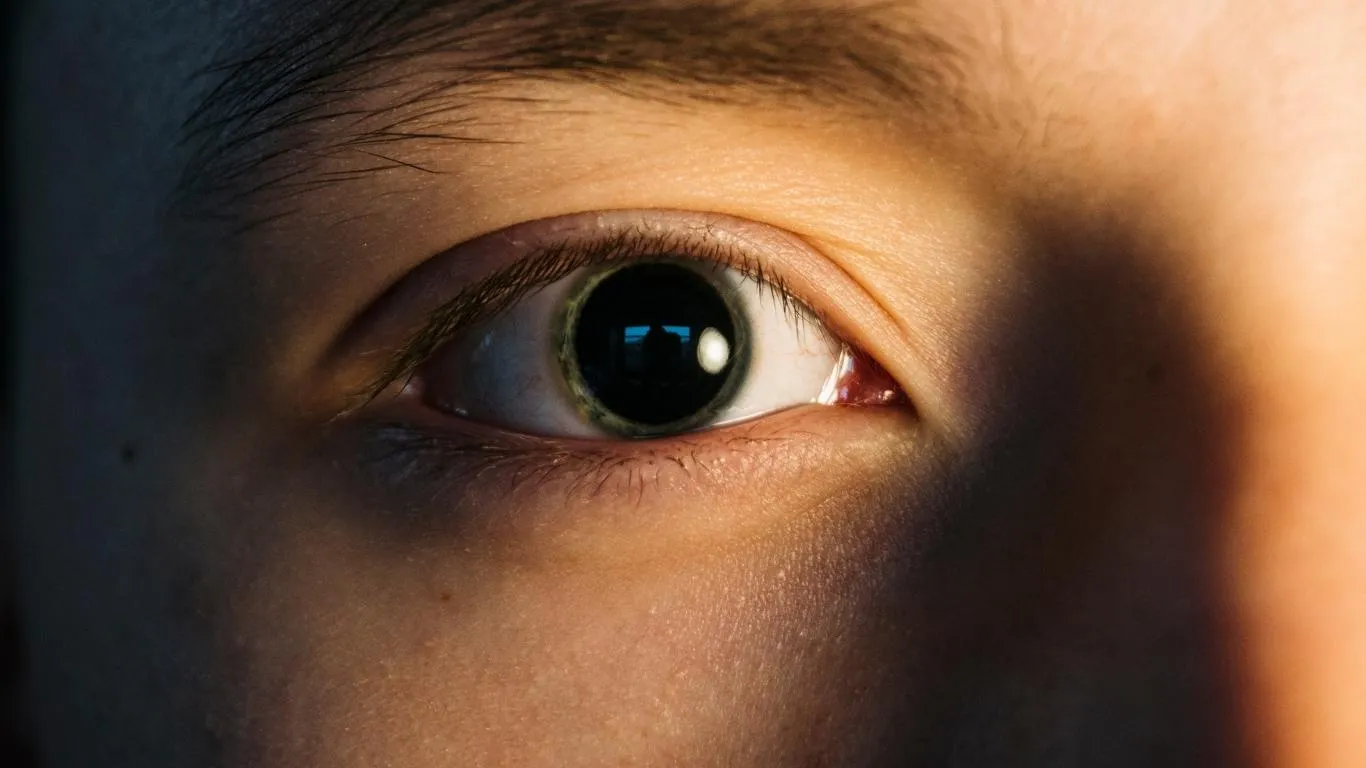
Once you realize floaters are here to stay (at least for most of us), it gets easier to live with them. They fade in and out, some days worse than others, and often barely noticeable when you’re not focused on them. The trick is setting up your environment to avoid triggering them unnecessarily—especially in situations where contrast is high, like switching from screen to paper.
For anyone still wondering if it’s normal or if you’re just noticing them more because of your work setup—you’re not crazy. Floaters are common, manageable, and rarely dangerous. If you need an in-depth look at long-term treatment options, explore this comprehensive treatment guide.
Or if you’re curious how they compare to other eye symptoms, this helpful breakdown on eye floaters vs other problems makes it super easy to tell them apart.
And if you’re diving into research like I did (hello rabbit hole), the main overview article is a solid place to begin: What Are Eye Floaters?

Camellia Wulansari is a dedicated Medical Assistant at a local clinic and a passionate health writer at Healthusias.com. With years of hands-on experience in patient care and a deep interest in preventive medicine, she bridges the gap between clinical knowledge and accessible health information. Camellia specializes in writing about digestive health, chronic conditions like GERD and hypertension, respiratory issues, and autoimmune diseases, aiming to empower readers with practical, easy-to-understand insights. When she’s not assisting patients or writing, you’ll find her enjoying quiet mornings with coffee and a medical journal in hand—or jamming to her favorite metal band, Lamb of God.