Why Floaters Get Worse When Using a Humidifier at Night
One night I was just lying in bed, trying to enjoy the soothing mist from my new humidifier. Everything felt calm—until I noticed those tiny squiggly shapes drifting across my vision. Again. I blinked a few times, rubbed my eyes, even turned off the light thinking it was just shadows, but nope—those floaters were still there, even more noticeable than during the day. If you’ve ever asked yourself, “why do I see floaters more clearly when using a humidifier at night?” — trust me, you’re not imagining things. And no, it’s not just the device’s light or mist playing tricks on you.
What’s Really Going On With Floaters in Low Light and Humid Conditions?
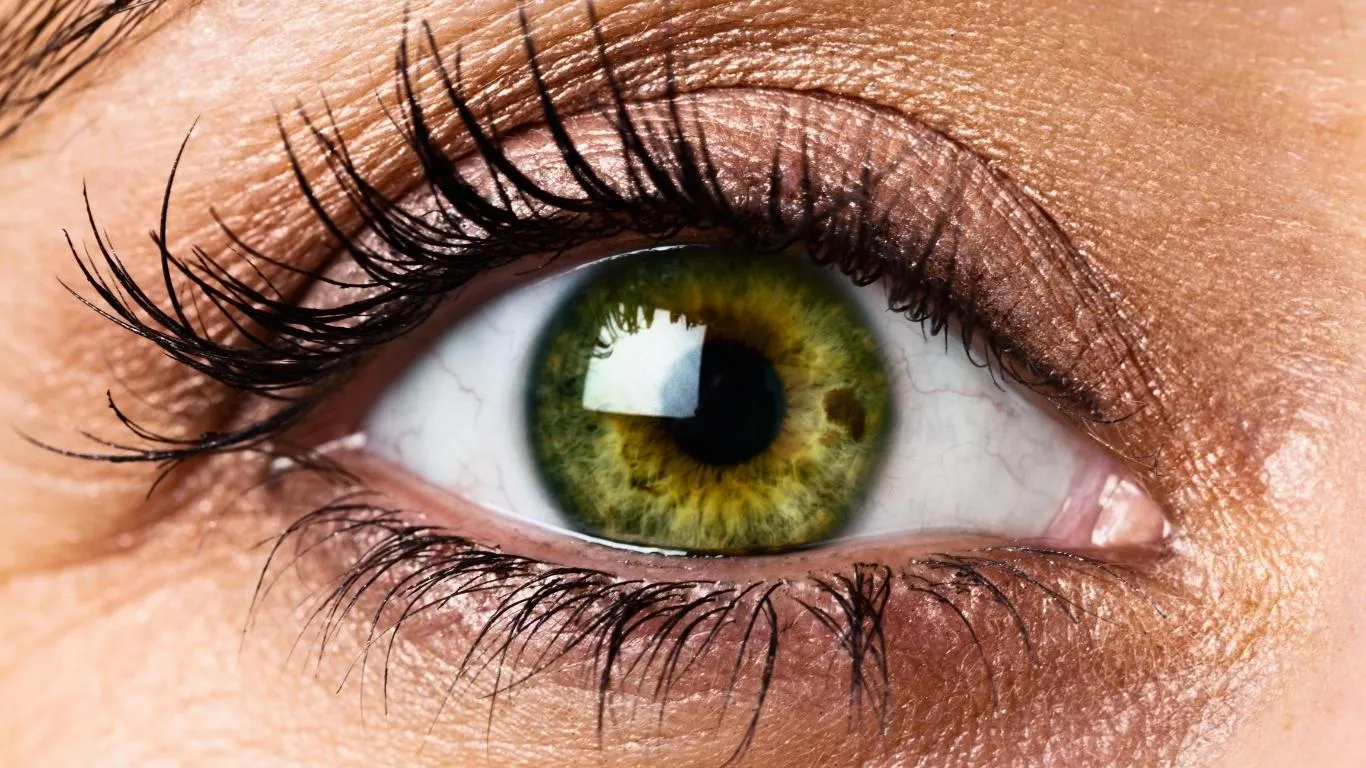
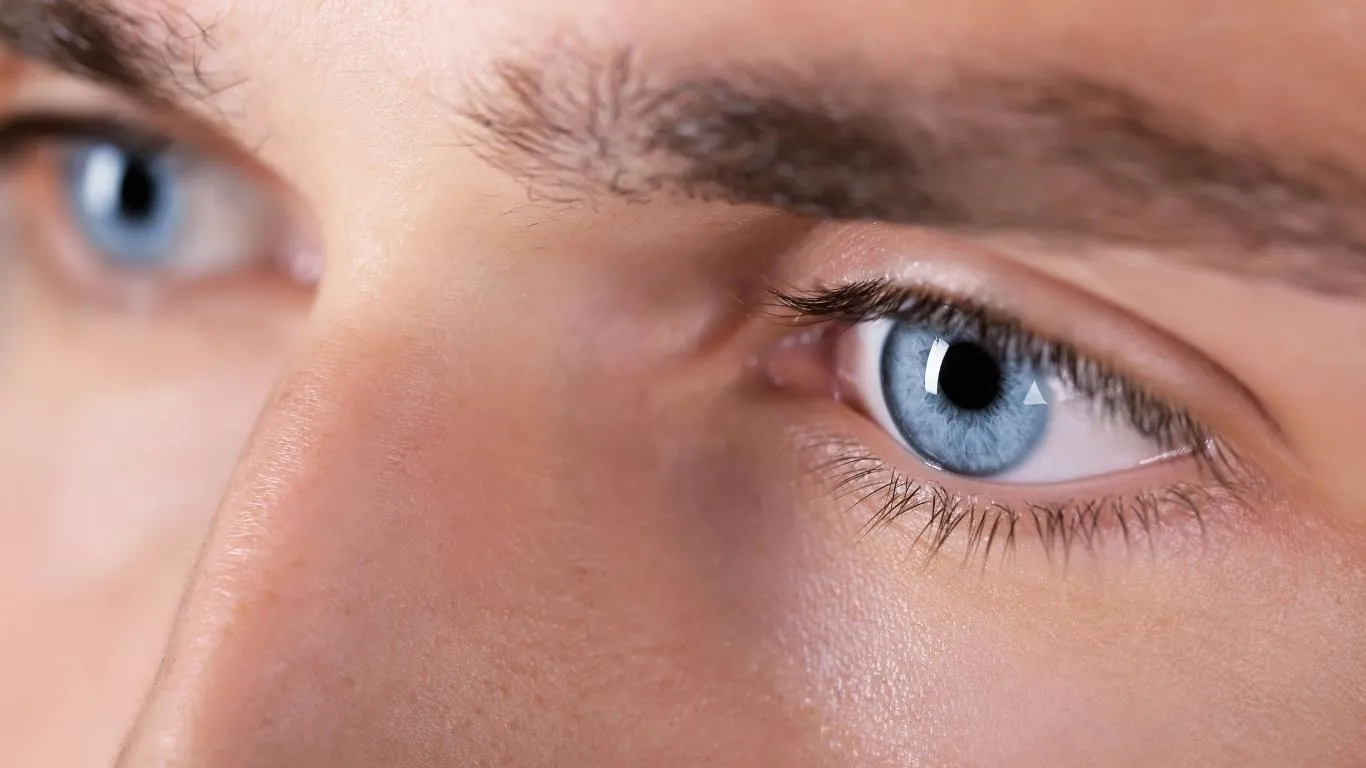
First things first: eye floaters are tiny collagen fibers floating in your vitreous humor (that gel-like substance in your eye). When light enters the eye, these little floaters cast shadows on the retina, which is what you’re “seeing.” At night, especially in dim lighting, your pupils dilate to allow more light in — and that increased sensitivity can make floaters more pronounced.
Now toss in a running humidifier, especially those ultrasonic cool mist ones, and things get even more interesting. While the humidifier itself doesn’t cause floaters directly, the *environmental shift* it creates could be influencing how you perceive them.
How Humidity Might Be Amplifying the Floaters
- Increased Contrast: Humid air can slightly diffuse light in a room, subtly softening shadows. This contrast can make floaters appear more defined as they move in front of your dilated pupil.
- Change in Eye Moisture: Ironically, excessive humidity may disrupt your tear film, especially for those who wear contact lenses. This can worsen visual disturbances.
- Pupil Dilation: The darker the room, the larger your pupils. With your eyes pulling in more light, any floater that’s normally subtle in daylight suddenly becomes a front-row performer.
My Nighttime Routine With a Humidifier… and Floaters
I used to think my humidifier was helping my dry eyes. But after a few weeks of running it each night, I couldn’t ignore the fact that I was spotting floaters way more often—especially when switching between looking at my phone and glancing at the walls in a dim room.
After some digging (and a mild obsession with researching floaters at 2 a.m.), I realized I wasn’t alone. In fact, a few studies suggest that low-light indoor conditions combined with moisture-rich air can enhance how your eye focuses light. And where there’s light distortion, there’s floater visibility.
Could Humidifiers Trigger or Aggravate Existing Eye Issues?
If you’ve recently noticed floaters right after starting a humidifier routine, it’s worth considering a few medical possibilities. Hormonal shifts, even changes in blood pressure or hydration, could be involved — all of which impact eye health.
But don’t panic just yet. Many people notice their floaters more simply because the environment has changed. Humid air, dim lighting, and even how you position your head on a pillow can affect your eye’s internal pressure. That doesn’t mean something is wrong, but it does mean it’s worth paying attention to.
Other Common Triggers That Coincide With Humidifier Use
- Posture while sleeping: Lying flat or turning your head sideways could cause fluid shifts in the eye — especially noticeable in those with mild vitreous detachment.
- Screen time before bed: Blue light exposure before shutting your eyes can prime your eyes for floaters as they adjust in the dark.
- Temperature fluctuations: Some humidifiers cause rapid temp shifts near your face, which can subtly affect your eye moisture and perception.
What Experts Say About Night Floaters
While there’s no peer-reviewed study directly linking humidifier use and increased floaters, ophthalmologists agree that environmental factors play a role in floaters becoming more visible. According to experts from American Academy of Ophthalmology and Mayo Clinic, the way your brain processes light and contrast is significantly heightened in low-light settings — and your floaters are simply catching the spotlight.
If you’re noticing floaters more during or after humidifier use, it might just be a combination of low light, dry eyes, and mental focus on your vision at night. And yes, stress doesn’t help either.
How to Make Floaters Less Noticeable at Night
If you’re like me and just want a peaceful, distraction-free bedtime experience, there are a few practical tweaks you can try:
- Keep some ambient light on — total darkness can over-dilate pupils and make floaters more obvious.
- Avoid pointing the humidifier directly toward your face or eyes.
- Use a purifier alongside the humidifier to avoid excess particulates in the air.
- Try warm compresses before bed — they help stabilize tear film and soothe your eyes.
- Monitor floaters over time, and always report sudden increases to your eye doctor.
And if you’re just diving into this topic, the best place to start understanding floaters and what causes them is our main eye floater guide — it breaks everything down simply and clearly. Also, for more on how floaters behave in different scenarios like nighttime, screen use, or sleep positions, check our coverage on morning light floaters and floaters from lack of sleep.
Could the Mist Itself Be a Trigger?

This one surprised me — I assumed the mist was harmless, just purified water. But depending on what kind of water you’re using in your humidifier, that mist may carry minerals, mold spores, or microscopic debris. These fine particles can irritate sensitive eyes or even slightly inflame the eye surface, especially in enclosed rooms with poor ventilation.
Several eye specialists agree that when humidifiers aren’t cleaned regularly, they become little aerosolizing machines, potentially dispersing irritants that may not cause floaters, but could make your perception of them worse. That itchiness or mild dryness you feel after the mist hits your eyes? That’s your body saying, “Hey, this isn’t helping.”
Tips to Avoid Mist-Related Eye Discomfort
- Use only distilled water to avoid mineral buildup and micro-particles.
- Clean the humidifier every 2–3 days — no exceptions. Mold and bacteria love stagnant water.
- Aim the nozzle away from your face and bed area.
- Keep the room moderately ventilated — even a cracked door helps.
All of this helps prevent issues like inflammation inside the eye (uveitis) that could accelerate floaters over time. Better safe than sorry.
Why You Might Notice Floaters Only at Night
It’s honestly weird — you go through your day, maybe spot one or two floaters here and there, but come nighttime, especially with the humidifier humming and the lights dimmed, suddenly it’s like a show in your vision.
Here’s why:
- Your brain is in quiet mode. No noise, no screen glare, no distractions. You start noticing everything. And floaters love that attention.
- The contrast trick. Floaters are more visible when you look at a plain surface — like a ceiling, or a softly lit wall. At night, those surfaces are usually all you’re seeing.
- Fatigue and visual strain. After a full day of working, your eyes are more tired — and fatigue can exaggerate how you perceive floaters.
Pair that with dry room air or overactive humidifiers, and you’ve got the perfect combo for making those little spots feel like they’re multiplying.
Is It Ever a Sign of Something Serious?
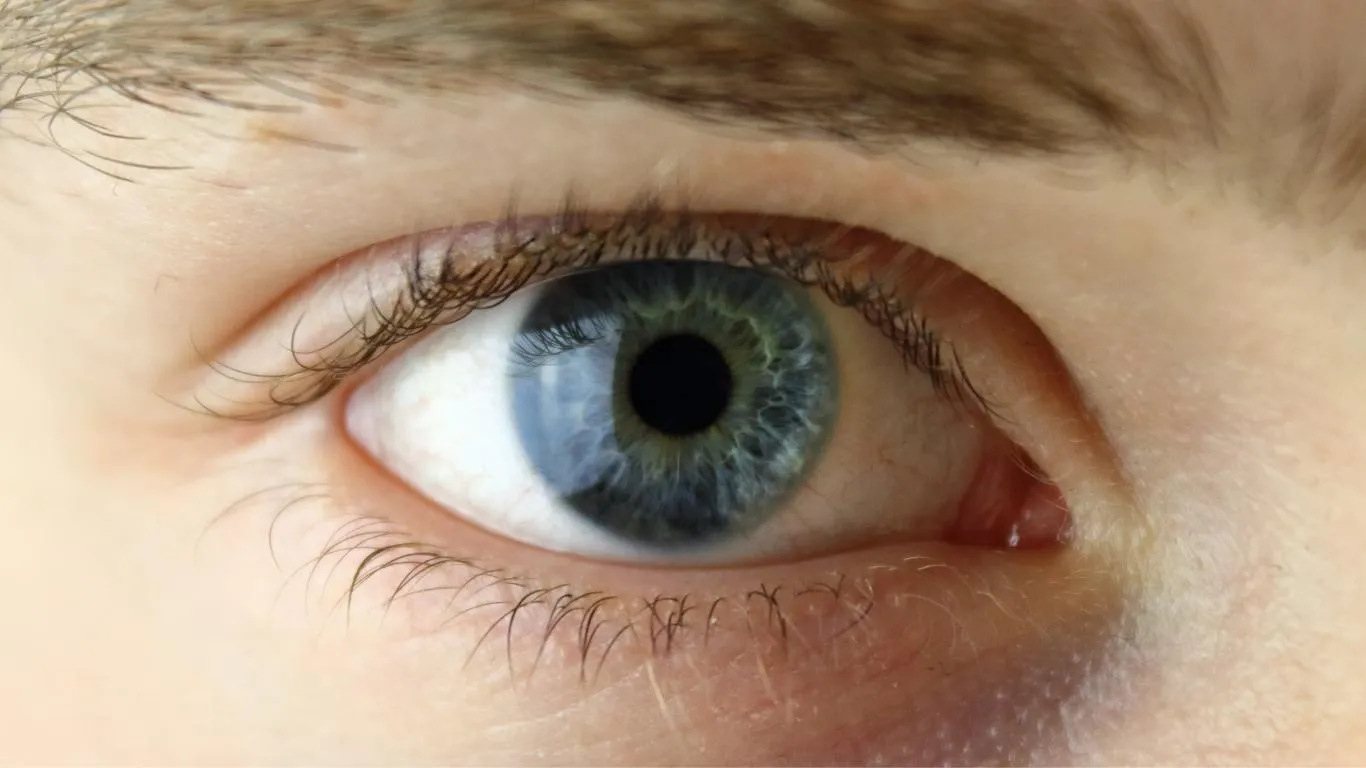
Let’s be clear: most floaters are completely harmless. But any sudden increase, flashing lights, or vision loss should never be ignored. A sharp rise in floaters could be an early sign of retinal tear or detachment — both of which require immediate care.
Especially if you’re noticing them in just one eye, or they appear like a curtain moving across your field of vision, call your eye doctor. Don’t self-diagnose. The good news? Most people who experience floaters when using a humidifier at night are simply more aware of existing floaters, not developing new ones.
Quick Red Flags You Shouldn’t Ignore
- Floaters appearing alongside sudden flashes of light
- Dark shadow or curtain in your peripheral vision
- Floaters that come on right after a head injury or major coughing fit
- Persistent worsening in one eye only
In cases like these, refer to a retina specialist ASAP. You’ll find helpful context on identifying emergencies in this detailed guide: When Are Eye Floaters Dangerous?
How I Made Peace With My Night Floaters

Truthfully, I didn’t stop using my humidifier — I just got smarter about how I used it. Clean water, proper distance, adding some soft lighting at night — those changes helped. And when I stopped fixating on the floaters, I started noticing them less.
I also made it a habit to explore natural ways to support eye health — from omega-3s and lutein-rich foods to keeping my blood sugar stable (yep, that matters too). Floaters are still there, but they don’t run the show anymore.
If You’re Starting to Track Them Too Much…
Try journaling or keeping a note on your phone — not obsessively, but just enough to catch any real changes. If it’s the same cluster of floaters showing up at night during humidifier use, that’s likely a perception issue — not a medical one. Still, it’s worth keeping an eye on (pun intended).
Ready to Learn More About Floaters?
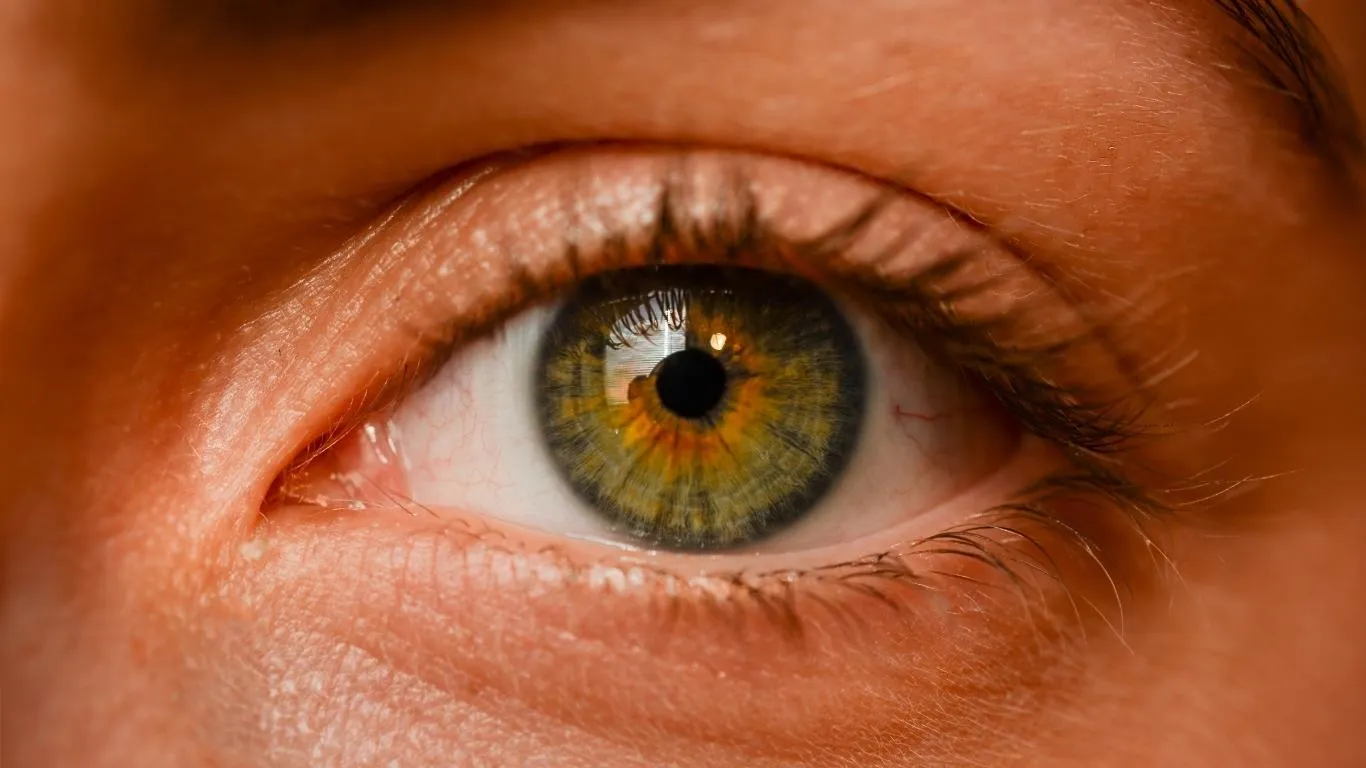
If you’re curious about whether your floaters are just common age-related floaters or something more complex, start by understanding the root causes of eye floaters. It helps to know what your eyes are actually going through — and why certain triggers like humidifiers and nighttime might shine a literal spotlight on them.
And if you’re overwhelmed or unsure where to begin, bookmark our complete eye floater overview — it walks you through causes, symptoms, and treatment options with none of the scare tactics, just clear info.

Camellia Wulansari is a dedicated Medical Assistant at a local clinic and a passionate health writer at Healthusias.com. With years of hands-on experience in patient care and a deep interest in preventive medicine, she bridges the gap between clinical knowledge and accessible health information. Camellia specializes in writing about digestive health, chronic conditions like GERD and hypertension, respiratory issues, and autoimmune diseases, aiming to empower readers with practical, easy-to-understand insights. When she’s not assisting patients or writing, you’ll find her enjoying quiet mornings with coffee and a medical journal in hand—or jamming to her favorite metal band, Lamb of God.