Why Floaters Become Annoying On Minimalist Backgrounds And How To Fix It
You know that oddly annoying moment when you’re staring at a plain white wall, or maybe a bright blue sky, and—bam—squiggly floaters invade your vision? Yep, been there. As someone who once thought my screen was dirty only to realize it was my own eyes, I can tell you, floaters on minimalist backgrounds are a real thing. Let’s break down why these pesky little shadows show up more vividly when you’re looking at clean, uncluttered spaces.
Why Floaters Stand Out Against Minimalist Backgrounds
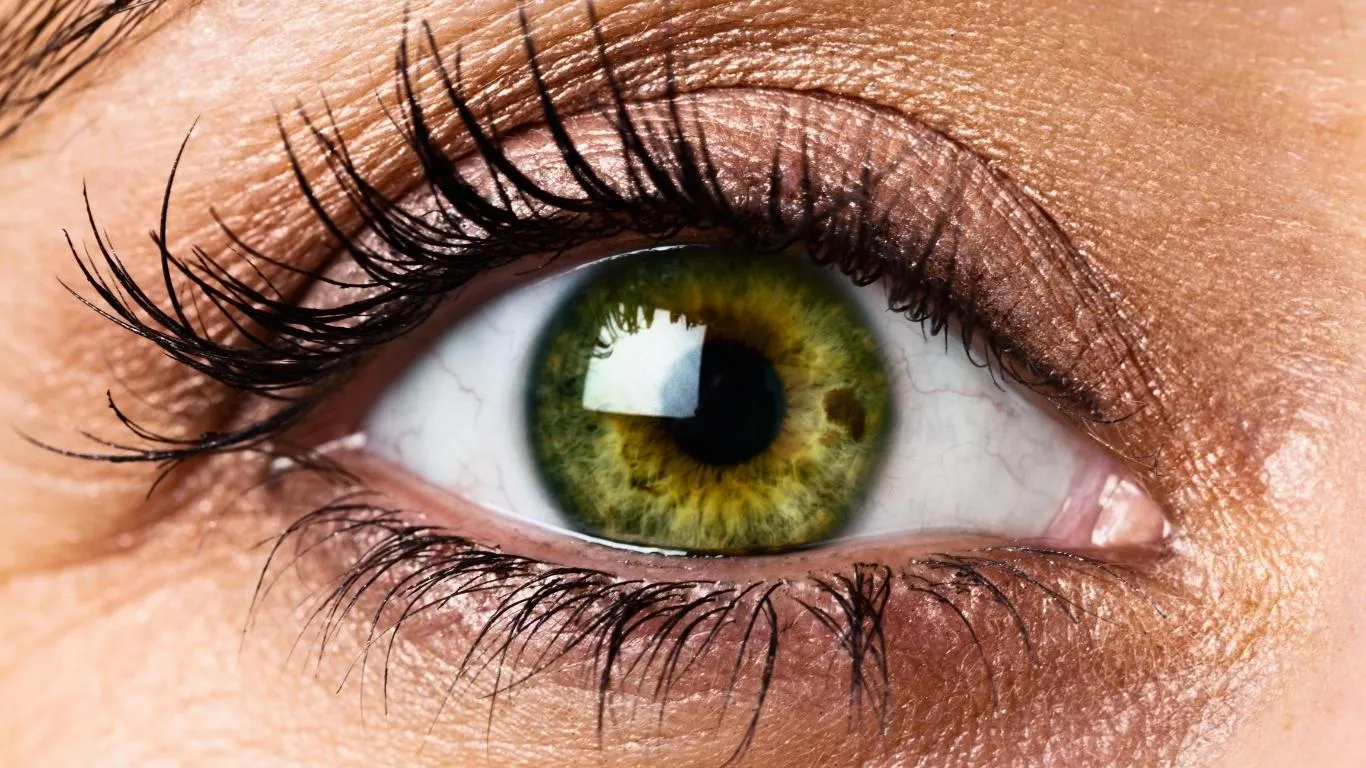
Eye floaters are those semi-transparent blobs, threads, or cobwebs drifting across your vision. But why do they pop up more dramatically when you’re gazing at a white wall or a simple website design with lots of negative space?
- Contrast Amplification: Minimalist backgrounds create a stark contrast, making floaters—which are normally subtle—stand out like they’re in high definition.
- Light Reflection: Uniform bright surfaces, like clear skies or bright screens, allow more light to hit the eye, illuminating those tiny vitreous fibers floating around.
- Focused Attention: With no visual clutter, your brain hones in on every minor imperfection, including floaters that you’d normally ignore.
My Experience with Floaters on White Screens (And It’s Not Just You)
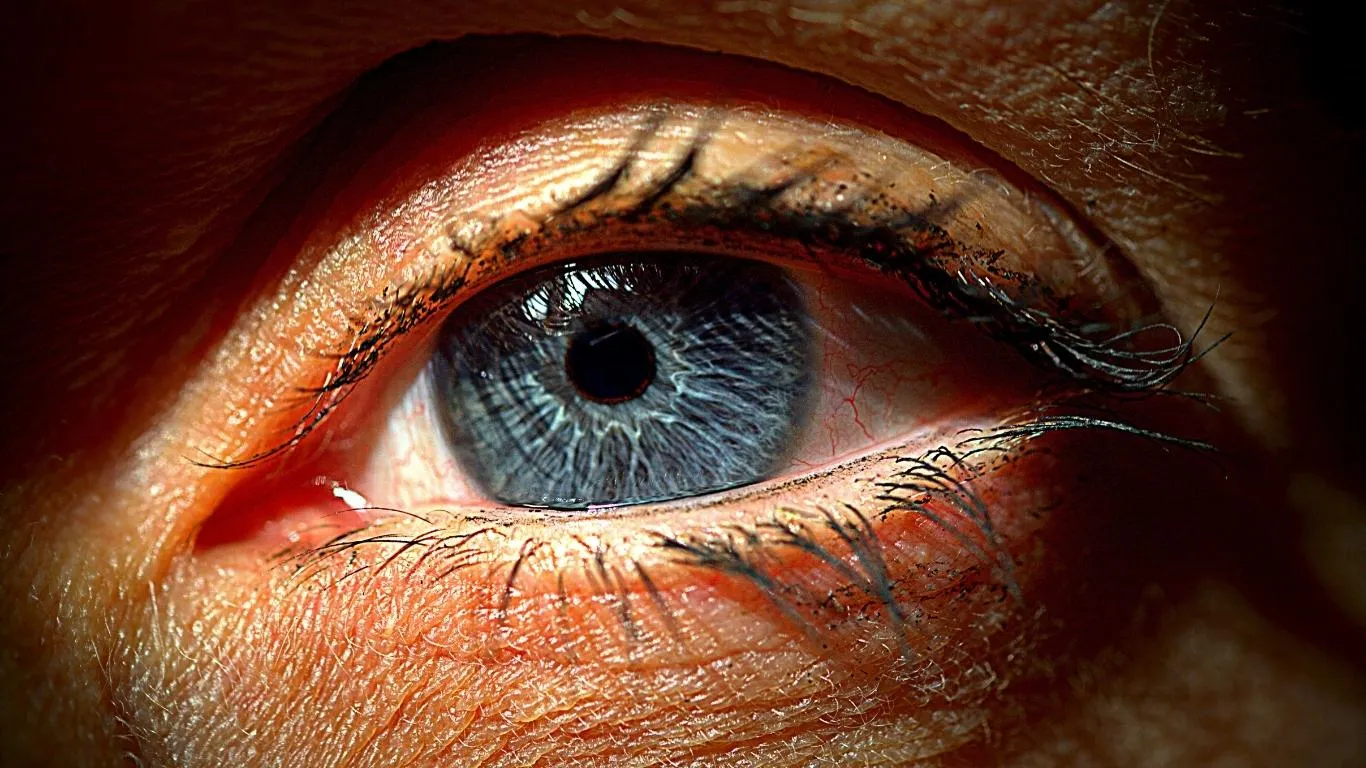
I used to think my laptop had dead pixels. Every time I opened a simple text editor with a bright white canvas, floaters would start dancing around. Turns out, it wasn’t my device—it was me. And trust me, I’m not alone. The phenomenon of floaters becoming obvious on minimalist backgrounds is surprisingly common, especially among people who spend long hours working on sleek, modern interfaces.
What’s wild is how many people don’t realize it until they switch to dark mode and—poof—the floaters seem less intrusive. It’s not that they disappeared; they just became less visible. This ties into how excessive screen time can amplify floater visibility.
Could This Be a Sign of Something Serious?
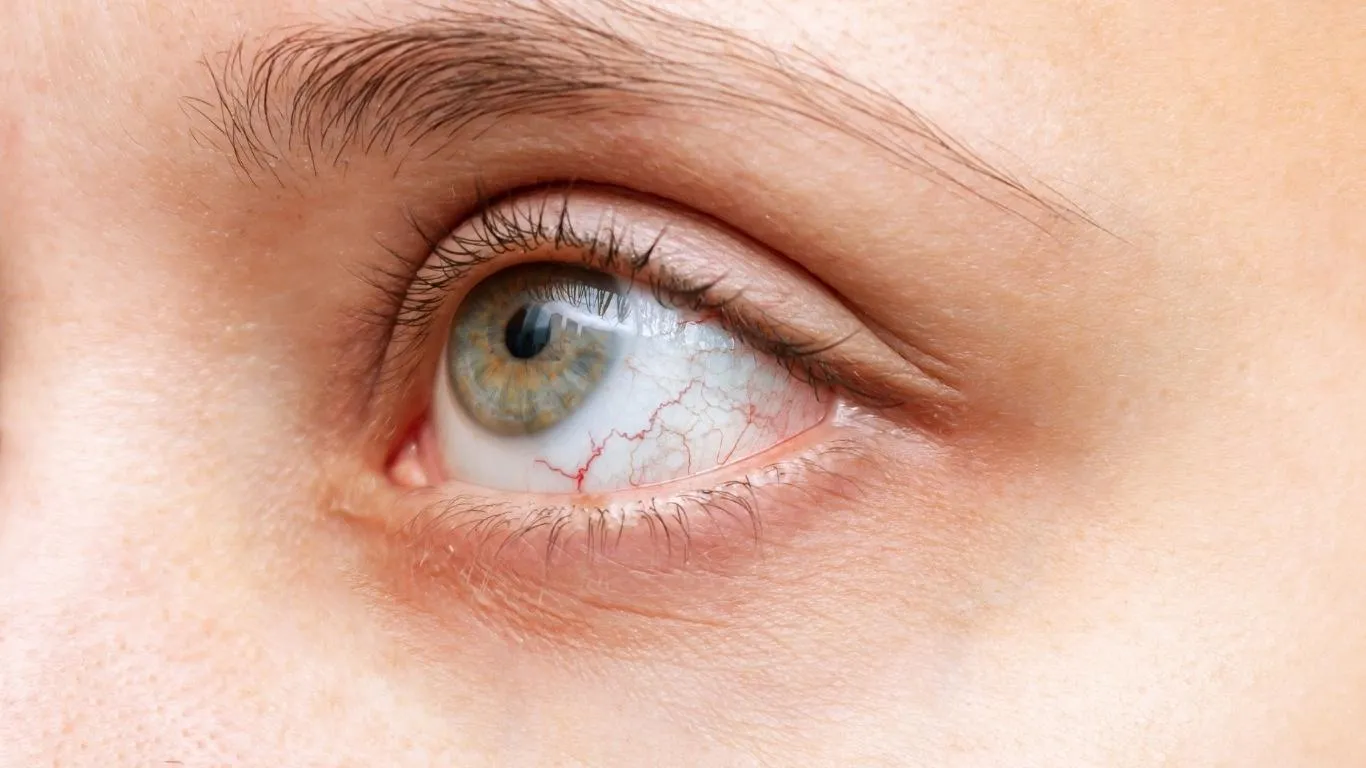
Now, seeing floaters on minimalist backgrounds isn’t automatically a red flag. However, if you suddenly notice a dramatic increase in floaters or they’re accompanied by flashes of light, that’s a different story. It could indicate something like a retinal tear, which requires immediate attention. I once read a case where someone ignored their floaters after switching to a new minimalist phone theme, only to find out they had early-stage retinal detachment risk.
It’s essential to differentiate between benign floaters and warning signs of a more serious condition. This is where understanding the dangerous signs of floaters becomes crucial.
Simple Lifestyle Tweaks That Actually Help (No Magic Cures Here)
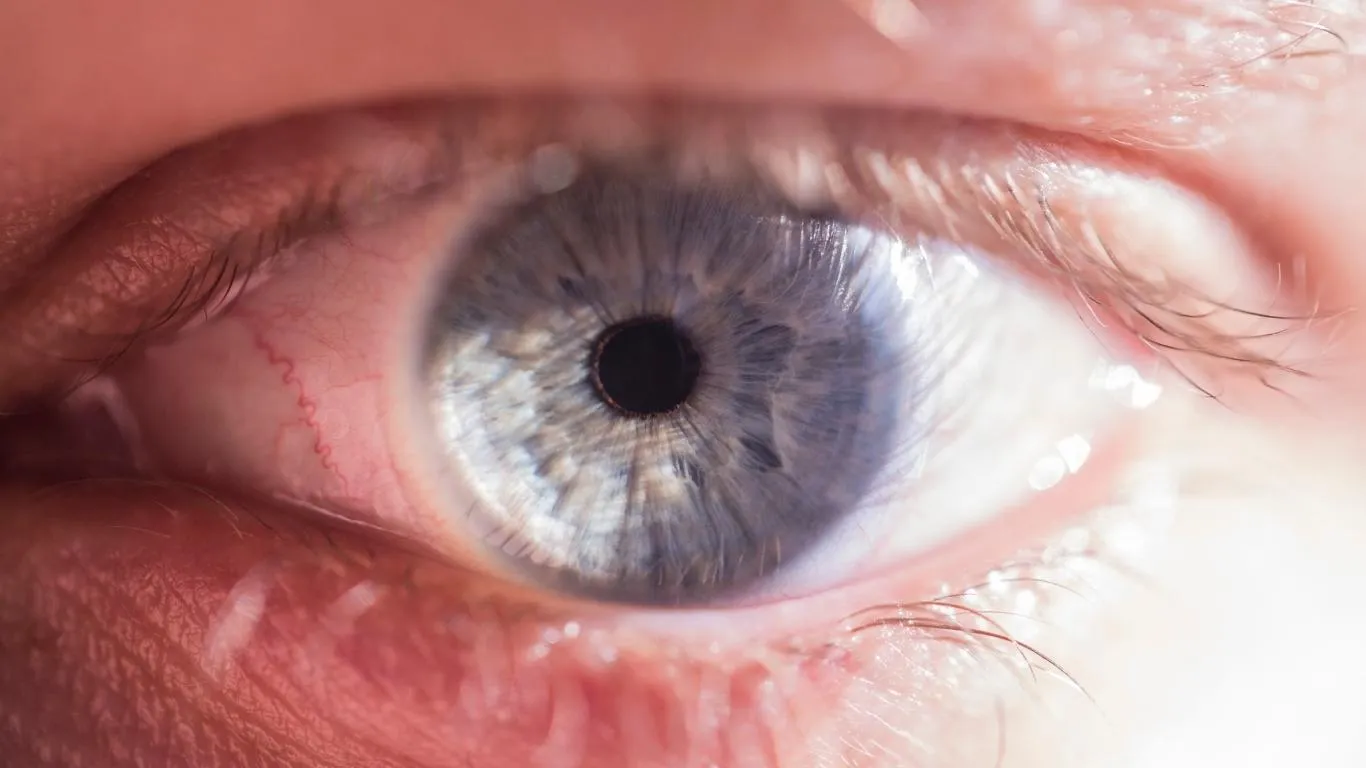
While there’s no proven magic bullet to eliminate floaters, there are a few tweaks you can try to make them less noticeable, especially on minimalist backgrounds:
- Switch to Dark Mode: This is my personal go-to. Dark interfaces reduce contrast, making floaters blend in.
- Adjust Screen Brightness: Lowering brightness can minimize light reflection, which means fewer visible floaters.
- Blink More Often: Sometimes, floaters become more apparent when your eyes are dry. Blinking can help keep your eyes lubricated.
- Take Regular Screen Breaks: The 20-20-20 rule (every 20 minutes, look at something 20 feet away for 20 seconds) is not just for eye strain but helps reduce floater visibility.
For more practical solutions, you can check this guide on reducing floater visibility through small adjustments.
Are Minimalist Lifestyles Secretly Highlighting Eye Floaters?
Funny enough, the current trend towards minimalist aesthetics might be unintentionally making people more aware of their floaters. The clean white walls, neutral-toned workspaces, and those Instagram-perfect minimal homes are like a spotlight on every imperfection in your vision. I once repainted my office in a light beige tone thinking it’d be soothing—only to find myself constantly distracted by floaters whenever I glanced at the wall.
There’s growing discussion on how environments with excessive brightness and lack of texture can enhance floater visibility. According to American Academy of Ophthalmology, contrast sensitivity plays a key role in how we perceive floaters, especially in such settings.
If you find yourself hyper-aware of floaters after switching to a minimalist workspace, you’re not imagining it. The visual simplicity highlights floaters that would otherwise go unnoticed.
When to Stop Ignoring Those Floaters
Let’s be real. Most floaters are harmless. But, as someone who almost brushed off a sudden floater storm (spoiler: I had a minor posterior vitreous detachment), I can’t stress enough how important it is to know when to see a doctor. If floaters come on suddenly, are accompanied by flashes, or you notice a shadow curtain in your vision, book an eye exam—yesterday.
For a comprehensive understanding of floaters, their causes, and treatment options, I highly recommend reading this detailed guide on eye floaters.
Is There Any Way to Get Rid of Floaters for Good?
Let’s cut to the chase. Most floaters are like that one annoying friend who overstays their welcome—harmless but persistent. But if they’re messing with your daily activities, especially when working with bright, minimalist backgrounds, you might start wondering: “Is there a fix?”
The honest answer? Kind of, but not always necessary. There are a few medical options, but they’re not decisions to be made lightly:
- Vitrectomy: A surgical procedure where the vitreous gel (and the floaters in it) is removed. It’s effective but comes with risks like retinal detachment or infections.
- Laser Vitreolysis: A less invasive method using lasers to break up larger floaters. It doesn’t work for everyone, and results can be hit or miss.
I actually spoke with someone who underwent vitreolysis after floaters became unbearable when using minimalist graphic design software. His feedback? The floaters didn’t vanish, but they became less noticeable. If you’re curious about treatment nuances, you can read more on eye floater treatments and what to expect.
Natural Approaches: Fact or Fiction?
Alright, let’s talk about those so-called “natural remedies.” Spoiler alert: No miracle eye drops will dissolve floaters overnight. However, some people (myself included) have noticed subtle improvements through lifestyle adjustments:
- Hydration Matters: I used to underestimate how dehydration made my floaters worse, especially after a long day in front of bright screens. Simple fix—drink more water.
- Diet Tweaks: Foods rich in antioxidants and collagen-supporting nutrients might not erase floaters but can help maintain overall eye health.
- Eye Exercises: Eye rolling and focusing exercises sometimes help shift floaters out of your central vision, even if temporarily.
While science hasn’t fully backed these methods, many swear by subtle improvements. For a deeper dive into the reality of natural remedies, you can explore this breakdown on natural ways to manage eye floaters.
Digital Minimalism Might Be Your Best Ally
This one’s personal. After years of battling floaters while designing clean, white-background websites, I realized it wasn’t just my eyes—it was my environment. Enter digital minimalism. I’m not talking about living in a cabin with no Wi-Fi, but simple changes like:
- Using dark mode wherever possible (apps, browser, OS settings).
- Choosing themes with soft neutral tones instead of bright whites.
- Adjusting contrast and brightness to reduce visual strain.
These subtle tweaks don’t eliminate floaters, but they make working with minimalist backgrounds a lot more bearable. It’s a practical approach for those not keen on medical procedures.
When Should You Actually See an Eye Specialist?
Not every floater sighting requires a doctor visit, but you should definitely not ignore:
- A sudden storm of new floaters.
- Accompanying flashes of light or “lightning streaks”.
- A curtain or shadow obscuring part of your vision.
These could be early signs of retinal detachment or other serious conditions. I once delayed a visit, assuming my new floaters were just because of overworking, but it turned out to be a posterior vitreous detachment. Luckily, it resolved without surgery, but it was a wake-up call.
If you’re unsure, it’s always safer to consult an ophthalmologist. Resources like the Mayo Clinic provide excellent guidance on symptoms that shouldn’t be ignored.
Managing Floaters in a World Obsessed with Minimalism
Let’s face it—minimalist design isn’t going anywhere. Whether it’s your favorite productivity app or your home decor, simplicity is in. But for those of us dealing with floaters, this trend can make everyday tasks visually frustrating.
What worked for me was striking a balance. I didn’t ditch minimalist aesthetics, but I adjusted environments to be more floater-friendly. Here are a few tips that genuinely helped:
- Soft Wall Colors: Avoid pure whites. Off-whites or light grays make a huge difference.
- Textured Wallpapers: Subtle textures help distract the eye, making floaters less intrusive.
- Ambient Lighting: Soft, diffused lighting minimizes sharp contrasts, reducing floater prominence.
It’s also essential to understand the root causes of floaters. A great resource is this article on common causes of eye floaters to give you better context.
The Mental Toll of Persistent Floaters (And How I Coped)
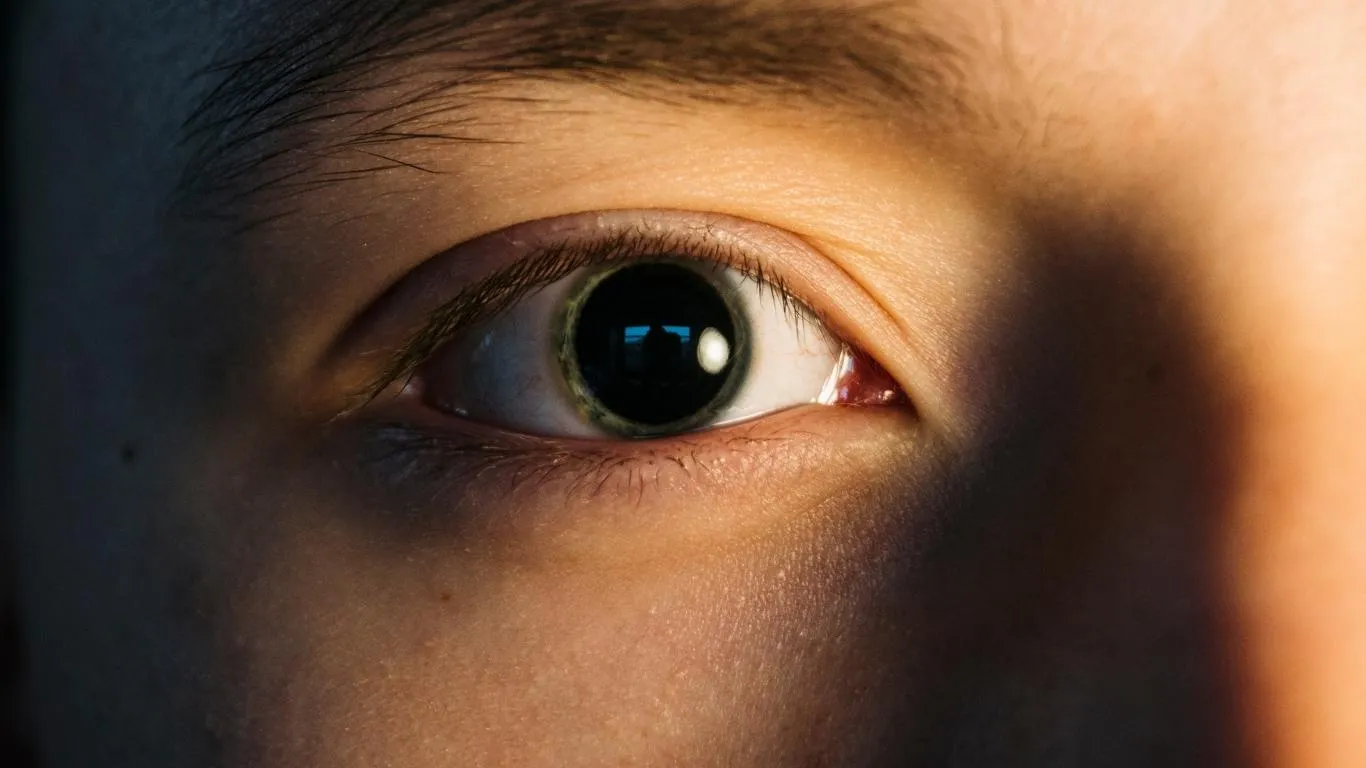
Here’s something often overlooked—the psychological impact. Floaters may not be life-threatening, but they can be mentally exhausting. I went through phases of frustration, obsessively searching my vision every time I opened a blank document. Over time, it took a toll on my focus and mood.
What helped? Mindful detachment. A combination of eye breaks, breathing exercises, and learning to not fixate on the floaters (as hard as that sounds) gradually reduced my awareness of them.
In some cases, people dealing with floaters also experience stress-induced episodes where floaters seem to increase. If you’ve noticed this pattern, check out this article on relieving stress-induced eye floaters.

Camellia Wulansari is a dedicated Medical Assistant at a local clinic and a passionate health writer at Healthusias.com. With years of hands-on experience in patient care and a deep interest in preventive medicine, she bridges the gap between clinical knowledge and accessible health information. Camellia specializes in writing about digestive health, chronic conditions like GERD and hypertension, respiratory issues, and autoimmune diseases, aiming to empower readers with practical, easy-to-understand insights. When she’s not assisting patients or writing, you’ll find her enjoying quiet mornings with coffee and a medical journal in hand—or jamming to her favorite metal band, Lamb of God.