Why Floaters Stand Out While Viewing Minimalistic Paintings
Last weekend, I found myself lost in a gallery filled with minimalist paintings — the kind with vast, empty spaces and subtle color gradients. Yet, as I admired the simplicity, there was something else floating across my vision: those pesky eye floaters. You know, the transparent squiggly lines that drift when you move your eyes? They were more noticeable than ever against those serene, blank canvases. This isn’t just my story; countless others experience floaters while viewing minimalist art, and it’s a visual distraction many don’t talk about openly.
Why Do Floaters Stand Out More Against Minimalist Paintings?
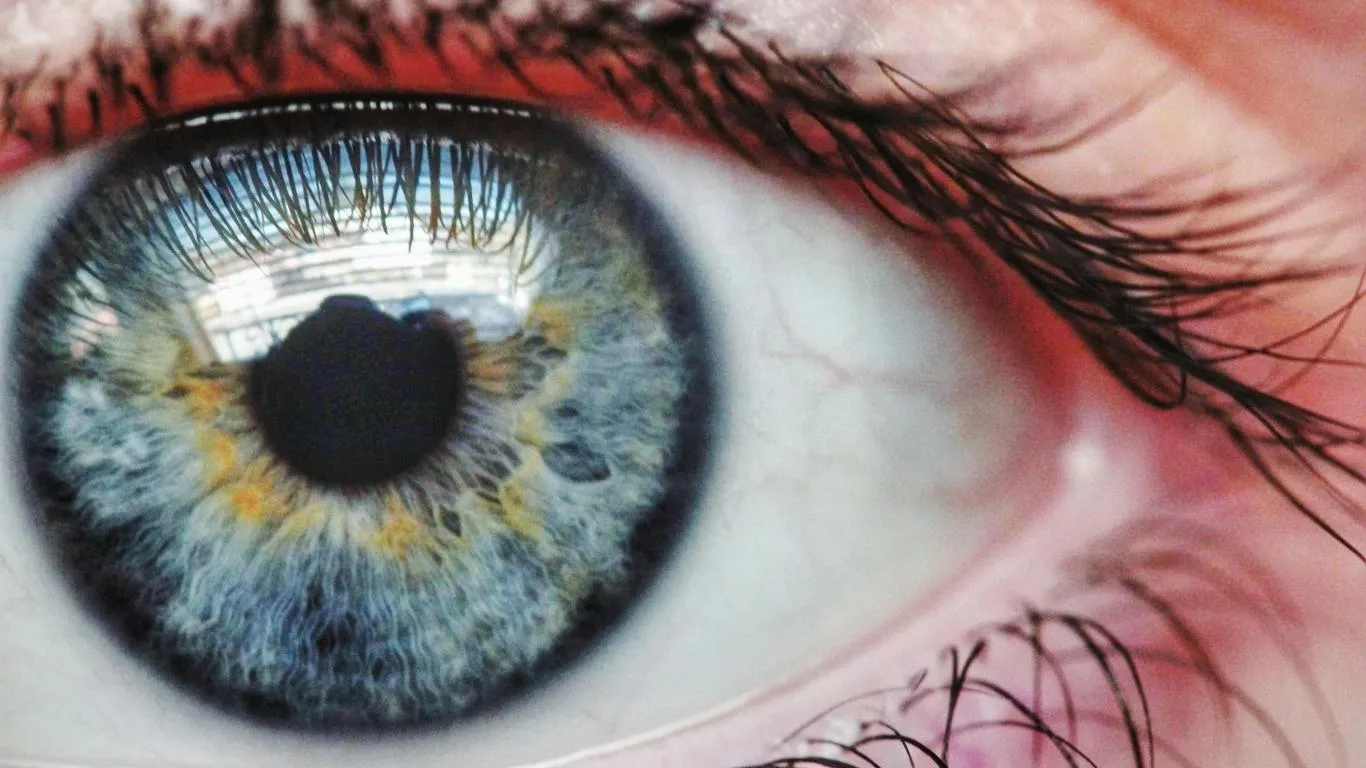
Minimalist paintings, by design, have large areas of plain, light backgrounds. This creates the perfect backdrop for floaters to reveal themselves. Floaters are tiny clumps of collagen or cells inside the vitreous gel of your eye. When light passes through your eyes and hits a uniform surface—like a white canvas or pastel gradient—the shadows of these floaters become glaringly apparent.
It’s no coincidence that museums and galleries, with their bright lighting and simple backdrops, are prime spots for these visual interruptions. This phenomenon is often mentioned in discussions about floaters under artificial lighting, but when it comes to minimalist art, it feels almost personal.
Are Floaters a Sign of an Underlying Eye Condition?
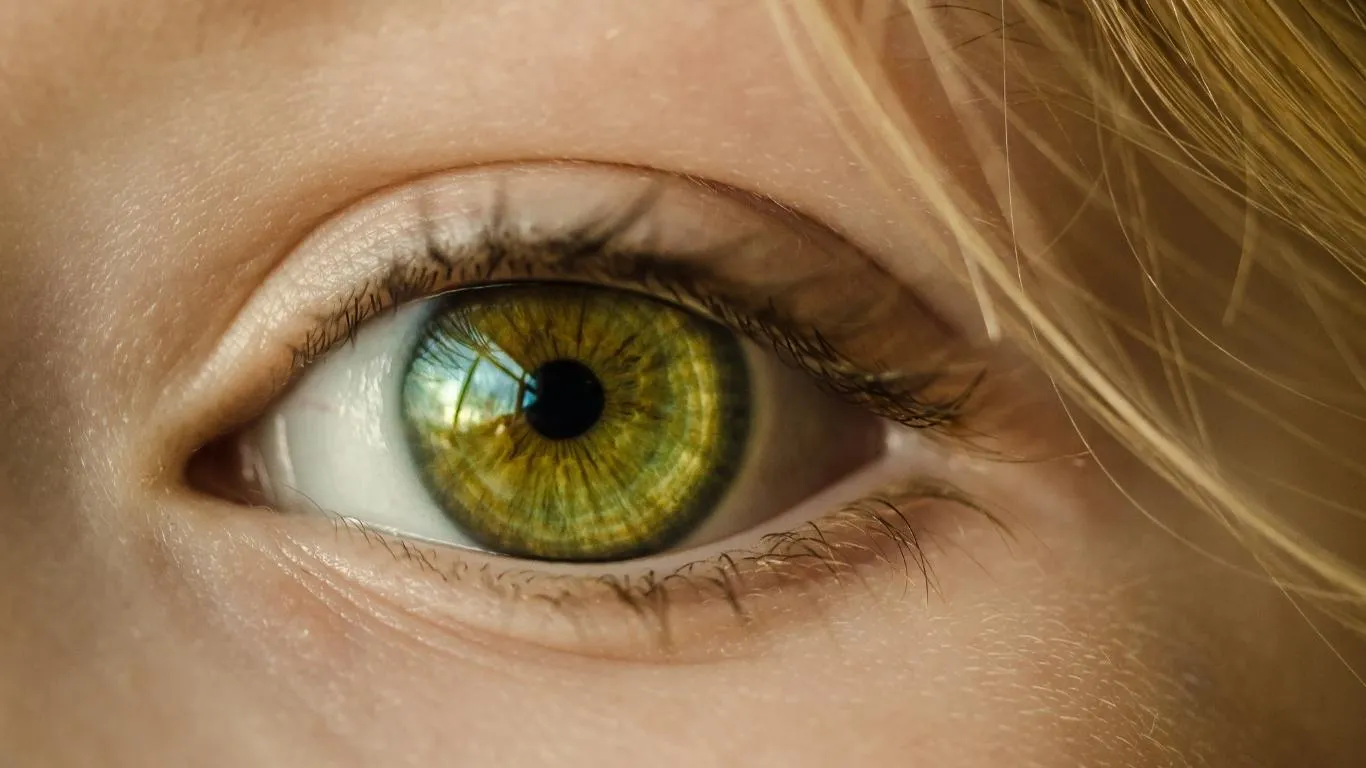
While most floaters are harmless and part of the natural aging process, they can sometimes signal a more serious issue. Sudden bursts of floaters, especially when accompanied by flashes of light or peripheral vision loss, could indicate retinal detachment—a medical emergency. You can read more on this in our comprehensive article about floaters preceding retinal tears.
But for most people like me, floaters are benign but irritating. Interestingly, people with high myopia (severe nearsightedness) tend to notice floaters more often, especially when doing activities that involve focusing on blank spaces, like viewing minimalist art. For more insights on how myopia affects floater visibility, check out this article.
Can Lighting Conditions Make Floaters Worse?
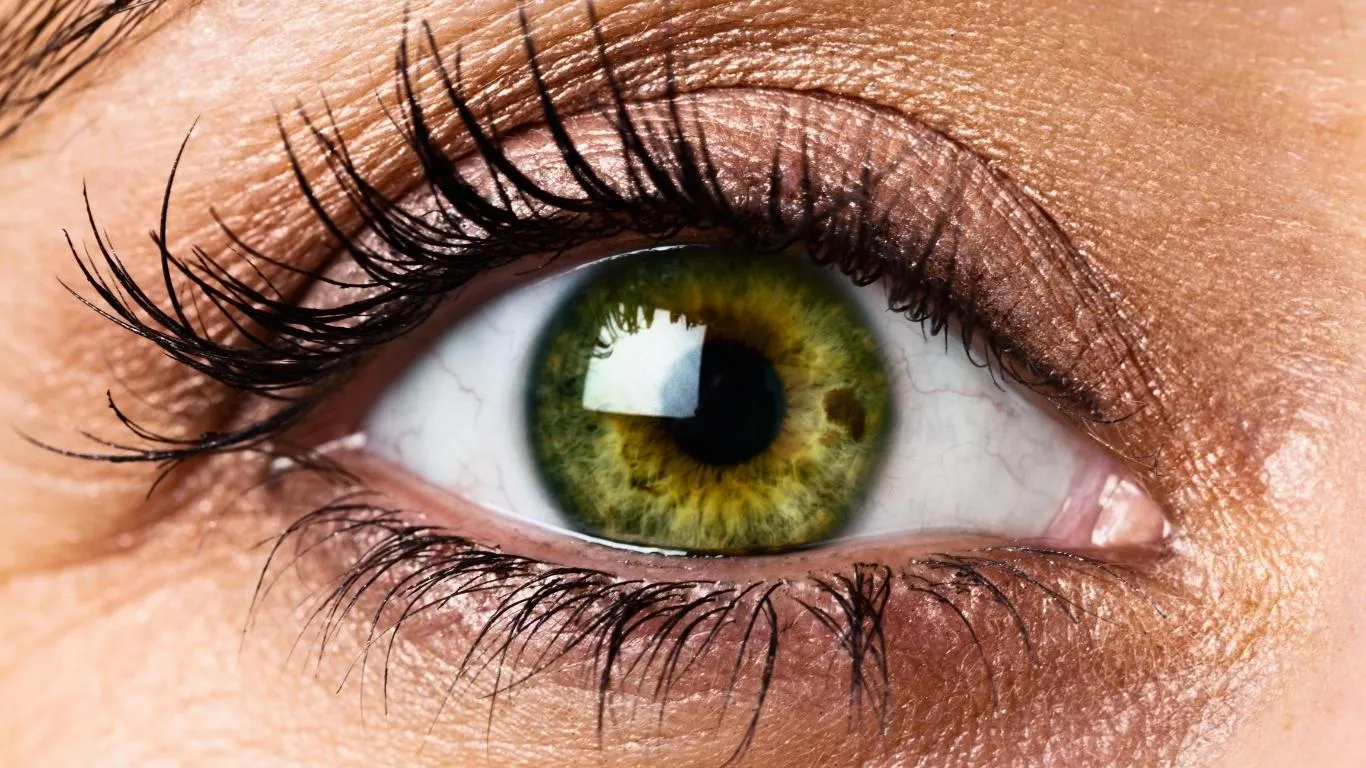
Absolutely. The combination of bright gallery spotlights and light-reflective paintings is notorious for making floaters more prominent. Strong, direct lighting floods your eye, creating the perfect conditions for those microscopic floaters to cast shadows on your retina.
I often notice this when visiting art exhibitions where the lighting is designed to eliminate canvas imperfections but unintentionally highlights my own visual imperfections. This is why some floaters are more visible under certain lighting environments, a phenomenon also explored in our post on how bright lights make floaters more visible.
Tips to Minimize Floater Distractions in Art Galleries
- Adjust Your Viewing Angle: Slightly tilting your head or shifting your position can alter how light enters your eye, which may reduce floater visibility.
- Take Visual Breaks: Look at textured or darker artworks intermittently to give your eyes relief from the light backgrounds.
- Stay Hydrated: Dehydration can exacerbate floater perception. Keeping your body well-hydrated helps maintain the vitreous gel’s consistency.
Are There Any Solutions to Get Rid of Floaters?
For most, floaters are just an annoying visual quirk, but there are solutions ranging from non-invasive to surgical. The two primary medical treatments include:
- Laser Vitreolysis: A non-invasive laser treatment that breaks down larger floaters into smaller, less noticeable particles.
- Vitrectomy: A surgical procedure where the vitreous gel, along with its floaters, is removed and replaced with a saline solution. This is typically reserved for severe cases.
While surgical options are effective, they carry risks. That’s why many experts recommend observational management, especially if floaters aren’t severely impacting daily life. You can explore more treatment methods in our detailed guide on eye floater treatments.
Natural Remedies: Fact or Fiction?
I’ve been asked numerous times if natural methods like diet, supplements, or eye exercises can actually reduce floaters. While there’s no scientific evidence proving these methods can eliminate floaters, some people report subjective improvements. Consuming foods rich in antioxidants and staying hydrated might help maintain overall eye health, but managing expectations is key.
If you’re curious about alternative approaches, read our article on natural ways to manage eye floaters.
When to Be Concerned About Floaters?
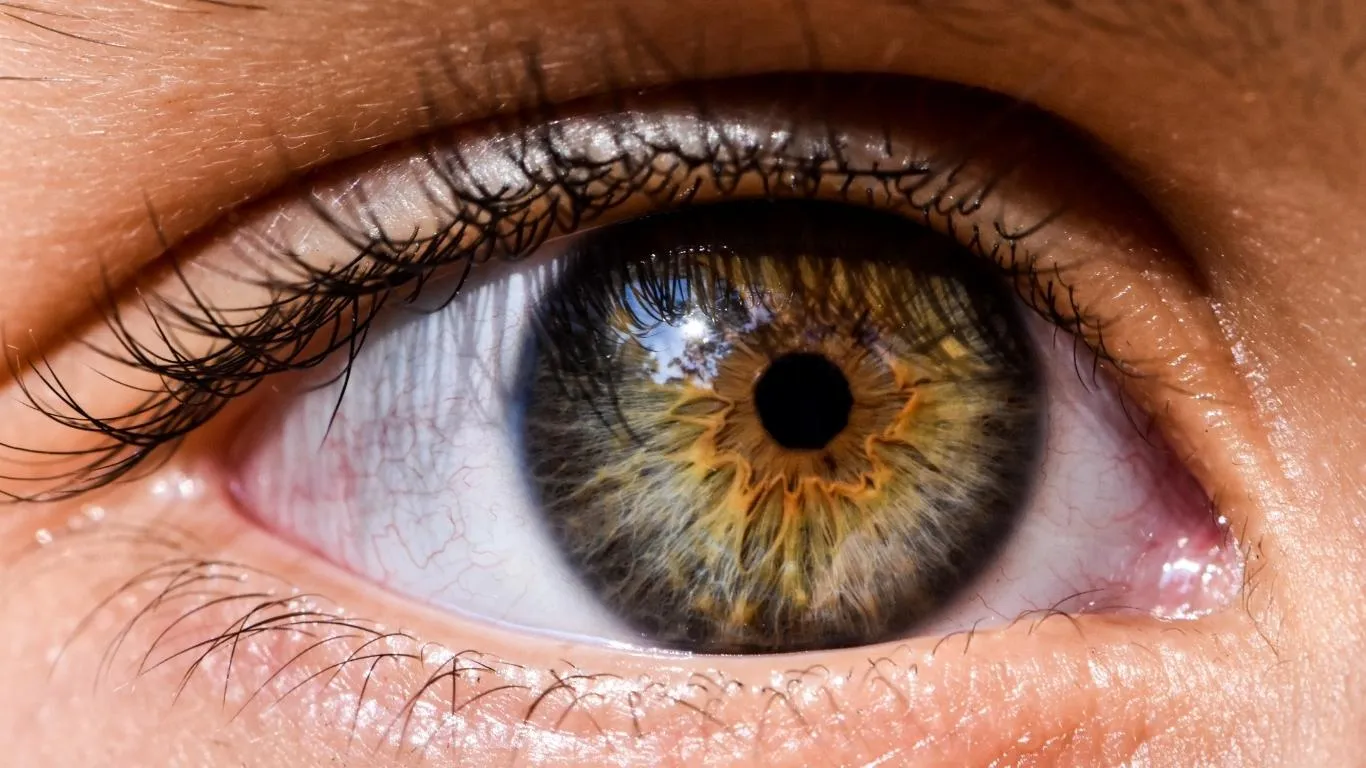
Though common, floaters should not always be dismissed. If you suddenly notice a rapid increase in floaters, flashes of light, or a curtain-like shadow over your vision, it’s essential to consult an eye specialist immediately. These could be symptoms of a retinal tear or detachment.
To learn more about the signs that indicate a serious underlying problem, refer to our in-depth resource on when eye floaters are dangerous.
For a full breakdown on what causes floaters, their symptoms, and the latest treatment options, check out our main pillar guide on eye floaters.
Can Lifestyle Changes Reduce Floater Visibility in Minimalist Settings?
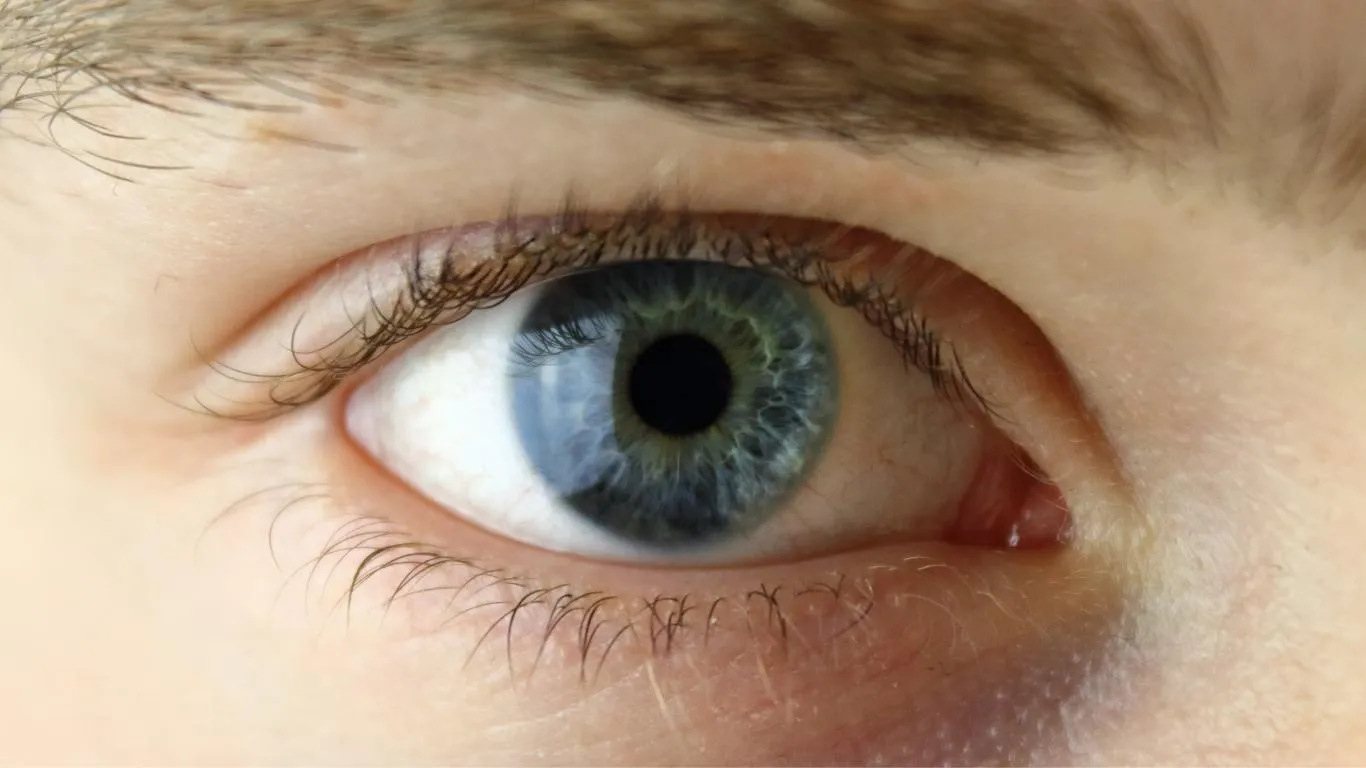
From my personal experience, while floaters themselves may not vanish with lifestyle tweaks, their *visibility*—especially in stark minimalist environments—can be reduced. Small adjustments in daily habits often make a significant difference. For instance, ensuring adequate sleep, staying hydrated, and reducing screen time help keep my floaters from becoming more intrusive when I’m viewing light-toned artworks.
There’s growing discussion about how digital screens contribute to floater discomfort. Long hours of screen exposure, especially in dim surroundings, tend to worsen the perception of floaters. If you’re curious how screen habits tie into floater visibility, read this detailed article.
Eye-Friendly Habits to Incorporate
- Practice the 20-20-20 Rule: Every 20 minutes, look at something 20 feet away for 20 seconds.
- Optimize Room Lighting: Avoid high-contrast light settings. Soft, indirect lighting reduces floater shadows.
- Gentle Eye Exercises: Slow circular eye movements can sometimes shift floaters out of the central vision path.
I’ve incorporated these habits into my daily routine, and while my floaters haven’t disappeared, they’ve become far less intrusive—especially when appreciating minimalist spaces or even scrolling through clean, white interfaces on my devices.
When Floaters Become a Mental Distraction
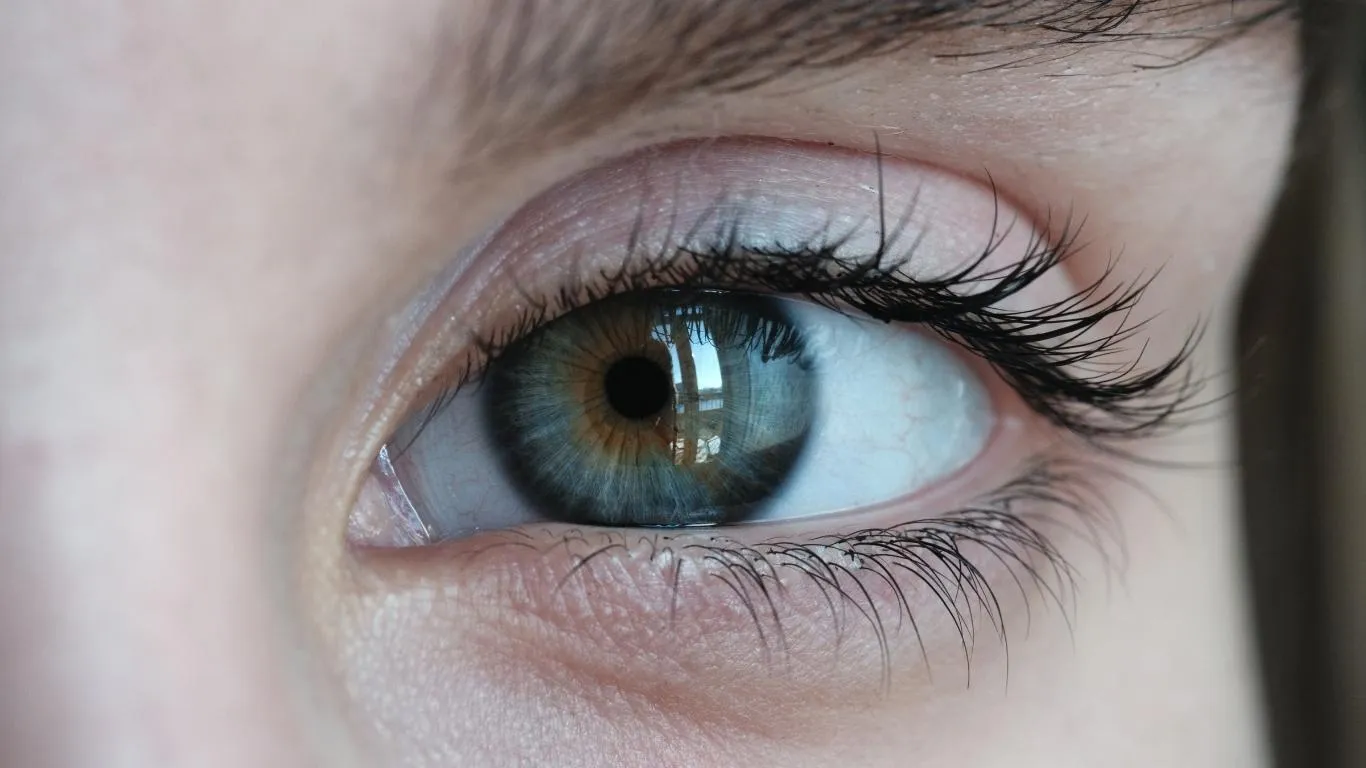
Let’s be honest—floaters aren’t just a physical annoyance; they can take a mental toll too. The more you focus on them, the more bothersome they seem. I’ve personally had gallery visits where I couldn’t concentrate on the art because my brain was hyper-focused on those floating shadows. This visual distraction has been linked to stress and anxiety, especially in visually sensitive individuals. Learn more about the subtle psychological impact of floaters in this insightful article.
Simple Mindset Shifts That Help
- Acknowledge Their Presence: Instead of fighting the floaters mentally, acknowledging them reduces their psychological grip.
- Shift Focus Intentionally: Practice redirecting your visual attention to the textures and details of minimalist paintings, rather than the blank spaces where floaters appear.
- Mindfulness Practices: Incorporate breathing exercises when viewing art. This not only calms the mind but subtly shifts how your brain processes visual interruptions.
It’s fascinating how much of a difference these subtle mental shifts make. Over time, I found myself enjoying art exhibitions again, floaters and all.
Are Certain People More Prone to Floaters in Minimalist Environments?
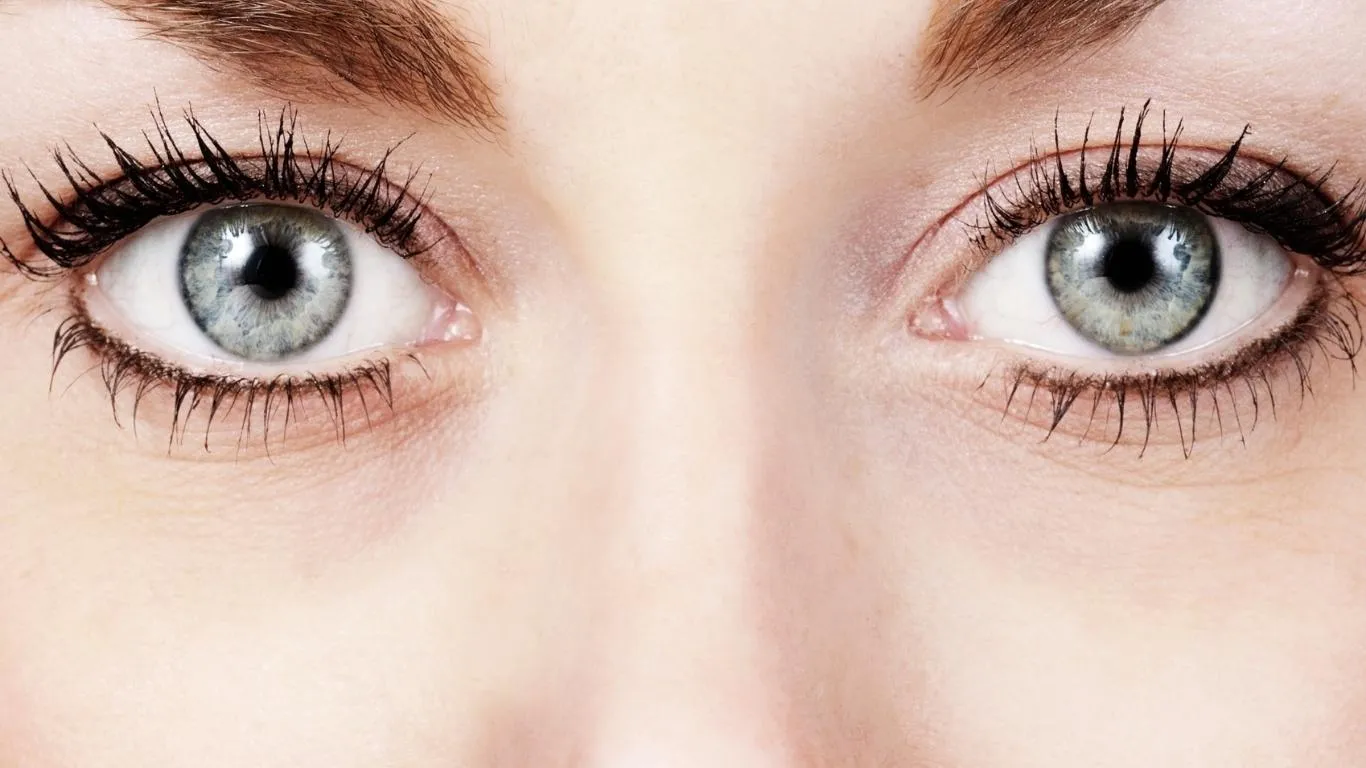
Yes, and I fall into that category. People with nearsightedness, those over 40, or individuals who’ve had certain eye surgeries tend to notice floaters more prominently. Aging plays a big role due to the natural degeneration of the vitreous gel inside the eye, which becomes more liquid over time, allowing debris to float more freely. This phenomenon is covered in-depth in our guide on age-related vitreous changes.
Additionally, individuals who spend prolonged periods in visually monotonous environments—like white-walled offices or minimalist homes—report an increased awareness of floaters. It’s a common issue among artists, designers, and even those who enjoy minimalist home decor. You’d be surprised how often this comes up in conversations about floaters in young, healthy adults.
Can Supplements Improve Floater Clarity?
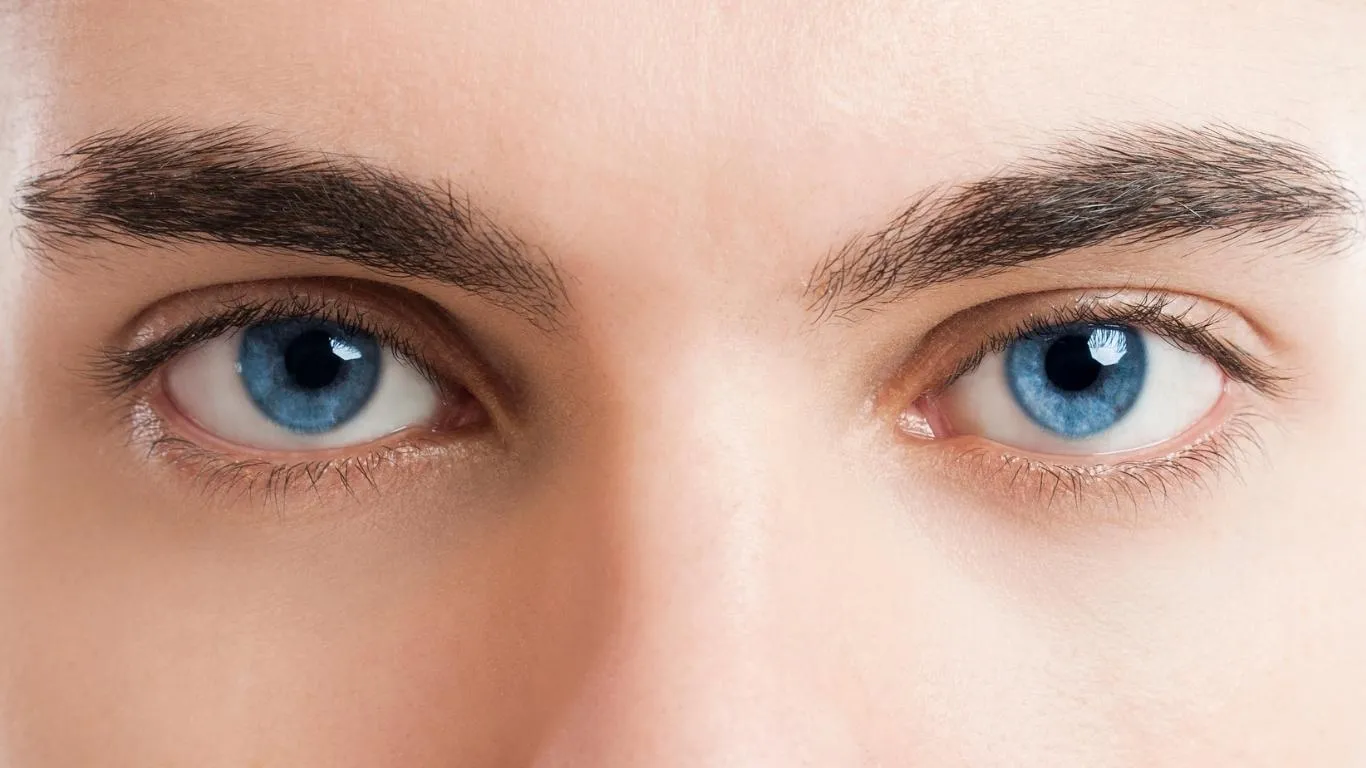
While there’s no magic pill to eliminate floaters, some supplements may support overall eye health and help minimize their prominence. Personally, I noticed a slight improvement after integrating Omega-3 fatty acids and antioxidant-rich foods into my diet. Though scientific evidence is limited, many eye health professionals advocate for nutrient support as a complementary approach.
For more information on the best dietary choices that could support vitreous clarity, check out our piece on diet changes for floater relief.
Key Nutrients to Focus On
- Vitamin C: Supports collagen health within the vitreous body.
- Lutein and Zeaxanthin: Protect against oxidative stress.
- Omega-3 Fatty Acids: Known for their anti-inflammatory properties.
Before starting any supplement regimen, it’s always best to consult with an eye care professional. Not all floaters will respond to dietary changes, but maintaining overall eye health is never a bad idea.
Are There Any Future Treatments for Floaters?

The medical community is continuously researching new, less invasive solutions for floaters. Some promising advancements include enzymatic vitreolysis—a procedure that could dissolve floaters using injectable enzymes. While still in experimental stages, it offers hope for those reluctant to undergo surgery.
Another interesting direction is the use of adaptive lenses that adjust light diffraction to minimize floater shadows. Though not commercially available yet, they represent an exciting frontier in floater management. For now, the best approach is staying informed and discussing evolving treatment options with your eye care provider.
For a thorough breakdown of floater causes and available treatments, visit our comprehensive guide on eye floater causes.

Camellia Wulansari is a dedicated Medical Assistant at a local clinic and a passionate health writer at Healthusias.com. With years of hands-on experience in patient care and a deep interest in preventive medicine, she bridges the gap between clinical knowledge and accessible health information. Camellia specializes in writing about digestive health, chronic conditions like GERD and hypertension, respiratory issues, and autoimmune diseases, aiming to empower readers with practical, easy-to-understand insights. When she’s not assisting patients or writing, you’ll find her enjoying quiet mornings with coffee and a medical journal in hand—or jamming to her favorite metal band, Lamb of God.