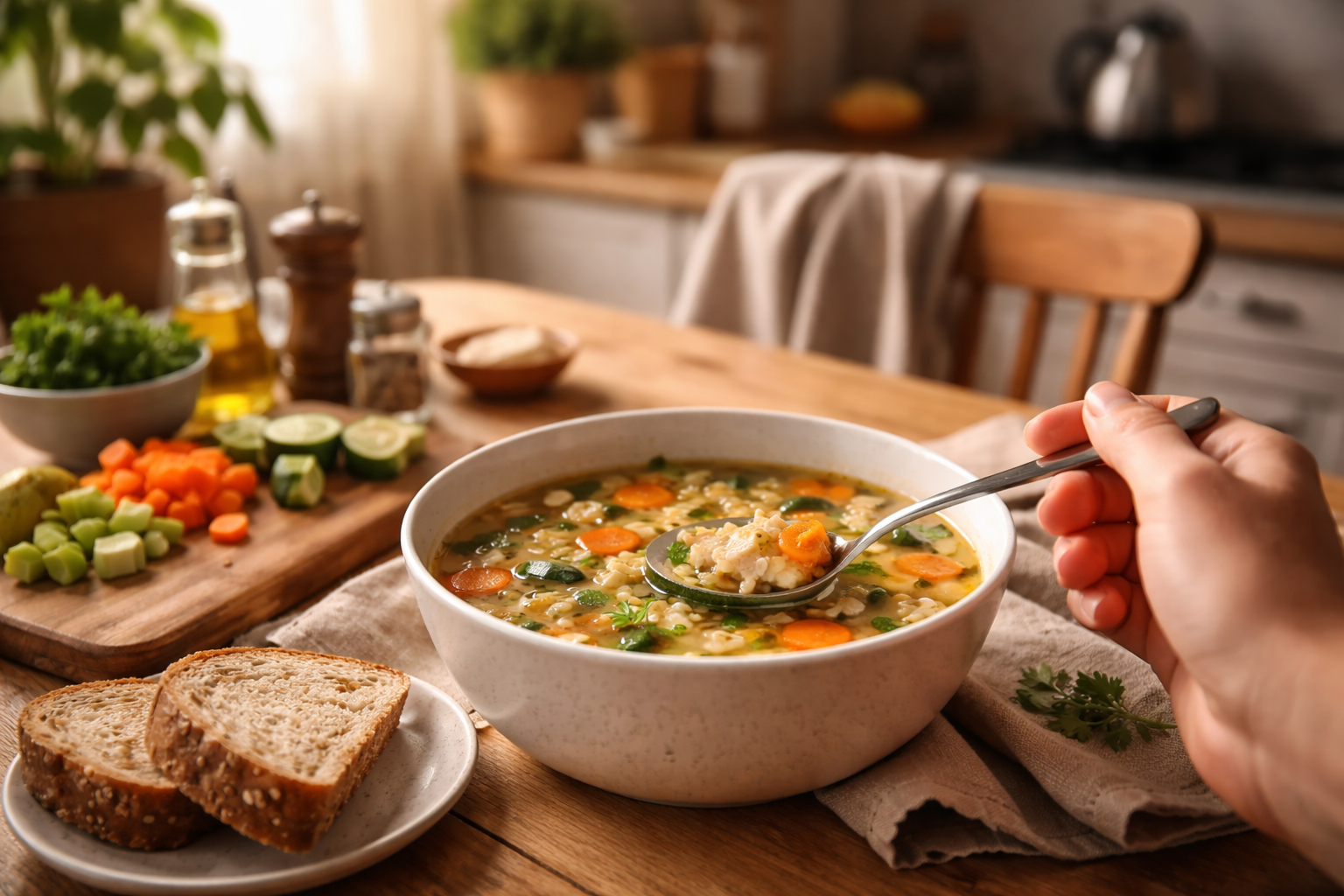
Kidney Friendly Soups: Warm and Healthy Options for CKD Diet
On a chilly evening, a warm bowl of soup often feels like the easiest comfort food. But for people living with chronic kidney disease (CKD), that simple choice can come with questions. Is it too salty? Does it contain ingredients that strain the kidneys? Many people find themselves rethinking even familiar meals. That’s where kidney friendly soups come in—offering warmth, nourishment, and peace of mind when prepared thoughtfully.
What Makes Kidney Friendly Soups Different?
At a glance, soup might seem like a healthy option. But for individuals managing kidney health, the details matter. Kidney friendly soups are designed to reduce strain on the kidneys while still providing satisfying flavor and nutrition.
In general, these soups focus on:
- Lower sodium levels to help manage blood pressure and fluid balance
- Controlled potassium and phosphorus depending on individual needs
- Balanced protein intake, especially for those in later stages of CKD
Many store-bought soups contain high levels of sodium and preservatives, which can make them less suitable. That’s why homemade versions often become the go-to choice. For a broader look at how sodium affects kidney health, this simple guide to reducing salt in your meals can help connect the dots.
What sets kidney friendly soups apart isn’t just what they avoid—it’s also how they’re built. Herbs, spices, garlic, onion, and fresh ingredients often replace salt-heavy flavoring. The result is a lighter, more balanced dish that still feels comforting.
Struggling to Plan Kidney-Safe Meals Every Day?
Many people feel unsure about what foods truly support kidney health. Structured programs can take the guesswork out and offer clear meal guidance.
Explore simple, step-by-step kidney-friendly plans
Factors That Shape a Kidney-Friendly Soup
Not all soups are created equal, and several factors influence whether a recipe fits into a CKD-friendly diet.
1. Sodium Content
This is often the biggest concern. Even soups that seem healthy—like vegetable or chicken broth—can contain surprisingly high sodium levels. Many people notice that reducing salt takes time, but over a few weeks, taste preferences often adjust.
2. Ingredients Used
Certain vegetables and proteins can affect potassium and phosphorus levels. For example, tomatoes, potatoes, and dairy-based broths may need to be limited depending on individual dietary recommendations.
Understanding which foods fit into your routine becomes easier with a broader reference like this helpful renal diet food overview.
3. Cooking Method
Homemade soups allow better control. Slow simmering fresh ingredients helps build flavor without relying on processed bases. In everyday routines, this small shift can make a meaningful difference.
4. Portion Size
Even kidney friendly soups need to be portion-conscious. Fluids can add up quickly, especially for those managing fluid intake. A moderate serving often works better than a large bowl.
Common Experiences When Adjusting to Kidney Friendly Soups
Shifting eating habits can feel overwhelming at first. Many people describe a similar pattern when transitioning to kidney-conscious meals.
“Everything tastes bland at first”
This is one of the most common reactions. Without heavy salt, flavors can feel muted initially. Over time, however, the natural taste of ingredients becomes more noticeable, and herbs start to shine.
“I’m not sure what I can eat anymore”
Soup ingredients often overlap with foods that may need monitoring. This uncertainty can lead to avoiding meals altogether or relying too heavily on a limited set of foods.
“It feels time-consuming”
Preparing homemade soups does take effort, especially compared to opening a can. But many people find that cooking larger batches and freezing portions makes the process more manageable.
For those trying to expand beyond soups, exploring easy meal ideas that fit kidney needs can help bring more variety back into daily eating.
Practical Ways to Make Kidney Friendly Soups at Home
Creating soups that support kidney health doesn’t require complicated recipes. Small adjustments often make the biggest impact.
Start with a Low-Sodium Base
Instead of store-bought broth, try making your own using water, garlic, onion, and herbs. If using packaged broth, look for low-sodium versions and dilute them with water.
Choose Vegetables Thoughtfully
Some vegetables are naturally lower in potassium, such as:
- Green beans
- Cabbage
- Carrots (in moderation)
- Zucchini
Rotating ingredients helps maintain balance without feeling restrictive.
Use Herbs and Spices Generously
Flavor doesn’t have to come from salt. Consider:
- Fresh parsley or cilantro
- Bay leaves
- Black pepper
- Lemon juice for brightness
Many people notice that adding acidity (like lemon) enhances flavor without adding sodium.
Watch Protein Portions
Depending on your needs, soups can include small amounts of chicken, fish, or plant-based protein. The goal is balance, not elimination.
Prepare in Batches
Cooking once and freezing portions saves time and ensures you always have a kidney-friendly option available. In everyday routines, this can reduce the temptation to rely on high-sodium convenience foods.
When People Start Looking for More Structured Help
At some point, many people realize that knowing general tips isn’t always enough. The details—how much sodium, which vegetables, how often—can start to feel unclear.
This is where a common gap appears: having information but not a clear plan.
For example, someone might understand the basics of kidney friendly soups but still feel unsure about how to build a full day of meals. That uncertainty can lead to repeating the same dishes or second-guessing food choices.
Some people begin exploring more structured guidance, such as this approach to supporting kidney function through daily habits, to bring more clarity into their routine.
Others simply want reassurance that they’re on the right track—especially when managing CKD over the long term. A broader starting point can also be found in this complete CKD overview hub, which connects the dots between diet, lifestyle, and overall kidney care.
Simple Kidney Friendly Soup Ideas to Try
If you’re looking for inspiration, here are a few gentle starting points:
- Vegetable herb soup: A mix of cabbage, carrots, and green beans with garlic and parsley
- Chicken and rice soup: Small portions of lean chicken with white rice and mild seasoning
- Zucchini and onion soup: Light, simple, and easy to digest
- Clear broth with noodles: Using low-sodium broth and basic ingredients
These options keep things simple while still offering warmth and comfort.
Frequently Asked Questions
Are all homemade soups kidney friendly?
Not always. Even homemade soups can become high in sodium or potassium depending on the ingredients used. The key is being mindful of what goes into the pot.
Can I use canned vegetables in soups?
Yes, but it helps to rinse them thoroughly to reduce sodium. Choosing no-salt-added options is even better when available.
How often can I eat soup on a CKD diet?
This depends on individual dietary needs, especially fluid restrictions. Many people include soup a few times a week in moderate portions.
Do kidney friendly soups have to be bland?
No. While they may taste different at first, using herbs, spices, and fresh ingredients can create rich and satisfying flavors over time.
Finding Comfort in Kidney Friendly Soups
Kidney friendly soups are more than just a dietary adjustment—they’re a way to keep comfort foods in your life while supporting your health. With a few thoughtful changes, familiar meals can still feel enjoyable and nourishing.
If you’re looking to go beyond individual recipes and build a more consistent approach, exploring structured guidance like a step-by-step kidney support guide can help bring everything together in a practical way.
Start simple, adjust gradually, and give yourself time to adapt. Small, steady changes often lead to the most sustainable results.

Robin Abbott is a wellness and lifestyle writer at Healthusias, focusing on everyday health awareness, habits, and life optimization through clear, non-medical explanations.