Stop Medication-Overuse Headache Patterns Before They Spiral
I used to think my migraines were just random—maybe triggered by stress, maybe hormones, or lack of sleep. But then a pattern started emerging. I realized I was reaching for over-the-counter meds like candy, thinking I was being proactive. Turns out, I was digging myself into a deeper migraine hole. Welcome to the world of medication-overuse headache patterns—a cycle that’s way more common than you’d think, yet oddly under-discussed.
Understanding Medication-Overuse Headache (MOH)
Also known as rebound headaches, Medication-Overuse Headaches (MOH) happen when you take pain-relief medication too frequently—ironically causing more headaches instead of fewer. It’s like putting out a fire with gasoline. Most people fall into this trap unknowingly, especially those who deal with chronic migraines and tension headaches.
How It Starts
You get a migraine. You pop a painkiller. It works. But the headache creeps back sooner the next time. So, you take more meds. And then more. Eventually, you’re in a cycle of frequent headaches—often daily—that only feel better temporarily with medication, then come back stronger.
The tricky part is that it mimics chronic migraine, so many sufferers don’t realize what’s actually happening. The solution isn’t always about better medication, but often about proper diagnosis and treatment planning.
What Medications Are Usually Involved?
- Triptans – Popular for treating migraines, but overuse can backfire.
- NSAIDs like ibuprofen – Easy to access and overdo.
- Acetaminophen – Often taken daily without considering limits.
- Combination analgesics – Those caffeine-packed meds are particularly risky.
Even “safe” meds become problematic when they’re used more than a couple of days a week. According to CDC, MOH is a leading cause of chronic daily headache worldwide—and the majority of patients don’t realize their own meds are the culprit.
Spotting the Pattern: Are You in the Loop?
I didn’t catch the pattern at first. My mornings were foggy. I’d wake up with dull head pressure, which slowly built into full-blown pain by lunch. What did I do? Took another dose. That brought some relief—but it never lasted. Eventually, the headache became my new baseline.
Common Symptoms of Medication-Overuse Headache:
- Headaches occurring more than 15 days per month
- Temporary relief from medication, but return of pain within 24 hours
- Morning headaches that worsen throughout the day
- Increased medication tolerance
- Restlessness, anxiety, or brain fog during “pain-free” periods
MOH doesn’t feel all that different from regular migraines at first. But if you’re tracking symptoms (I started using a simple migraine diary), you’ll start noticing some scary trends—especially when medication is your daily go-to.
Who’s Most at Risk?
People with chronic or frequent migraines are at high risk. But it’s not just about frequency. Factors like stress, hormonal triggers, poor sleep, or underlying mental health conditions like anxiety can lead you down the path of overuse.
And then there’s access. If your medicine cabinet looks like a mini-pharmacy, it becomes dangerously easy to self-medicate instead of address the root issue. It happened to me. What started as an innocent extra tablet after a long meeting spiraled into weeks of rebound misery.
Getting Off the Rollercoaster
The worst part about MOH is that the solution usually begins with stopping or drastically cutting back on medication—at least temporarily. And yes, that part can suck. But it’s a crucial first step.
Steps Toward Breaking the Cycle:
- Talk to a neurologist – MOH requires tailored care, not guesswork. More info on working with a specialist.
- Gradual withdrawal – Stopping suddenly can make symptoms worse. Plan a taper with your doctor.
- Start preventive treatment – That might include lifestyle changes or medications like CGRP inhibitors. (Learn more here.)
- Consider non-med approaches – Tools like CBT therapy or biofeedback can help support long-term relief.
I leaned heavily on natural migraine remedies and yoga during my recovery from rebound headaches. It wasn’t instant, but within a month or so, my baseline pain levels started to drop, and I could function again without panicking about when the next headache would hit.
Rebuilding a Life Without Rebound Headaches
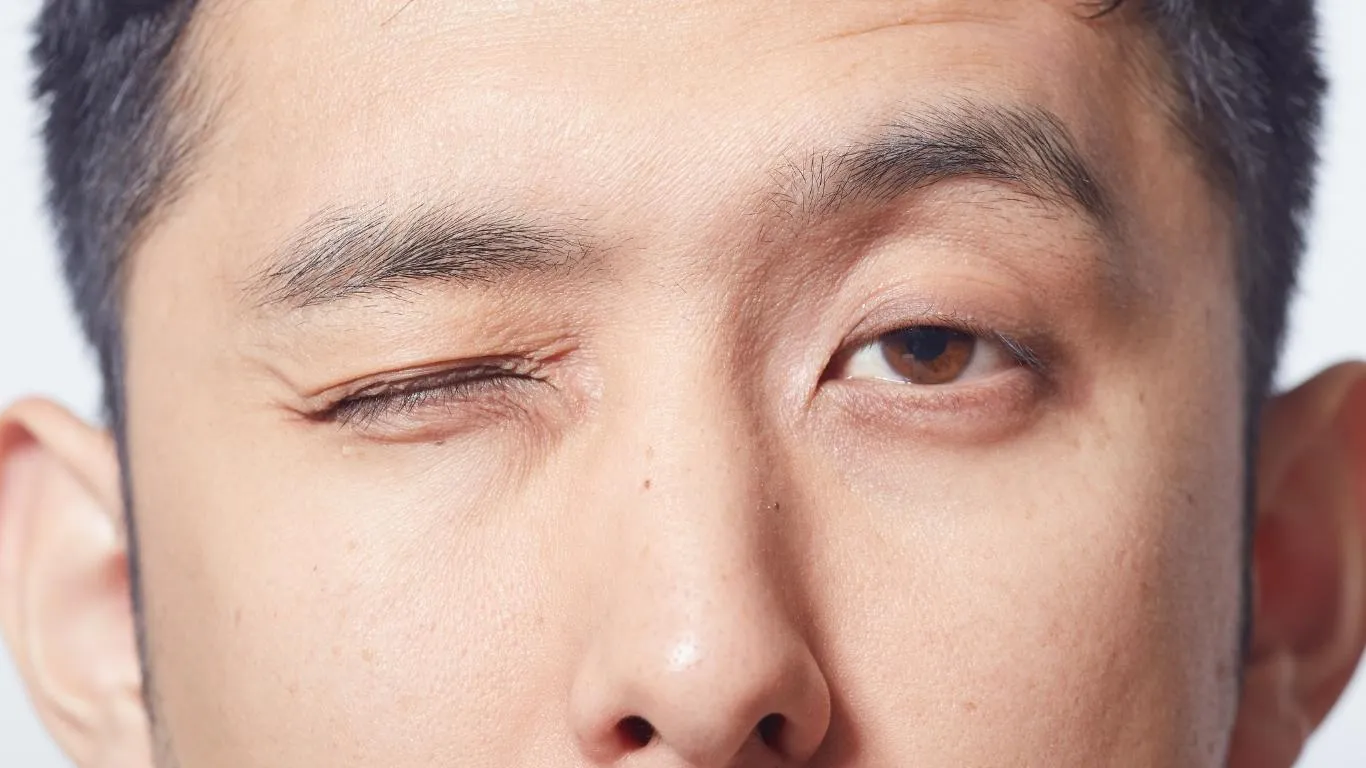
Once you’re out of the loop, it’s like a fog lifts. I sleep better. I function better at work. I don’t need to carry an emergency med stash everywhere I go. But maintaining that freedom means recognizing what brought me here in the first place. So, I still journal. I stay hydrated. I avoid known triggers—like too much screen time or skipped meals—and I always check in with myself before reaching for a pill.
Building this awareness around medication-overuse headache patterns has been one of the most empowering parts of managing my migraines. If you suspect you might be caught in this cycle, don’t brush it off. Dig into the details and understand the root of your migraines instead of chasing symptoms.
For a deeper understanding of how all migraine patterns connect—and how to reclaim your health—check out the full guide at the main migraine resource page.
Creating a Long-Term Strategy to Stay MOH-Free
Once I broke free from the cycle of medication-overuse headache patterns, the real work began. It’s not just about stopping meds—it’s about building a sustainable life that supports migraine prevention. And honestly, that part was just as important for my peace of mind as it was for my head.
There’s no one-size-fits-all plan here, but with the right support and consistent habits, it is possible to stop living around your next dose and start really living again.
Track What Actually Helps
I can’t emphasize this enough—track your headaches. Every detail helps. I used a simple app at first, then switched to pen and paper because I found it more mindful. What I learned surprised me: some of the things I thought were helping—like taking a small amount of caffeine with meds—were actually triggering rebounds. Tracking patterns made me aware of the difference between true relief and temporary numbing.
You can use this guide on documenting migraine patterns to get started.
Stick With Preventive Routines
- Keep sleep regular – No late-night Netflix marathons (okay, maybe one per week, tops).
- Watch hydration – Dehydration is a known trigger. I set reminders on my phone.
- Keep meals consistent – Skipping meals? Fast track to trouble. This piece on how missing meals can spark migraines really opened my eyes.
- Protect downtime – Stress rebound is real. I now treat rest like a non-negotiable meeting.
These preventive strategies aren’t glamorous, but they work. Especially when you’re rebuilding after rebound headaches, consistency is everything.
Know the Warning Signs of Relapse
After a few solid migraine-free weeks, it’s tempting to slip. A few long nights, a stressful work project, and bam—here comes that familiar pressure. The first instinct? Grab that fast-acting med. But now, I know to pause and ask myself: is this one-off relief, or am I headed for another rebound loop?
Relapse isn’t failure, it’s feedback. Here are a few signs I’ve learned to look out for:
- Headaches increasing in frequency again (even slightly)
- Needing medication multiple times a week
- Feeling irritable or anxious when you don’t take medication
- Using medication as a preventative (big red flag)
If I catch myself slipping, I revisit this helpful breakdown on early migraine warning signs—because it’s easier to stop the cycle early than dig out later.
Supporting the Brain Beyond Medication
Healing from medication overuse isn’t just physical—it’s also mental. If your nervous system has been through months or years of rebound pain, it needs time (and help) to reset. I found huge relief in non-pharma options I never thought I’d try—until I did.
Helpful Complementary Therapies:
- Yoga for migraines – gentle flows made a noticeable difference.
- Acupuncture – not for everyone, but worth a try.
- Hot/cold therapy – this became part of my nightly wind-down.
- Stretching routines – especially neck and shoulders.
I also started working with a nutritionist and leaned into magnesium and riboflavin, based on this great overview of magnesium vs. riboflavin for migraine prevention.
When to Consider Prescription Preventives
If your migraines are frequent enough to tempt daily med use, it may be time to explore preventive prescriptions. I was hesitant at first (I hated the idea of daily meds), but after working with a neurologist, I realized it’s not about “more drugs”—it’s about using the right ones wisely.
Options might include:
I ultimately chose a CGRP pathway drug, which I take monthly now. Combined with all the lifestyle work, it’s reduced both the frequency and intensity of attacks—and I haven’t needed rebound meds in months.
Reclaiming Control of Your Migraine Story
Living with migraines doesn’t have to mean living in fear of your next attack—or in constant dependence on rescue meds. Understanding medication-overuse headache patterns helped me reclaim my life. It’s empowering to know what’s really happening inside your head, and even more empowering to know you can do something about it.
If this sounds familiar—if you’re stuck in that frustrating loop of relief and rebound—I can’t stress enough how important it is to explore the big picture. This in-depth resource on migraine treatment options helped guide my decisions. For a broader understanding of how migraines work and why they happen, start here with this comprehensive migraine overview.

Bianca Nala is a compassionate Nurse Practitioner with a strong background in primary and respiratory care. As a health writer for Healthusias.com, she combines her clinical expertise with a talent for clear, relatable storytelling to help readers better understand their health. Bianca focuses on topics like asthma, COPD, chronic cough, and overall lung health, aiming to simplify complex medical topics without losing accuracy. Whether she’s treating patients or writing articles, Bianca is driven by a single goal: making quality healthcare knowledge accessible to everyone.