Oats and Kidney Disease: Benefits and Risks Explained
Many people start paying closer attention to their diet after learning about kidney concerns, and that’s often when simple foods like oatmeal come into question. “Is this still safe to eat?” becomes a common thought. The topic of oats and kidney disease comes up frequently because oats are widely seen as a healthy staple—but kidney health can change how foods are viewed.
Understanding how oats fit into a kidney-conscious diet can help reduce confusion and make everyday food choices feel more manageable. This article explores both the potential benefits and the considerations, so you can better understand where oatmeal may fit.
What Are Oats and Why Do They Matter for Kidney Health?
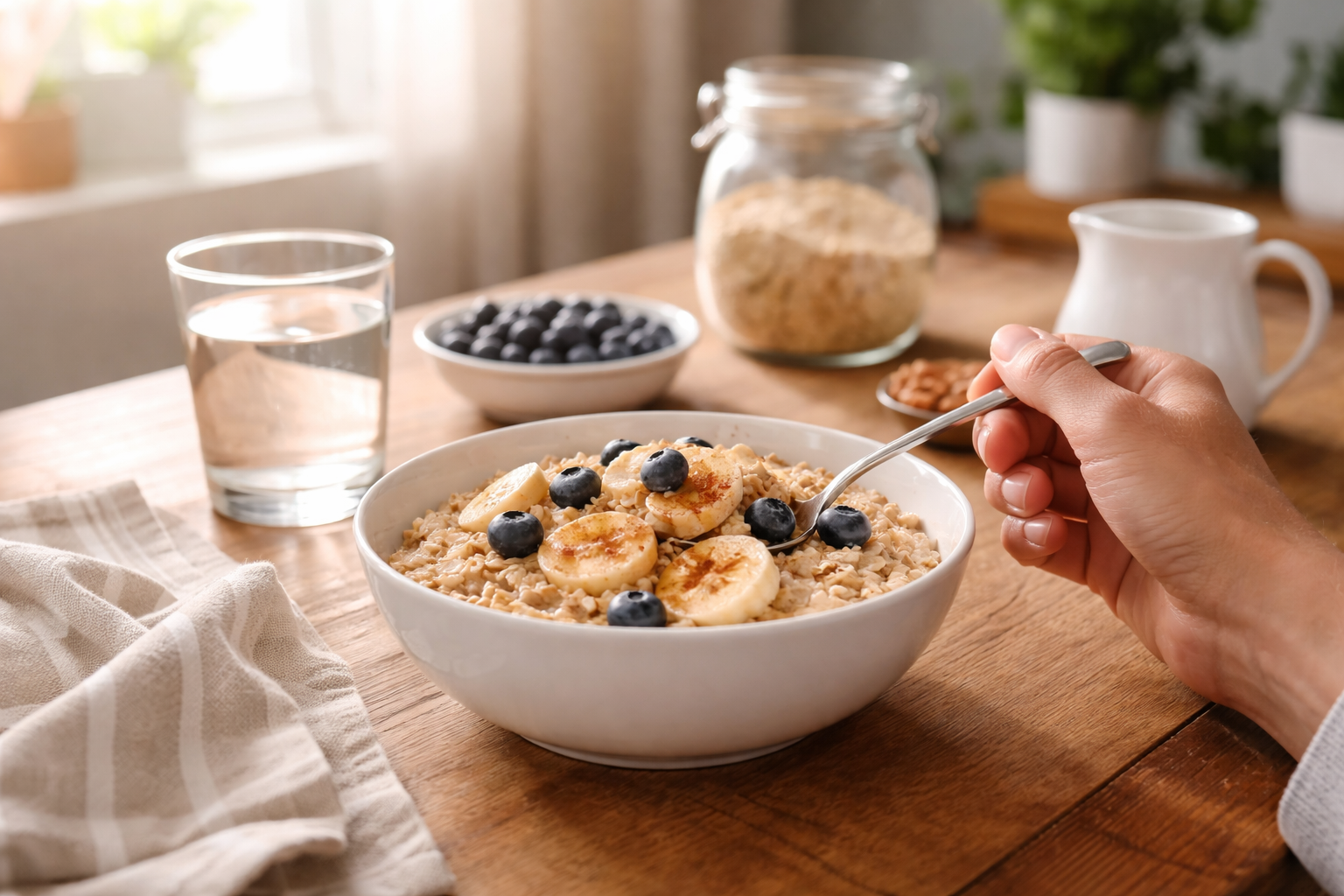
Oats are a whole grain commonly eaten as oatmeal, overnight oats, or added to baked foods. They are known for being rich in fiber, particularly a type called beta-glucan, which is often associated with heart health.
For people thinking about kidney health, foods are often evaluated based on how they affect:
- Mineral balance (like potassium and phosphorus)
- Fluid retention
- Blood sugar stability
- Overall nutrient load
Oats sit in an interesting position because they offer nutritional benefits, but they also contain moderate levels of certain minerals that may require awareness depending on the stage of kidney function.
Potential Benefits of Oats for People with Kidney Concerns
In many cases, oats are not automatically off-limits. In fact, they can provide several helpful qualities when eaten mindfully.
1. Fiber That Supports Digestive Health
Oats are a strong source of soluble fiber, which can help support digestion and may contribute to more stable blood sugar levels. This is especially relevant because blood sugar balance is closely tied to kidney health over time.
2. Heart Health Support
People with kidney concerns often also pay attention to cardiovascular health. Oats have been widely recognized for their role in helping manage cholesterol levels, which may support overall circulation.
3. Sustained Energy
Oatmeal tends to digest slowly, which can help people feel fuller for longer. This may make it easier to maintain consistent eating patterns without large spikes and drops in energy.
These benefits are part of why oats are often included in broader discussions about foods that support kidney health.
Ad
A More Practical Way to Understand Kidney-Friendly Eating
Trying to figure out which foods fit into a kidney-conscious routine can feel overwhelming. Instead of guessing, some people prefer a structured guide that brings everything together in one place.
Explore how this approach is organized step by step
Things to Be Aware of: When Oats May Need Caution
While oats have benefits, there are also a few factors that may influence how suitable they are for someone with kidney concerns.
1. Potassium Content
Oats contain a moderate amount of potassium. For people with reduced kidney function, potassium balance can become more important because the body may not remove excess amounts as efficiently.
This doesn’t necessarily mean oats must be avoided, but portion size and overall daily intake may become more relevant.
2. Phosphorus Levels
Oats also contain phosphorus, a mineral that plays a role in bone health. In advanced kidney disease, phosphorus levels can build up in the body, which is why some people begin to monitor foods that contain it.
Whole grains like oats tend to contain naturally occurring phosphorus, which is generally absorbed more slowly than additives found in processed foods.
3. Portion Size Matters
A small bowl of oatmeal may fit into many diets, while larger portions could increase mineral intake more than expected. This is often why people start paying closer attention not just to what they eat, but how much.
How People Typically Include Oats in a Kidney-Conscious Diet
Rather than eliminating oats entirely, many people adjust how they use them in everyday meals.
Simple Preparation Choices
- Plain oats instead of flavored instant packets
- Cooking with water or low-mineral milk alternatives
- Adding fresh fruit in moderate portions
These small adjustments can help keep the meal balanced without significantly increasing sodium, sugar, or mineral load.
Pairing with Other Foods
Oatmeal is often combined with toppings like fruits, nuts, or seeds. While these can add flavor and nutrients, they can also increase potassium or phosphorus levels, depending on the ingredients.
This is why some people take a broader view of their meal rather than focusing on a single ingredient.
Choosing the Right Type of Oats
There are several forms of oats, including:
- Steel-cut oats
- Rolled oats
- Instant oats
Less processed forms generally contain fewer added ingredients, which may make them easier to fit into a balanced eating pattern.
For a broader look at how grains fit into kidney-friendly eating, you can explore whole grains and kidney disease.
How People Notice Dietary Changes Affecting Them
When people begin paying attention to foods like oats, it’s often part of a larger awareness of how diet connects to how they feel.
Some individuals notice:
- Changes in energy levels
- Differences in digestion
- Variations in fluid balance
These experiences can vary widely and are not always directly tied to one specific food. Instead, they often reflect overall dietary patterns.
This is one reason why many people shift from focusing on single foods to looking at their entire routine, including meal timing, variety, and consistency.
Related Dietary Considerations Beyond Oats
Oats are just one part of a much larger picture when it comes to kidney-conscious eating.
Balancing Multiple Nutrients
Kidney-focused diets often involve balancing:
- Sodium
- Potassium
- Phosphorus
- Protein intake
Because oats contain some of these nutrients, they are usually considered within the context of the whole diet—not in isolation.
Individual Differences
What works for one person may not be the same for another. Factors like stage of kidney function, overall health, and dietary habits all play a role.
That’s why general information can be helpful for understanding patterns, but personal adjustments are often made over time.
If you’re looking for a broader overview of food choices, a renal diet food list can help provide additional context.
When People Start Exploring More Structured Approaches
As questions about foods like oats come up, many people begin to look for more organized ways to understand their diet.
This often happens when:
- Information feels scattered or inconsistent
- Food choices start to feel restrictive
- There’s a desire for clearer daily guidance
Instead of focusing on individual foods one by one, some people prefer a more complete framework that connects everything together—from meals to lifestyle habits.
This is where broader resources like the chronic kidney disease guide or a deeper look into natural ways to support kidney function may come into the picture.
Frequently Asked Questions
Can people with kidney disease eat oatmeal every day?
Some people include oatmeal regularly, while others choose to vary their grains. It often depends on overall dietary balance and portion size rather than frequency alone.
Are instant oats worse than regular oats?
Instant oats are more processed and may contain added sugar or sodium, especially in flavored versions. Plain varieties are generally simpler and easier to control in terms of ingredients.
Do oats raise potassium levels quickly?
Oats contain potassium, but they are not typically considered extremely high compared to some other foods. The overall diet usually matters more than a single serving.
Is oatmeal better than other grains for kidney health?
Oatmeal has certain benefits, especially for fiber and heart health, but it’s one of several grain options. Many people rotate between different grains depending on their preferences and needs.
Where can I learn how to plan meals more clearly?
Some people find it helpful to explore structured resources that organize food choices and daily habits together, rather than relying on scattered information.
Final Thoughts on Oats and Kidney Disease
Oats can be a part of a balanced diet for many people, but their role often depends on the bigger picture—especially when kidney health is a concern. Rather than being strictly “good” or “bad,” oatmeal tends to fall into a middle ground where awareness and portion balance matter most.
As people learn more about how different foods fit into their daily routine, the focus often shifts from individual ingredients to overall patterns. Understanding oats and kidney disease is just one step in building a clearer, more sustainable approach to eating.
For those who want a more organized way to connect all the pieces, some find it helpful to explore a structured guide that brings kidney-friendly habits together in one place.

Robin Abbott is a wellness and lifestyle writer at Healthusias, focusing on everyday health awareness, habits, and life optimization through clear, non-medical explanations.