Warning Signs Floaters Or Curtain Vision Could Be Serious
Ever blink and notice something drifting across your vision—like a transparent blob or a shadowy speck that moves when your eyes move? A few months ago, while driving home at dusk, I noticed a faint dark curtain sliding down the corner of my left eye. I brushed it off. Maybe it was fatigue. Maybe just dryness. I was wrong. That faint ‘curtain’ turned into one of the scariest symptoms I’ve experienced—and one many people ignore. Let’s talk about why you shouldn’t.
What Exactly Are Floaters and Curtain Vision?
Eye floaters are tiny clumps of cells or proteins inside the vitreous, the gel-like fluid that fills your eye. These shadows are cast on your retina and move when you move your eyes. Now, curtain vision? That’s a different beast. It feels like someone is slowly pulling a dark shade across part of your visual field. I genuinely thought I was overthinking it—until I learned that could signal a serious issue like a retinal tear or detachment.
Common Signs You Might Miss
- Sudden increase in floaters, especially accompanied by light flashes
- Blurred vision or “wavy” distortions
- A dark or gray curtain-like shadow in your peripheral vision
- Sudden vision loss in one eye
I’ll admit—I ignored some of these signs. I assumed it was screen strain. But curtain vision is not something to wait on. It could indicate posterior vitreous detachment (PVD) or worse—a full-on retinal detachment, which needs immediate medical intervention.
What Causes Floaters or Curtain Vision Symptoms?
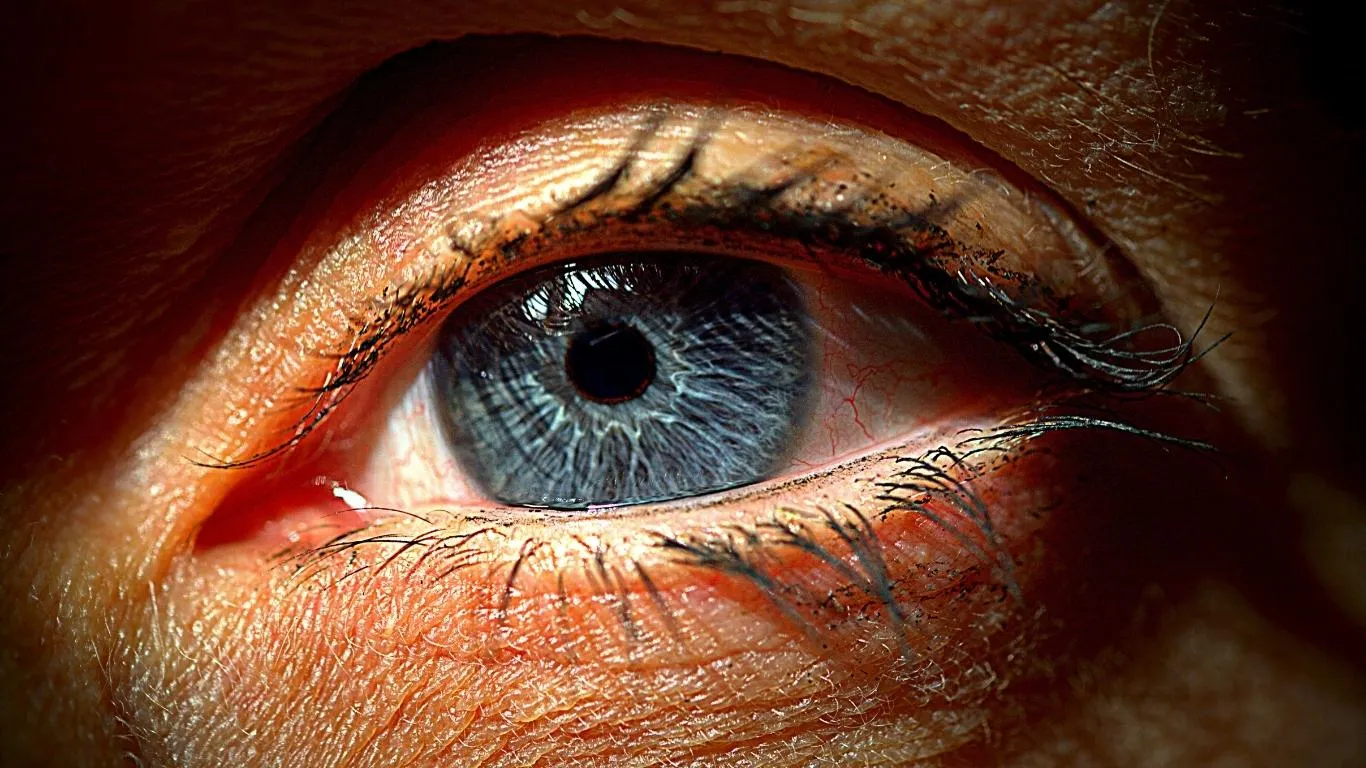
Most commonly, these symptoms show up as part of aging. The gel in your eyes shrinks, pulling away from the retina—sometimes harmlessly, sometimes not. But there are more causes than just age.
Other Underlying Causes to Be Aware Of
- Trauma: A fall, sports injury, or even a hard sneeze can lead to retinal damage.
- High Myopia: If you’re severely nearsighted, your risk for retinal tears shoots up.
- Eye surgeries: Post-cataract or LASIK patients often report new floaters.
- Inflammatory diseases: Conditions like uveitis can cause floaters and hazy spots. Read how uveitis can trigger floaters.
And don’t discount lifestyle factors either. Poor hydration, stress, and even medications like steroid eye drops can make floaters worse. There’s even growing discussion about stress being a potential trigger—something I learned the hard way.
Is Curtain Vision Always a Medical Emergency?
Not every curtain vision moment means your retina is detaching—but it’s never something to self-diagnose or delay. My own experience turned out to be a minor posterior vitreous detachment, but the ophthalmologist told me delaying the visit could’ve cost me my sight.
Here’s when you absolutely must seek help:
- You notice a sudden “veil” or “shadow” moving across your vision
- You’ve had recent eye trauma or surgery
- Your floaters multiply rapidly or look like specks of soot or black threads
- Flashes of light appear, especially in dim lighting
Many people ignore early retinal detachment signs, confusing them with dry eyes or fatigue. But once the retina peels away, the damage can be permanent. For a deep dive into causes, this article on common causes of eye floaters is an excellent resource.
Misdiagnosis Happens More Often Than You Think
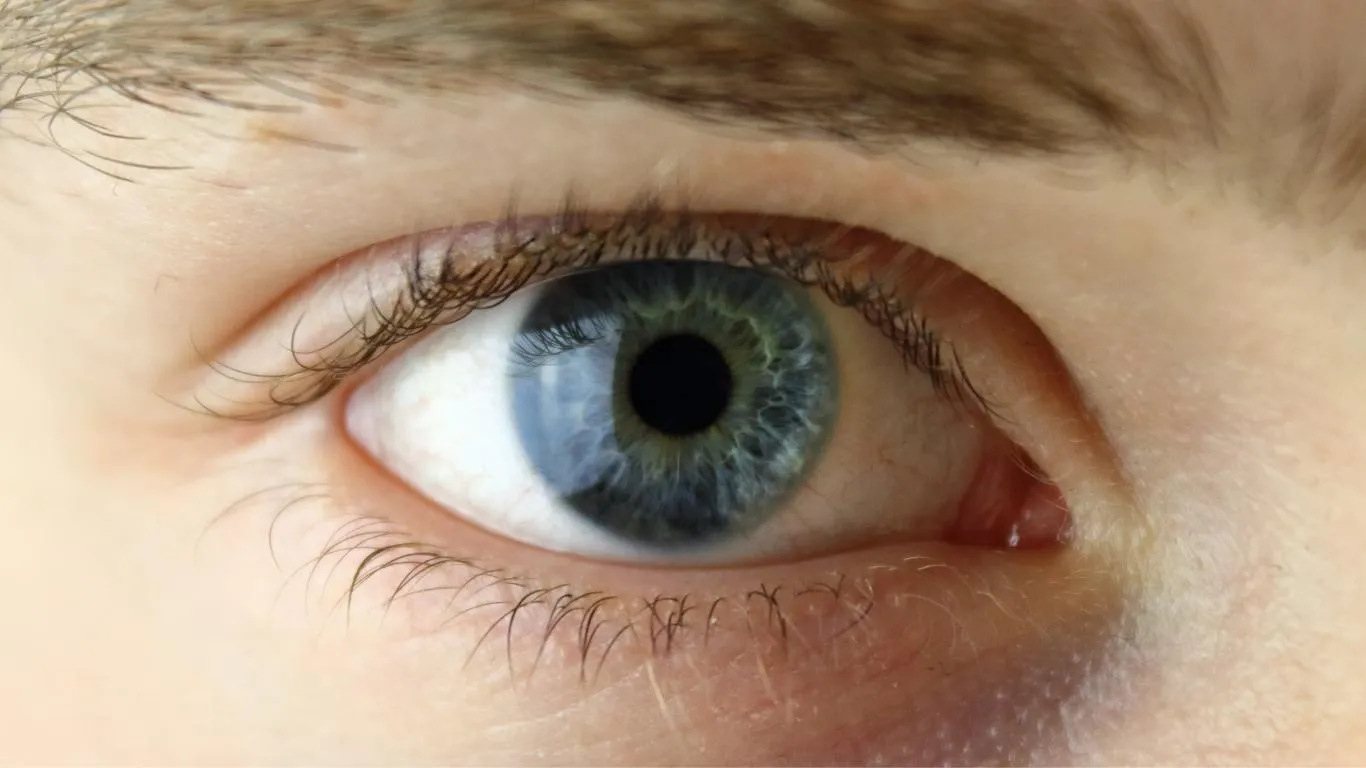
One surprising thing I discovered after seeing a specialist—many patients mistake floaters for migraine aura. There’s a subtle but crucial difference. Here’s how to tell them apart.
And then there’s screen time. We’re glued to our phones and laptops more than ever, and while blue light may not *cause* floaters, it’s increasingly linked with symptom awareness. See how screen time can amplify your floaters.
If I hadn’t gotten my curtain vision checked, I might have waited too long. You don’t mess around with vision. Floaters can be benign, sure. But they can also be a prelude to something far more dangerous.
For a full overview of symptoms you shouldn’t ignore, check out this main guide on eye floater symptoms and always start with this main article on floaters if you’re new to the topic.
#LNF

Camellia Wulansari is a dedicated Medical Assistant at a local clinic and a passionate health writer at Healthusias.com. With years of hands-on experience in patient care and a deep interest in preventive medicine, she bridges the gap between clinical knowledge and accessible health information. Camellia specializes in writing about digestive health, chronic conditions like GERD and hypertension, respiratory issues, and autoimmune diseases, aiming to empower readers with practical, easy-to-understand insights. When she’s not assisting patients or writing, you’ll find her enjoying quiet mornings with coffee and a medical journal in hand—or jamming to her favorite metal band, Lamb of God.