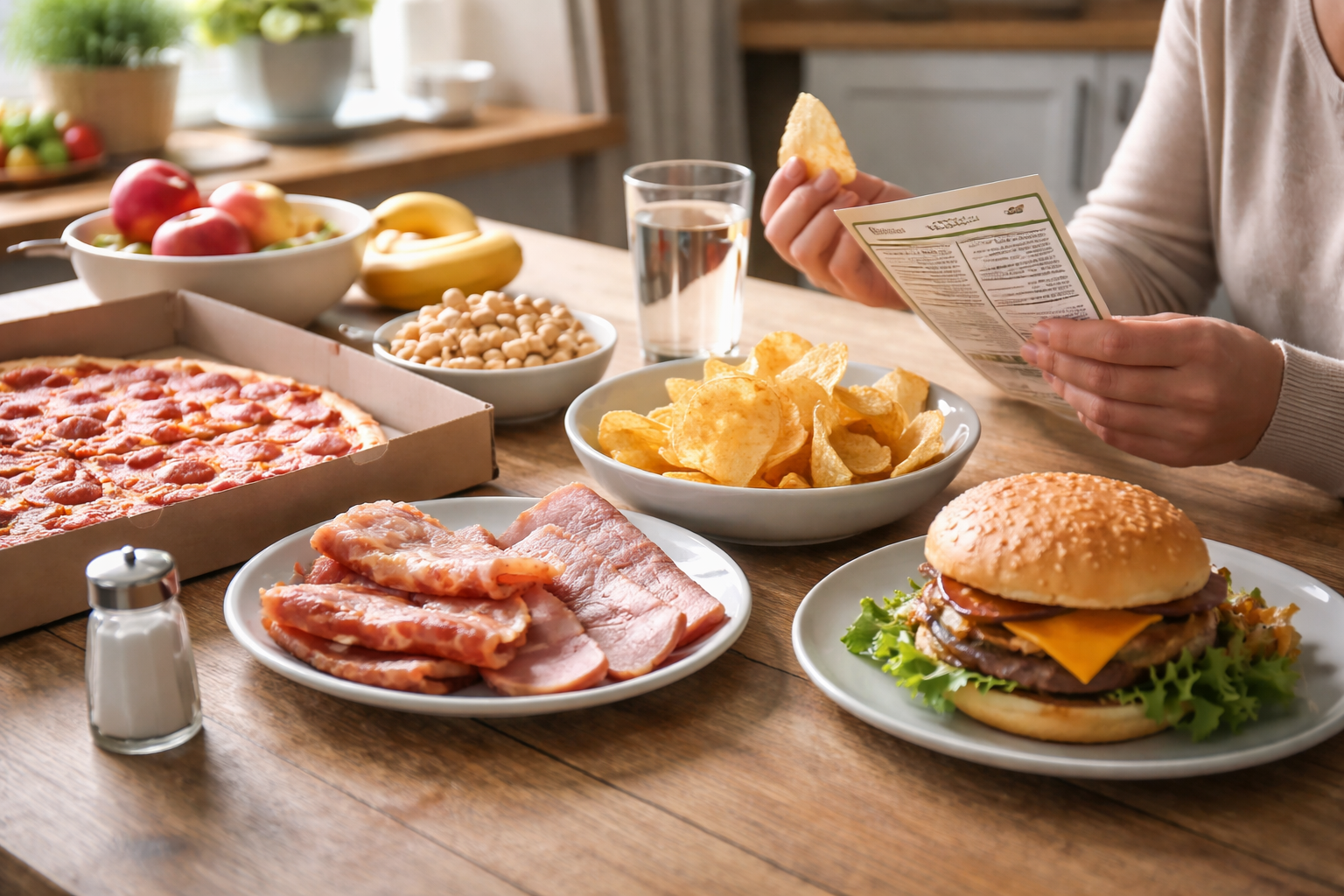
Worst Foods for Kidney Disease: 10 Foods You Must Avoid to Protect Your Kidneys
Many people don’t think much about their kidneys—until they’re told to. Often, it starts with a routine checkup or a lab result that raises questions. From there, diet suddenly becomes a central topic. One of the most common questions people ask is about the worst foods for kidney disease and what should be limited or avoided.
Food plays a significant role in how the kidneys function. While no single meal causes damage overnight, long-term eating patterns can influence how hard the kidneys have to work. Understanding which foods may put extra strain on the body can help people make more informed daily choices.
Why Diet Matters for Kidney Health
The kidneys are responsible for filtering waste, balancing fluids, and maintaining important mineral levels in the body. When kidney function becomes reduced, these processes don’t work as efficiently.
This is where diet becomes especially important. Certain foods can lead to a buildup of sodium, potassium, or phosphorus—minerals that healthy kidneys typically regulate with ease. When these levels rise too much, it can create additional stress on the body.
People often notice that dietary recommendations become more specific as kidney concerns develop. What once seemed like harmless everyday foods may suddenly require more attention.
A Simpler Way to Make Sense of Kidney-Friendly Eating
Sorting through food lists and restrictions can feel overwhelming. Some people find it easier to follow a structured guide that organizes what to eat and what to limit in a clear, practical way.
Explore how this approach is laid out step by step
Worst Foods for Kidney Disease to Be Aware Of
Not all foods affect the kidneys the same way. Some are more likely to contribute to mineral imbalances, fluid retention, or increased workload on the kidneys. Below are commonly discussed categories that people often pay attention to.
1. Processed and Packaged Foods
Packaged snacks, frozen meals, and ready-to-eat foods are often high in sodium. Salt is used as a preservative and flavor enhancer, but it can lead to fluid retention and increased blood pressure.
Over time, consistently high sodium intake can make it harder for the kidneys to maintain balance.
- Chips and crackers
- Frozen dinners
- Canned soups
- Instant noodles
2. High-Sodium Restaurant Meals
Meals from restaurants, especially fast food or takeout, often contain more salt than expected. Even dishes that don’t taste particularly salty can have high sodium levels.
This is one reason many people start paying closer attention to how often they eat out. For a deeper look at this topic, you can explore common high-sodium foods that may impact kidney health.
3. Processed Meats
Foods like bacon, sausage, deli meats, and hot dogs are typically high in both sodium and preservatives. These additives help extend shelf life but can add extra strain on the kidneys when consumed regularly.
People often notice that these foods are easy to overconsume because they’re convenient and widely available.
4. Foods High in Phosphorus Additives
Phosphorus is a mineral found naturally in many foods, but it’s also added to processed items to improve texture and shelf life. Added phosphorus is more easily absorbed by the body, which can lead to higher levels.
- Processed cheese
- Cola beverages
- Packaged baked goods
- Fast food items
Those interested in learning more can read about foods that are high in phosphorus and how they fit into everyday diets.
5. Sugary Drinks and Sodas
Sugary beverages can contribute to overall health issues, including weight gain and blood sugar imbalances. Some sodas also contain phosphorus additives, which adds another layer of concern.
Many people find that cutting back on sugary drinks is one of the more noticeable changes when adjusting their diet.
6. Excessive Red Meat
Red meat is a source of protein, but eating it in large amounts may increase the workload on the kidneys. Protein metabolism produces waste that the kidneys must filter out.
This doesn’t mean red meat must be completely avoided, but portion size and frequency often become more important considerations.
7. Dairy Products in Large Quantities
Dairy foods like milk, cheese, and yogurt contain phosphorus and potassium. While these nutrients are essential, too much can become difficult for the body to manage when kidney function is reduced.
People sometimes notice that dairy intake is one of the first things they’re asked to review.
8. Foods High in Potassium
Potassium is another mineral that the kidneys regulate. When levels get too high, it can affect how the body functions.
- Bananas
- Potatoes
- Tomatoes
- Oranges
Not everyone needs to avoid these foods completely, but awareness of portion sizes can become important.
9. Alcohol in Excess
Alcohol can affect hydration and place additional stress on the kidneys. Drinking occasionally may not have the same impact as regular or heavy consumption, but patterns matter.
Some people find that reducing alcohol intake is part of a broader effort to support overall health.
10. Highly Refined Carbohydrates
Foods made with refined grains, such as white bread and pastries, can contribute to blood sugar spikes. Over time, this may influence conditions like diabetes, which is closely linked to kidney health.
While these foods are common in many diets, they are often one of the areas people reevaluate.
What Influences How These Foods Affect the Body
It’s important to understand that not everyone reacts to foods in the same way. Several factors influence how the body handles certain nutrients:
- Current kidney function
- Overall diet patterns
- Hydration levels
- Other health conditions
This is why general food lists are often used as a starting point rather than strict rules. People usually adjust their eating habits gradually based on what they learn and observe.
How People Often Notice Dietary Effects
Changes related to diet are not always immediately obvious. In many cases, people become aware through routine lab work rather than physical symptoms.
However, some individuals report noticing:
- Fluid retention or swelling
- Changes in energy levels
- Differences in appetite
- General discomfort after certain meals
These experiences can vary widely, which is why awareness and consistency in eating habits tend to matter more than any single food choice.
Balancing Awareness Without Overrestriction
Learning about the worst foods for kidney disease can sometimes feel overwhelming. Many everyday foods fall into one category or another, which can make it seem like there’s very little left to eat.
In reality, the goal is often balance rather than strict avoidance. People typically focus on:
- Reducing highly processed foods
- Choosing fresher ingredients when possible
- Paying attention to portion sizes
- Being mindful of frequency rather than eliminating everything
For a broader overview of how food choices fit together, some readers explore a kidney disease diet guide to better understand the bigger picture.
When People Start Exploring Dietary Changes
Most people don’t change their diet overnight. It usually begins with small adjustments—like reading labels more carefully or cooking more meals at home.
Over time, these small steps can build into more consistent habits. Some people prefer to follow structured resources rather than piecing together information from different places.
For those who want a clearer path forward, it can help to review a more organized approach to kidney-friendly eating through practical lifestyle and diet strategies that connect the bigger picture.
Frequently Asked Questions
Do all people with kidney concerns need to avoid these foods completely?
Not necessarily. Many of these foods are managed through portion control and frequency rather than complete elimination. Individual needs can vary depending on overall health and kidney function.
Is sodium the biggest concern in kidney diets?
Sodium is one of the most commonly discussed factors because it affects fluid balance and blood pressure. However, potassium and phosphorus can also play important roles depending on the situation.
Are natural foods always safer for the kidneys?
Natural foods are often less processed, which can be helpful. However, some natural foods still contain high levels of certain minerals, so awareness is still important.
How do people usually start adjusting their diet?
Many begin by reducing processed foods and cooking more at home. Over time, they may explore structured guides or meal plans to make the process more manageable.
Where can I find a simple list of foods to focus on?
Some people look into a renal diet food list to get a clearer idea of what to include and what to limit in everyday meals.
Final Thoughts
Understanding the worst foods for kidney disease is less about fear and more about awareness. Most of these foods are part of everyday diets, which is why small, consistent changes tend to matter more than drastic restrictions.
By learning how certain foods affect the body and making gradual adjustments, many people feel more in control of their daily habits and overall well-being.

Robin Abbott is a wellness and lifestyle writer at Healthusias, focusing on everyday health awareness, habits, and life optimization through clear, non-medical explanations.