Why Eye Floaters Get Worse in Certain Seasons
So there I was, on a bright spring morning, enjoying my coffee near the window when I noticed them again—those annoying squiggly lines drifting across my vision. At first, I brushed them off. You know, maybe it was lack of sleep or just a weird morning haze. But when they kept coming back every few weeks, especially around certain seasons, I started wondering—is there a seasonal pattern to floaters? Turns out, it’s not just me. A lot of people have the same question. Let’s dive into why floaters might feel worse in spring or fade during winter, and what that actually means for your eyes.
Why Floaters Seem Worse During Certain Seasons
If you’ve noticed your floaters show up more when the sun’s out or when allergy season hits, you’re not alone. It might not be all in your head—there’s actual science behind why this happens.
1. Brighter Light Makes Floaters More Noticeable
When the sun is out, the pupils constrict, and floaters—which are tiny clumps in the vitreous gel of the eye—cast more visible shadows on the retina. This is why floaters feel more annoying when you’re outside or near a bright window.
- During summer, extended daylight hours = longer exposure
- White skies or computer screens enhance visibility of floaters
- Contrast between floaters and bright background is sharper
One study published on ncbi.nlm.nih.gov explains how illumination intensity impacts the perception of vitreous opacities. So yes, it’s very real.
2. Seasonal Allergies Can Trigger Eye Floaters
Spring and fall allergies cause inflammation and eye irritation, which in some cases may make floaters more noticeable—or even trigger new ones due to eye rubbing or pressure changes. I found this out the hard way after a few weeks of heavy sneezing and itchy eyes that led to the floaters flaring up again.
According to aao.org, allergies can contribute to ocular surface irritation, and chronic rubbing may stress the eye enough to influence vitreous behavior.
If you’re struggling with allergy-related floaters, this guide on seasonal floaters digs deeper into how to cope with them.
3. Temperature and Humidity Influence Eye Hydration
Dry, heated indoor air in winter can cause dry eyes, which might make floaters less visible since you’re blinking more and your tear film is disrupted. On the flip side, humid and hot climates might make your eyes feel sticky or fatigued, making floaters harder to ignore.
- Low humidity in winter = dry eye symptoms
- High humidity = increased eye strain
- Dehydration during hot months may worsen floater visibility
Check out how dehydration affects floaters if your summer water intake hasn’t been great.
Other Seasonal Triggers You Probably Didn’t Consider
Hormonal Changes and Sunlight Exposure
Seasons affect more than your mood—they affect hormones, too. Changing sunlight levels influence melatonin and cortisol, which indirectly impact ocular pressure and fluid dynamics. That subtle shift might change how prominent your floaters appear. I personally notice more floaters in the early summer, and my optometrist hinted that sunlight-induced stress might be playing a role.
Learn more about how stress can influence eye floaters and what you can do to minimize their effects.
Screen Time Spikes in Winter
Winter blues and cozy hibernation? Yeah, that often means more Netflix and screen scrolling. Extended screen time reduces blinking, dries your eyes, and guess what—floaters show up stronger. Blue light doesn’t help either.
If you’ve ever noticed floaters dancing around your field of vision after long screen sessions, it might be worth reading about how screens make floaters worse and tips to fix it.
Vitamin D & Nutritional Patterns
When winter rolls in, our diet shifts. Less fresh produce, more comfort food. A drop in Vitamin D and antioxidant levels may impair vitreous health, especially if you’re already prone to floaters. I started adding lutein-rich foods into my meals after a nutritionist pointed out a link, and while it’s not magic, things have felt more manageable.
This article on lutein and eye health is a good place to start if you’re curious about nutrition’s role in eye clarity.
When to Get Concerned About Seasonal Floaters
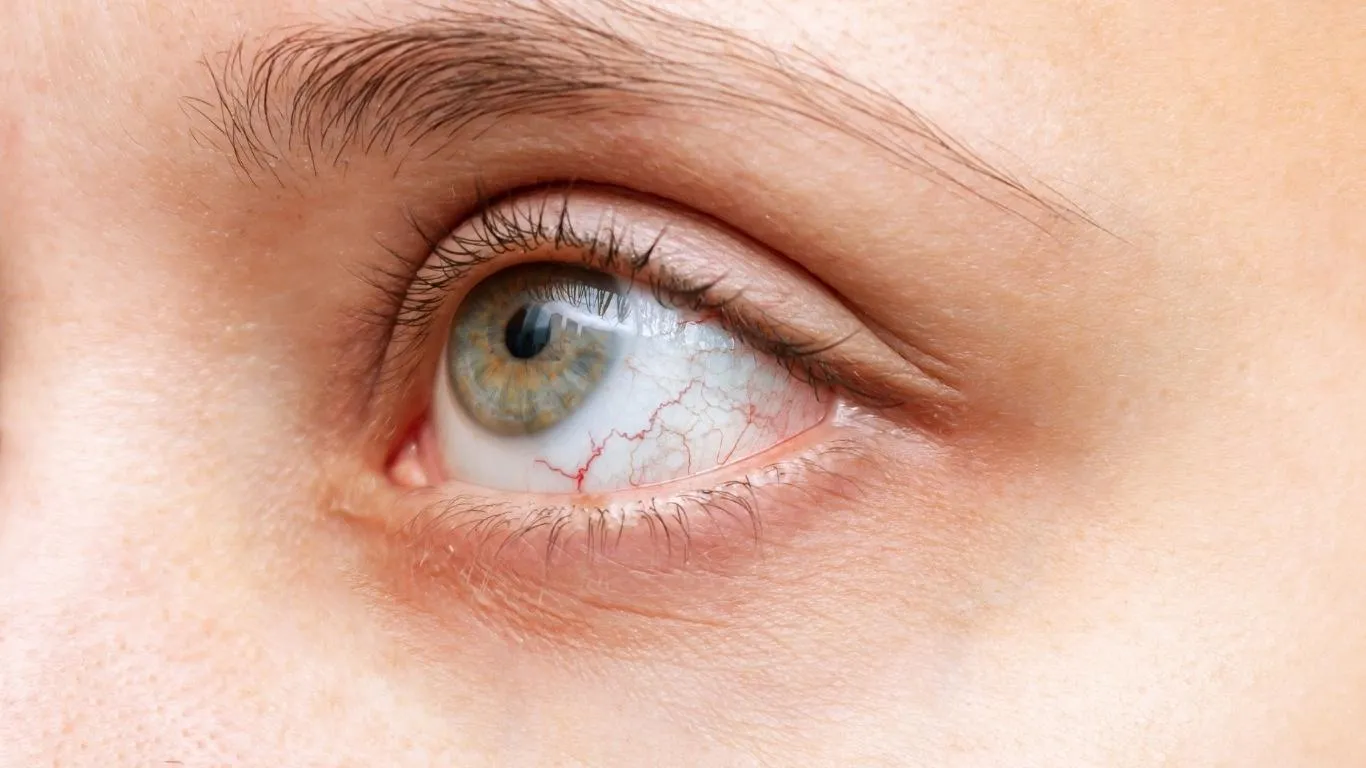
While most floaters are harmless and just a visual nuisance, any sudden increase or change in size or pattern—especially accompanied by light flashes or vision loss—deserves immediate attention. Seasonal changes might be coincidental in those cases, and not the cause.
Don’t miss this must-read: how floaters can signal a retinal tear.
For a deeper breakdown of symptoms and when they indicate something serious, refer to our guide on floaters and dangerous conditions and the main reference page on causes, symptoms, and treatment of eye floaters.
How to Manage Seasonal Floaters Without Losing Your Mind
Okay, let’s be real—seasonal floaters can be wildly annoying. Whether it’s bright summer sun or dry winter air, sometimes it feels like no escape. But you don’t have to just live with them. I’ve found that a mix of small lifestyle tweaks and awareness goes a long way. Here’s what’s worked for me and what others swear by.
1. Control Your Environment
Floaters tend to stand out against light backgrounds. So I’ve gotten into the habit of using “dark mode” on everything—phones, laptops, even e-readers. Indoors, I avoid stark white lights and go for warmer tones. That alone made a huge difference.
- Use curtains or blinds to reduce glare indoors
- Wear polarized sunglasses when outdoors (reduces floater contrast)
- Adjust monitor brightness and contrast during work hours
Don’t underestimate these tiny tricks. They ease the visual irritation and reduce the mental obsession with chasing those floaters around all day.
2. Hydration Is Underrated
Sounds too simple, right? But staying hydrated—especially in the heat—helps maintain vitreous consistency. I now carry a water bottle like it’s glued to me. When I slack off on water, floaters seem more intrusive.
Read more about dehydration’s impact on floaters and how simple it is to prevent it.
3. Watch the Eye Rubbing (Seriously)
During allergy seasons, it’s tempting to rub your eyes non-stop. Trust me, I’ve done it—especially on windy days when pollen’s flying everywhere. But excessive rubbing may shift or agitate the vitreous, potentially worsening floaters. Now, I use chilled eye drops or just gently close my eyes instead of going full Hulk on them.
If seasonal allergies are a problem for you, definitely check this out: how allergy meds may affect floaters.
Diet Tweaks That Made a Noticeable Difference for Me
I used to think diet changes wouldn’t matter for something like floaters—after all, they’re just “eye floaters,” not a gut issue. But I was wrong. Adding specific nutrients and cutting back on processed junk did help reduce how noticeable mine were.
1. Load Up on Antioxidants
Foods rich in lutein, zeaxanthin, and Vitamin C play a role in protecting eye health and possibly preventing further degradation of the vitreous gel. Leafy greens, eggs, citrus, and bell peppers are now regulars on my plate.
2. Cut Down on Inflammatory Foods
Reducing sugar and processed fats lowered the “grit” sensation I sometimes felt in my eyes. It could be placebo—but I’ll take it. Chronic inflammation can affect eye tissues over time, so it checks out.
If you want to get started, here’s a great breakdown of the best diet changes for floaters.
Supplements & Natural Approaches Worth Considering
Look, I’m not one to jump on supplement bandwagons—but after some convincing from an ophthalmologist friend, I gave a few a try. Some seemed to help with overall eye comfort and maybe even how intrusive the floaters felt.
Popular Choices (That Don’t Feel Like Snake Oil)
- Lutein + Zeaxanthin – Antioxidants that support retina and lens
- Omega-3 Fatty Acids – May reduce inflammation around the vitreous
- Magnesium – Some say it helps with visual disturbances
More about the science behind them: best supplements for floaters and magnesium deficiency & floaters.
When Floaters Are More Than Just Annoying

Not all floaters are created equal. If you suddenly see a burst of new floaters, especially with light flashes or blurred peripheral vision, you should not wait it out. These are classic warning signs of retinal detachment or tear.
Get checked out immediately. The stakes are too high to ignore changes.
See this in-depth resource on post-trauma floaters and retinal tear warning signs if you’ve had any recent head or eye trauma.
Resources to Deepen Your Understanding
For a comprehensive breakdown of what causes floaters, how to tell normal from dangerous ones, and when to consider treatment options, I highly recommend reading:
Trust me, having solid information makes it easier to manage the mental stress that sometimes comes with persistent floaters. And you’re not alone—more people deal with this than you probably realize.

Camellia Wulansari is a dedicated Medical Assistant at a local clinic and a passionate health writer at Healthusias.com. With years of hands-on experience in patient care and a deep interest in preventive medicine, she bridges the gap between clinical knowledge and accessible health information. Camellia specializes in writing about digestive health, chronic conditions like GERD and hypertension, respiratory issues, and autoimmune diseases, aiming to empower readers with practical, easy-to-understand insights. When she’s not assisting patients or writing, you’ll find her enjoying quiet mornings with coffee and a medical journal in hand—or jamming to her favorite metal band, Lamb of God.