Why Floaters Get Worse After Flu Recovery and What to Do
So, here’s something weird that happened to me a few weeks ago. I caught a pretty intense flu, and just when I thought I was over it, I started noticing these little floaty things in my vision. You know, like transparent squiggles or cobwebs dancing around when I looked at a bright wall or the sky. At first, I chalked it up to fatigue—but they didn’t go away. In fact, they became more obvious. Turns out, it’s more common than you’d think: floaters more visible after flu recovery isn’t just in your head (or your eyes, rather). Let’s break down why this happens—and what you should actually pay attention to.
Why Do Eye Floaters Seem Worse After the Flu?
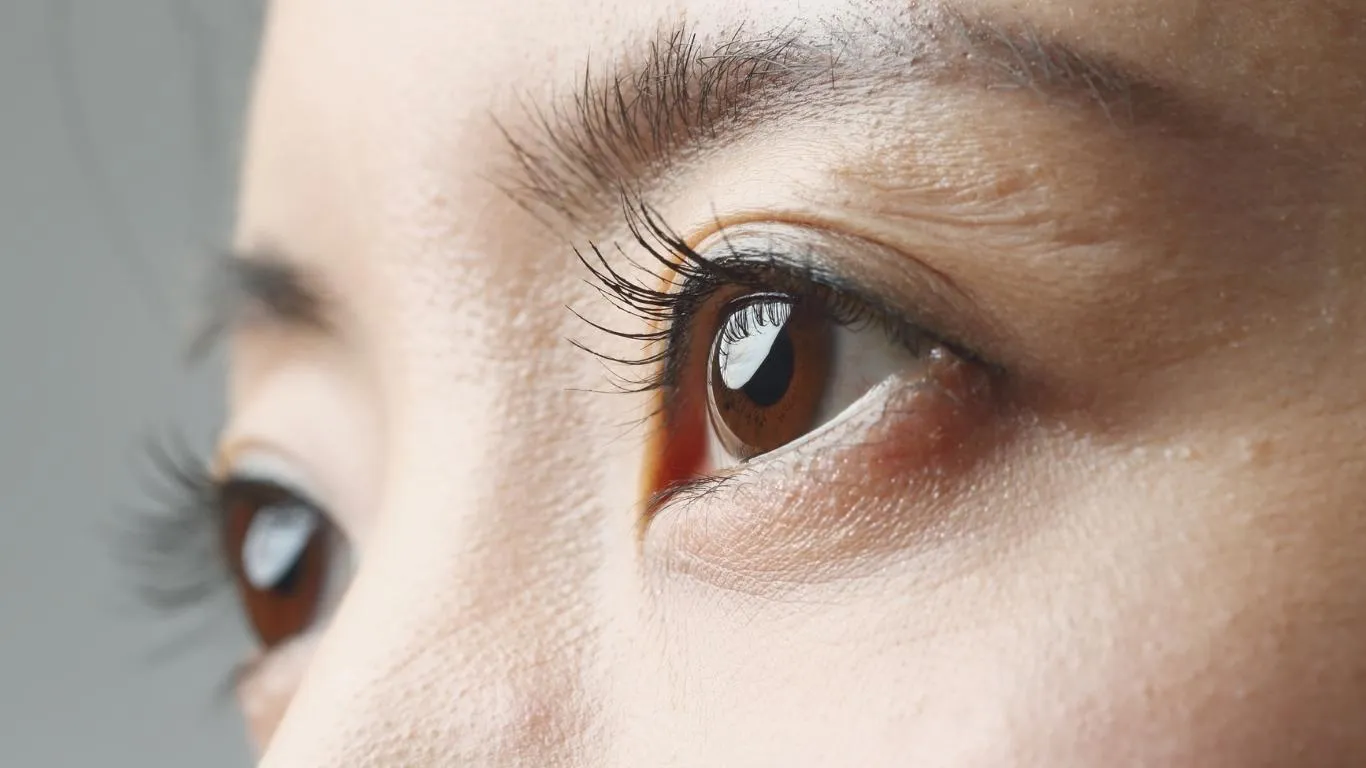
Coming out of an illness like the flu, your immune system is still recovering. And while we tend to focus on coughing, fevers, and fatigue, your eyes can also take a hit. The vitreous humor—the gel-like substance that fills the eye—can become more noticeable during this time due to dehydration, inflammation, or changes in eye pressure.
Dehydration Can Amplify Floaters
The flu drains your body. Literally. High fevers, sweating, poor appetite, and low water intake leave you dehydrated. When you’re dehydrated, your vitreous loses its natural gel-like consistency and starts to shrink slightly. That can cause it to pull away from the retina, creating or revealing floaters you didn’t notice before.
More on that here: Dehydration can make floaters worse.
Post-Viral Inflammation Is Real
Viruses don’t just hit the lungs or sinuses—they can cause low-grade inflammation throughout the body, including your eyes. When inflammation affects the retina or vitreous, floaters can become more prominent or even new ones can form. This is especially true if you’ve had any episodes of uveitis or viral eye involvement without realizing it.
Related read: How uveitis triggers floaters.
My Personal Recovery: Floaters & Brain Fog
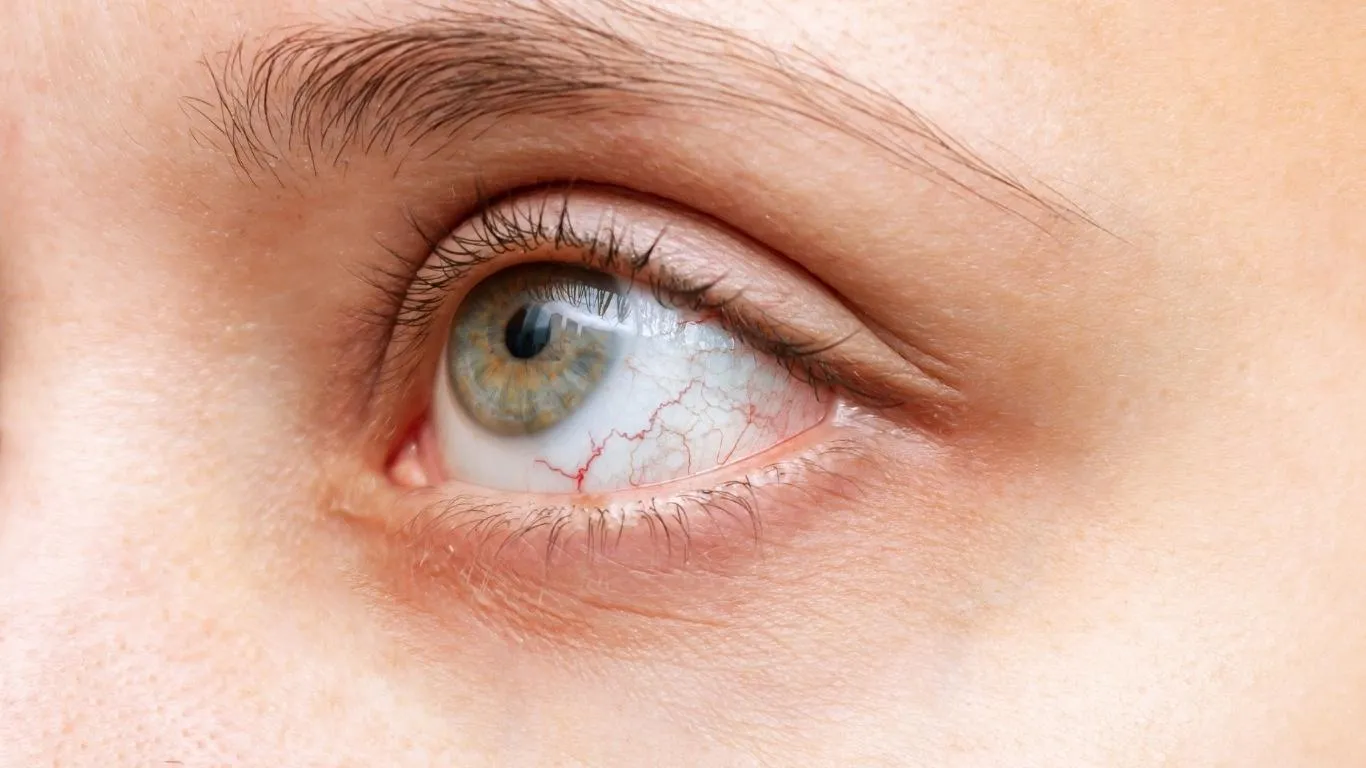
Here’s the part that got under my skin: these floaters became most noticeable when I thought I was “better.” I’d be scrolling my phone in bed, or walking outside on a bright day, and there they were—little ghost shapes shifting when I blinked. What freaked me out was they weren’t going away, even as my energy came back.
I was worried they were a sign of something more serious—like retinal detachment or eye strain from screens. So I went down a rabbit hole (naturally). Turns out, it’s not just me. According to American Academy of Ophthalmology, floaters are common post-illness and are often harmless unless paired with flashes of light or peripheral vision loss.
When to Actually See an Eye Doctor
- You suddenly notice a large number of new floaters
- Floaters are accompanied by flashes of light
- There’s a dark shadow or curtain in your vision
- Vision becomes blurry or distorted
If your floaters suddenly change in pattern or behavior, don’t wait it out. It might not just be from the flu. There’s an eye condition known as posterior vitreous detachment that often goes unnoticed until it’s too late.
Other Factors That Make Floaters More Noticeable After Illness
Bright Light Sensitivity Post-Flu
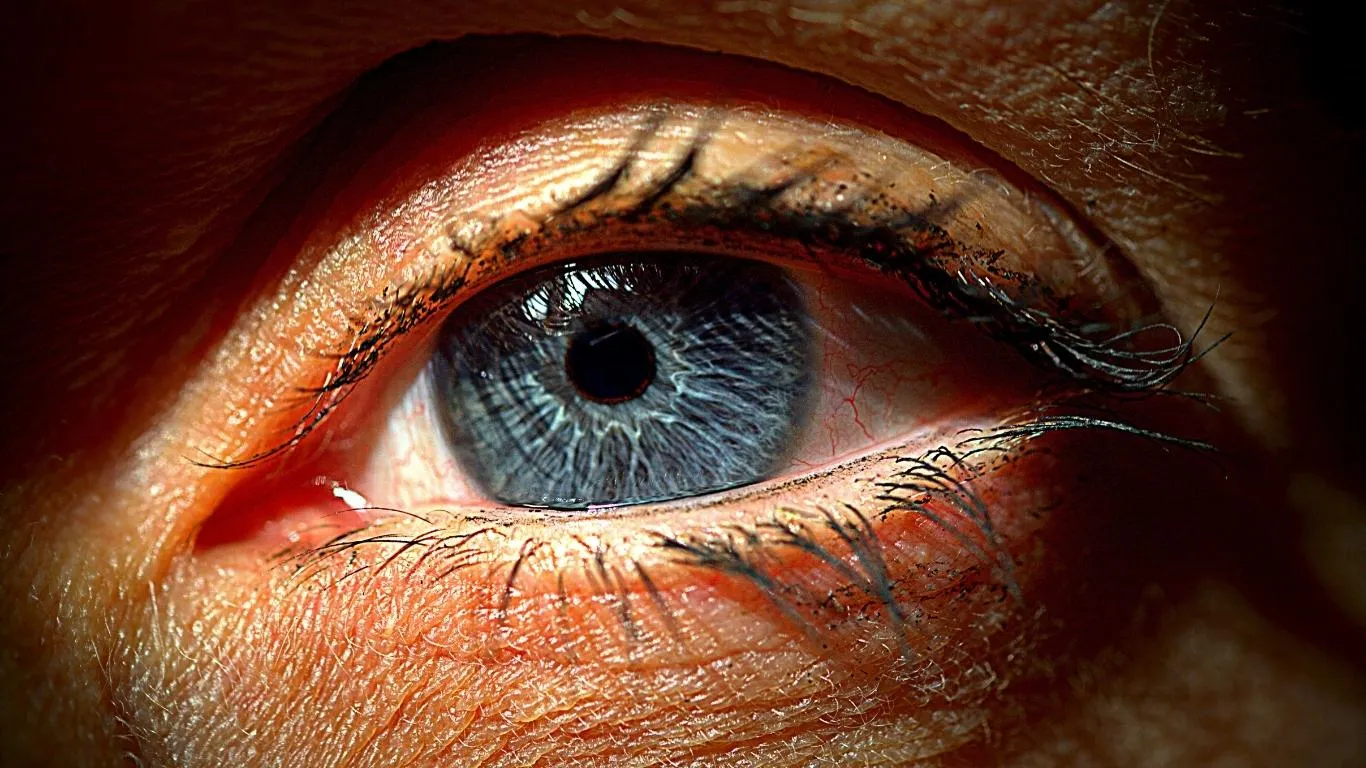
Once the flu subsides, people often report heightened light sensitivity. This isn’t uncommon—it’s tied to fatigue, inflammation, and even certain medications taken during recovery. Bright light makes floaters way more noticeable because they cast sharper shadows on the retina.
If you’re recovering and notice floaters mainly outdoors or under artificial lighting, check this out: Floaters in bright rooms.
Eye Strain from Too Much Screen Time
Let’s be honest—when we’re sick, we’re either binge-watching shows or doomscrolling health symptoms. That screen time doesn’t help. Staring at a screen reduces blinking, and that contributes to dry eyes and increased floater awareness. Plus, that blue light doesn’t do your eyes any favors either.
Here’s a good one that dives deeper: Screen time and floaters.
Visual Fatigue & Lack of Sleep
Your eyes do a lot of healing while you sleep. If you’re recovering from the flu but still can’t get quality rest, your eyes may be paying the price. Fatigue can amplify how intensely you perceive floaters, even if there’s been no physical change to your eyes.
Some helpful reads: Floaters and poor sleep
What’s Normal—And What’s Not—After Flu Recovery?
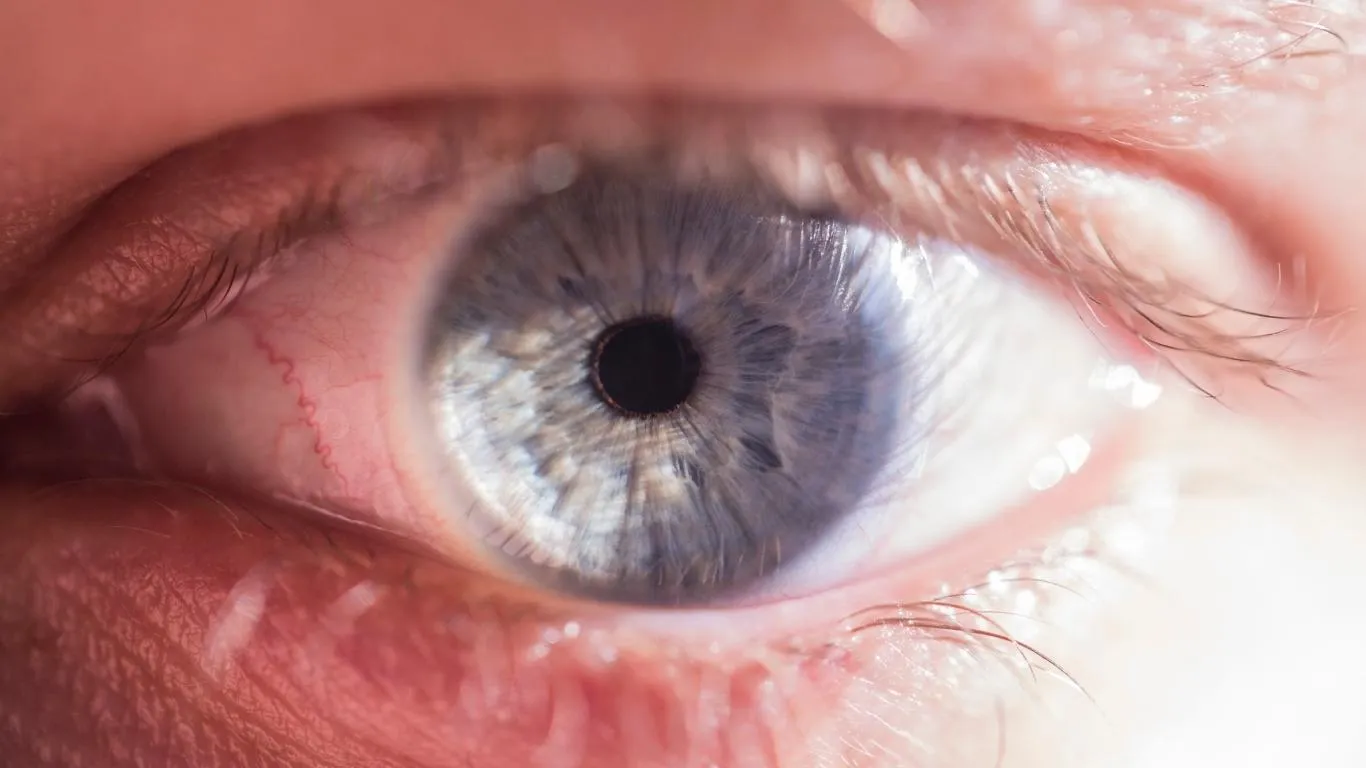
Noticing floaters more after flu recovery is often benign. But if it persists for weeks or gets worse, you want to rule out secondary causes—especially anything retina-related. The good news is, in most cases, the floaters become less annoying as your body and vision stabilize.
- Stay hydrated post-illness to avoid vitreous shrinkage
- Give your eyes a break from screens and bright lights
- Don’t panic if you notice more floaters, but monitor changes
If you’re navigating this right now, the key is knowing what’s normal post-viral recovery and what might need a second opinion. This deeper guide on symptoms you shouldn’t ignore is a great next read: Eye Floater Symptoms to Watch.
For a complete breakdown on what causes floaters and when to worry, this main guide is worth bookmarking: Eye Floaters: Causes, Symptoms & Treatment.
Do These Post-Flu Floaters Ever Go Away?
Here’s the million-dollar question I kept Googling every night: Will these floaters ever fade? Short answer? Yes—sometimes. Floaters caused by temporary shifts in hydration, inflammation, or eye fatigue usually become less noticeable as your body returns to full balance. But if they’re caused by actual changes in the vitreous—like clumping or partial detachment—they might stick around a while.
The thing is, your brain adjusts over time. That’s why some people say their floaters “disappear” even if they’re technically still there. The visual system just learns to ignore them.
What Helped Me Personally
I tried a few things, and while they didn’t make the floaters vanish overnight, they definitely made them less distracting:
- Hydration therapy: Basically, just drinking more water than I thought I needed.
- Wearing blue light filter glasses: Less eye strain = fewer floaters jumping out at me.
- Limiting screen brightness: This helped a ton during late-night scrolling.
- Floaters tracker app: Helped me notice they were less noticeable after a week or two.
Here’s something that helped me understand the stages: Tracking floaters progression.
Are You at Higher Risk If You’ve Had Eye Inflammation Before?
Honestly, yes. If you’ve had connective tissue disorders, chronic dry eyes, or even allergies, your eyes might be more sensitive post-flu. Any prior damage to the vitreous or retina makes it easier for floaters to become persistent or problematic.
Especially in those who’ve had bouts of autoimmune flares or infections, the vitreous tends to react more dramatically. If floaters showed up before but disappeared, and now they’re back stronger after flu, it could be due to an underlying systemic issue.
Floaters linked to health history? Don’t skip this one: Autoimmune conditions and floaters.
Pregnant or Just Gave Birth? Post-Flu Floaters Can Hit Differently
I’ve heard from several friends that after pregnancy or while breastfeeding—especially when combined with a tough flu—their floaters went from mild to annoying. That’s not coincidence. Hormonal shifts and fluid retention play into how the vitreous behaves. Postpartum changes can mess with your visual clarity and sensitivity in weird ways.
If you’re curious about the overlap: Floaters during pregnancy.
Can Supplements or Natural Approaches Actually Help?
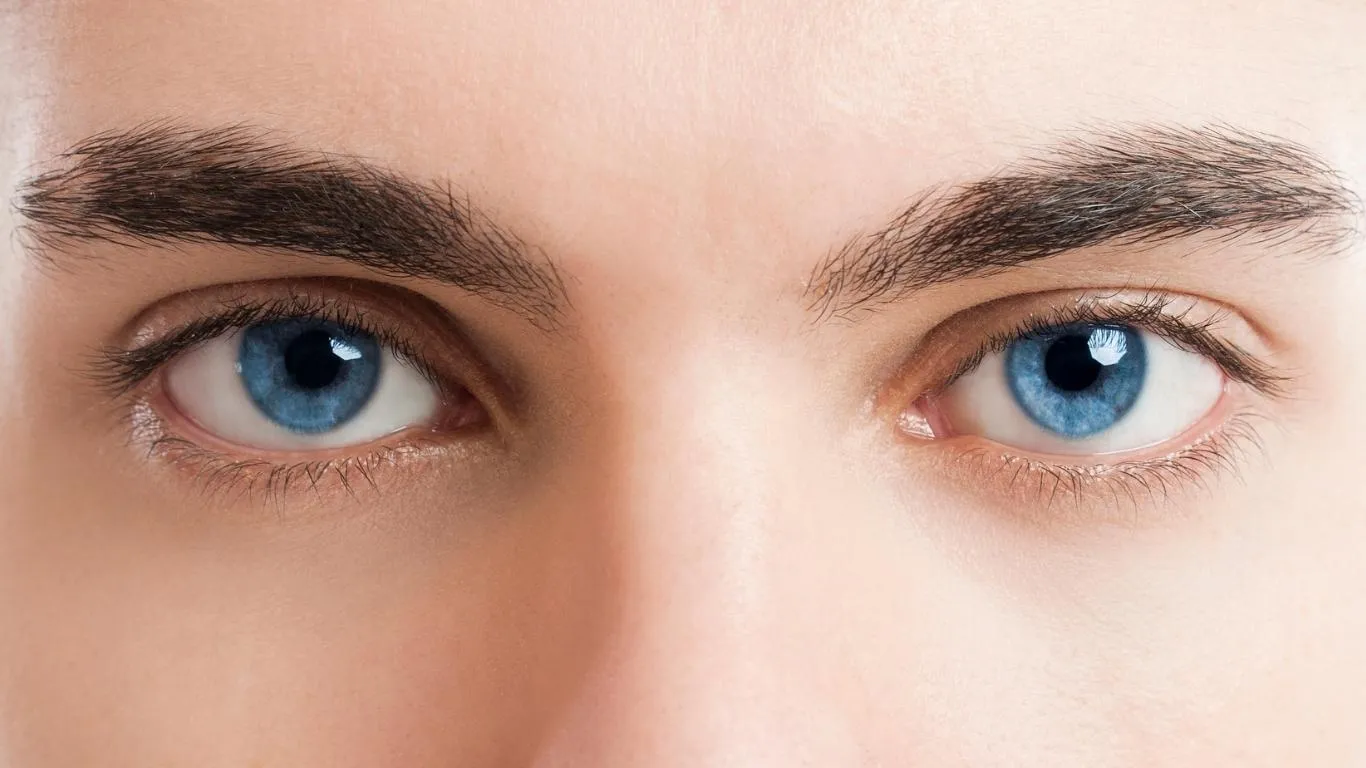
I’m skeptical by default, but I gave a few natural strategies a shot—mainly because I didn’t want to jump into anything surgical unless absolutely necessary. There’s a lot of mixed info online, but here’s what’s actually worth trying based on research and anecdotal evidence:
- Antioxidants like Lutein & Zeaxanthin – Support retinal health
- Vitamin C – Helps collagen integrity in the eye
- Magnesium – Supports overall visual function and reduces visual stress
More practical breakdown here: Best supplements for floaters
That said, none of these are miracle cures. They’re more like long-game support options. I noticed a slight improvement in comfort and fewer “jumpy” floaters, but consistency was key.
When Floaters Could Be a Warning Sign—And Not Just Post-Flu
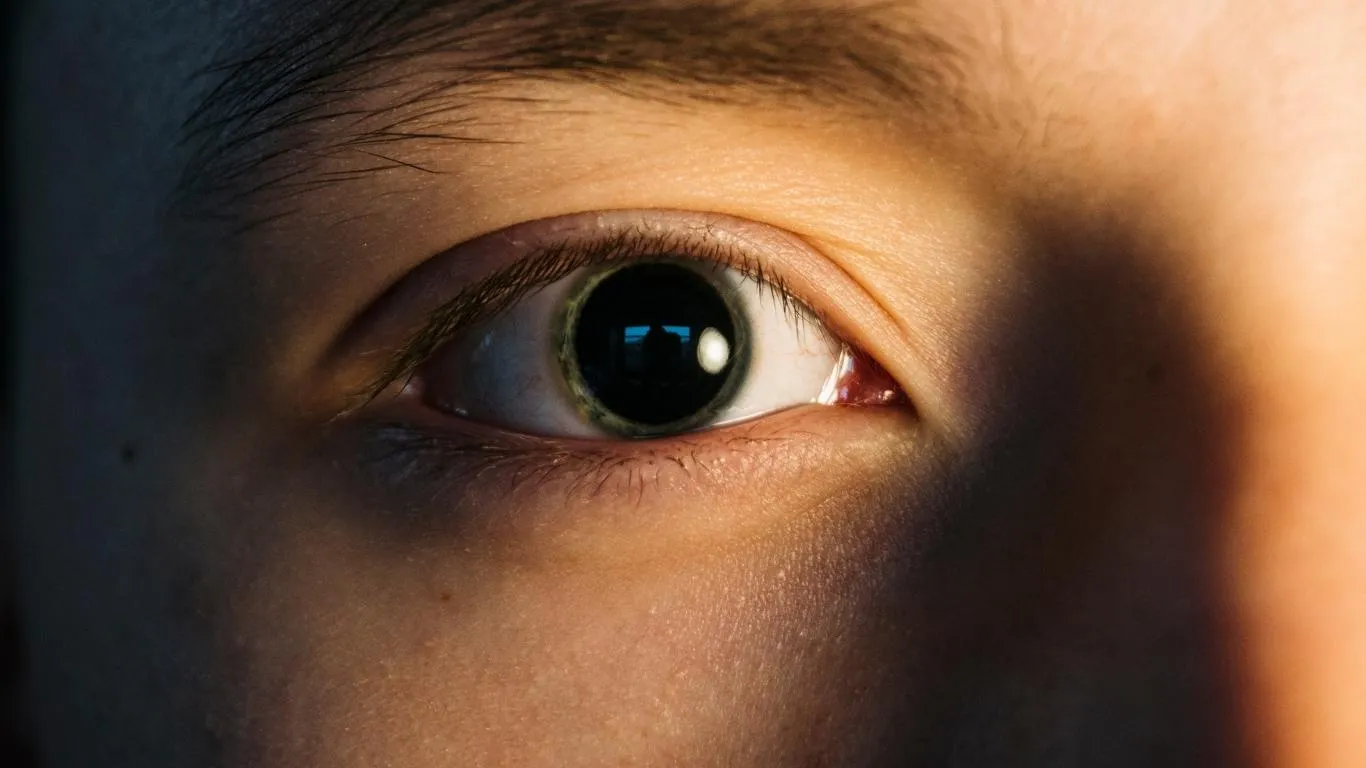
Okay, time to get serious. If your floaters suddenly come with any of the following symptoms, don’t chalk it up to flu aftermath:
- Sudden burst of floaters after coughing or sneezing hard
- Accompanied by headache or dizziness
- Blurred or missing areas in your field of vision
- Flashes of light
Those symptoms could point to a torn retina or more severe complications. Even something like diabetic retinopathy or optic nerve inflammation could show up this way after illness, especially if your immune system’s already down.
One overlooked cause? Minor trauma during flu (falls, eye rubbing) can mess with the eye’s internal structure, and most people don’t connect the two.
Don’t Ignore the Emotional Toll of Floaters
Something we don’t talk about enough: the anxiety and stress that comes with constant floaters. I’ll admit it—mine drove me nuts for days. It messed with my concentration, my mood, and even sleep. You stare at them so much that you start to anticipate them, which only makes them more obvious. It’s a loop.
And yes, stress makes them worse. Tension in the neck, shoulders, and eyes adds to visual discomfort. I didn’t believe it either until I tried guided breathing and noticed the difference.
Here’s an insightful article if you’re dealing with the mental side of it: Floaters & mental health.
Want the Full Picture on Floaters?
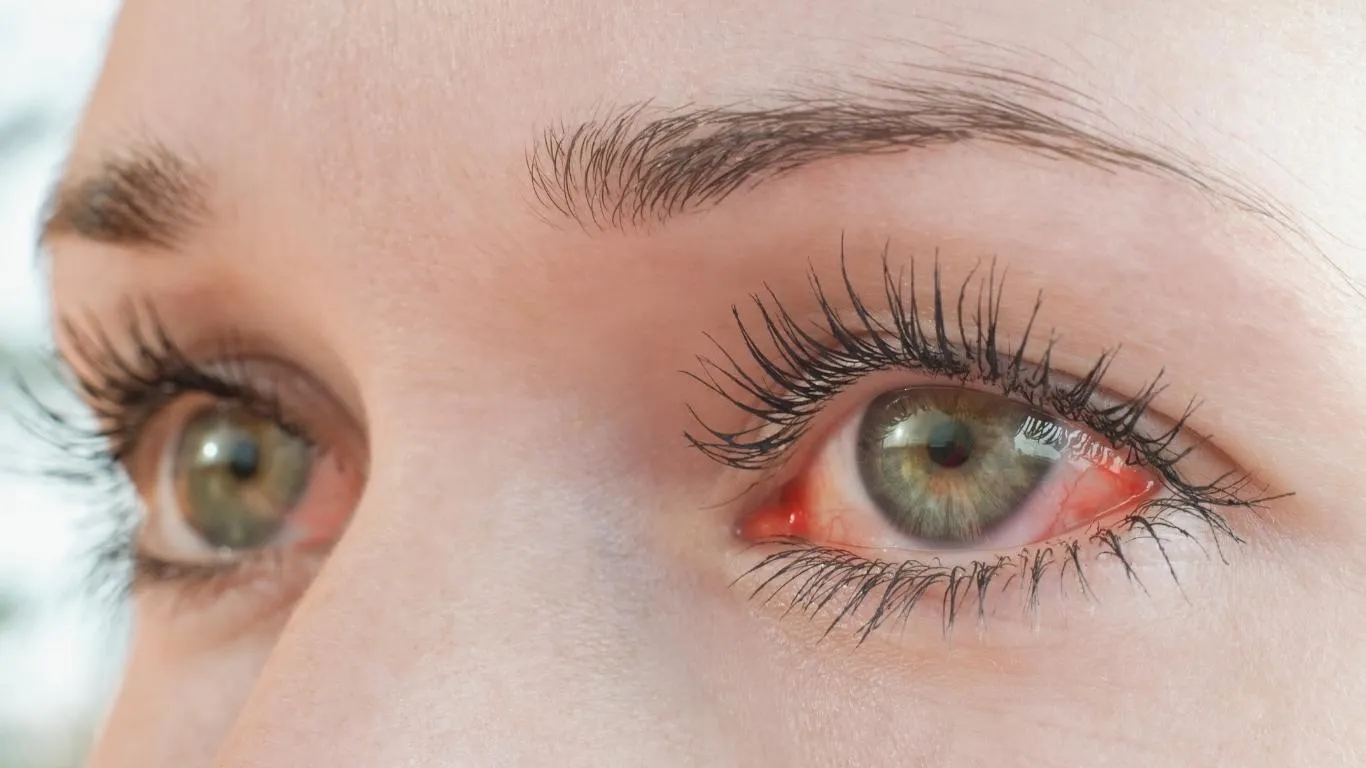
If you want to go deeper into all the causes—from aging to injuries—this is one of the best foundational reads out there: Common Causes of Eye Floaters. It helped me piece everything together in a way that didn’t feel overwhelming.
And of course, the ultimate resource to understand every angle—from symptoms to solutions—is this main guide: What Are Eye Floaters?

Camellia Wulansari is a dedicated Medical Assistant at a local clinic and a passionate health writer at Healthusias.com. With years of hands-on experience in patient care and a deep interest in preventive medicine, she bridges the gap between clinical knowledge and accessible health information. Camellia specializes in writing about digestive health, chronic conditions like GERD and hypertension, respiratory issues, and autoimmune diseases, aiming to empower readers with practical, easy-to-understand insights. When she’s not assisting patients or writing, you’ll find her enjoying quiet mornings with coffee and a medical journal in hand—or jamming to her favorite metal band, Lamb of God.