Why Floaters That Flash In Dark Corridors Might Be A Warning
If you’ve ever walked through a dim hallway or glanced into a dark corner of a room and noticed strange flashes or drifting specs in your vision—you’re not alone. I’ve personally experienced these odd light bursts more than a few times, especially in dark corridors after a long day of staring at screens. And let me tell you, it’s weird. But also kind of fascinating… and sometimes a little scary when you don’t know what’s going on. Let’s break it down—what really causes floaters that flash in dark corridors?
What Are Floaters and Flashes Anyway?
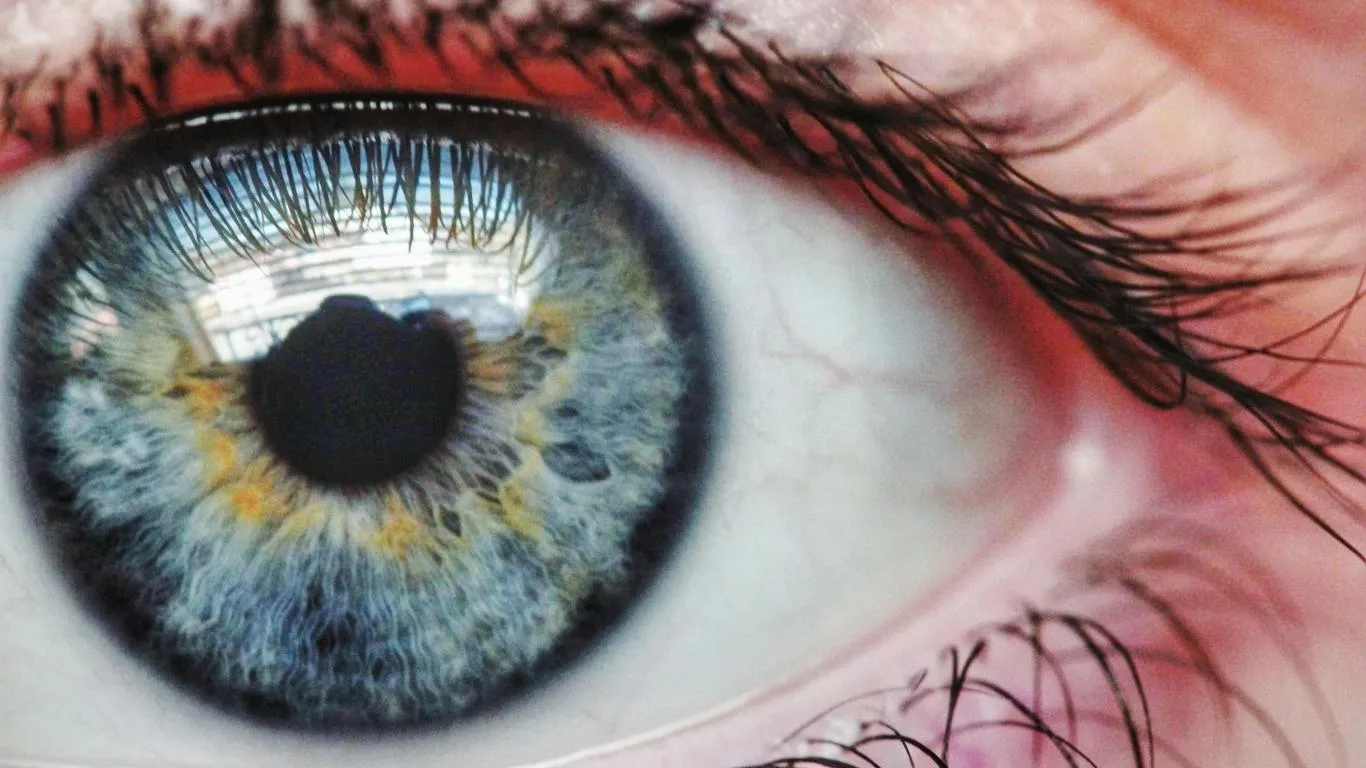
Floaters are tiny, cloudy shapes that drift across your field of vision. You’ll notice them more when you’re looking at a blank wall or a bright sky. They’re actually tiny pieces of debris inside the vitreous gel that fills the eye. These aren’t new—they’ve probably been there for years. But the moment you notice flashes in a dark hallway? That’s when things get a little more interesting.
Flashes, on the other hand, are quick bursts of light that resemble lightning or camera flashes. I used to think they were my imagination, especially when walking from a bright kitchen into the pitch-dark hallway late at night. Turns out, they often stem from your retina being tugged or stimulated—literally.
Why Do Flashes Seem More Intense in Dark Corridors?
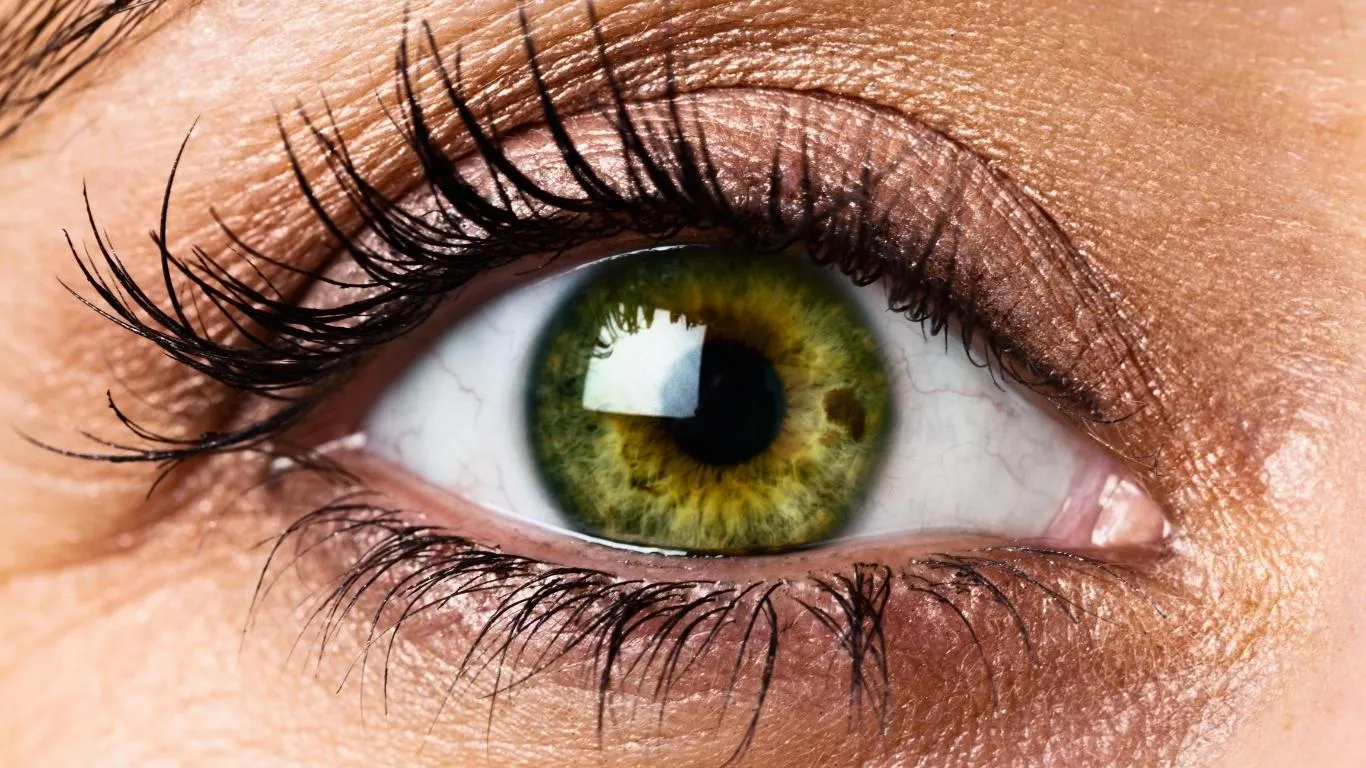
Our pupils dilate in the dark to absorb more light, and as that happens, your eyes become hyper-sensitive to any light or internal reflections. It’s like turning up the gain on a camera in low light—you start seeing things you’d normally ignore. Add floaters into that mix, and you’ve got a recipe for strange visual events.
This phenomenon gets worse when you’re tired or dehydrated, or after long hours on screens. In fact, researchers believe fatigue and dry eyes can cause minor disturbances in the vitreous that increase floater movement. If you’re noticing more flashes lately, you might want to check this out: Dehydration and Floaters.
Is It Dangerous? Here’s When to Be Concerned
Okay, so seeing floaters that flash in dark corridors isn’t automatically an emergency. But sometimes it’s more than just annoying specs. Here’s a quick checklist:
- Sudden increase in floaters (like a snow globe explosion in your vision)
- Flashes accompanied by shadow or curtain-like vision loss
- Floaters appearing after head trauma or eye injury
If you’re nodding yes to any of these, you may want to look into this deeper: Floaters and Retinal Tears. It’s also worth checking the official guidance from American Academy of Ophthalmology or the NIH.
The Retina Might Be Trying to Tell You Something

Ever heard of posterior vitreous detachment? It’s a common condition as we age. As the jelly inside our eye starts to shrink, it can pull away from the retina. This tugging is a frequent cause of those flashing lights in dark environments.
For me, it started with subtle flickers in my peripheral vision. A week later, I couldn’t ignore it anymore. After a proper eye exam, the doc said it was normal aging. Still—it’s better to know than guess, right?
Is There a Link to Eye Strain and Fatigue?
Absolutely. Floaters can appear more active when your eyes are strained or your screen exposure has been excessive. Ever binge-watch something late at night and suddenly see shapes floating as you head to the bathroom? That’s not just imagination.
If you find yourself in this cycle a lot (no judgment—I’ve been there), this article can help: Screen Time and Eye Floaters. You might also want to read about tiredness and floaters, especially if you notice them more after long workdays.
Should You Get Your Eyes Checked?
Look, I’m not here to alarm you, but if these flashes happen often—especially without any external light source—it’s a sign to check in with an ophthalmologist. Better safe than sorry. I didn’t think twice the first few times it happened, but after reading this guide on serious floater signs, I booked an appointment just to be sure.
For more info, here’s a great in-depth piece on causes you shouldn’t overlook: Common Causes of Eye Floaters. And if you’re starting from scratch and want a broader overview, this main guide is a solid place to begin: What Are Eye Floaters?.
What You Can Actually Do About These Flashing Floaters
So you’ve seen them—those ghost-like specks and sudden light flickers when walking down dim corridors. Now what? While some of these floaters are harmless, there are still smart, proactive things you can do to either reduce their intensity or just feel less anxious about them.
I’ll be honest, I spent way too long googling floaters at 2am instead of talking to my optometrist. Don’t be like me. Here’s what helped after I got real answers.
1. Start With a Thorough Eye Exam
Rule number one—get checked. A dilated eye exam can reveal if there’s anything serious like a retinal tear or if your floaters are the benign, age-related kind. I found this article on post-surgery floaters super helpful when trying to understand what to ask my doctor.
2. Keep Track of Patterns
I started using the notes app on my phone to jot down when floaters and flashes showed up—after intense workouts, late nights, high stress. Turns out, there’s a pattern. If you notice flashes when you’re stressed or after long screen use, you’re not imagining it. Read more on this in this guide on stress-induced floaters.
3. Check Your Hydration and Nutrition
Staying hydrated made a surprising difference for me. Floaters felt heavier and more distracting when I was dehydrated (hello, coffee overload). A few days of upping my water intake and getting in some eye-supporting nutrients, and things felt clearer—literally.
Treatment Options Worth Knowing (No Snake Oil)

If you’re wondering whether floaters and flashes ever fully go away, the answer is: sometimes. Other times, they fade into the background. And in rare cases, they may require treatment.
- Observation: The most common “treatment” for floaters—just monitoring them. Most don’t need intervention.
- Laser Vitreolysis: A laser is used to break up floaters. Not for everyone, but worth discussing.
- Vitrectomy: A surgical option to remove the vitreous gel. It’s usually a last resort for severe cases.
This deeper dive into options really helped clarify what’s real and what’s not: Treatment Options for Eye Floaters.
Can You Prevent Them From Getting Worse?
This is the golden question, right? While you can’t exactly stop the natural aging process (if only), there are habits you can build to reduce eye strain and limit floater severity:
- Take screen breaks – the 20-20-20 rule is gold: every 20 minutes, look at something 20 feet away for 20 seconds
- Wear proper lighting indoors, especially if your home has long, dark hallways where flashes become more apparent
- Protect your eyes during sports or physically intense activities
This article really covers some overlooked triggers you might not think about: Floaters after Exercise.
What Helped Me Personally
I’ve tried the whole “ignore it and it’ll go away” route—it didn’t help. What actually worked?
- Low-light glasses: Blue light filter glasses that reduce strain during nighttime walks around the house
- Guided breathing: Sounds unrelated, but anxiety was amplifying how much I noticed my floaters
- Limiting caffeine: Big difference. Here’s a breakdown of why that helps: Caffeine and Floaters
There’s no one-size-fits-all answer, but I promise it gets less annoying over time, especially when you know what you’re dealing with and stop doom-scrolling Reddit threads.
When Floaters Disrupt Daily Life
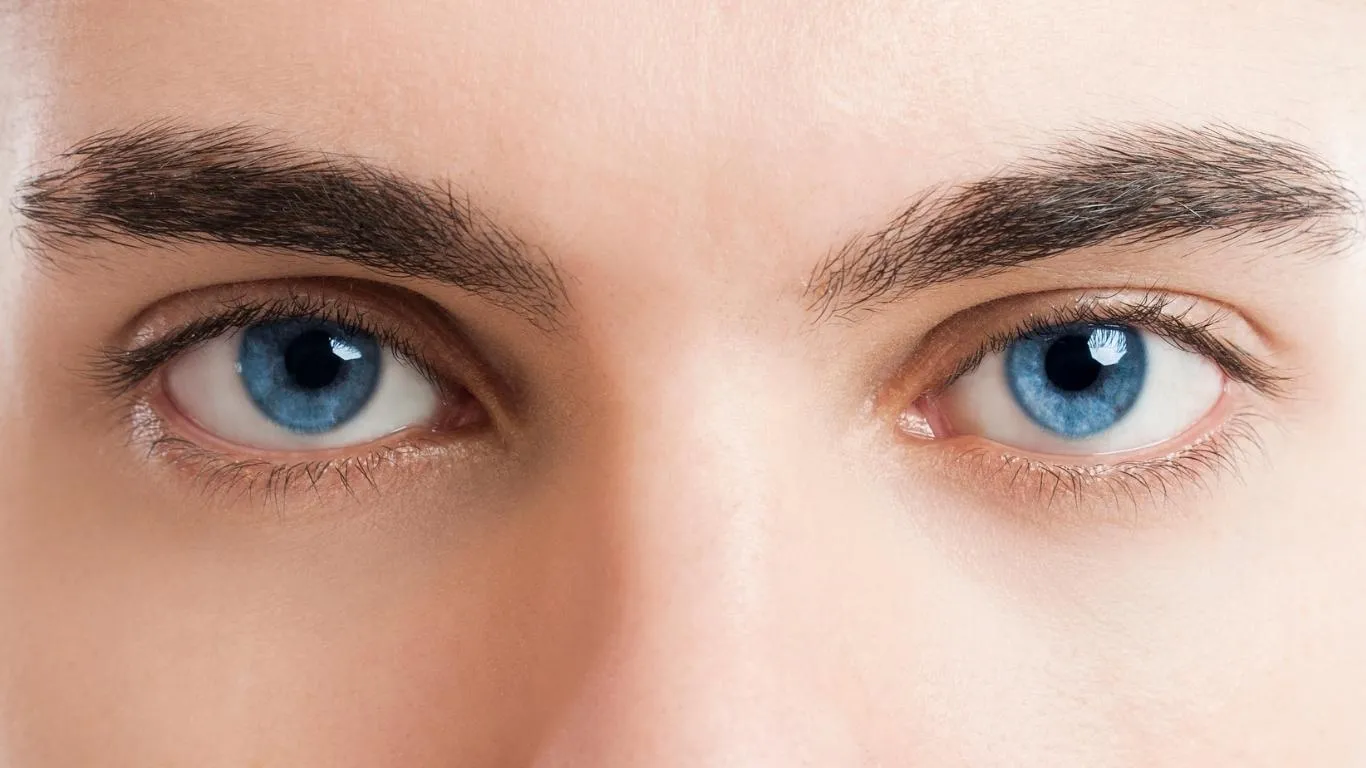
If floaters are messing with your daily focus, work, or driving confidence, you’re not being dramatic. They really can disrupt quality of life. Especially in dark settings—like early morning drives or dim hallways where contrast makes them pop.
This article dives into that exact experience: Floaters and Vision Comfort.
For anyone over 40 (like me), it’s also worth reading this related topic: Eye Floaters in Your 40s. You may realize that what you’re seeing is more common than you think.
The Bottom Line: You’re Not Alone (and You’re Not Imagining It)

Those flashing floaters in dark corridors? They’re real. And while they can be unsettling, they’re not usually dangerous. Still, you deserve peace of mind—and understanding what’s happening inside your eyes is the first step toward that.
Always trust your instincts. If something feels off, talk to your eye doctor. And if you’re like me and love to nerd out on health topics late into the night (ironic, I know)—dive deeper here: Floaters vs Other Eye Issues.
For a solid overall breakdown on the topic, this is your go-to primer: Understanding Eye Floaters.

Camellia Wulansari is a dedicated Medical Assistant at a local clinic and a passionate health writer at Healthusias.com. With years of hands-on experience in patient care and a deep interest in preventive medicine, she bridges the gap between clinical knowledge and accessible health information. Camellia specializes in writing about digestive health, chronic conditions like GERD and hypertension, respiratory issues, and autoimmune diseases, aiming to empower readers with practical, easy-to-understand insights. When she’s not assisting patients or writing, you’ll find her enjoying quiet mornings with coffee and a medical journal in hand—or jamming to her favorite metal band, Lamb of God.